
Organic Pest Control for Aphids: Top Natural Solutions
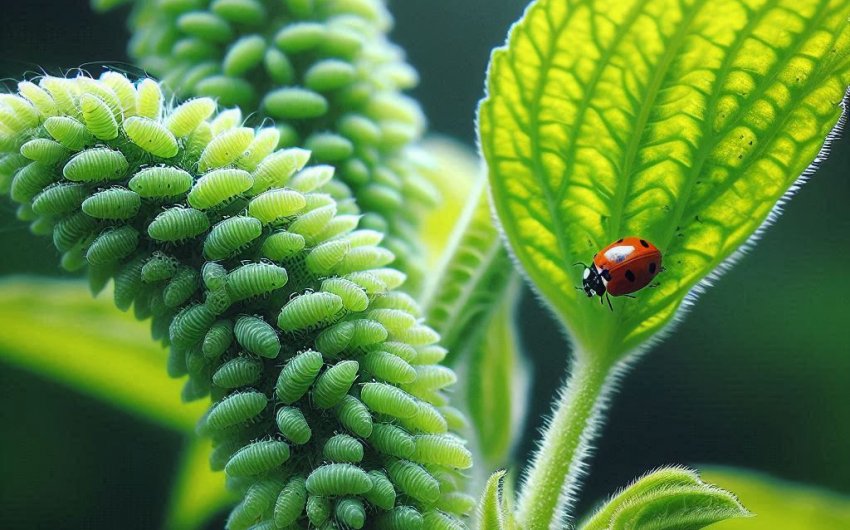
Oh, aphids! These tiny, pear-shaped insects are one of the most common and frustrating pests for any gardener. They gather in clusters on new growth, under leaves, and on flower buds, sucking the life out of your plants. If you've ever seen your plant's leaves curling, turning yellow, or covered in a sticky substance (called "honeydew"), aphids are likely the culprits. The honeydew can also lead to sooty mold, a black fungus that covers leaves and blocks sunlight. While they're annoying, the good news is that you don't need harsh chemicals to get rid of them. Organic pest control for aphids is incredibly effective and much better for your garden's overall health and the environment. This guide will show you the top natural solutions to keep aphids in check and help your plants thrive!
Why Go Organic for Aphid Control?
When aphids strike, the first thought might be to reach for a powerful bug spray. But in an organic garden, we take a different approach. Using synthetic pesticides, even for aphids, can do more harm than good in the long run.
Protecting Beneficial Insects
The biggest reason to avoid chemical sprays is to protect the beneficial insects in your garden. Many insects are natural predators of aphids, like ladybugs, lacewings, and hoverflies. If you spray broad-spectrum pesticides, you'll kill these good guys along with the bad, leading to an even bigger aphid problem later because their natural enemies are gone. Organic pest control aims to encourage and protect these helpful insects.
Healthy Soil, Healthy Plants
Synthetic pesticides and chemical fertilizers can harm the delicate soil food web, reducing the overall health of your soil. Healthy soil grows stronger plants that are naturally more resistant to pest attacks. Organic gardening builds this resilience.
No Harmful Residues
When you use organic methods, you don't have to worry about chemical residues on your edible plants or in your environment. This means safer food for you and your family, and a healthier ecosystem for everyone.
Understanding Aphids: Know Your Enemy
Before we dive into solutions, let's quickly understand these tiny foes.
- Appearance: Small (1/10 to 1/8 inch), soft-bodied, pear-shaped insects. They come in various colors: green, black, red, yellow, brown, or gray.
- Location: Found on new, tender growth, undersides of leaves, and flower buds.
- Damage:
- Stunted Growth & Leaf Curling: They suck plant sap, weakening the plant.
- Yellowing Leaves: Due to nutrient loss.
- Honeydew: A sticky, sugary substance they excrete.
- Sooty Mold: A black fungus that grows on honeydew, blocking sunlight from leaves.
- Virus Transmission: Some aphids can spread plant viruses.
- Rapid Reproduction: Aphids reproduce incredibly fast. A single aphid can produce dozens of offspring in a week, and they don't even need a mate! This is why early detection is key.
Top Natural Solutions for Organic Aphid Control
Here are the most effective organic pest control techniques for aphids, from prevention to direct intervention.
1. Water Blasting: The Simplest Solution
Sometimes, the best solution is the easiest! A strong stream of water can knock aphids off your plants.
How to Use Water Blasting:
- Regular Blasts: Use a garden hose with a nozzle that provides a strong but not damaging spray.
- Aim Carefully: Direct the spray at the undersides of leaves and on affected stems where aphids tend to hide.
- Frequency: Do this every few days when you first spot aphids. Often, they can't climb back onto the plant.
- Best Time: Early morning, so the leaves can dry completely during the day, which helps prevent fungal issues.
- Caution: Avoid blasting delicate seedlings or very fragile plants.
2. Hand-Picking (and Squishing): Get Up Close and Personal
For smaller infestations or on individual plants, your hands are your best tools.
How to Hand-Pick Aphids:
- Inspect Regularly: Get into the habit of checking your plants frequently, especially the undersides of new leaves.
- Squish 'Em: Gently squish the aphids between your fingers. It's not pretty, but it's effective!
- Wipe Off: For larger clusters, you can wipe them off with a damp cloth or a paper towel.
- Pruning: For heavily infested leaves or stems, prune them off and dispose of them in a sealed bag in the trash (not your compost pile, as aphids can survive).
3. Attracting and Releasing Beneficial Insects: Let Nature Do the Work
This is the cornerstone of organic pest control for aphids. Many insects love to feast on aphids!
Key Beneficial Insects (Aphid Eaters):
- Ladybugs (Lady Beetles): Both adult ladybugs and their alligator-like larvae are voracious aphid eaters. A single ladybug larva can eat hundreds of aphids before it turns into an adult.
- Lacewings (Green Lacewings): The larvae of lacewings are often called "aphid lions" because they are fierce predators of aphids and other soft-bodied insects.
- Hoverflies (Syrphid Flies): While adult hoverflies look like small bees and are pollinators, their slug-like larvae are incredibly efficient aphid predators.
- Parasitic Wasps: These tiny wasps lay their eggs inside aphids. The wasp larva then eats the aphid from the inside out, creating a mummified "aphid mummy."
How to Attract Beneficial Insects:
- Plant Diverse Flowers: Provide a variety of pollen and nectar-rich flowers throughout your garden. Many beneficial insects (especially hoverflies and parasitic wasps) are attracted to small, open flowers with easy-to-access nectar.
- Good choices: Dill, cilantro (let it flower!), fennel (can be invasive, so plant in a container if concerned), parsley, sweet alyssum, cosmos, yarrow, calendula, and sunflowers. A good beneficial insect seed mix can bring them in.
- Provide Water: A shallow bird bath or a dish with pebbles (so insects don't drown) can be a water source for beneficials.
- Avoid Pesticides: This is crucial. Any pesticide, even organic ones, can harm beneficial insects.
- Tolerance: Tolerate a small number of aphids. You need some aphids around for the beneficial insects to have food and stay in your garden.
Releasing Beneficial Insects (Optional):
You can buy ladybugs or lacewing larvae online or from garden centers.
- Ladybug Release: Release them in the evening when temperatures are cool, after watering your garden. This encourages them to stay. Buy a container of live ladybugs.
- Lacewing Release: Lacewing larvae are often shipped in special containers that can be sprinkled onto affected plants. A pack of lacewing larvae can be very effective.
4. Organic Insecticidal Soap: A Direct Hit
Insecticidal soap is a highly effective organic pesticide for aphids and other soft-bodied insects. It works by breaking down the waxy outer coating of the insect, causing it to dehydrate.
How to Use Insecticidal Soap:
- Direct Contact: It only works on contact, so you must spray the aphids directly.
- Thorough Coverage: Spray both the tops and, most importantly, the undersides of leaves, where aphids hide.
- Dilute: Most come as concentrates that need to be diluted with water. Follow package directions precisely. A ready-to-use organic insecticidal soap spray is convenient for smaller gardens.
- Repeat: You'll likely need to repeat applications every 5-7 days until the aphid population is under control.
- Test First: Always test on a small part of the plant first, especially on new growth, to ensure it doesn't cause damage.
- Timing: Spray in the early morning or late evening when beneficial insects are less active and the sun won't cause leaf burn.
5. Neem Oil: Dual Action Organic Solution
Neem oil is a powerful organic pest control and fungicide derived from the seeds of the neem tree. It works in multiple ways against aphids.
How Neem Oil Works:
- Anti-Feedant: It makes plants less appetizing to aphids.
- Growth Regulator: Disrupts aphid growth and reproduction cycles.
- Smothers: Can also smother soft-bodied insects on contact, similar to insecticidal soap.
- Safe for Beneficials (Generally): When applied correctly (in the evening), it has a lower impact on beneficial insects because it primarily affects insects that eat the treated plant parts.
How to Use Neem Oil:
- Dilute: Dilute Neem oil concentrate with water and a tiny bit of mild soap (as an emulsifier) according to package directions. A good quality organic neem oil concentrate is a versatile tool.
- Thorough Coverage: Spray both top and bottom of leaves and stems.
- Repeat: Apply every 7-14 days as needed.
- Test First: Always test on a small portion of the plant first.
- Timing: Apply only in the evening or on a cloudy day to avoid leaf burn, and to minimize exposure to beneficial insects.
6. Companion Planting: Smart Plant Neighbors
Some plants naturally deter aphids or act as "trap crops" to draw them away from your valuable plants.
Aphid-Deterring Plants:
- Chives and Garlic: Planting these strong-smelling alliums around susceptible plants can repel aphids.
- Mint (contained!): While invasive, mint's strong scent can deter aphids. Plant it in a pot near susceptible plants.
- Coriander/Cilantro: Its scent can deter aphids, and if left to flower, it attracts beneficial insects.
Trap Crops:
- Nasturtiums: Aphids love nasturtiums. Plant them a short distance away from your prized vegetables. Aphids will often flock to the nasturtiums, leaving your other plants alone. You can then hose off the nasturtiums or remove them.
- Marigolds: Some marigold varieties (especially French marigolds) are known to deter various pests.
Prevention: The Best Organic Aphid Control
The best defense against aphids is prevention. Healthy plants and a balanced ecosystem will naturally resist infestations.
1. Maintain Plant Health
- Healthy Soil: Rich organic soil promotes strong, healthy plants that are more resilient to pests. Add compost regularly.
- Proper Watering: Consistent, deep watering keeps plants vigorous.
- Right Nutrients: Avoid over-fertilizing with high-nitrogen fertilizers, as this can lead to lush, soft new growth that aphids particularly love. Use balanced organic fertilizers.
2. Inspect Regularly
Early detection is key! Make it a habit to check your plants a few times a week, paying special attention to new growth and the undersides of leaves.
3. Attract Beneficials from the Start
Plant a diverse array of flowers that attract beneficial insects throughout your garden, even before you see aphids. Make your garden a welcoming home for aphid predators.
4. Isolate New Plants
Before adding new plants to your garden, inspect them thoroughly for any signs of aphids or other pests to avoid introducing problems.
By combining these organic pest control methods for aphids, you can effectively manage these common garden pests without resorting to harmful chemicals. It's about creating a balanced, resilient ecosystem in your garden where nature helps you keep things in check, leading to healthier plants and a more enjoyable gardening experience.