
How to Make Your Own Organic Compost Tea for Plants?
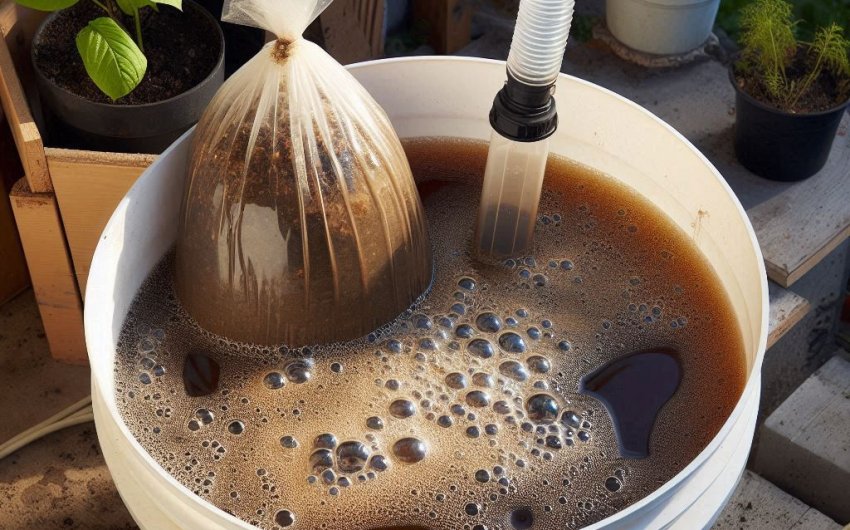
You know that compost is gold for your garden soil. It adds vital nutrients, improves soil structure, and introduces beneficial microbes. But what if you could give your plants a quick, powerful dose of those amazing benefits in liquid form? That's where organic compost tea comes in! Think of it as a super healthy, probiotic drink for your plants and soil. It's a fantastic way to boost plant health, suppress diseases, and increase nutrient uptake, all without using any harsh chemicals. Making your own is surprisingly easy, affordable, and incredibly rewarding for any organic gardener. This guide will show you exactly how to brew your own potent batch of compost tea to unlock a world of benefits for your plants.
What is Organic Compost Tea and Why is it So Good for Plants?
Compost tea is essentially a liquid extract made by steeping finished compost in water. The goal is to transfer the beneficial microorganisms and water-soluble nutrients from the solid compost into the water. This liquid can then be applied to the soil (as a drench) or sprayed directly onto plant leaves (as a foliar spray).
Why it's a Powerhouse for Organic Gardens:
- Boosts Plant Health & Growth: While it provides some nutrients, the main benefit of compost tea is the massive population of beneficial microbes it delivers to your plants and soil. These microbes help plants absorb nutrients more efficiently, strengthen their immune systems, and stimulate growth.
- Disease Suppression: Many beneficial microbes in the tea act as natural protectors, outcompeting or even preying on harmful disease-causing organisms on plant surfaces and in the soil.
- Improved Nutrient Uptake: Microbes convert nutrients into forms that are easier for plants to absorb, making your soil more efficient.
- Environmental Benefits: It's a completely natural, chemical-free way to fertilize and protect your plants, avoiding synthetic inputs and promoting a healthy ecosystem.
- Revitalizes Soil: It can replenish microbial life in tired or damaged soils.
Brewed vs. Unbrewed Compost Tea: What's the Difference?
You'll hear about two main types of compost tea:
1. Unbrewed (Passive) Compost Tea: The Simpler Method
This is the easiest way to make compost tea. You simply steep compost in water, much like making regular tea.
Pros:
- Very simple, requires minimal equipment.
- Good for a quick dose of water-soluble nutrients and a basic microbe boost.
Cons:
- Doesn't multiply microbes as much as aerated tea.
- Risk of anaerobic conditions (bad smells, potentially harmful microbes) if left too long without oxygen.
2. Brewed (Aerated) Compost Tea: The Microbial Powerhouse
This method uses an air pump to continuously bubble air into the steeping compost mixture. This aeration provides oxygen, which encourages the rapid multiplication of beneficial aerobic (oxygen-loving) microbes. This is the preferred method for making high-quality, safe, and effective compost tea.
Pros:
- Massively increases the population of beneficial microbes.
- Prevents anaerobic conditions, ensuring a healthy, oxygen-rich tea.
- More potent and effective for disease suppression and plant health.
Cons:
- Requires a few more pieces of equipment (air pump, air stone).
For the best results in your organic garden, we recommend focusing on the brewed (aerated) method.
What You'll Need to Make Aerated Organic Compost Tea
Gathering your supplies is the first step to brewing your own liquid gold!
Essential Equipment:
- 5-Gallon Bucket: A clean, food-grade 5-gallon bucket with a lid is perfect.
- Water: Crucial! Use non-chlorinated water.
- Rainwater: Ideal! Collect it from your roof in a rain barrel.
- Well Water: Also good, typically chemical-free.
- Tap Water: If you must use tap water, let it sit out in an open bucket for 24-48 hours to allow the chlorine (and chloramines if present) to dissipate. Or use a charcoal water filter attached to your hose.
- Air Pump: A simple, inexpensive aquarium air pump is all you need. Look for one powerful enough for a 10-20 gallon tank, even if using a 5-gallon bucket. A good aquarium air pump is inexpensive.
- Air Stone: Connects to the air pump via tubing and creates fine bubbles for aeration.
- Air Tubing: Standard aquarium air line tubing to connect the pump to the air stone.
- Compost Tea Bag (or Pantyhose): A fine mesh bag to hold your compost, allowing the microbes to disperse into the water while keeping solids out. Old pantyhose or a dedicated compost tea brewing bag works well.
Essential Ingredients:
- High-Quality Finished Compost: This is the heart of your tea! The quality of your compost directly impacts the quality of your tea. Use finished compost that is rich, dark, smells earthy, and contains a diverse range of materials (food scraps, yard waste, aged manure). Avoid compost that is still hot or smells bad. If buying, look for certified organic compost.
- Food Source for Microbes (Optional but Recommended): Adding a simple sugar source encourages microbes to multiply rapidly during brewing.
- Unsulphured Molasses: A common choice, provides carbohydrates for bacteria. A small amount of organic unsulphured molasses will suffice.
- Fish Emulsion: Good for a nitrogen boost for bacteria and fungi.
- Liquid Kelp/Seaweed: Provides micronutrients and growth hormones for microbes.
Step-by-Step Guide to Brewing Organic Compost Tea
Here's how to brew your own amazing batch of organic compost tea:
Step 1: Prepare Your Water
Fill your 5-gallon bucket with non-chlorinated water (rainwater, well water, or de-chlorinated tap water). If using tap water, let it sit out for 24-48 hours. The ideal water temperature is room temperature (around 60-70°F or 15-21°C), as extreme temperatures can shock microbes.
Step 2: Set Up the Aeration System
Place the air stone at the bottom of the bucket. Connect the air tubing to the air stone and run the other end out of the bucket to your air pump. Make sure the pump is on a stable surface, ideally higher than the bucket, to prevent water backflow. Plug in the air pump and ensure bubbles are flowing. This will pre-aerate the water.
Step 3: Prepare the Compost Bag
Fill your compost tea bag (or pantyhose leg) with 1-2 cups of your high-quality, finished organic compost. Don't overfill it; the compost needs space to tumble and release its goodness. Tie it securely.
Step 4: Add Microbe Food (Optional)
If using a microbe food source, add it now.
- For molasses: Add 1-2 tablespoons per 5 gallons of water.
- For liquid kelp or fish emulsion: Follow product directions for a diluted amount (often 1-2 tablespoons).
Stir the water to dissolve the microbe food.
Step 5: Steep the Compost
Carefully lower the compost bag into the bucket. You can let it hang freely or suspend it just above the bottom using a string or clip. The key is for water to flow through the compost.
Step 6: Brew the Tea!
Let the air pump run continuously for 18-36 hours. The ideal brewing time depends on the compost quality and temperature.
- Observe: The water should become murky and brownish. You'll see bubbles rising, and it should smell earthy and pleasant, like a forest floor after rain.
- Avoid Anaerobic Smell: If it starts to smell rotten, sour, or like rotten eggs, it has gone anaerobic (lack of oxygen). This means harmful bacteria might be multiplying, and you should discard the batch and start over.
- Brew Time Limits: Don't brew for longer than 36 hours. After this, the microbes can start to run out of food and oxygen, and the beneficial populations may decline or switch to anaerobic.
Step 7: Strain the Tea
Once brewing is complete, remove the air stone and compost bag. Squeeze any liquid from the compost bag back into the bucket. You can add the spent compost back to your compost pile or directly to your garden beds.
Step 8: Use Immediately!
This is crucial. Compost tea is a living product. The beneficial microbes are most active and potent shortly after brewing. Use your compost tea within 4-6 hours of turning off the air pump. After that, the oxygen levels drop, and the beneficial microbial populations will start to die off.
How to Use Your Organic Compost Tea for Plants
You've brewed your golden elixir! Now, let's put it to work in your organic garden.
Application Methods:
Soil Drench (Root Zone Application): This is the most common and beneficial method.
- Dilution: You can use compost tea undiluted, or dilute it up to 1:10 with non-chlorinated water. Undiluted is fine for established plants; diluted is gentler for seedlings.
- How: Pour the tea directly onto the soil around the base of your plants, aiming for the root zone.
- Benefits: Delivers beneficial microbes directly to the soil food web, improving nutrient availability and protecting roots from disease. Great for vegetables, flowers, trees, and shrubs.
Foliar Spray (Leaf Application): This coats plant leaves with beneficial microbes, helping to suppress foliar diseases.
- Strain Well: Strain the tea through a finer mesh (like cheesecloth) to prevent clogging your sprayer.
- Dilution: Dilute up to 1:5 or 1:10, especially for delicate leaves.
- How: Use a clean garden sprayer to lightly mist the tops and undersides of leaves.
- Benefits: Creates a "protective shield" of beneficial microbes on the leaf surface, which can outcompete harmful fungi and bacteria that cause diseases like powdery mildew, black spot, or blight.
- Timing: Apply in the early morning or late evening when temperatures are cooler and the sun is not intense. This allows the microbes to get established without being killed by UV light, and prevents potential leaf scorch.
What Plants Benefit Most?
Almost all plants in your organic garden will benefit from compost tea:
- Vegetables: Tomatoes, peppers, leafy greens, beans, corn, squash – all love a boost.
- Fruit Trees and Shrubs: Apply to the soil around the drip line.
- Flowers: Encourages vibrant blooms.
- Lawns: Can be sprayed on lawns to improve turf health and disease resistance.
- Seedlings: Use a diluted solution for watering young seedlings for a strong start.
Frequency of Application:
- Regular Boost: Every 2-4 weeks during the growing season.
- Disease Prevention: Apply every 1-2 weeks during periods of high humidity or when conditions are ripe for fungal diseases.
- Stressed Plants: Give a dose to struggling plants (after diagnosing any other issues like nutrient deficiency or watering problems).
Troubleshooting & Tips for Making Great Organic Compost Tea
- Keep it Clean: Clean all your equipment (bucket, air stone, tubing, compost bag) thoroughly after each use with hot water and mild soap (rinse very well!). This prevents the growth of unwanted bacteria.
- Temperature Matters: Don't brew in very cold or very hot conditions. Ideal is room temperature.
- Good Compost is Key: The quality of your tea directly reflects the quality of your compost. Use diverse, finished compost.
- Don't Over-Aerate: While aeration is good, too much agitation for too long can sometimes harm fungal populations in the tea. Stick to the 18-36 hour window.
- No Fish Tank?: You can get an inexpensive aquarium air pump kit specifically for compost tea.
Making your own organic compost tea is a powerful yet simple practice that can transform your garden. By nurturing the microbial life in your soil and on your plants, you're embracing the core principles of organic gardening and building a truly resilient, healthy, and productive garden ecosystem. Get brewing and watch your plants thrive naturally!