
Best Organic Methods to Prevent Blossom End Rot in Tomatoes
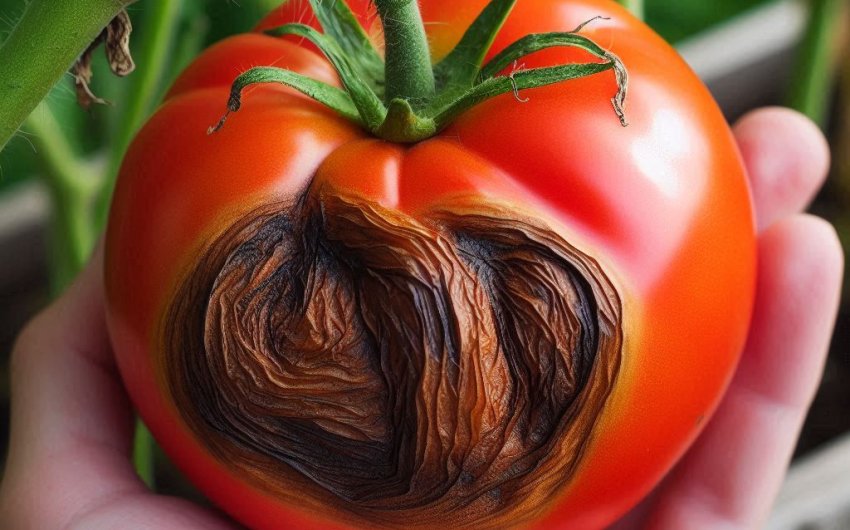
The best organic methods to prevent blossom end rot in tomatoes primarily involve ensuring consistent soil moisture and adequate calcium availability to the plant's roots. This common issue is a physiological disorder, not a disease, and can be managed through careful watering and soil amendments.
What Exactly is Blossom End Rot and Why Does It Happen?
Blossom end rot (BER) is a common and frustrating problem for tomato growers, characterized by a dark, sunken spot that appears on the bottom (blossom end) of the fruit. It’s important to understand that it is not a disease caused by a pathogen, but rather a physiological disorder related to calcium and water uptake.
What Does Blossom End Rot Look Like?
- Initial Symptoms: Typically, the first sign is a small, water-soaked spot on the blossom end (the bottom, opposite the stem) of developing tomato fruits. This usually occurs when fruits are about 1/3 to 1/2 their mature size.
- Progression: The spot quickly enlarges, turns dark brown or black, and becomes leathery or sunken. It can range from a small dot to covering half the fruit.
- Secondary Problems: While BER itself isn't a disease, the damaged tissue can become an entry point for secondary fungal or bacterial rots, which will turn the affected area mushy and smelly.
- Affected Fruits: Most commonly seen on tomatoes, but can also affect peppers, squash, cucumbers, and other fruits.
Why Does Blossom End Rot Happen? (The Calcium Connection)
Blossom end rot is fundamentally caused by a localized calcium deficiency in the developing fruit. This doesn't necessarily mean there's not enough calcium in your soil. More often, it means the plant is unable to transport sufficient calcium to the fruit's rapidly growing cells.
Here's the chain of events that leads to BER:
- Calcium's Role: Calcium is a crucial nutrient for cell wall formation and stability in plants. It's transported exclusively with water through the plant's xylem (the plant's "plumbing system").
- Water is Key to Calcium Delivery: When a tomato plant takes up water from the soil, dissolved calcium ions travel with that water up to the leaves and developing fruits.
- Transpiration vs. Fruit Growth: Leaves transpire (evaporate water) much more efficiently than developing fruits. When water supply is erratic or insufficient, the leaves, being the primary water users, get priority. The fruits, especially the fast-growing cells at the blossom end, are the "last in line" for water and thus for calcium.
- Erratic Water Supply: This is the most common direct cause of BER.
- Inconsistent Watering: Allowing the soil to dry out significantly between waterings, followed by heavy watering, creates fluctuations in water availability.
- Too Little Water: Prolonged drought or insufficient watering simply means less water, and thus less calcium, reaches the fruit.
- Overwatering/Waterlogging: Paradoxically, constantly soggy soil can also cause BER. If roots are sitting in waterlogged conditions, they can't take up oxygen, which impairs their ability to absorb water and calcium effectively.
- Root Damage: Any damage to roots (from cultivation, pests, or disease) can impair water and nutrient uptake.
- Rapid Growth: Periods of very rapid vegetative growth (lush foliage) can mean the plant is prioritizing leaves over fruit for water and calcium, especially if the supply is limited. This is sometimes seen with excessive nitrogen fertilization.
- Soil pH: If the soil pH is too low (acidic) or too high (alkaline), calcium can become "locked up" and unavailable to the plant, even if present in the soil. Tomatoes generally prefer a pH of 6.0-6.8.
- Soil Salinity: High salt concentrations in the soil can interfere with water uptake.
Understanding that BER is usually a water management issue that impacts calcium delivery, rather than a simple lack of calcium in the soil, is the first step towards effective organic prevention.
What is the Most Effective Organic Method to Prevent Blossom End Rot?
The single most effective organic method to prevent blossom end rot in tomatoes is to maintain consistent soil moisture throughout the growing season, especially during flowering and fruit development. This ensures a steady supply of calcium to the developing fruits.
Why Consistent Watering is Paramount
As explained, calcium is transported to the fruit exclusively via the water flow within the plant. If water availability is erratic or insufficient, calcium delivery to the rapidly expanding cells at the blossom end of the fruit is compromised, leading to the collapse of cell walls and the characteristic rot.
Practical Steps for Consistent Watering
Deep and Infrequent Watering:
- Method: Water deeply enough to saturate the soil to at least 6-8 inches (15-20 cm) down. This encourages deeper root growth, making the plant more resilient to short dry spells.
- Frequency: Avoid light, frequent sprinkles. Instead, water thoroughly and then allow the top inch or two of soil to dry out slightly before watering deeply again. Stick your finger into the soil to check moisture levels.
- Timing: Water early in the morning. This allows the foliage to dry before nightfall, reducing the risk of fungal diseases, and gives the plant ample time to absorb water before the heat of the day.
Mulch, Mulch, Mulch!
- Why: A 2-4 inch layer of organic mulch (straw, shredded leaves, wood chips, compost) around the base of your tomato plants is invaluable.
- Benefits:
- Moisture Retention: Mulch significantly reduces water evaporation from the soil surface, keeping soil moisture levels more consistent.
- Temperature Regulation: It helps moderate soil temperature, preventing extreme fluctuations that can stress roots.
- Weed Suppression: Reduces competition for water and nutrients from weeds.
- Soil Improvement: As organic mulch breaks down, it slowly adds nutrients and improves soil structure.
- Application: Apply mulch once the soil has warmed up and your plants are established. Keep the mulch a few inches away from the stem of the tomato plant to prevent rot.
Install Drip Irrigation or Soaker Hoses:
- Why: These systems deliver water directly to the plant's root zone slowly and efficiently, minimizing evaporation and ensuring a consistent supply.
- Method: Bury or lay soaker hoses or drip lines along your tomato rows. Run them for longer durations at a lower flow rate than overhead sprinklers.
- Benefit: Provides highly consistent moisture without wetting foliage (reducing disease risk) and saves water. A good option is a Garden Drip Irrigation Kit.
What About Calcium Supplements?
While calcium supplements are often marketed as "cures" for BER, they are usually not the primary solution if your soil already has sufficient calcium. If calcium is present in the soil (and most garden soils do have some calcium), the problem is usually with its uptake and transport due to erratic watering, not its absence.
However, if a soil test confirms a genuine soil calcium deficiency or if your soil pH is problematic, then targeted calcium amendments become important secondary steps after ensuring consistent watering.
By prioritizing consistent soil moisture through deep watering and generous mulching, you provide the most vital organic defense against blossom end rot in your tomato plants.
How Can I Improve Soil Calcium Availability Organically?
While consistent watering is the primary organic method to prevent blossom end rot, ensuring adequate and available calcium in your soil is a crucial supporting factor. This isn't about simply adding calcium, but about making sure the plant can actually access it.
1. Conduct a Soil Test
- Foundation: Before adding anything, get your soil tested. Your local agricultural extension office can provide a comprehensive test, including pH and calcium levels. This is the only way to know if you actually have a calcium deficiency or a pH issue preventing uptake.
- Targeted Approach: A soil test guides you to make precise amendments, avoiding unnecessary additions that could throw off other nutrient balances.
2. Adjust Soil pH to Optimal Range
- Why: Soil pH directly impacts nutrient availability. Tomatoes prefer a slightly acidic to neutral pH of 6.0 to 6.8. Outside this range, even if calcium is present, it might be "locked up" and unavailable.
- If pH is too acidic (below 6.0): Add garden lime (calcium carbonate) or dolomitic lime (calcium and magnesium carbonate). Dolomitic lime is good if you also need magnesium. Apply according to soil test recommendations. This is a slow process, so apply in fall for spring planting.
- If pH is too alkaline (above 6.8): This is less common for calcium deficiency, but if overall pH is too high, it locks up other nutrients. Adding acidic organic matter (like peat moss or pine bark fines) can gently lower pH over time. Avoid adding gypsum if pH is already high, as it adds calcium without changing pH significantly.
3. Incorporate Organic Matter (Consistently!)
- Why: Organic matter improves soil structure, which directly impacts water movement and nutrient availability. It creates a healthier root environment.
- Method: Amend your soil regularly with well-rotted compost, aged manure, or leaf mold. Dig in a generous layer (2-4 inches) before planting.
- Benefits:
- Improves Drainage: Prevents waterlogging, crucial for root health and thus calcium uptake.
- Enhances Water Retention: In sandy soils, it helps hold water consistently.
- Increases Cation Exchange Capacity (CEC): This is the soil's ability to hold onto positively charged ions like calcium and release them to plant roots.
- Feeds Microbes: Healthy soil microbes aid in nutrient cycling and make calcium more available.
4. Direct Calcium Amendments (if soil test indicates deficiency)
If your soil test genuinely shows a lack of calcium, or if pH adjustment isn't enough, consider these organic calcium sources:
- Gypsum (Calcium Sulfate):
- Why: Adds calcium and sulfur without significantly changing soil pH. It can also help loosen heavy clay soils.
- Application: Mix into the soil before planting, or top-dress around existing plants. Follow package directions for application rates.
- Crushed Eggshells:
- Why: A good source of calcium carbonate.
- Application: Wash and dry eggshells thoroughly. Crush them into a very fine powder (a coffee grinder works well for this). The finer the grind, the faster they will break down and release calcium. Work into the soil around plants or add to compost.
- Consideration: Eggshells break down very slowly, so their benefits are long-term rather than immediate. Apply well in advance of the growing season.
- Bone Meal:
- Why: Primarily a source of phosphorus, but also contains calcium.
- Application: Work into the soil before planting.
- Consideration: Not a primary calcium amendment for BER, but a good all-around organic soil builder.
By focusing on these organic methods, you not only address potential calcium deficiencies but also create an overall healthier soil ecosystem that supports robust tomato growth and minimizes susceptibility to blossom end rot.
How Do Environmental Factors Contribute to Blossom End Rot?
Even with perfect watering and soil amendments, various environmental factors can trigger or worsen blossom end rot in tomatoes. Understanding these external influences helps in proactive prevention and management.
1. Temperature Extremes
- Cold Snaps: Surprisingly, sudden drops in temperature, especially when fruits are developing, can slow down the plant's metabolic processes and reduce its ability to absorb and transport water and calcium.
- High Heat: Periods of intense heat (above 90°F or 32°C), especially when combined with low humidity and drought, dramatically increase the plant's transpiration rate. Water is rapidly lost from leaves, leaving less available for the fruits, leading to BER.
- Solution:
- Consistent Environment: Try to provide as consistent a temperature as possible during fruit development.
- Shade Cloth: During extreme heatwaves, consider using Garden Shade Cloth over your tomato plants for a few hours in the afternoon. This reduces stress, transpiration, and helps the plant retain moisture.
- Mulch: As mentioned, mulch helps regulate soil temperature, protecting roots from extremes.
2. Inconsistent Soil Moisture (Again!)
- The Big Culprit: While already covered, it's worth re-emphasizing. Fluctuations from very dry to very wet, or prolonged dryness, are the most common triggers. This directly impacts calcium transport.
- Solution: Implement rigorous watering strategies: deep watering, mulching, and considering drip irrigation.
3. Root Damage
- Problem: Any disturbance or damage to the tomato plant's root system can impair its ability to absorb water and nutrients, making it more susceptible to BER.
- Causes:
- Aggressive Cultivation: Hoeing too close to the plant's base, digging around roots.
- Transplant Shock: Damage during transplanting.
- Pests: Root-feeding nematodes or grubs.
- Disease: Root rot (caused by overwatering or poor drainage).
- Solution:
- Shallow Cultivation: Avoid deep cultivation around the base of tomato plants once they are established. Weeding should be shallow or done by hand.
- Proper Transplanting: Handle seedlings gently during transplanting to minimize root disturbance.
- Address Pests/Diseases: Control any root-feeding pests or root rot issues promptly.
4. Soil Compaction
- Problem: Compacted soil has fewer air pockets, which restricts root growth and reduces the availability of oxygen for nutrient and water uptake. This can indirectly lead to BER.
- Symptoms: Slow growth, water pooling on the surface, or roots struggling to penetrate.
- Solution: Incorporate ample organic matter (compost) into your soil before planting. Avoid walking on garden beds. Loosen compacted soil gently with a broadfork or garden fork if needed, trying not to disturb established roots too much.
5. Excessive Nitrogen Fertilization
- Problem: While nitrogen is essential for leafy growth, too much nitrogen, especially early in the season, can lead to a flush of vigorous green growth (lush foliage). This rapid vegetative growth prioritizes water and calcium for the leaves, leaving less for the developing fruits.
- Symptoms: Very bushy plants with dark green leaves, but fruits showing BER.
- Solution:
- Balanced Fertilizer: Use a balanced fertilizer, or one slightly higher in phosphorus (P) and potassium (K) for fruiting plants.
- Moderate Nitrogen: Avoid over-fertilizing with high-nitrogen products. Compost provides balanced, slow-release nutrients without causing excessive leafy growth.
- Slow-Release: Organic amendments like compost and aged manure release nutrients slowly, preventing sudden surges in growth.
By being mindful of these environmental factors and adjusting your gardening practices accordingly, you can significantly reduce the incidence of blossom end rot and enjoy a bountiful harvest of healthy tomatoes.
What Tomato Varieties Are Less Susceptible to Blossom End Rot?
While proper cultural practices are the most crucial factor in preventing blossom end rot, some tomato varieties are naturally less susceptible to the disorder due to their genetics and growth habits. Choosing these varieties can give you an extra layer of defense.
Why Some Varieties Are More Resistant
The susceptibility of a tomato variety to BER is generally linked to:
- Growth Rate: Very fast-growing varieties, especially those that produce large fruits quickly, sometimes struggle to transport enough calcium to the rapidly expanding fruit cells.
- Calcium Uptake Efficiency: Some varieties may simply be more efficient at absorbing and translocating calcium, even under less-than-ideal conditions.
- Root System: Robust root systems may be better at accessing available water and calcium.
Less Susceptible Varieties
While no tomato is 100% immune if conditions are consistently poor, these varieties typically show good resistance:
- 'Celebrity': A popular hybrid known for its reliable production and good disease resistance, including BER. It's a determinate type, meaning it produces its crop over a relatively short period, and often performs well even for beginner gardeners.
- 'Mountain Spring': Another determinate variety, known for its strong resistance to cracking and BER.
- 'Roma' / Paste Tomatoes: Many paste tomato varieties (like 'Roma', 'Amish Paste', 'San Marzano') are often less prone to BER than large slicing tomatoes. This is thought to be partly due to their genetic makeup and often slightly smaller, denser fruit.
- 'Jet Star': A well-regarded hybrid that consistently shows good resistance to BER.
- 'Homestead': An heirloom variety that is quite heat-tolerant and has shown good resistance to BER in various conditions.
- Small-Fruited Varieties (Cherry/Grape Tomatoes): Generally, cherry and grape tomato varieties are much less susceptible to BER. Their smaller, faster-growing fruits have lower calcium demands, making them less prone to the disorder. Examples include 'Sungold', 'Sweet 100', 'Cherokee Purple' cherry.
- Bush Varieties (Determinate): Determinate (bush) varieties often have a more concentrated fruit set, which can sometimes be less prone to BER than indeterminate varieties that constantly produce new growth.
More Susceptible Varieties
Conversely, some varieties are more notorious for succumbing to BER, especially if not given optimal care:
- Large-Fruited Varieties: Beefsteak tomatoes (like 'Beefsteak', 'Brandywine', 'Mortgage Lifter') often show higher susceptibility due to the rapid expansion of their large fruits.
- Elongated Varieties: Some elongated or pear-shaped varieties can also be more susceptible due to their unique growth patterns.
Important Note: Even with "resistant" varieties, proper watering and soil care are paramount. Resistance means they perform better under stress, not that they are immune to poor conditions. If you consistently face BER, first address your watering, mulching, and soil health practices, then consider switching to more resistant varieties. By combining smart variety selection with organic methods for consistent moisture and calcium availability, you significantly reduce the risk of blossom end rot in your tomato harvest.
Can Organic Soil Amendments Help Prevent Blossom End Rot?
Absolutely! Organic soil amendments play a vital role in preventing blossom end rot by improving overall soil health, ensuring consistent moisture, and making calcium readily available to tomato plants. These methods support the plant's natural processes without relying on synthetic chemicals.
1. High-Quality Compost
- Benefits: Compost is the single best organic amendment for preventing BER.
- Improved Soil Structure: It creates a crumbly, well-aerated soil that drains well yet retains moisture consistently. This is crucial for calcium uptake.
- Nutrient Cycling: Compost teems with beneficial microorganisms that break down organic matter and convert nutrients (including calcium) into forms easily absorbed by plants.
- Slow-Release Nutrients: Provides a balanced, slow-release supply of macro and micronutrients, preventing the rapid, lush growth caused by excessive nitrogen that can contribute to BER.
- pH Buffering: Helps buffer soil pH, keeping it in the ideal range for nutrient availability.
- Application: Work a generous layer (3-6 inches) of well-rotted Organic Compost into your garden beds before planting tomatoes. Top-dress with a thin layer during the growing season.
2. Aged Manure
- Benefits: Similar to compost, aged manure (cow, chicken, horse) is rich in organic matter and nutrients. It improves soil structure and slowly releases nitrogen, phosphorus, and potassium, as well as various micronutrients.
- Application: Apply well-aged manure (it should be dark brown, crumbly, and odorless, not fresh) to your garden beds in the fall or early spring, allowing it to break down before planting. Mix it into the top 6-12 inches of soil.
- Caution: Fresh manure can be too strong ("hot") and burn plant roots. It also often contains weed seeds.
3. Bone Meal
- Benefits: A natural source of phosphorus and calcium. Phosphorus is important for root development, which helps with water and calcium uptake.
- Application: Mix bone meal into the planting hole or work it into the soil around your tomato plants at planting time. A common product is Espoma Organic Bone Meal. Follow package directions.
- Consideration: Primarily helps if your soil is low in phosphorus and calcium. Its benefits are slow-release.
4. Crushed Eggshells
- Benefits: A readily available and free source of calcium carbonate.
- Application: Wash and thoroughly dry eggshells. For best results, grind them into a very fine powder (a coffee grinder works well). The finer the grind, the faster the calcium becomes available. Work into the soil around plants or add to your compost pile.
- Consideration: Eggshells decompose very slowly, so they are a long-term soil amendment, not a quick fix for existing BER. Apply well in advance of the growing season.
5. Gypsum
- Benefits: Calcium sulfate. Adds calcium and sulfur to the soil without significantly changing its pH. It can also help loosen compacted clay soils, which improves drainage and root penetration.
- Application: Mix into the soil before planting, or top-dress around existing plants. Follow package directions for application rates.
- Consideration: Not usually necessary if your soil has sufficient calcium and good drainage, but can be helpful in specific cases of genuine calcium deficiency or heavy clay.
By focusing on building a robust, living soil teeming with organic matter, you create an environment where your tomato plants can efficiently access all the water and nutrients they need, naturally preventing blossom end rot. These organic methods ensure a healthy foundation for your entire tomato crop.