
How to Grow Organic Peppers Without Pesticides?
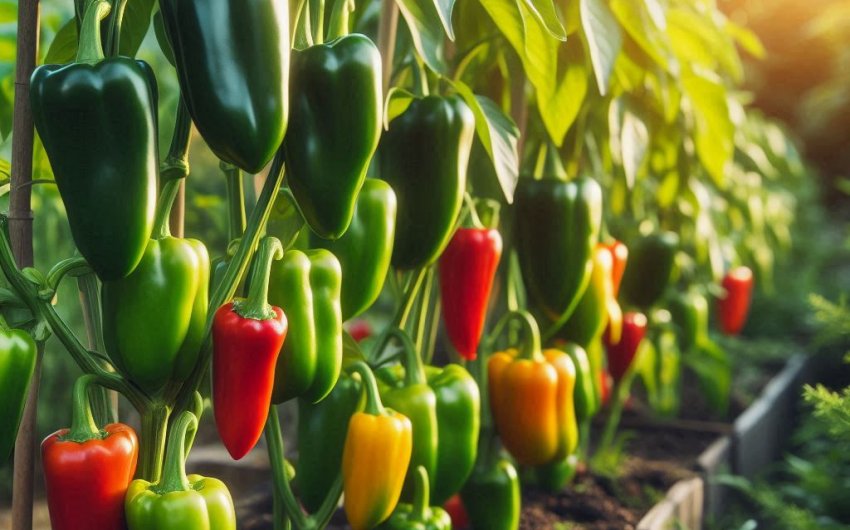
Whether you love the fiery kick of a habanero or the sweet crunch of a bell pepper, growing your own means enjoying fresh, flavorful produce right from your garden. But like many garden vegetables, peppers can sometimes attract unwanted pests. The good news is that you absolutely can grow organic peppers without pesticides, creating a healthy, vibrant harvest that's safe for you, your family, and the environment. Organic pest control for peppers isn't about eradicating every single bug; it's about building a balanced ecosystem where natural predators keep pests in check and your plants are strong enough to resist problems. This guide will walk you through the essential steps to cultivate a thriving, pest-free organic pepper patch.
Why Go Organic and Ditch the Pesticides for Peppers?
Using synthetic pesticides might seem like a quick solution for garden pests, but they come with a hidden cost. For organic gardening, we aim for a different, more sustainable approach.
Protecting Your Health
The most direct benefit is having peppers free from chemical residues. When you grow organically, you eliminate the risk of ingesting harmful chemicals that can linger on conventionally grown produce. This means you can enjoy your peppers straight from the vine with peace of mind.
Nurturing a Healthy Ecosystem
Pesticides don't discriminate. They kill off beneficial insects (like bees, butterflies, ladybugs, and parasitic wasps) just as effectively as they kill pests. These good bugs are crucial for pollination and for keeping pest populations naturally controlled. By going pesticide-free, you create a safe haven for these garden helpers, turning your garden into a balanced, self-regulating ecosystem.
Preserving Soil Health
Synthetic pesticides and chemical fertilizers can harm the microscopic life in your soil, reducing its long-term fertility and resilience. Organic pepper growing focuses on building rich, living soil that naturally supports healthy plant growth, making plants more robust and less attractive to pests.
Protecting Water Resources
Chemicals applied to your garden can wash into storm drains, rivers, and groundwater, polluting aquatic ecosystems and even drinking water sources. Avoiding pesticides means your gardening practices are safe for the wider environment.
Step 1: Start with Strong, Healthy Plants
The first line of defense against pests in an organic pepper garden is to grow strong, vigorous plants. Healthy plants are naturally more resistant to pest attacks and can often bounce back quicker from minor infestations.
Choose the Right Pepper Varieties
- Disease Resistance: Look for pepper varieties that are known to be naturally resistant to common diseases in your area. This information is usually on seed packets or nursery tags.
- Climate Appropriate: Select varieties that thrive in your climate. Peppers love warmth and sun. If your growing season is short, choose early-maturing varieties.
- Certified Organic Seeds/Starts: Always begin with certified organic pepper seeds or organic pepper seedlings. This ensures they haven't been treated with synthetic chemicals from day one. You can find a wide range of organic pepper seeds online.
Provide Ideal Growing Conditions
- Sunlight: Peppers need at least 6-8 hours of full sunlight daily.
- Warmth: They love warm temperatures. Don't plant them out until all danger of frost has passed and night temperatures are consistently above 50°F (10°C). Using a row cover early in the season can give them a warm start.
- Good Air Circulation: Space your plants properly (check seed packet for recommendations) to allow for good airflow, which helps prevent fungal diseases that can weaken plants.
Step 2: Build and Maintain Healthy Soil
This is the cornerstone of all organic gardening, and it's especially important for pest prevention. Healthy soil grows healthy roots, which lead to healthy, resilient plants.
Incorporate Plenty of Organic Matter
- Compost: Before planting, work 2-4 inches of finished organic compost into the top 6-12 inches of your garden beds. This improves soil structure, provides slow-release nutrients, and fosters a thriving soil food web. Regularly top-dress with organic compost throughout the season.
- Aged Manure: Well-rotted manure also enriches the soil and adds nutrients.
- Worm Castings: These are packed with nutrients and beneficial microbes. Add a few shovelfuls around your pepper plants. You can find organic worm castings easily.
Balance Soil pH and Nutrients
- Soil Test: Perform a soil test to understand your soil's pH and nutrient levels. Peppers generally prefer a soil pH between 6.0 and 6.8. A soil test kit is a great tool.
- Balanced Organic Fertilizers: Instead of high-nitrogen synthetic fertilizers (which can lead to lush, tender growth that attracts aphids), use balanced organic fertilizers that provide a steady supply of nutrients. Look for fertilizers with roughly equal N-P-K numbers or slightly higher phosphorus (P) and potassium (K) to encourage flowering and fruiting. A good organic vegetable fertilizer will work well.
- Avoid Over-Fertilizing: Too much of a good thing can attract pests. Follow package directions for any organic fertilizers.
Step 3: Implement Organic Pest Control Strategies (Prevention & Intervention)
This is where you actively work to keep pests away or manage them naturally if they show up.
1. Attract Beneficial Insects: Your Garden's Bodyguards
These are insects that prey on or parasitize common garden pests like aphids, spider mites, and whiteflies. By attracting them, you create a natural pest control army.
How to Attract Them:
- Plant Pollinator-Friendly Flowers and Herbs: Many beneficial insects (ladybugs, lacewings, hoverflies, parasitic wasps) are attracted to small, open, nectar-rich flowers.
- Good choices: Dill, cilantro (let it flower!), fennel (plant in a separate container if you let it go to seed, as it can self-sow aggressively), parsley, sweet alyssum, cosmos, marigolds, and sunflowers. A diverse pollinator seed mix can do wonders.
- Provide Water: A shallow water source with pebbles can be a lifesaver for beneficial insects.
- Avoid All Pesticides: Even "organic" pesticides should be used sparingly, as they can still harm beneficials.
Releasing Beneficial Insects (If Needed):
For a significant pest outbreak, you can purchase and release live beneficial insects, like ladybugs or lacewing larvae. Release them in the evening after watering. You can find live ladybugs and lacewing larvae online.
2. Companion Planting: Smart Plant Neighbors
Certain plants can deter pests or enhance the growth of peppers when planted nearby.
- Basil: Said to improve the flavor of peppers and repel flies and thrips.
- Marigolds (French and African): Known for deterring nematodes (microscopic worms that attack roots) and other soil pests. Plant them around the base of your pepper plants.
- Onions/Garlic/Chives: Their strong scent can confuse and repel a variety of pests, including aphids.
- Nasturtiums: Can act as a "trap crop" for aphids. Plant them near your peppers, and aphids may prefer the nasturtiums, leaving your peppers alone.
- Carrots: Some gardeners report good results planting carrots nearby.
3. Physical Barriers and Traps
Sometimes, a physical barrier is the simplest way to keep pests off your plants.
- Floating Row Covers: For young plants, lightweight floating row covers can protect them from flying insects like flea beetles or cucumber beetles. Remove during flowering to allow for pollination.
- Yellow Sticky Traps: These sticky cards attract and trap flying insects like whiteflies, fungus gnats, and winged aphids. Hang them near your pepper plants. You can find yellow sticky traps online.
- Pest Collars: For cutworms, place a collar (made from cardboard or plastic) around the stem of young pepper plants, extending an inch or two into the soil and above ground.
4. Hand-Picking and Water Blasting
For minor infestations, your hands and a hose are highly effective.
- Regular Inspection: Inspect your pepper plants daily or every few days, checking both top and bottom of leaves.
- Hand-Picking: For larger pests like hornworms or slugs, simply pick them off and drop them into a bucket of soapy water.
- Water Blasting: For aphids and spider mites, a strong blast of water from your hose can dislodge them. Do this in the early morning so leaves dry quickly.
5. Organic Sprays (Last Resort, Targeted Use)
While the goal is to avoid sprays, sometimes a persistent pest needs a bit more. Use these organic options only when necessary and target specific pests.
- Insecticidal Soap: Effective against soft-bodied pests like aphids, spider mites, and whiteflies. It works on contact by disrupting their outer layer. Important: It only kills pests it directly hits. A ready-to-use organic insecticidal soap spray is convenient.
- Neem Oil: A natural botanical insecticide derived from the neem tree. It acts as an anti-feedant, growth regulator, and can smother pests. It's effective against a broad range of pests, including aphids, whiteflies, and spider mites. Apply in the evening to reduce impact on beneficial insects. Look for organic neem oil.
- Bacillus thuringiensis (Bt): This is a naturally occurring bacterium that targets specific caterpillar pests (like hornworms) when they ingest it. It is harmless to humans, pets, and other insects. Use a Bt spray if you see caterpillar damage.
Always read and follow the label instructions carefully for any organic spray, and test on a small area first.
Step 4: Maintenance for Pest-Free Peppers
Ongoing practices contribute to a healthy, pest-resistant garden.
Consistent Watering
Stressed plants are more attractive to pests. Provide consistent moisture to your peppers. As mentioned before, drip irrigation helps a lot.
Mulch Your Plants
A 2-4 inch layer of organic mulch (straw, shredded leaves) around your peppers helps retain soil moisture, suppress weeds (reducing competition), and moderate soil temperature. This creates a healthier environment for your pepper plants.
Rotate Your Crops
Don't plant peppers (or tomatoes, eggplants, potatoes, which are in the same family) in the same spot year after year. This helps break pest and disease cycles that can build up in the soil.
Prune for Airflow
Remove any yellowing or diseased leaves promptly. Prune excess foliage on dense plants to improve air circulation and allow light penetration, which reduces humidity and makes the plant less appealing to some pests.
Growing organic peppers without pesticides is completely achievable and incredibly rewarding. By focusing on creating a thriving garden ecosystem with healthy soil, inviting beneficial insects, and using smart organic strategies, you'll enjoy a bountiful harvest of beautiful, chemical-free peppers, knowing you're doing good for your family and the planet. Happy growing!