
What Are the Best Organic Seeds for Vegetable Gardening?
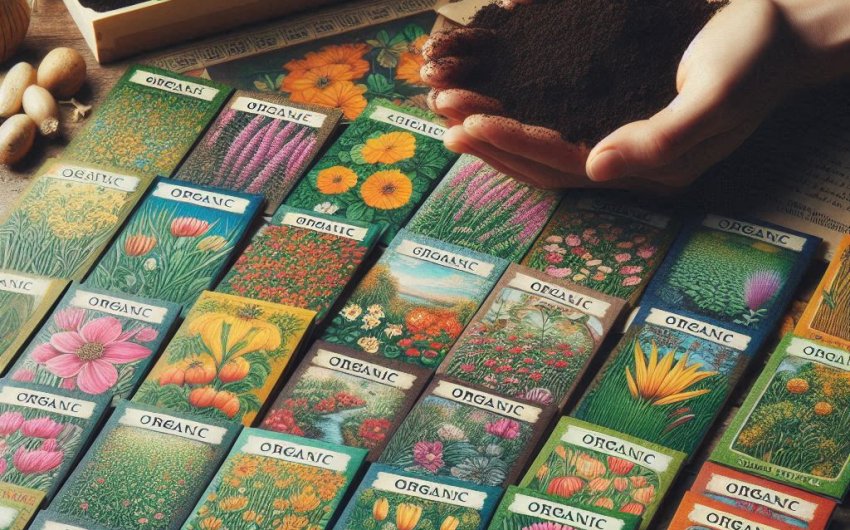
Starting a vegetable garden is an exciting adventure, and for many, the dream is to grow healthy, chemical-free food right from their backyard. This dream begins with a crucial choice: your seeds. If you're committed to organic gardening, then choosing the best organic seeds is your first and most important step. But what does "organic seed" really mean? And with so many options out there, how do you pick the right ones for a thriving, pesticide-free harvest? This guide will break down everything you need to know about selecting the best organic vegetable seeds, ensuring your garden gets off to the healthiest start possible.
Why Choose Organic Seeds for Your Vegetable Garden?
You might wonder, "Aren't all seeds natural? Why pay extra for organic?" The truth is, the journey of a seed can involve various practices that impact its "organic" status and your commitment to chemical-free gardening.
1. No Synthetic Pesticides or Fertilizers
Organic seeds come from plants that were grown in certified organic conditions. This means the parent plants were not sprayed with synthetic pesticides or herbicides, and were nourished with natural organic fertilizers like compost and aged manure. Choosing organic seeds ensures you're not starting your chemical-free garden with a hidden legacy of synthetic inputs.
2. No Genetically Modified Organisms (GMOs)
While GMO vegetable seeds are not widely available to home gardeners, opting for organic seeds offers an extra layer of assurance. Organic certification strictly prohibits GMOs. So, if you choose organic seeds, you can be 100% confident you're planting non-GMO varieties.
3. Supports Sustainable Agriculture
By buying organic seeds, you're supporting seed producers and farmers who are committed to sustainable, environmentally friendly practices. This helps encourage healthier soil, cleaner water, and greater biodiversity on a larger scale.
4. Better Adaptability and Resilience
Plants grown organically tend to be more robust and adaptable. Over generations, organic seed lines can develop better resistance to pests and diseases simply because they haven't been relying on chemical crutches. This translates to stronger, healthier plants in your own organic garden.
Understanding Seed Types: Organic, Heirloom, and Hybrid
When shopping for organic vegetable seeds, you'll come across a few key terms. It's helpful to understand what each means:
1. Organic Seeds
- Definition: As mentioned, these seeds are produced from plants grown under certified organic conditions, meaning no synthetic pesticides, fertilizers, or GMOs.
- Key Takeaway: This is your primary filter when buying for an organic garden. Look for the "USDA Organic" seal or similar organic certification.
2. Heirloom Seeds
- Definition: These are open-pollinated varieties that have been passed down through generations, typically at least 50 years old. They are non-hybrid, meaning if you save seeds from your heirloom plants, they will grow true-to-type (the offspring will be like the parent plant).
- Benefits: Known for unique flavors, colors, and historical significance. Often more adaptable to specific local climates over time.
- Relationship to Organic: An heirloom seed can be organic or non-organic. For an organic garden, always look for organic heirloom seeds. For example, a packet of organic heirloom tomato seeds will give you both benefits.
3. Hybrid Seeds (F1 Hybrids)
- Definition: These seeds are created by crossing two different parent varieties to achieve specific desirable traits (e.g., disease resistance, higher yield, uniform size). They are typically more vigorous and productive than heirlooms.
- Key Trait: Seeds saved from hybrid plants will not grow true-to-type; they will revert to one of the parent plants or produce unexpected results.
- Relationship to Organic: A hybrid seed can also be organic or non-organic. Organic hybrid seeds are bred using traditional crossing methods (no genetic modification) and the parent plants are grown organically.
Which to Choose for Organic Gardening?
- For guaranteed organic practices, always choose seeds clearly labeled organic.
- If you want to save seeds from your plants to grow again next year, choose organic heirloom seeds.
- If you prioritize specific traits like disease resistance or higher yields and don't plan to save seeds, organic hybrid seeds are a great choice.
Key Factors When Selecting the Best Organic Vegetable Seeds
Beyond just being "organic," consider these points to ensure your seeds thrive in your specific garden.
1. Your Climate and Growing Zone
This is perhaps the most critical factor after choosing organic. Every seed packet will have information about the plant's needs.
- Days to Maturity: How long does it take for the plant to produce a harvest? Choose varieties that will mature within your growing season (the time between your last and first frost dates).
- Temperature Requirements: Some plants love cool weather (lettuce, spinach, peas), while others need hot sun (tomatoes, peppers, melons).
- Cold Hardiness/Heat Tolerance: Especially important for specific varieties. For example, some bush bean varieties are more tolerant of heat than others.
2. Space Availability
How much room do you have?
- Compact Varieties: Look for labels like "bush," "dwarf," or "container-friendly" for smaller spaces, raised beds, or patio gardening. Many organic seed companies offer compact versions of popular vegetables.
- Vining vs. Bush: Cucumbers and squash come in vining (spreading, needs more space or trellising) and bush (compact) forms.
- Vertical Growing: Consider pole beans or vining cucumbers if you want to grow up, using stakes or a garden trellis.
3. Pest and Disease Resistance
Even in an organic garden, pests and diseases can be a challenge. Choosing resistant varieties gives you a big head start. Seed packets often use codes (e.g., VFFNT for tomatoes resistant to Verticillium wilt, Fusarium wilt, nematodes, and Tobacco mosaic virus). Look for descriptions like "disease resistant" or "pest tolerant."
4. Flavor and Culinary Use
This is where the fun comes in! Don't just grow the most common variety; explore.
- Taste Descriptions: Many organic seed catalogs provide detailed taste descriptions.
- Purpose: Are you looking for slicing tomatoes, cherry tomatoes, or paste tomatoes? Hot peppers or sweet peppers? Salad greens or cooking greens?
5. Open-Pollinated vs. Hybrid (Revisited for Seed Saving)
If your goal is to save seeds from your harvest to plant next year, you must choose open-pollinated organic seeds (which includes all heirlooms). Hybrid seeds will not produce plants true to the parent.
Top Organic Seed Categories and Recommended Choices
Let's look at some popular vegetable categories and what to consider when picking organic seeds.
1. Leafy Greens (Lettuce, Spinach, Kale, Swiss Chard)
- Key Trait: Fast growers, love nitrogen.
- Consider:
- Bolt Resistance: Especially for lettuce and spinach, choose varieties labeled "slow to bolt" or "heat tolerant" if you have warm springs. Bolting means they go to seed too quickly.
- Cut-and-Come-Again: Many varieties allow you to harvest outer leaves multiple times.
- Organic Seed Choices:
- Lettuce: 'Black Seed Simpson', 'Buttercrunch', 'Parris Island Cos'.
- Spinach: 'Bloomsdale Long Standing', 'Tyee'.
- Kale: 'Lacinato' (Dinosaur), 'Red Russian', 'Tuscan'.
- Swiss Chard: 'Bright Lights' (for color!), 'Fordhook Giant'.
2. Root Vegetables (Carrots, Radishes, Beets)
- Key Trait: Need loose, well-drained soil.
- Consider:
- Soil Type: If your soil is heavy, choose shorter or stump-rooted varieties.
- Disease Resistance: Look for resistance to common root diseases.
- Organic Seed Choices:
- Carrots: 'Danvers 126' (adaptable), 'Nantes' (sweet), 'Thumbelina' (short for heavy soil).
- Radishes: 'Cherry Belle', 'French Breakfast'.
- Beets: 'Detroit Dark Red', 'Bull's Blood' (for greens too!).
3. Fruiting Vegetables (Tomatoes, Peppers, Squash, Cucumbers)
- Key Trait: Love sun, consistent water, and warm temperatures.
- Consider:
- Determinate vs. Indeterminate Tomatoes: Determinate varieties are bushier and produce fruit all at once (good for canning). Indeterminate varieties vine and produce fruit over a longer season (good for fresh eating).
- Disease Resistance: Essential for tomatoes (look for VFFNT codes).
- Bush vs. Vining Squash/Cucumbers: Choose based on your space.
- Organic Seed Choices:
- Tomatoes: 'Brandywine' (Heirloom, great flavor), 'San Marzano' (Paste), 'Sungold' (Cherry, hybrid, very prolific). Look for organic tomato seeds.
- Peppers: 'California Wonder' (Bell), 'Jalapeno M' (Hot), 'Corno di Toro' (Sweet Italian). Check out organic pepper seeds.
- Zucchini/Summer Squash: 'Black Beauty' (bush), 'Yellow Crookneck' (bush).
- Cucumbers: 'Bush Crop' (bush), 'Marketmore 76' (slicing, vining).
4. Beans and Peas
- Key Trait: Nitrogen-fixers (great for soil!), generally easy to grow.
- Consider:
- Bush vs. Pole Beans: Bush beans are self-supporting and produce all at once. Pole beans need support (trellis, pole) but yield over a longer season.
- Snap, Shell, or Dry: Choose based on how you want to use them.
- Organic Seed Choices:
- Bush Beans: 'Provider', 'Contender'.
- Pole Beans: 'Kentucky Wonder', 'Blue Lake'.
- Peas: 'Sugar Snap' (edible pod), 'Green Arrow' (shelling).
Where to Buy the Best Organic Seeds?
- Reputable Online Seed Companies: Many companies specialize in organic seeds, heirlooms, or both. They often have vast selections and detailed descriptions. Look for certifications.
- Local Garden Centers: Increasingly, local nurseries and garden centers carry organic and heirloom seed options. This supports local businesses.
- Seed Exchanges: Local seed swaps can be a great way to find unique, locally adapted heirloom varieties from fellow gardeners committed to organic practices.
Final Tips for Success with Organic Seeds
- Read Seed Packets Carefully: They are packed with vital information: planting depth, spacing, days to maturity, light requirements, and sometimes pest/disease notes.
- Store Seeds Properly: Keep your unused organic seeds in a cool, dark, dry place (like an airtight container in the fridge) to maintain their viability for future seasons.
- Don't Over-Order: Especially as a beginner, it's easy to get excited and buy too many seeds. Start with a manageable amount.
- Practice Good Soil Health: Remember, even the best organic seeds won't thrive in poor soil. Continuously amend your garden with compost and practice good water management.
Choosing the best organic seeds for vegetable gardening is more than just a purchase; it's a commitment to a healthier, more sustainable way of growing food. By starting with strong, chemical-free seeds and nurturing them with organic principles, you'll soon be enjoying a bounty of fresh, delicious produce from a garden that truly thrives in harmony with nature. Happy planting!