
What Are the Ideal Growing Conditions for Boysenberry Plants?
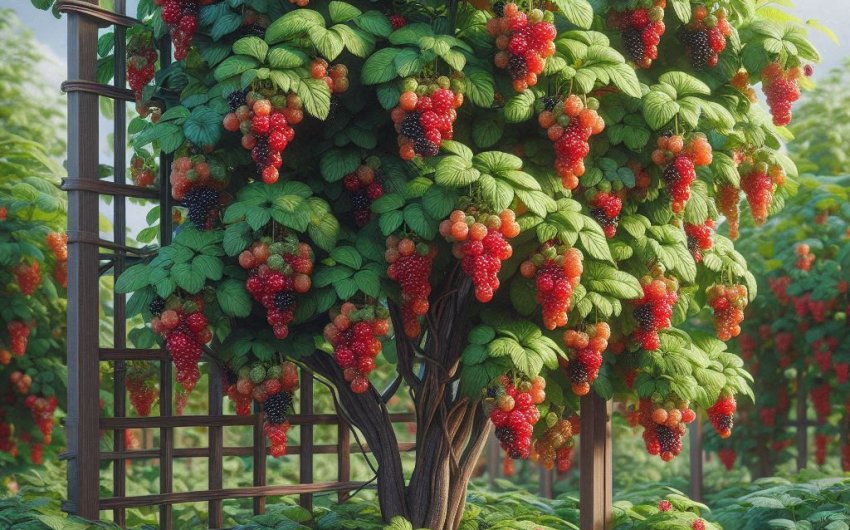
Growing boysenberry plants can be a delightful and rewarding experience, offering a bounty of large, juicy, reddish-purple berries with a unique flavor profile that combines elements of raspberry, blackberry, and loganberry. To achieve a successful harvest and ensure your plants thrive, it's essential to understand what are the ideal growing conditions for boysenberry plants. These brambles, a hybrid berry, have specific requirements regarding climate, soil, sunlight, and ongoing care to produce their best fruit.
What Climate and Hardiness Zones are Best for Boysenberry Plants?
Boysenberry plants, like many bramble fruits, prefer a temperate climate with distinct seasons. Understanding their hardiness requirements is crucial for choosing the right location to grow them.
USDA Hardiness Zones
Boysenberries are generally hardy in USDA Hardiness Zones 5-9. This means they can tolerate winter temperatures down to about -10°F (-23°C), though some varieties might be slightly more cold-tolerant (Zone 5) or prefer warmer winters (Zone 9).
- Zone 5-6: In colder parts of this range, provide winter protection, such as mulching heavily around the crowns or laying canes on the ground and covering them with straw or burlap. This prevents canes from freezing back.
- Zone 7-8: These zones are generally ideal, providing enough chill for good fruit production without extreme winter cold.
- Zone 9: Can be successful, but ensure there's enough chilling hours (see below) and provide some afternoon shade in the hottest parts of summer.
Chilling Hour Requirements
Like many fruit-bearing plants, boysenberries require a certain number of chilling hours (hours below 45°F or 7°C but above 32°F or 0°C) during winter dormancy to properly set fruit in the spring.
- Most boysenberry varieties need approximately 300-500 chilling hours. This makes them suitable for regions with mild to moderate winters.
- Areas with consistently warm winters (e.g., southern Florida or parts of Southern California) may not provide enough chilling hours, leading to poor fruit production.
- In contrast, areas with extremely harsh winters (below Zone 5) might experience cane damage or death even if chilling requirements are met.
Temperature Tolerance
- Winter: Need cold to go dormant but prolonged temperatures much below 0°F (-18°C) can damage canes, especially unprotected ones.
- Spring: Frost protection for new growth and blossoms is important. A late spring frost can damage flowers and reduce the harvest.
- Summer: Thrive in warm summer temperatures for fruit development, ideally between 60°F (15°C) and 80°F (27°C). Extreme heat (above 90°F or 32°C) can stress plants, especially if combined with insufficient water, leading to smaller, sometimes sun-scalded berries. Providing afternoon shade in very hot climates can be beneficial.
Rainfall and Humidity
- Rainfall: Boysenberries prefer consistent moisture but good drainage. Aim for 1 inch (2.5 cm) of water per week through rain or irrigation, especially during fruiting.
- Humidity: Moderate humidity is generally fine. Very high humidity can increase the risk of fungal diseases, while extremely low humidity can stress plants and reduce fruit size. Good air circulation around plants helps.
What are the Ideal Soil Conditions for Boysenberry Plants?
Soil is the foundation for healthy boysenberry plants. Getting the soil right from the start will significantly impact their growth and productivity. Boysenberries are fairly adaptable but perform best in specific conditions.
Soil pH Level
Boysenberry plants thrive in slightly acidic to neutral soil.
- Ideal pH Range: 5.5 to 7.0. A pH of 6.0-6.5 is often considered optimal.
- Why it Matters: Soil pH affects the availability of nutrients to the plant. If the pH is too high (alkaline) or too low (very acidic), boysenberries struggle to absorb essential nutrients, even if they are present in the soil.
- How to Test pH: Use a Soil pH Test Kit to determine your current soil pH.
- Adjusting pH:
- To Raise pH (make less acidic): Add agricultural lime or wood ash.
- To Lower pH (make more acidic): Add elemental sulfur, peat moss, or iron sulfate. Always follow product instructions and retest pH after a few months.
Soil Texture and Drainage
Boysenberries need well-draining soil that retains some moisture but never becomes waterlogged.
- Loamy Soil (Ideal): This is a balanced mix of sand, silt, and clay, offering good drainage, aeration, and moisture retention.
- Heavy Clay Soil: If you have heavy clay, it's crucial to amend it. Clay compacts easily and retains too much water, leading to root rot.
- Amendment: Work in significant amounts of organic matter like compost, well-rotted manure, or peat moss. This improves drainage and aeration. Raised beds can also be an excellent solution for clay soil.
- Sandy Soil: Sandy soil drains too quickly and doesn't hold enough nutrients.
- Amendment: Amend with ample organic matter. Organic matter acts like a sponge, improving water retention and nutrient-holding capacity.
Organic Matter Content
High organic matter content is extremely beneficial for boysenberries.
- Importance: Organic matter improves soil structure, aeration, drainage, and water retention. It also provides a slow release of nutrients as it decomposes.
- Amendment: Before planting, thoroughly incorporate 4-6 inches (10-15 cm) of well-rotted compost, aged manure, leaf mold, or other organic material into the top 12-18 inches (30-45 cm) of soil.
- Ongoing Maintenance: Continue to top-dress with compost annually, or use organic mulches that break down over time.
Soil Depth
Boysenberry plants have a relatively shallow but spreading root system.
- Minimum Depth: Aim for at least 12-18 inches (30-45 cm) of well-drained, amended soil for optimal root development.
- Raised Beds: If your native soil is unsuitable, raised beds at least 12 inches (30 cm) deep are an excellent option, allowing you to create the ideal soil mix.
How Much Sunlight Do Boysenberry Plants Need?
Sunlight is a critical factor for the health and fruit production of boysenberry plants. They are sun-loving plants that need ample light to produce their sweet berries.
Full Sun Requirement
- Definition: "Full sun" for boysenberries means at least 6-8 hours of direct sunlight per day. More sun generally leads to more fruit and sweeter berries.
- Importance:
- Fruit Production: Adequate sunlight is essential for photosynthesis, which powers the plant's growth and, most importantly, the development and ripening of its fruit. Insufficient light will result in fewer berries, smaller berries, and berries that lack full flavor.
- Plant Vigor: Plants grown in full sun are generally more robust and less susceptible to disease.
- Ripening: Sun exposure helps the berries ripen evenly and develop their characteristic dark color and intense flavor.
Consequences of Insufficient Sun
- Reduced Yields: The most noticeable impact is a significantly smaller harvest.
- Poor Flavor: Berries may be smaller, paler, and less sweet.
- Leggy Growth: Plants may become stretched and spindly as they reach for light.
- Increased Disease Risk: Shady, damp conditions can create an environment more conducive to fungal diseases.
Addressing Intense Afternoon Sun
While boysenberries love sun, in regions with very hot summers (e.g., Zones 8-9 and hotter), intense afternoon sun can sometimes be too much.
- Afternoon Shade: In these climates, a location that receives full morning sun but is shaded during the hottest part of the afternoon (e.g., from a nearby building, tree, or temporary shade cloth) can prevent sunscald on berries and reduce plant stress.
- Monitoring: Observe your plants. If leaves are wilting excessively in the heat even when well-watered, or if berries are developing pale or burnt spots, supplemental afternoon shade might be beneficial.
- Sunscald: Sunscald appears as bleached or shriveled areas on the berries, making them unappetizing.
Placement Considerations
- South-Facing: A south-facing location generally provides the most prolonged and intense sunlight in the Northern Hemisphere.
- Avoid Overlapping Shade: Be mindful of nearby trees, buildings, or fences that might cast shade on your boysenberry patch, especially as the sun's angle changes throughout the day and year. Consider the mature size of surrounding plants when choosing your site.
How Much Water Do Boysenberry Plants Need?
Consistent and adequate watering is vital for healthy boysenberry plants and a bountiful harvest, especially during critical growth periods. While they don't like soggy feet, they do need regular moisture.
Consistent Moisture is Key
- Target: Boysenberries require approximately 1 inch (2.5 cm) of water per week, either from rainfall or supplemental irrigation.
- Frequency: The frequency of watering depends on your soil type, climate, and plant size.
- Sandy Soil: May need watering every few days.
- Clay Loam: Might only need watering once a week.
- Hot, Dry Weather: Water more frequently.
- Check Soil Moisture: The best way to determine if your plants need water is to check the soil moisture. Stick your finger about 2-3 inches (5-7.5 cm) deep into the soil near the plant's base. If it feels dry, it's time to water.
- Critical Periods:
- Flowering and Fruit Set: Consistent moisture during this time is crucial for good fruit development.
- Fruit Development and Ripening: Lack of water during this period will result in smaller berries, reduced flavor, and a lower yield.
Watering Methods
- Deep Watering: When you water, water deeply to encourage roots to grow downwards. Shallow watering promotes shallow roots, making the plant more susceptible to drought stress.
- Drip Irrigation/Soaker Hoses: These methods are highly recommended for boysenberries.
- Efficiency: They deliver water directly to the root zone, minimizing evaporation and water waste.
- Disease Prevention: Keeps foliage dry, which reduces the risk of fungal diseases.
- A Drip Irrigation Kit can be a great investment.
- Avoid Overhead Sprinklers (if possible): While overhead sprinklers can work, they wet the foliage, which can encourage fungal diseases, especially in humid climates. If using sprinklers, water in the morning so leaves can dry quickly.
Consequences of Improper Watering
- Underwatering:
- Wilting: Leaves will droop and may turn crispy.
- Reduced Yield: Fewer and smaller berries.
- Poor Berry Quality: Berries may be dry, seedy, and lack flavor.
- Stunted Growth: Overall plant vigor will suffer.
- Overwatering/Poor Drainage:
- Root Rot: The most serious consequence. Roots suffocate and rot in waterlogged soil, leading to plant decline and death.
- Yellowing Leaves: Often a sign of root problems or nutrient deficiencies caused by poor drainage.
- Increased Disease: Soggy conditions favor many fungal and bacterial diseases.
Mulching to Conserve Moisture
Mulch is a valuable tool for maintaining consistent soil moisture.
- Application: Apply a 2-4 inch (5-10 cm) layer of organic mulch (e.g., straw, wood chips, shredded bark, compost) around the base of the boysenberry plants, keeping it a few inches away from the crown to prevent rot.
- Benefits:
- Moisture Retention: Reduces water evaporation from the soil, meaning you water less frequently.
- Weed Suppression: Blocks weed growth, reducing competition for water and nutrients.
- Temperature Moderation: Keeps soil temperatures more stable, protecting roots from extreme heat and cold.
- Soil Improvement: As organic mulch breaks down, it enriches the soil.
How Do I Fertilize Boysenberry Plants for Optimal Growth?
Proper fertilization supports vigorous growth and abundant fruit production for boysenberry plants. However, it's important not to over-fertilize, as this can lead to excessive leafy growth at the expense of berries.
Importance of Soil Testing
Before applying any fertilizer, a soil test is highly recommended.
- Why Test: A soil test reveals your soil's existing nutrient levels and pH, preventing unnecessary or excessive fertilization. Over-fertilizing can be as detrimental as under-fertilizing.
- How to Test: Contact your local agricultural extension office for a soil testing kit and instructions.
General Fertilization Guidelines (if no soil test)
- Initial Planting: When planting new boysenberry plants, incorporate a balanced slow-release granular fertilizer into the planting hole, or amend the soil with plenty of compost and aged manure.
- Established Plants (Annual Fertilization):
- Timing: Fertilize established boysenberry plants in early spring, just as new growth begins to emerge.
- Type: Use a balanced granular fertilizer (e.g., 10-10-10 or 5-10-10 NPK) or one slightly higher in phosphorus and potassium.
- Application:
- Spread the fertilizer evenly around the base of each plant, avoiding direct contact with the canes.
- Follow the manufacturer's recommended application rate, which is typically 4-5 pounds (approx. 1.8-2.3 kg) of 10-10-10 fertilizer per 100 feet (30 meters) of row.
- Lightly scratch the fertilizer into the top inch of soil.
- Water thoroughly immediately after applying fertilizer to help it dissolve and move into the root zone.
- A good all-purpose option is Espoma Garden-tone Organic Plant Food.
Micronutrients and Organic Amendments
- Micronutrients: If your soil test indicates deficiencies in micronutrients (like iron or manganese), select a fertilizer that includes these, or use specific micronutrient supplements.
- Organic Amendments: Continuing to top-dress with compost or well-rotted manure annually provides a slow, steady supply of nutrients and improves soil structure, reducing the need for synthetic fertilizers over time.
- Bone Meal/Rock Phosphate: If phosphorus is low, add bone meal or rock phosphate.
- Greensand/Kelp Meal: If potassium is low, consider greensand or kelp meal.
Symptoms of Nutrient Deficiencies or Excess
- Yellowing Leaves (Chlorosis): Can indicate nitrogen deficiency (overall pale green, especially older leaves), iron deficiency (yellowing between veins, especially on new leaves), or an incorrect soil pH preventing nutrient uptake.
- Stunted Growth: General lack of nutrients.
- Poor Fruit Set/Quality: Can be due to lack of phosphorus or potassium.
- Too Much Nitrogen: If you see lush, green, leafy growth but very few flowers or berries, you might be over-fertilizing with nitrogen. Reduce nitrogen application.
What Trellis Systems and Support Do Boysenberry Plants Need?
Boysenberry plants, being a type of bramble, produce long, often trailing canes that need support to stay healthy, productive, and manageable. A good trellis system is crucial for optimal boysenberry plant growth.
Why Support is Necessary
- Prevents Disease: Keeping canes off the ground improves air circulation, which reduces the risk of fungal diseases by allowing foliage to dry faster.
- Easier Harvesting: Berries are cleaner and easier to pick when elevated.
- Better Sun Exposure: Canes and fruit receive more uniform sunlight exposure, promoting ripening.
- Pest Management: Keeps berries away from ground-dwelling pests.
- Improved Airflow: Good air circulation through the plant helps prevent mildew.
- Manages Growth: Keeps vigorous canes tidy and prevents them from sprawling and becoming an impenetrable thicket.
Common Trellis Systems
Two-Wire Trellis (T-Post System): This is one of the most common and effective systems.
- Posts: Install sturdy posts (wood or metal, at least 6-8 feet or 1.8-2.4 m tall, spaced 15-20 feet or 4.5-6 m apart) at the ends of your row. You can add intermediate posts for longer rows.
- Wires: String two or three strands of high-tensile galvanized wire between the posts.
- Bottom Wire: Approximately 30-36 inches (75-90 cm) above the ground.
- Top Wire: Approximately 5-6 feet (1.5-1.8 m) above the ground.
- Training: As canes grow, gently tie them to the wires using soft plant ties, twine, or clips.
- Consider Galvanized Steel Wire for durability.
Fan Trellis: Suitable for individual plants or shorter rows.
- Support Structure: A sturdy fan-shaped trellis made of wood or metal.
- Training: Canes are tied to the "ribs" of the fan, spreading them out for good air circulation and sun exposure.
H-Trellis (or V-Trellis): A more advanced system for maximizing yield and managing new canes.
- Posts: Two parallel rows of posts are used.
- Crossbar/Wires: A horizontal crossbar (forming an "H" shape) or angled wires (forming a "V" shape) are strung between the posts.
- Training: Fruiting canes are trained to one side or set of wires, and new primocanes (new growth that will fruit next year) are trained to the other side. This separation simplifies pruning and harvesting.
Training Boysenberry Canes
Boysenberries are floricane-fruiting, meaning they produce fruit on canes (floricanes) that grew the previous year (primocanes).
- First Year: Allow canes to grow. Train them along the ground or loosely to the bottom wire. These are primocanes.
- Second Year (Fruiting Year): These primocanes become floricanes and will bear fruit. Train them firmly to your chosen trellis system.
- After Fruiting: Once the floricanes have finished fruiting, they will die. Prune them out completely at the base.
- New Primocanes: Allow new primocanes to grow (usually from the crown) to replace the old ones. Train these new primocanes to the trellis for next year's crop.
Material Considerations for Trellis
- Posts: Pressure-treated wood, galvanized steel T-posts, or strong cedar posts. Ensure they are sunk deep enough to be sturdy.
- Wire: Heavy-gauge (e.g., 9-12 gauge) galvanized steel wire is durable and rust-resistant. Avoid thin string or wire that can cut into canes.
- Ties: Use soft ties that won't girdle or damage the canes as they grow and expand. Fabric strips, twine, or special plant ties work well.
What is the Best Pruning Strategy for Boysenberry Plants?
Pruning is essential for maintaining the health, vigor, and productivity of boysenberry plants. Because they fruit on canes from the previous year, understanding their two-year life cycle is key to effective pruning.
Understanding Cane Life Cycle
Boysenberries are floricane-fruiting, meaning:
- Primocanes: These are the first-year canes. They emerge from the ground or existing crowns in the spring and grow vegetatively throughout the growing season. They do not produce fruit in their first year.
- Floricanes: These are second-year canes. They are the primocanes from the previous year that have overwintered. In their second year, they will produce flowers and fruit. After fruiting, these canes will die.
Annual Pruning Schedule
The main pruning for boysenberries happens after harvest.
Summer Pruning (After Harvest): This is the most important pruning.
- Remove Old Floricanes: Immediately after all the fruit has been harvested (usually late summer), identify the canes that just produced berries (the floricanes). These will typically look woody, perhaps a bit faded, and will not produce again. Cut these spent floricanes all the way down to the ground. This is crucial for redirecting the plant's energy to new growth and preventing disease.
- Tip Prune New Primocanes (Optional): If new primocanes are growing excessively long (e.g., more than 5-6 feet or 1.5-1.8 m), you can "tip prune" them by snipping off the top few inches. This encourages side branching, which can lead to more fruiting wood next year. However, avoid heavy tipping, which can make them too dense.
Winter Pruning (Late Winter/Early Spring - Dormant Season):
- Remove Weak/Damaged Canes: Before new growth starts, inspect the remaining primocanes (which will be next season's floricanes). Remove any canes that are clearly weak, spindly, diseased, or damaged by winter cold.
- Thin Out Canes: Thin the remaining healthy primocanes to about 8-10 of the strongest canes per plant (or per foot of row if growing in a hedge). This ensures good air circulation and light penetration, reducing disease risk and improving fruit quality. Too many canes lead to overcrowding and reduced yields.
- Shorten Canes (if needed): If your canes are still excessively long after thinning and you want to maintain a more manageable size on your trellis, you can shorten them by about 1/4 to 1/3 of their length.
Why Proper Pruning Matters
- Maximizes Yield: Directs the plant's energy to the remaining healthy, fruit-producing canes and new growth.
- Improves Berry Quality: Better air circulation and sun exposure lead to larger, sweeter, and more evenly ripened berries.
- Controls Plant Size: Keeps the vigorous boysenberry canes from becoming an unruly, tangled mess.
- Reduces Disease Risk: Removing dead wood and improving airflow minimizes damp conditions that favor fungal diseases.
- Simplifies Harvest: Makes it easier to find and pick the ripe berries.
Tools for Pruning
- Sharp Pruners: Use bypass pruners for smaller canes and deadheading.
- Loppers: For thicker, woody canes, loppers provide more leverage.
- Gloves: Always wear sturdy gardening gloves, especially if you have thorny varieties.
- Ensure all tools are clean and sharp to make clean cuts and prevent disease transmission.
What are Common Pests and Diseases of Boysenberry Plants and How to Manage Them?
Even with ideal growing conditions, boysenberry plants can sometimes encounter pests and diseases. Early detection and proper management are key to maintaining plant health and a good harvest.
Common Pests
- Spider Mites: Tiny arachnids that suck plant sap, causing leaves to appear stippled (tiny yellow or brown dots) and eventually turn bronze. They thrive in hot, dry conditions and often create fine webbing on the undersides of leaves.
- Management: Strong sprays of water can dislodge them. For severe infestations, use insecticidal soap or neem oil. Good air circulation helps.
- Aphids: Small, soft-bodied insects that cluster on new growth, sucking sap and causing distorted leaves. They excrete sticky honeydew, which can lead to sooty mold.
- Management: Blast off with water. Introduce beneficial insects like ladybugs. Use insecticidal soap or neem oil.
- Cane Borers: Larvae of certain beetles or moths tunnel into boysenberry canes, causing them to wilt, die back, or become stunted.
- Management: Prune out and destroy affected canes immediately, cutting below the point of damage. Maintain plant vigor to resist attacks.
- Japanese Beetles: These metallic-green and bronze beetles skeletonize leaves, leaving behind only the veins.
- Management: Hand-picking in the early morning is effective for small infestations. Use floating row covers to exclude them. For severe cases, specific insecticides may be necessary, but use carefully to protect pollinators.
Common Diseases
- Anthracnose: A fungal disease causing purplish spots on canes, leaves, and sometimes fruit. Spots enlarge and develop gray centers. Canes may crack, and fruit can shrivel.
- Management: Good air circulation through proper spacing and pruning. Remove and destroy infected canes. Use a dormant season fungicide application (e.g., lime sulfur) if severe. Choose resistant varieties if available.
- Botrytis Fruit Rot (Gray Mold): A common fungal disease that causes a fuzzy gray mold on ripening fruit, especially in cool, wet, or humid conditions.
- Management: Improve air circulation by proper pruning and spacing. Harvest ripe fruit promptly. Avoid overhead watering when fruit is present. Remove any rotting fruit.
- Verticillium Wilt: A soil-borne fungal disease that causes wilting, yellowing, and eventual death of canes, often starting on one side of the plant.
- Management: No cure once infected. Plant in disease-free soil and avoid planting boysenberries in areas where susceptible plants (like tomatoes, peppers, or strawberries) have previously suffered from Verticillium wilt. Choose resistant varieties if available. Remove and destroy infected plants.
- Cane Blight: A fungal disease causing dark lesions on canes, often at pruning wounds or where canes are tied too tightly. Can lead to cane dieback.
- Management: Prune in dry weather to allow wounds to heal quickly. Make clean cuts. Avoid over-fertilizing with nitrogen. Good air circulation.
General Disease and Pest Prevention
- Choose Healthy Plants: Start with disease-free nursery stock.
- Proper Site Selection: Ensure excellent drainage, full sun, and good air circulation.
- Sanitation: Remove and destroy any fallen leaves, diseased canes, or mummified fruit, especially in fall. Do not compost diseased plant material.
- Pruning: Follow proper pruning guidelines to improve air circulation and remove diseased or pest-infested canes.
- Watering: Use drip irrigation or soaker hoses to keep foliage dry. If using overhead sprinklers, water in the morning.
- Weed Control: Keep the area around plants weed-free to reduce competition and improve airflow.
- Monitoring: Regularly inspect your plants for early signs of pests or diseases. Catching problems early makes them easier to manage.
By providing the ideal growing conditions for boysenberry plants and staying vigilant against potential issues, you can enjoy a robust patch and plentiful harvests of these delicious berries for years to come.