
What Are the Ideal Growing Conditions for Huckleberry Plants?
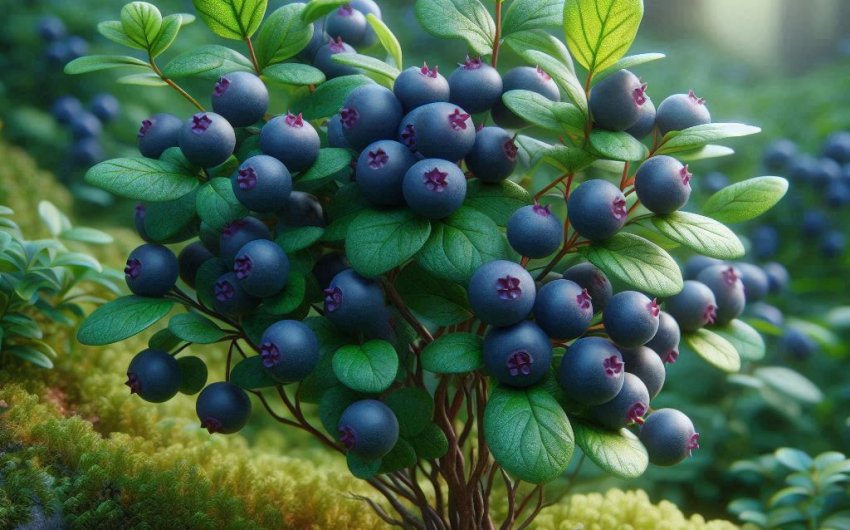
Foraging for wild berries brings a unique delight, and the elusive huckleberry, with its sweet-tart flavor and rich history, holds a special place in the hearts of many. While often associated with native landscapes, cultivating these beloved berries in your own garden is an increasingly popular endeavor for home growers. If you're curious about what are the ideal growing conditions for huckleberry plants, you're embarking on a journey into understanding the precise environmental factors that allow these sometimes-fussy, but incredibly rewarding, plants to thrive. This comprehensive guide will delve into everything from the crucial soil pH to their specific light and water needs, ensuring your huckleberry patch flourishes and yields bountiful harvests.
What type of plant is a huckleberry?
Before delving into what are the ideal growing conditions for huckleberry plants, it's important to understand that "huckleberry" isn't a single plant, but a common name for several small shrubs in the Vaccinium and Gaylussacia genera, both of which are members of the Ericaceae family, the same family as blueberries and cranberries.
What are the main types of huckleberry plants?
The specific type of huckleberry you are growing will slightly influence its ideal conditions, though many requirements are shared across the family.
- Black Huckleberry (Gaylussacia baccata):
- Native Range: Eastern North America.
- Characteristics: Typically grows 1-3 feet tall. Berries are shiny black with 10 large seeds, offering a sweeter flavor than some other huckleberries. Foliage turns vibrant red in fall.
- Growing Habits: Forms dense colonies.
- Mountain Huckleberry (Vaccinium membranaceum):
- Native Range: Western North America (Rocky Mountains to Pacific Northwest).
- Characteristics: Can grow up to 6 feet tall or more in ideal conditions. Berries are dark purple to black, juicy, and relatively large, with a rich, sweet-tart flavor. Fewer, smaller seeds than Gaylussacia.
- Growing Habits: Often found at higher elevations.
- Red Huckleberry (Vaccinium parvifolium):
- Native Range: Pacific Northwest.
- Characteristics: Smaller shrub, typically 3-10 feet tall, with bright red, tart berries. Often grows as an epiphyte on nurse logs in the wild.
- Growing Habits: Found in moist, shaded forest understories.
- Dwarf Huckleberry (Gaylussacia dumosa):
- Native Range: Southeastern US.
- Characteristics: Small, low-growing shrub, less than 2 feet tall, with blue-black berries.
- Growing Habits: Often found in sandy, well-drained soils.
What distinguishes huckleberries from blueberries?
While closely related and often confused, there are a few key differences:
- Seeds: The most common distinction is the presence of noticeable, crunchy seeds in huckleberries (especially Gaylussacia species), while blueberries have very small, soft, unnoticeable seeds.
- Fruit Color: Many huckleberries are black or dark purple, while blueberries are typically blue.
- Habitat: Huckleberries are more exclusively wild or woodland plants, often found in challenging, acidic, and sometimes poorer soils, while cultivated blueberries are often bred for more adaptable garden conditions.
What soil conditions do huckleberry plants need?
The soil is arguably the most critical factor in what are the ideal growing conditions for huckleberry plants. These plants are very particular about their substrate.
Why do huckleberries require acidic soil?
Like their blueberry cousins, huckleberry plants are acid-loving plants and require a very specific, low pH range to thrive.
- Optimal pH: The ideal soil pH range for most huckleberries is 4.5 to 5.5. Anything above 6.0 can severely hinder their growth.
- Nutrient Availability: In acidic soil, essential nutrients like iron and manganese are more readily available to the plants. In neutral or alkaline soil, these nutrients become "locked up," leading to deficiencies even if they are present.
- Signs of high pH: Yellowing leaves (chlorosis), particularly between the veins, and stunted growth.
How do I achieve and maintain acidic soil?
- Soil Test: Before planting, conduct a soil test kit for garden pH to determine your existing soil pH. This is non-negotiable.
- Amendments for Acidity:
- Elemental Sulfur: Mix granular elemental sulfur for plants into the soil. It works slowly, so apply it several months before planting.
- Sphagnum Peat Moss: Incorporate large amounts of acidic sphagnum peat moss into the planting area. This is a common and effective way to lower pH.
- Pine Needles/Pine Bark: Incorporating pine needles or composted pine bark can help maintain acidity over time as they decompose.
- Avoid Liming: Do not add lime to the soil, as this increases pH.
- Fertilizer Choice: Use fertilizers formulated for acid-loving plants (see the fertilization section below).
What about soil texture and drainage?
Huckleberry plants need soil that is both well-draining and consistently moist, mimicking their natural woodland habitat.
- Well-draining: They hate "wet feet." Soil that remains soggy will lead to root rot.
- Rich in organic matter: Organic matter improves drainage in heavy soils and improves water retention in sandy soils.
- Ideal Composition: A mix of acidic forest soil, sand, and plenty of organic matter like composted pine bark, peat moss, or leaf mold is often recommended. If planting in containers, use a specialized acid-loving plant potting mix.
How much sun and water do huckleberry plants need?
Beyond soil, the amount of light and water your huckleberry plants receive are crucial factors for their health and fruit production.
What is the ideal light exposure for huckleberries?
- Partial Shade (Western Huckleberries): Many western huckleberry species (Vaccinium types), especially those found in forest understories, prefer partial shade (4-6 hours of sun, preferably morning sun with afternoon shade). Too much intense afternoon sun can scorch their leaves, particularly in hot climates.
- Full Sun to Partial Shade (Eastern Huckleberries): Eastern huckleberry species (Gaylussacia) can often tolerate more sun, thriving in full sun (6+ hours of direct sun) to partial shade.
- Balance: The goal is usually morning sun with afternoon shade, especially in warmer climates, or dappled shade throughout the day. Too much shade will reduce flowering and fruiting.
What are the watering requirements for huckleberries?
Huckleberries need consistent moisture, especially during dry spells and when fruits are developing.
- Consistency: The soil should be consistently moist but never soggy.
- Deep Watering: When you water, water deeply to encourage deep root growth.
- Monitoring: Check the soil moisture regularly, particularly during hot, dry periods. The top 1-2 inches should feel slightly moist.
- Mulch: Apply a 2-4 inch layer of acidic mulch like pine needles or pine bark around the base of the plants. This helps retain soil moisture, suppress weeds, and slowly acidify the soil as it decomposes.
Do huckleberries need humidity?
While not as critical as soil pH or light, many huckleberry plants, especially those native to humid forest regions, appreciate some atmospheric humidity. In very dry climates, supplemental humidity (misting or placing near other plants) can be beneficial, but proper watering is usually more impactful.
What are the fertilization and pruning needs of huckleberry plants?
Even with ideal soil, light, and water, huckleberry plants benefit from specific fertilization and pruning techniques to encourage healthy growth and fruit production.
How do you fertilize huckleberry plants?
- Acid-Loving Fertilizers: Always use a fertilizer specifically for acid-loving plants (like those for blueberries, azaleas, or rhododendrons). These fertilizers are formulated to provide nutrients at an acidic pH and often contain ammonium sulfate or urea, which help maintain low pH.
- Organic Options: Organic cottonseed meal for acid-loving plants or blood meal can also provide nitrogen and help acidify the soil over time.
- Timing: Fertilize sparingly in early spring as new growth begins. Too much fertilizer can burn roots or reduce fruit production.
- Symptoms of Deficiency: Yellowing leaves (especially if veins remain green, indicating iron chlorosis) are a common sign of nutrient deficiency due to high pH.
How do you prune huckleberry plants?
Pruning helps maintain plant health, shape, and promotes better fruit production.
- When to Prune: The best time for pruning is late winter to early spring, when the plant is dormant and before new growth begins.
- Remove Dead/Diseased Wood: Cut out any dead, damaged, or diseased branches as soon as you notice them.
- Thinning: Thin out weak, crossing, or overcrowded branches to improve air circulation and light penetration into the center of the plant.
- Rejuvenation Pruning: For older, less productive plants, you can selectively remove a few of the oldest, thickest stems right down to the ground. This encourages new, more vigorous growth from the base.
- Shape and Size: Prune to maintain a manageable size and shape, especially if growing in containers.
- Fruit Production: Most huckleberries fruit on wood that is 2-4 years old. Avoid cutting back all older wood during pruning.
Do huckleberries need cross-pollination?
Most huckleberry plants are considered self-fertile, meaning a single plant can produce fruit. However, planting multiple varieties or even multiple individual plants can often lead to a greater fruit set and larger yields due to increased cross-pollination. This isn't strictly necessary but can be beneficial.
What are common problems when growing huckleberry plants?
Even with the best intentions, huckleberry plants can sometimes present challenges. Knowing these common issues helps in successful cultivation.
Why are my huckleberry leaves turning yellow (chlorosis)?
Yellowing leaves with green veins (chlorosis) is the most common sign of distress in huckleberry and is almost always due to iron deficiency, which itself is usually caused by high soil pH.
- Cause: At a pH above 5.5-6.0, iron (and sometimes manganese) becomes unavailable to the plant, even if it's present in the soil.
- Fix:
- Lower pH: This is the long-term solution. Re-test soil pH and amend with elemental sulfur or peat moss.
- Chelated Iron: For a quicker, temporary fix, apply a chelated iron supplement for acid-loving plants as a foliar spray or drench.
What causes poor fruit production?
- Insufficient Sun: Not enough direct sunlight is the leading cause of poor flowering and fruiting.
- Improper Pruning: Pruning off too much of the fruiting wood (older stems) can reduce yield.
- Nutrient Imbalance: Too much nitrogen can lead to lush leafy growth at the expense of berries.
- Inconsistent Watering: Stress from too little or too much water can inhibit flowering and fruiting.
- Lack of Pollinators: While often self-fertile, a lack of bees or other pollinators can reduce yields. Encourage local pollinators by planting other pollinator-friendly flowers.
What pests or diseases affect huckleberry plants?
Compared to many other fruit crops, huckleberries are relatively resistant.
- Pests:
- Aphids: Small, soft-bodied insects that suck sap from new growth.
- Treatment: Spray with strong stream of water or insecticidal soap.
- Birds: Birds love ripe huckleberries!
- Prevention: Cover plants with bird netting for fruit trees when berries begin to ripen.
- Aphids: Small, soft-bodied insects that suck sap from new growth.
- Diseases:
- Root Rot: Almost always caused by overly wet or poorly draining soil.
- Prevention: Ensure excellent drainage and avoid overwatering.
- Fungal Leaf Spots: Can occur in very humid or wet conditions with poor air circulation.
- Prevention: Improve air circulation through pruning, avoid overhead watering, or use a copper fungicide for berries if severe.
- Root Rot: Almost always caused by overly wet or poorly draining soil.
Understanding what are the ideal growing conditions for huckleberry plants is the first, crucial step toward successfully cultivating these delightful berries in your home garden. While they demand specific soil acidity and a balance of sun and moisture, meeting these requirements will reward you with thriving shrubs and the unmatched satisfaction of harvesting your very own sweet-tart huckleberries, whether for fresh eating, baking, or preserving.