
What Are the Ideal Growing Conditions for Honeyberry Plants?
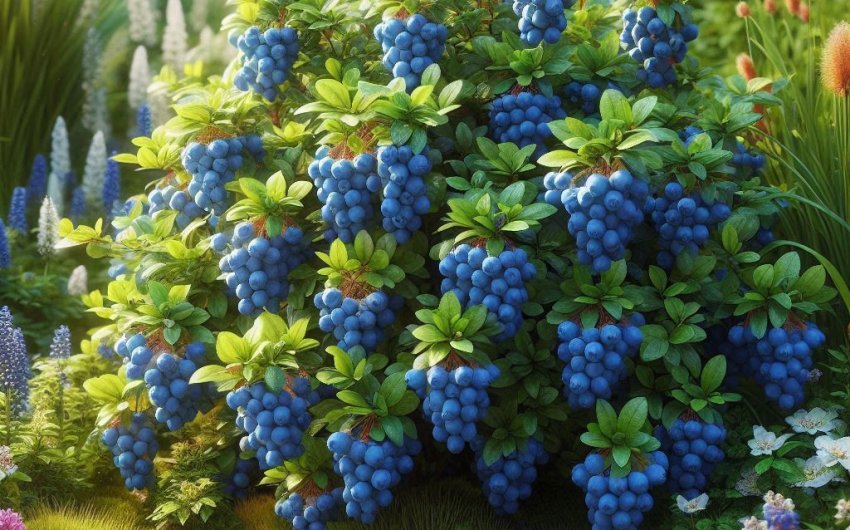
The ideal growing conditions for honeyberry plants involve cool climates with sufficient chilling hours, full to partial sun exposure, and well-draining, slightly acidic to neutral soil. They are remarkably hardy shrubs that produce unique, elongated berries resembling blueberries, often ripening earlier than most other fruits.
What Climate is Best for Honeyberry Plants?
Honeyberry plants ( Lonicera caerulea ), also known as Haskap berries, are cold-hardy deciduous shrubs that thrive in temperate to cold climates. Their native range includes boreal forests and wetlands of the northern hemisphere, indicating a preference for cooler temperatures. They are particularly well-suited for regions with distinct winters.
Understanding Honeyberry Climate Needs
- Cold Hardiness: Honeyberries are incredibly cold hardy, tolerating winter temperatures down to USDA Hardiness Zone 2 (-50°F or -45°C). This makes them an excellent choice for northern gardeners where other fruits struggle.
- Chilling Hours: They require a significant chilling period during winter to break dormancy and set fruit. Most varieties need between 800-1200 hours below 45°F (7°C). This is why they perform poorly in warmer, southern climates that lack sufficient cold.
- Heat Tolerance: While cold-hardy, honeyberries are less tolerant of extreme heat. Prolonged periods of temperatures consistently above 85°F (29°C) can stress the plants, reduce fruit set, and even cause dormancy. In hot climates, partial shade during the hottest part of the day can be beneficial.
- Early Blooming: Honeyberries are one of the earliest plants to flower in spring, often blooming even before the last frost. Their flowers are remarkably tolerant of light frosts (down to about 20°F or -6°C), which is a huge advantage for early fruit production.
- Spring Frost Risk: While flowers are tolerant, a severe hard frost after bloom can damage very young fruit. Selecting later-blooming varieties can mitigate this risk in areas prone to late spring frosts.
Overall, the ideal climate for honeyberry plants is one with cold, distinct winters and relatively mild summers, mimicking their natural habitat in northern regions.
How Much Sunlight Do Honeyberry Plants Need?
Honeyberry plants thrive and produce the most fruit when exposed to ample sunlight. While they can tolerate some shade, full sun is generally the preferred condition for optimal growth and fruit yield.
Sunlight Requirements for Honeyberries
- Full Sun (6+ hours direct sun): This is the ideal condition for honeyberry plants. In full sun, they will produce the most flowers and, consequently, the largest and sweetest harvests of berries. Intense sunlight also helps in the development of the berries' rich flavor.
- Partial Sun (4-6 hours direct sun): Honeyberries can tolerate partial sun, especially in warmer climates where protection from intense afternoon sun can prevent stress. However, plants in partial sun may have slightly reduced fruit yields and the berries might not be as sweet.
- Shade: Honeyberries will not perform well in full shade (less than 4 hours direct sun). In shaded conditions, they will become leggy, produce very few flowers, and consequently, very little to no fruit. The fruit that does develop in shade may also be less flavorful.
When planning your honeyberry patch, aim for a location that receives morning sun and some afternoon shade if you are in a particularly hot climate, or full sun if you are in a cooler northern region. This balance helps the plants photosynthesize efficiently while avoiding heat stress.
What is the Best Soil for Honeyberry Plants?
The right soil conditions are crucial for the health and productivity of honeyberry plants. They are not overly fussy but perform best in soil that offers good drainage, adequate fertility, and a specific pH range.
Ideal Soil Characteristics for Honeyberries
- Well-Draining: This is perhaps the most critical factor. Honeyberry roots are susceptible to root rot in waterlogged conditions. They need soil that allows excess water to drain away freely.
- If you have heavy clay soil, amend it generously with organic matter such as compost, well-rotted manure, or peat moss to improve drainage and aeration. Raised beds are also an excellent option for areas with poor drainage.
- Rich in Organic Matter: Honeyberries benefit from fertile soil. Incorporating organic matter improves soil structure, water retention (in well-draining soil), and provides a slow release of nutrients.
- Slightly Acidic to Neutral pH: Honeyberries prefer a soil pH range of 5.5 to 7.0. This is similar to many other berry plants, though they are often more tolerant of neutral pH than blueberries, which prefer more acidic conditions.
- A soil test kit (like Luster Leaf Rapitest Soil Test Kit) can help you determine your current soil pH.
- If your soil is too alkaline, you can lower the pH by adding elemental sulfur or peat moss. If it's too acidic, add horticultural lime. Make amendments in the fall or spring before planting.
- Loamy Texture: Loamy soil (a mix of sand, silt, and clay) with good structure is ideal, as it balances drainage, moisture retention, and nutrient availability.
Before planting honeyberry plants, prepare the soil thoroughly. Dig in plenty of organic matter, and if necessary, adjust the pH to create the optimal environment for strong root development and bountiful harvests.
How Important is Pollination for Honeyberry Plants?
Pollination is absolutely essential for honeyberry plants to produce fruit. While they are not entirely self-fertile, their fruit production dramatically increases with cross-pollination. This means you need more than one variety to get a good harvest.
Understanding Honeyberry Pollination Needs
- Cross-Pollination Required: Honeyberries are not self-fertile in a practical sense. While a single plant might produce a few berries, you will get very little to no fruit unless you plant at least two different, genetically compatible varieties that bloom at roughly the same time.
- Why Two Varieties? Having two different varieties ensures that pollen from one variety can pollinate the flowers of another, leading to successful fertilization and fruit development. This genetic diversity boosts the yield significantly.
- Matching Bloom Times: It's crucial to select varieties that have overlapping bloom times. Some honeyberry varieties bloom early, others mid-season, and some late. Ensure your chosen varieties will be flowering concurrently.
- Many nurseries will list recommended pollinator partners for specific varieties (e.g., 'Borealis' with 'Tundra', or 'Aurora' with 'Borealis', 'Tundra', or 'Honeybee').
- Pollinators: Honeyberry flowers are primarily pollinated by bees, including honeybees and various native bee species. The flowers are small, often pale yellow or white, and produce nectar attractive to these insects.
- To encourage bee activity, avoid using pesticides during bloom time and consider planting other bee-friendly flowers nearby.
- Wind Pollination (Minor Role): While bees are the primary vectors, some limited wind pollination may occur, but it is not sufficient for a good crop.
The takeaway: When planning your honeyberry plant patch, always purchase at least two different varieties known to be good cross-pollinators for each other. This is the single most important factor for maximizing your honeyberry yield.
What Are the Watering and Fertilizing Needs of Honeyberry Plants?
Proper watering and thoughtful fertilization are key to maintaining healthy honeyberry plants and ensuring a productive harvest. While they are relatively low-maintenance, consistent care in these areas will yield better results.
Watering Honeyberry Plants
- Consistent Moisture: Honeyberries prefer consistently moist soil, especially during their establishment phase (the first 1-2 years after planting) and during fruit development.
- Avoid Waterlogging: While they like moisture, good drainage is paramount. They will not tolerate soggy, waterlogged conditions, which can lead to root rot.
- Watering Frequency:
- Newly Planted: Water regularly, 2-3 times a week, to keep the soil consistently moist until established.
- Established Plants: Aim for about 1 inch of water per week (from rain or irrigation), especially during dry spells and from flowering through harvest. Check soil moisture by feeling a few inches down.
- Summer Heat: During periods of extreme heat, increase watering frequency.
- Watering Method: Drip irrigation or soaker hoses are ideal. They deliver water directly to the root zone, minimize evaporation, and keep foliage dry, which can help prevent fungal diseases. Overhead watering can be acceptable but is less efficient.
- Mulching: A 2-4 inch layer of organic mulch (like wood chips, shredded bark, or straw) around the base of the plants is highly beneficial. Mulch helps:
- Retain soil moisture
- Suppress weeds
- Regulate soil temperature
- Slowly add organic matter to the soil as it breaks down. Keep mulch a few inches away from the plant's stem.
Fertilizing Honeyberry Plants
- Moderate Feeder: Honeyberries are not heavy feeders. Over-fertilization can harm the plants.
- First Year: Avoid fertilizing newly planted honeyberries. Allow their root systems to establish naturally. If your soil was amended with compost, that's usually enough.
- Established Plants (Year 2 onwards):
- Timing: Apply fertilizer in early spring as new growth begins, before flowering.
- Type: Use a balanced granular fertilizer (e.g., 10-10-10) or one slightly higher in phosphorus and potassium for fruit production (e.g., 5-10-10 or 4-12-12).
- Organic Options: Organic gardeners can use compost, well-rotted manure, or an organic berry fertilizer (like Espoma Berry-tone Organic Plant Food).
- Application: Apply the fertilizer according to package directions, typically around the drip line of the plant (the outer edge of the branches) and gently scratch it into the soil.
- Soil Test: A soil test every few years is the best way to determine precise nutrient deficiencies and avoid unnecessary fertilization.
By providing consistent moisture and thoughtful, moderate fertilization, your honeyberry plants will thrive and produce bountiful harvests of delicious, early-season berries.
How Do I Prune Honeyberry Plants for Best Production?
Pruning honeyberry plants is essential for maintaining their health, vigor, and ensuring consistent fruit production. Unlike many other fruit bushes, honeyberries are relatively low-maintenance in terms of pruning, but understanding their growth habit is key.
Honeyberry Pruning Guidelines
Honeyberry plants produce fruit primarily on older wood, typically canes that are 2-5 years old. Younger wood (current season's growth) may produce some fruit, but the highest yields are on more mature wood.
- When to Prune: The best time to prune honeyberries is during their dormant season, typically late winter or early spring (February-March) before new growth begins. You can also do light pruning immediately after harvest if necessary, but dormant pruning is preferred for major cuts.
- Tools: Use clean, sharp pruning shears (like Fiskars Bypass Pruning Shears) and loppers for thicker branches. Sterilize your tools with rubbing alcohol or a bleach solution before and after use to prevent disease spread.
Steps for Pruning Honeyberry Plants
Remove Dead, Damaged, or Diseased Wood:
- Start by identifying and cutting out any canes that are clearly dead, broken, or show signs of disease (discoloration, cankers). Cut these back to the ground or to healthy wood. This is crucial for plant health.
Remove Weak or spindly Canes:
- Identify any very thin, weak, or spindly canes that are unlikely to produce well. Remove these at the base to direct the plant's energy towards stronger, more productive canes.
Thin Out Oldest Canes (Renewal Pruning):
- Honeyberries are long-lived, but their production on individual canes declines after about 5-7 years.
- Each year, remove 1-3 of the oldest, thickest, and least productive canes right down to the ground. This "renewal pruning" encourages new, vigorous growth from the base, which will become productive in subsequent years.
- Look for canes that are woody, gnarled, or have sparse branching.
- The goal is to maintain a mix of young, middle-aged, and some older productive canes. Aim for about 6-10 main productive canes per mature bush.
Improve Air Circulation and Shape (Optional Light Pruning):
- If the bush is very dense, you can lightly thin out some of the crossing or inwardly growing branches to improve air circulation. Good air circulation helps prevent fungal diseases.
- You can also tip-prune (snip off the very ends) some vigorous new growth to encourage branching, which can lead to more fruit over time.
Pruning Frequency
- First 2-3 Years: Little to no pruning is needed, except to remove any dead or damaged wood. Allow the plants to establish a strong framework.
- Years 3-5+ (Mature Plants): Begin the annual renewal pruning as described above to maintain vigor and productivity.
Regular, thoughtful pruning will ensure your honeyberry plants remain healthy, productive, and a valuable source of delicious, early-season fruit for many years.
What are Common Pests and Diseases of Honeyberry Plants?
While honeyberry plants are generally quite robust and resistant to many common fruit diseases, they can still be susceptible to a few pests and diseases. Early detection and proper management are key to keeping your plants healthy and productive.
Common Pests of Honeyberries
- Birds: By far the most common "pest" for honeyberries! Birds adore the early-ripening, sweet berries and can decimate a crop quickly.
- Management: The most effective method is netting the bushes as soon as the berries begin to ripen. A Bird Netting for Fruit Trees can be draped over plants or supported by a simple frame. Other deterrents like shiny objects or scarecrows are less effective.
- Aphids: Small, soft-bodied insects that cluster on new growth and suck plant sap. They can cause distorted leaves and sticky honeydew.
- Management: Blast with a strong stream of water, use insecticidal soap, or encourage natural predators like ladybugs.
- Powdery Mildew: A fungal disease that appears as white, powdery patches on leaves and stems.
- Management: Ensure good air circulation through proper spacing and pruning. Use resistant varieties if possible. In severe cases, organic fungicides like neem oil or sulfur can be used.
- Root Weevils: Larvae can feed on roots, causing stunted growth, while adult weevils can notch leaves.
- Management: Maintain healthy plants. In severe cases, beneficial nematodes can be applied to the soil to control larvae.
- Spittlebugs: Produce a frothy, "spit-like" mass on stems, protecting small insects inside. Generally harmless to the plant's health.
- Management: Can be washed off with a strong spray of water if desired.
- Japanese Beetles: These metallic green and copper beetles can skeletonize leaves. More common in regions where they are prevalent.
- Management: Hand-pick and drop into soapy water. Use row covers on young plants. Avoid beetle traps as they can attract more beetles to your garden.
Common Diseases of Honeyberries
Honeyberries are generally quite disease resistant, especially compared to some other berry crops.
- Fungal Diseases (e.g., Anthracnose, Leaf Spot): Can occasionally occur, especially in humid conditions or if air circulation is poor. Symptoms include spots on leaves, cankers on stems, or premature leaf drop.
- Management: Ensure good air circulation through proper spacing and pruning. Remove and dispose of infected plant parts. In severe cases, apply appropriate organic fungicides.
- Viral Diseases: Less common but can occur. Symptoms often include distorted leaves, stunted growth, and reduced fruit.
- Management: There is no cure for viral diseases. Remove and destroy infected plants to prevent spread. Always buy certified disease-free plants from reputable nurseries.
General Prevention and Management Tips
- Choose Healthy Plants: Start with disease-free plants from reputable sources.
- Proper Site Selection: Plant in full sun with well-draining soil to reduce plant stress.
- Good Air Circulation: Space plants appropriately and prune to ensure good airflow.
- Cleanliness: Remove fallen leaves and plant debris to reduce overwintering sites for pests and diseases.
- Watering: Water at the base of the plant to keep foliage dry, especially if fungal issues are a concern.
- Monitor Regularly: Inspect your plants frequently for any signs of pests or diseases. Early detection makes control easier.
By proactively monitoring your honeyberry plants and implementing these integrated pest and disease management strategies, you can minimize issues and ensure a healthy, productive harvest.
What Are the Benefits of Growing Honeyberry Plants?
Growing honeyberry plants offers a unique set of advantages for home gardeners, making them an increasingly popular choice for edible landscapes, especially in cooler climates. Their early harvest, hardiness, and nutritional value are significant benefits.
Advantages of Cultivating Honeyberries
- Extremely Cold Hardy: Honeyberries are among the most cold-tolerant fruit plants, thriving in USDA Zones 2-7. This makes them ideal for gardeners in northern regions where other fruits struggle with severe winters.
- Early Fruit Production: They are one of the earliest berries to ripen, often ready for harvest in late spring to early summer, even before strawberries in some areas. This provides a welcome fresh fruit treat when other plants are just getting started.
- Frost-Tolerant Flowers: Their early-blooming flowers are remarkably tolerant of spring frosts, meaning fewer worries about losing a crop to a late cold snap.
- Delicious and Unique Flavor: Honeyberries offer a distinctive sweet-tart flavor, often described as a mix between a blueberry, raspberry, and blackcurrant, with a unique tang. This makes them a versatile culinary fruit.
- High Nutritional Value: They are packed with antioxidants (especially anthocyanins), Vitamin C, and dietary fiber, contributing significantly to a healthy diet.
- Low Maintenance: Once established, honeyberry plants are relatively low-maintenance. They require minimal pruning, are not prone to many severe pests or diseases (aside from birds), and are adaptable to various soil conditions (as long as drainage is good).
- Compact Bush Size: Most honeyberry varieties grow into compact, upright shrubs, typically 3-6 feet tall and wide. This makes them suitable for smaller gardens, hedgerows, or even large containers.
- Attract Pollinators: Their early spring flowers provide an important nectar source for early-season bees and other pollinators, supporting local biodiversity.
- Versatile Use: The berries can be eaten fresh, frozen, or used in jams, jellies, pies, smoothies, and baked goods. Their unique flavor lends itself well to various culinary applications.
- Edible Landscape Plant: Beyond fruit production, honeyberry bushes have attractive foliage and a tidy growth habit, making them suitable for edible landscaping or as part of a mixed border.
For gardeners seeking a resilient, productive, and delicious fruit that thrives in cooler climates and offers an early harvest, honeyberry plants are an exceptional choice. You can find honeyberry plants for sale from many reputable online nurseries.