
How Often Should I Water My Pomegranate Tree?
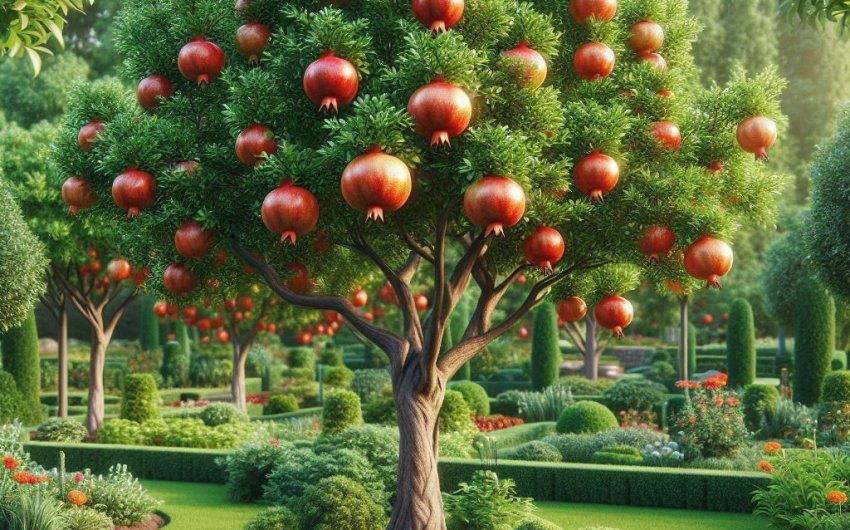
Pomegranate trees (Punica granatum) are not only beautiful with their vibrant flowers and glossy foliage, but they also produce delicious, jewel-toned fruits packed with antioxidants. Originating from arid and semi-arid regions, these resilient trees are known for their drought tolerance once established. However, understanding their specific watering needs, especially during different stages of growth and varying climates, is absolutely critical for a healthy tree and a bountiful harvest. Getting the water balance right can be the difference between a thriving, fruit-laden tree and one that struggles. Let's delve into the crucial question: how often should I water my pomegranate tree? and explore the factors that influence this essential care task.
Why is Watering Pomegranate Trees So Important?
Proper watering is the cornerstone of successful pomegranate cultivation. While they are known for their resilience, inconsistent or incorrect watering can lead to significant problems, affecting both the tree's health and its fruit production.
What Role Does Water Play in Pomegranate Health?
Water is vital for all plant processes, and pomegranates are no exception, despite their drought-tolerant reputation.
- Nutrient Uptake: Water acts as the transport system, dissolving nutrients in the soil and carrying them up to the roots, stems, leaves, and fruit. Without adequate water, the tree cannot absorb the essential minerals it needs to grow.
- Photosynthesis: Water is a key ingredient in photosynthesis, the process by which plants convert sunlight into energy. Insufficient water slows down or halts this vital process, impacting growth and fruit development.
- Cell Structure and Turgor: Water maintains the turgor pressure within plant cells, which keeps leaves and stems firm and upright. When a tree is thirsty, it wilts because its cells lose this pressure.
- Fruit Development: Consistent and appropriate watering is particularly crucial during flowering and fruit set. Proper hydration helps prevent blossom drop and promotes the development of large, juicy fruits, reducing the risk of cracking.
- Temperature Regulation: Plants use water for transpiration (evaporation from leaves) to cool themselves, especially important in the hot climates where pomegranates thrive.
Factors Influencing Pomegranate Watering Frequency
There's no one-size-fits-all answer to how often to water a pomegranate tree. Several key factors dictate your watering schedule.
What Conditions Affect Pomegranate Watering Needs?
Understanding these variables will help you tailor your watering routine.
- Tree Age and Establishment:
- Newly Planted (0-1 year): This is the most critical period. Young trees need consistent moisture to establish a strong root system. They are not yet drought-tolerant.
- Young Trees (1-3 years): Still establishing but becoming more independent. Watering needs will decrease but remain important, especially during dry spells.
- Mature Trees (3+ years): Once well-established, pomegranates are very drought-tolerant. They can often survive on natural rainfall alone in many climates, though supplemental watering will significantly improve fruit quality and yield.
- Climate and Weather Conditions:
- Temperature: Hotter temperatures increase evaporation from the soil and transpiration from the leaves, meaning plants need more frequent watering.
- Humidity: Low humidity levels lead to faster water loss, requiring more frequent watering.
- Wind: Windy conditions can also dry out the soil and plants more quickly.
- Rainfall: Obviously, if you're getting regular rainfall, you'll need to water less. Use a rain gauge to track precipitation.
- Soil Type:
- Sandy Soil: Drains very quickly and retains less water, so trees in sandy soil will need more frequent watering.
- Clay Soil: Retains water well but can become compacted and lead to waterlogging. Requires less frequent watering but careful monitoring to ensure proper drainage.
- Loamy Soil: The ideal balance, offering good drainage and water retention.
- Container vs. In-Ground:
- Container-Grown Pomegranates: Trees in pots will always need more frequent watering than those in the ground. Pots dry out much faster due to increased exposure to air and limited soil volume. A soil moisture meter for potted plants is invaluable here.
- Planting Location:
- Sun Exposure: Trees in full sun will dry out faster than those in partial shade.
- Competition: Trees planted near other large, thirsty plants or trees might face more competition for water.
- Mulch: A layer of mulch (like wood chips or straw) around the base of the tree significantly reduces soil moisture evaporation, meaning you can water less often. Consider using organic garden mulch.
- Stage of Growth (Seasonal Needs):
- Spring (New Growth/Flowering): As the tree wakes up and begins to flower, it needs consistent moisture.
- Summer (Fruit Development): This is the most crucial period for watering for fruit quality. Inconsistent watering here can lead to fruit cracking.
- Fall (Ripening/Dormancy Prep): Reduce watering as fruits ripen. As the weather cools and the tree prepares for dormancy, further reduce watering.
- Winter (Dormancy): Very little water is needed, just enough to prevent the roots from completely drying out, especially for potted plants.
Watering Schedule Guidelines for Pomegranate Trees
Now that we understand the factors, let's look at some general guidelines for watering your pomegranate tree. Remember, these are starting points, and you'll always need to adjust based on the specific conditions.
How Often Should I Water My Pomegranate in Different Stages?
Here's a breakdown of general watering frequencies based on age and season.
- Newly Planted Pomegranate Trees (First Year):
- Frequency: Water frequently and deeply. Aim for 2-3 times per week, or even more often in very hot, dry, or windy conditions.
- Method: Provide enough water to thoroughly saturate the root ball. For a newly planted tree, this might mean 5-10 gallons of water per watering, depending on soil type and tree size.
- Goal: The goal is to keep the soil consistently moist (but not waterlogged) to encourage strong root development.
- Young Pomegranate Trees (Years 2-3):
- Frequency: Reduce watering to about once a week, especially during dry periods. You can slowly stretch out the time between waterings if the soil stays moist.
- Depth: Continue to water deeply to encourage roots to grow downwards, making the tree more drought-resilient.
- Monitoring: Still closely monitor the soil moisture.
- Mature Pomegranate Trees (3+ Years):
- Frequency: Once established, pomegranates are quite drought-tolerant. In many climates, they can survive on natural rainfall alone.
- Supplemental Watering for Fruit: However, for optimal fruit size, juiciness, and to prevent fruit splitting (cracking), supplemental deep watering is highly recommended.
- During Flowering and Fruit Set: Provide regular deep watering as flowers appear and small fruits begin to form. This prevents blossom drop.
- During Fruit Development (Summer): This is the most crucial time. Water deeply every 1-2 weeks during dry spells to ensure consistent moisture. Inconsistent watering or sudden heavy watering after a long dry period is the primary cause of fruit cracking.
- As Fruit Ripens (Late Summer/Fall): Gradually reduce watering as the fruit ripens. Excess water during this stage can also contribute to fruit cracking and dilute flavor.
- Overall: Aim for deep watering (enough to penetrate 18-24 inches) every 2-4 weeks during dry periods of the growing season for best fruit.
How to Tell When Your Pomegranate Tree Needs Water?
Feeling the soil is the most reliable method, but your tree will also give you clues.
What are the Signs of a Thirsty Pomegranate?
Observing your tree and its soil will guide your watering decisions.
- The Finger Test (Most Reliable):
- Stick your finger 2-3 inches deep into the soil near the base of the tree.
- If it feels dry, it's time to water.
- If it feels moist, wait.
- Wilting Leaves: This is a clear sign of thirst. Leaves will droop and may look dull. If you water soon after, the leaves should perk up.
- Dry, Cracking Soil: The soil around the base of the tree may pull away from the trunk or sides of the container.
- Lightweight Container (for potted trees): If your potted pomegranate feels noticeably lighter than when it was last watered, it's likely dry.
- Yellowing or Dropping Leaves: While this can be a sign of many issues, dehydration can cause leaves to yellow and drop prematurely.
- Fruit Splitting/Cracking: This common issue is often caused by inconsistent watering. A long dry spell followed by a sudden heavy watering causes the fruit to swell too quickly, splitting the skin.
Watering Methods for Pomegranate Trees
The way you apply water is as important as how much and how often.
What are Effective Ways to Water Pomegranate Trees?
Deep and slow is generally the rule.
- Deep and Slow Watering:
- Why: This method allows water to penetrate deep into the soil, encouraging a strong, deep root system that can better withstand dry periods. Shallow watering leads to shallow roots.
- How: Use a garden hose on a low trickle, a soaker hose, or a drip irrigation system. Allow the water to run for an extended period (e.g., 30 minutes to a few hours, depending on flow rate and soil type) until the water has soaked deeply. A drip irrigation system kit is highly efficient.
- Build a Water Basin: For newly planted or young trees, create a small earth berm (a circular mound of soil) around the base of the tree, about 1-2 feet out from the trunk. This creates a basin that holds water, allowing it to soak in slowly and deeply rather than running off.
- Mulch: Apply a 2-4 inch layer of organic mulch (like wood chips or straw) around the base of the tree, keeping it a few inches away from the trunk. Mulch helps retain soil moisture, suppress weeds, and regulate soil temperature.
- Container Watering:
- Water Until it Drains: Always water container-grown pomegranates until water drains out of the bottom of the pot.
- Check Saucer: Empty any standing water from the saucer after about 15-30 minutes to prevent root rot.
- Self-Watering Pots: For convenience, consider a self-watering plant pot, which has a reservoir for water.
Common Watering Problems and Solutions
Even with good intentions, watering issues can arise. Knowing how to troubleshoot is key.
What are the Solutions for Pomegranate Watering Problems?
Recognize the signs and take corrective action quickly.
- Overwatering (Root Rot):
- Signs: Yellowing leaves, wilting despite moist soil, mushy stems, foul-smelling soil.
- Solution: Immediately stop watering. Allow the soil to dry out significantly. If in a container, ensure excellent drainage holes and consider repotting into fresh, well-draining soil if root rot is severe (prune off any black, mushy roots). For in-ground trees, improve drainage if possible (e.g., raised beds for future plantings, amending soil).
- Underwatering (Dehydration):
- Signs: Wilting leaves (crispy), dry soil, premature leaf drop.
- Solution: Water immediately and deeply. If the soil is so dry it repels water, try slow, continuous trickle watering for a longer period, or bottom watering for potted trees.
- Fruit Cracking/Splitting:
- Signs: Ripe or nearly ripe pomegranates developing cracks in their skin.
- Solution: This is almost always due to inconsistent watering, especially a sudden influx of water after a dry period (e.g., a heavy rain after a drought). Aim for consistent moisture during fruit development. Reduce watering as fruit ripens.
- Water Runoff:
- Signs: Water puddles on the surface and doesn't soak in, or runs off slopes.
- Solution: Water more slowly. Build a water basin around the tree. Amend soil with organic matter to improve absorption. For slopes, consider terracing or contour planting.
By paying close attention to your climate, soil, and the specific needs of your pomegranate tree at different life stages, you can effectively answer the question of how often should I water my pomegranate tree? and provide the consistent hydration necessary for a robust plant and a delicious harvest. Remember, deep and consistent watering, especially during the crucial fruit development phase, is the secret to preventing common problems and enjoying abundant, high-quality pomegranates.