
How Can I Increase the Fruit Yield of My Pineapple Plant?
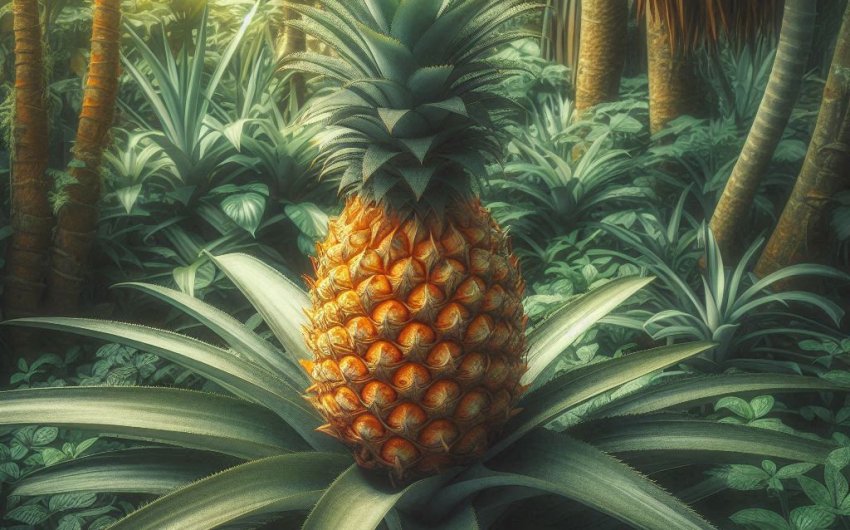
To increase the fruit yield of your pineapple plant, focus on providing optimal growing conditions including ample sunlight, consistent moisture, and balanced fertilization throughout its growth cycle. Additionally, proper harvesting techniques and management of "slips" and "suckers" can significantly boost future pineapple production.
What Factors Influence Pineapple Fruit Yield?
Several key factors directly influence the fruit yield of your pineapple plant. Understanding these elements is the first step toward optimizing your plant's potential and enjoying more delicious pineapples.
- Plant Maturity: Pineapple plants don't fruit immediately. They typically require 18-24 months of vegetative growth (foliage development) before they are mature enough to initiate flowering and fruit production. Younger or smaller plants will naturally produce smaller or no fruit.
- Light Exposure: Pineapples are tropical plants that demand abundant sunlight. Insufficient light leads to weak growth and significantly reduced fruit size and quality.
- Nutrient Availability: Like all fruit-bearing plants, pineapples are heavy feeders. Adequate and balanced fertilization is crucial for strong plant growth, healthy flowering, and robust fruit development. Deficiencies in key nutrients, especially nitrogen, potassium, and phosphorus, will limit yield.
- Water Management: Consistent, but not excessive, moisture is vital. Both drought stress and waterlogging can negatively impact fruit development and overall plant health.
- Temperature: Pineapples thrive in warm, consistent temperatures. Extreme cold or heat can stress the plant, hindering flowering and fruit growth.
- Plant Health: Healthy plants are productive plants. Pests, diseases, or environmental stresses (like nutrient deficiencies or improper watering) will divert the plant's energy away from fruit production.
- Propagation Method: Plants grown from "slips" or "suckers" (side shoots) generally fruit faster and often produce larger initial fruits than those grown from a pineapple top.
- Pollination (Usually Not Needed): Most commercially grown pineapple varieties are self-pollinating and do not require external pollination to produce fruit. In fact, pollination by bees can lead to seedy fruit, which is generally undesirable.
- Cultural Practices: Proper pruning (removing non-essential shoots), weed control, and occasionally forcing bloom can all influence the timing and size of your pineapple harvest.
By carefully managing these factors, you can significantly increase the fruit yield of your pineapple plant and enjoy a bountiful harvest.
How Does Sunlight Affect Pineapple Production?
Sunlight is arguably the most critical factor for increasing the fruit yield of your pineapple plant. Pineapples are sun-worshippers, native to tropical and subtropical regions where light is abundant and intense.
- Photosynthesis: Plants use sunlight as energy for photosynthesis, the process by which they convert light, water, and carbon dioxide into sugars (food). The more efficient photosynthesis, the more energy the plant has to grow foliage, develop strong roots, produce flowers, and ultimately swell its fruit.
- Flower Initiation: Adequate sunlight is a key trigger for pineapple plants to shift from vegetative growth (producing leaves) to reproductive growth (producing flowers and fruit). Plants in low light conditions may delay flowering indefinitely or produce very small fruits.
- Fruit Size and Sweetness: Pineapples grown in full sun produce larger, sweeter, and more flavorful fruits. Insufficient light results in small, pale, and less sweet pineapples, if they fruit at all.
Practical Steps to Optimize Sunlight:
- Choose a Sunny Location: When planting, select a spot that receives at least 6-8 hours of direct, unfiltered sunlight per day. In hotter climates, a little afternoon shade might be beneficial to prevent scorching, but generally, more sun is better.
- Avoid Overcrowding: Ensure pineapple plants are spaced adequately (at least 2-3 feet apart) to prevent them from shading each other as they grow. Good spacing also promotes air circulation, which is beneficial for overall plant health.
- Manage Surrounding Vegetation: Prune back any nearby trees or shrubs that might be casting too much shade on your pineapple plants.
- Rotate Potted Plants: If growing pineapples in containers, regularly rotate them to ensure all sides of the plant receive equal sunlight exposure. This prevents lopsided growth and encourages uniform fruit development.
- Artificial Lighting (Indoors): For indoor growers, supplemental Grow Lights for Plants are often necessary to provide the intense light needed for fruiting, especially during winter months.
By maximizing the sunlight your pineapple plant receives, you directly enhance its ability to photosynthesize, encouraging robust growth and a higher fruit yield of your pineapple plant.
How Important is Fertilization for Pineapple Fruit Size?
Fertilization is extremely important for increasing the fruit yield of your pineapple plant, directly impacting both the size and quality of the fruit. Pineapples are heavy feeders, especially during their active growth and fruiting phases.
Key Nutrients and Their Role:
- Nitrogen (N): Promotes strong vegetative growth (leaves and plant size). Sufficient nitrogen builds a robust plant structure capable of supporting a large fruit.
- Phosphorus (P): Essential for root development, flowering, and fruit formation.
- Potassium (K): Crucial for fruit quality, size, sweetness, and overall plant resilience. Often referred to as the "fruit nutrient."
- Micronutrients: Pineapples also need micronutrients like iron, manganese, zinc, and boron for optimal health and fruit development.
Fertilization Strategy:
- Regular Feeding: Pineapples benefit from frequent, light applications of fertilizer rather than large, infrequent doses. This ensures a steady supply of nutrients.
- Balanced Fertilizers: Use a balanced granular fertilizer (e.g., 8-8-8, 10-10-10, or 10-5-10) every 1-2 months during the growing season. A specialized Pineapple Plant Food can also be beneficial.
- Foliar Feeding: Pineapples can absorb nutrients through their leaves. Foliar feeding with a diluted liquid fertilizer (e.g., 1/4 strength of a balanced liquid feed) every few weeks can supplement granular applications, especially for micronutrients. You can use a Liquid Fertilizer for Fruiting Plants.
- Post-Fruiting Boost: After the main fruit harvest, a boost of balanced fertilizer can help the plant produce new slips and suckers for future generations of fruit.
- Organic Options: Incorporate organic matter like compost or well-rotted manure into the soil. This provides slow-release nutrients and improves soil structure.
Application Tips:
- Apply to Base of Plant: Sprinkle granular fertilizer around the base of the plant, being careful not to get it directly into the "cup" or central rosette of leaves, as this can cause rot.
- Water In: Always water thoroughly after applying granular fertilizer to help it dissolve and move into the root zone.
- Avoid Over-Fertilizing: Too much fertilizer, especially nitrogen, can lead to excessive leaf growth at the expense of fruit production, or even cause root burn. Follow label directions.
By providing consistent and balanced nutrition, you significantly improve your plant's ability to produce large, healthy fruit, thereby helping to increase the fruit yield of your pineapple plant.
How Does Watering Affect Pineapple Fruit Development?
Proper watering is crucial for healthy pineapple plants and plays a direct role in the successful development of their fruit. Both too much and too little water can negatively impact the fruit yield of your pineapple plant.
1. Consistent Moisture, Not Sogginess:
- Optimal Soil Moisture: Pineapples prefer consistently moist, but not waterlogged, soil. Their root systems are somewhat shallow, so they benefit from regular watering, especially during dry spells and when the fruit is actively developing.
- Drainage is Key: Excellent drainage is paramount. If the soil remains soggy, pineapple roots are highly susceptible to root rot, which will severely stunt growth and kill the plant. Ensure your planting medium (for pots) or soil (for in-ground) drains freely.
- No Overhead Watering (During Fruiting): While pineapples can absorb some water through their leaves, once the fruit starts to form, avoid overhead watering. Water directly at the base of the plant to prevent water from pooling in the central rosette, which can lead to rot of the developing fruit or crown.
2. Watering During Different Growth Stages:
- Vegetative Growth (Leaves): During the initial growth phase, maintain consistent moisture. The plant needs water to develop a strong root system and robust foliage, which will support future fruiting.
- Flowering and Fruiting: This is the most critical period for water. As the fruit develops, ensure steady moisture. Water stress during this phase can result in smaller fruits or even fruit abortion.
- Dormancy/Cooler Months: Reduce watering significantly during cooler months or if the plant enters a period of slower growth. Allow the soil to dry out more between waterings to prevent rot.
3. How to Water:
- Check Soil Moisture: The best way to know when to water is to feel the soil. Stick your finger about 1-2 inches deep into the soil. If it feels dry, it's time to water.
- Water Deeply: When you water, do so thoroughly until water drains from the bottom of the pot or until the surrounding soil is well saturated.
- Mulch: Applying a 2-3 inch layer of organic mulch (like wood chips or pine bark) around the base of the plant helps retain soil moisture, suppress weeds, and moderate soil temperature.
By practicing careful water management, you provide the ideal conditions for your pineapple plant to produce large, juicy fruits, thereby directly contributing to increasing the fruit yield of your pineapple plant.
Can You Force a Pineapple Plant to Fruit Earlier?
Yes, you absolutely can force a pineapple plant to fruit earlier than it might naturally, and this is a common practice among both commercial growers and home enthusiasts looking to increase the fruit yield of your pineapple plant on a schedule. This process is called flower induction or forcing bloom.
Why Force a Pineapple to Fruit?
- Faster Fruiting: Reduces the typical 18-24 month wait to a more predictable timeframe.
- Scheduled Harvest: Allows you to time your harvest, which is useful for indoor growing or for coordinating multiple plants.
- Ensures Fruiting: Guarantees that a mature plant will actually produce a fruit rather than remaining in a vegetative state indefinitely.
The Science Behind Forcing:
Pineapple plants naturally produce ethylene gas as part of their life cycle. A concentrated dose of ethylene (or compounds that release it) can trick the plant into thinking it's time to flower.
Common Methods for Forcing Bloom:
Apple Method (Ethylene Gas):
- Principle: Ripening apples release ethylene gas.
- How To: Place 3-4 ripe apple slices directly into the central cup (rosette) of the pineapple plant. Ensure the apple pieces are nestled among the innermost leaves.
- Cover: For outdoor plants, cover the entire plant with a clear plastic bag, tarp, or bucket overnight to trap the ethylene gas. Remove the cover during the day, especially if it's sunny, to prevent overheating. For indoor plants, simply placing the apples in the core and covering for a few days can work.
- Duration: Leave the apple slices in for about 5-7 days.
- Expected Results: Flower stalk usually emerges 6-10 weeks after treatment.
Calcium Carbide Method (More Advanced):
- Principle: Calcium carbide reacts with water to produce acetylene gas, which mimics ethylene. This is a common commercial method.
- How To: Place a small piece of calcium carbide (about the size of a pea or a 1/4 teaspoon) into the central cup of the plant and then pour a small amount of water (about 1/4 cup) into the cup. The reaction will produce gas.
- Caution: Calcium carbide is corrosive and should be handled with gloves in a well-ventilated area. It's often harder to source for home gardeners and requires more care.
- Expected Results: Similar timeframe to the apple method.
Important Considerations for Forcing:
- Plant Maturity: The plant must be mature enough to fruit. It should have at least 20-30 healthy, full-sized leaves and be at least 18 months old. Forcing a too-small or immature plant will result in a tiny or malformed fruit, if any.
- Health: Only force a healthy, vigorous plant. A stressed or nutrient-deficient plant won't respond well to forcing.
- One Fruit Per Plant (Usually): Each pineapple plant typically produces only one main fruit from its central rosette. After fruiting, the main plant dies back but produces "slips" or "suckers" for future generations.
- Timing: Forcing can be done at any time of year once the plant is mature, but the fruit will grow best in warm, sunny conditions following the induced bloom.
Forcing a pineapple plant to fruit can be a fun and effective way to increase the fruit yield of your pineapple plant by speeding up its production cycle.
How Do Slips and Suckers Impact Future Yields?
"Slips" and "suckers" are crucial for the long-term fruit yield of your pineapple plant and are the primary methods for propagation once a main fruit has been harvested. Understanding and managing them properly can significantly increase your future production.
- Slips: These are small plantlets that grow from the base of the pineapple fruit itself, just below the fruit on the fruit stem. They are essentially mini-pineapple plants ready to grow.
- Suckers (or Pups): These are offshoots that emerge from the axils of the leaves (where the leaf joins the main stem) or from the base of the main plant. They grow into new, independent pineapple plants.
Their Impact on Yield:
- Propagation for Future Fruits: Both slips and suckers are genetic clones of the mother plant. They are the easiest and most reliable way to produce new pineapple plants that will also bear fruit.
- Slips: Generally take longer to fruit (24-36 months) than suckers but produce a plant that's very true to the parent.
- Suckers: Typically fruit faster (12-18 months) than slips because they have a more developed root system when removed. They also tend to produce larger first fruits.
- Mother Plant Production (Ratooning): A single pineapple plant can produce 1-3 suckers after its main fruit has been harvested. If left on the mother plant, these suckers can sometimes produce a second (and rarely third) fruit from the same original plant. This is called ratooning. However, these subsequent fruits are usually smaller than the initial fruit.
- Decision Point: You can either remove the suckers to plant as new, independent plants, or you can allow one or two strong suckers to remain on the mother plant to produce a second, smaller fruit. For maximizing total fruit over time, propagating separate plants from suckers is usually more productive.
Managing Slips and Suckers to Increase Yield:
- Remove Slips: Once the main fruit is harvested, twist off any slips that have formed at the base of the fruit. Let them dry for a day or two, then plant them to start new plants.
- Manage Suckers:
- For New Plants: For maximizing total pineapple production in your garden over several years, it's generally best to remove suckers when they are about 6-8 inches tall. Twist or cut them cleanly from the mother plant. Allow the cut end to dry for a few days before planting. Each sucker is a potential new fruiting plant.
- For Ratooning: If you wish to try for a second, smaller fruit from the same mother plant, leave 1-2 of the strongest suckers on the plant after harvesting the main fruit. Remove all other suckers and slips. The mother plant will gradually decline as these suckers take over.
- Healthy Cuttings: Only propagate from healthy, vigorous slips and suckers to ensure your new plants are strong and productive.
By actively managing slips and suckers, you create a sustainable cycle of pineapple production, ensuring a continuous and potentially higher fruit yield of your pineapple plant over time.
What are the Ideal Soil Conditions for Pineapples?
Ideal soil conditions are fundamental for a healthy pineapple plant and play a direct role in its ability to produce a good fruit yield of your pineapple plant. Pineapples, while tropical, are not particularly fussy, but they do have clear preferences.
Key Soil Characteristics:
- Excellent Drainage: This is perhaps the most critical factor. Pineapples are highly susceptible to root rot in soggy, waterlogged conditions. Their roots need oxygen, and heavy, compacted clay soils that retain too much water are detrimental.
- How to Achieve: For in-ground planting, amend heavy clay soils with plenty of organic matter (compost, well-rotted manure) and coarse sand to improve drainage. For container planting, use a well-draining potting mix specifically designed for succulents or cacti, or a custom mix (see below).
- Slightly Acidic pH: Pineapples thrive in a slightly acidic to neutral soil pH, typically ranging from pH 5.5 to 7.0. A pH outside this range can lock up essential nutrients, making them unavailable to the plant, leading to deficiencies and reduced yield.
- How to Achieve: A soil test is the best way to determine your current pH. If too alkaline, you can lower pH by adding elemental sulfur or sphagnum peat moss. If too acidic (less common), add dolomitic lime.
- Rich in Organic Matter: While needing good drainage, pineapples also appreciate soil that is rich in organic matter. Organic matter improves soil structure, aeration, drainage, and water retention (in a balanced way), while providing a slow release of nutrients.
- How to Achieve: Regularly incorporate well-rotted compost or manure into your planting area.
- Aeration: The roots need access to air. Compacted soil restricts root growth and oxygen exchange.
- How to Achieve: Regular additions of organic matter naturally improve aeration. For in-ground plants, occasional gentle loosening of the soil around the plant (being careful not to disturb roots) can help.
Ideal Potting Mix for Containers:
If growing in pots (which is common for non-tropical climates), a custom mix can provide the perfect environment:
- 1 part coarse sand or perlite: For drainage and aeration.
- 1 part peat moss or coco coir: For moisture retention and acidity.
- 1 part well-rotted compost or good quality potting mix: For nutrients and organic matter.
- You can buy specific Cactus and Succulent Potting Mix as a base.
By providing these ideal soil conditions, you lay a strong foundation for a healthy, vigorous pineapple plant capable of producing an impressive fruit yield of your pineapple plant.
How Can Pruning Improve Pineapple Yield?
While pineapple plants don't require extensive pruning like fruit trees, strategic pruning and management of suckers can significantly improve the fruit yield of your pineapple plant by directing the plant's energy more efficiently.
1. Managing Suckers for Future Production (As discussed previously):
- Primary Goal: The most impactful "pruning" is managing the suckers that emerge from the base of the plant.
- Removing for New Plants: If your goal is to propagate many new pineapple plants for future harvests, remove suckers when they are about 6-8 inches tall. This directs the mother plant's energy towards its primary fruit (if it hasn't formed yet) or encourages more suckers to form (if the fruit is gone). Each removed sucker can become a new plant that will fruit faster than a top.
- Leaving for Ratooning: If you wish to try for a second, smaller fruit from the same mother plant, leave 1-2 strong suckers. Removing all others ensures the plant's energy goes into those selected suckers.
2. Removing Excess Slips:
- One or Two Slips (Maximum): While the top is often used for propagation, the slips that grow from the fruit stem can also be planted. If multiple slips form, removing all but one or two of the strongest ones can theoretically direct more energy into the developing fruit, potentially increasing its size. However, the impact on the main fruit is often minor. The main benefit is to gather more viable cuttings for new plants.
3. Removing Dead or Damaged Leaves:
- Sanitation and Health: Regularly inspect your pineapple plant for dead, yellowing, or damaged leaves.
- How To: Use clean, sharp pruners to cut these leaves off at their base.
- Benefits:
- Prevents Disease: Removes potential entry points or hiding spots for pests and diseases.
- Directs Energy: Ensures the plant's energy is not wasted on maintaining unproductive or unhealthy foliage.
- Aesthetics: Keeps the plant looking tidy and healthy.
- Improves Air Circulation: Removes dense foliage where moisture can be trapped, reducing fungal risk.
4. Removing Flower Stalk (If no fruit desired/formed):
- Rarely Done: If a flower stalk forms but you decide you don't want a fruit (perhaps the plant is too small or unhealthy to support it), you can cut off the flower stalk. This will direct the plant's energy back into vegetative growth or sucker production. This isn't usually done if your goal is to increase the fruit yield of your pineapple plant, but it's an option for re-directing plant energy.
By thoughtfully pruning your pineapple plant and managing its suckers, you ensure that the plant's energy is channeled into productive growth and optimal fruit development, ultimately helping to increase the fruit yield of your pineapple plant.
How Can Pest and Disease Control Affect Yield?
Pests and diseases can significantly reduce the fruit yield of your pineapple plant, as they directly compromise the plant's health and ability to produce. A healthy plant is a productive plant, so effective pest and disease control is paramount.
How Pests and Diseases Reduce Yield:
- Sap-Sucking Pests: Pests like mealybugs, scale insects, and aphids suck the vital sap from the plant's leaves and stems. This drains the plant's energy reserves, leading to:
- Stunted Growth: Overall reduction in plant size and vigor.
- Yellowing/Wilting Leaves: Signifies nutrient depletion and stress.
- Reduced Photosynthesis: Damaged foliage means less energy production.
- Smaller Fruit: The plant simply doesn't have enough energy to develop large, healthy fruits.
- Fruit Deformities: Direct feeding on developing fruit can cause scarring or malformation.
- Chewing Pests: While less common on pineapples than some other crops, pests that chew on foliage can reduce the photosynthetic area, weakening the plant.
- Root Diseases: Fungal diseases like Phytophthora (root rot) are particularly devastating to pineapples, especially in poorly drained soil. They attack the roots, preventing water and nutrient uptake, leading to:
- Wilting: Even with adequate water, as roots can't absorb it.
- Yellowing/Browning: Rapid decline of foliage.
- Plant Death: Often swift and irreversible if not addressed.
- No Fruit: A plant with compromised roots cannot support fruit development.
- Foliar Diseases: Fungal spots or blights on leaves (less common on pineapples than root issues) can reduce photosynthetic efficiency, indirectly impacting fruit size.
- Vectoring Diseases: Some pests, like mealybugs, can transmit viral diseases that can cause widespread damage and severely impact yield.
Strategies for Control to Increase Yield:
- Monitor Regularly: Inspect your pineapple plants frequently for any signs of pests (sticky residue, visible insects, webbing) or disease (discoloration, wilting, lesions). Early detection is key.
- Good Cultural Practices: This is your first line of defense.
- Proper Drainage: Ensure excellent soil drainage to prevent root rot.
- Adequate Airflow: Good spacing reduces humidity around plants, deterring some fungal issues.
- Optimal Nutrition and Water: Healthy, vigorous plants are more resistant.
- Physical Removal:
- Hand-picking: For larger pests, simply pick them off.
- Strong Water Spray: A blast of water can dislodge aphids and some mealybugs.
- Organic Pest Control:
- Insecticidal Soap: Effective against soft-bodied pests like aphids and mealybugs. Insecticidal Soap Spray.
- Neem Oil: Acts as an antifeedant, repellent, and growth regulator, controlling a range of pests and some diseases. Neem Oil for Plants.
- Horticultural Oils: Can smother scale insects and mealybugs.
- Sanitation: Remove and dispose of any heavily infested or diseased plant parts immediately to prevent spread. Clean pruning tools between plants.
- Quarantine New Plants: Isolate new pineapple tops, slips, or suckers for a few weeks before planting with established plants to ensure they are pest and disease-free.
By diligently controlling pests and diseases, you allow your pineapple plant to direct its full energy towards robust growth and fruit production, thereby helping to increase the fruit yield of your pineapple plant.
How Does Protecting Developing Fruit Increase Yield?
Protecting the developing pineapple fruit from external damage is just as important as nurturing the plant itself to increase the fruit yield of your pineapple plant. Undamaged fruit grows larger, ripens better, and is more appealing for harvest.
Key Threats to Developing Fruit:
Sunburn/Sunscald:
- Problem: Intense, direct sun, especially in hot climates or if the fruit is exposed too suddenly, can cause the skin of the pineapple to burn, leading to white, corky, or mushy patches. This damages the fruit and can invite rot.
- Protection: Once the fruit starts to develop and swell, you can gently tie or position some of the larger, outer leaves to lean over and shade the top and sides of the developing fruit. For commercial growing, sometimes shading nets are used.
Pests Directly Attacking Fruit:
- Mealybugs: These sap-sucking pests can cluster at the base of the fruitlets, causing scarring and hindering development. Their honeydew can also lead to sooty mold, affecting fruit quality.
- Ants: Often found in conjunction with mealybugs (they "farm" them for honeydew). They don't directly harm the fruit but indicate the presence of sap-sucking pests.
- Rodents (Rats, Mice): As the fruit ripens and becomes sweet, rodents can be attracted to it, chewing holes and consuming portions of the fruit.
- Birds: Birds may peck at ripening fruit, especially in areas where other food sources are scarce.
- Protection:
- Regular Inspection: Check the fruit frequently for any signs of pests.
- Organic Pest Control: Treat mealybugs or scale with targeted applications of insecticidal soap or neem oil, being careful not to let the spray pool in the fruitlets.
- Barriers (for animals): For rodents or birds, physical barriers are most effective. You can loosely wrap the developing fruit in breathable materials like fine mesh netting or a paper bag once it begins to swell. Secure it to prevent animals from getting in. A Fruit Protection Bag can be useful.
Physical Damage:
- Accidental Knocks: As the fruit grows, it can be accidentally knocked or bruised, especially if growing in a high-traffic area.
- Falling: While pineapples usually stay firmly attached, ensure the plant is stable if potted, to prevent it from tipping over in wind.
- Protection: Stake the plant if it becomes top-heavy, especially when a large fruit is developing. A simple bamboo stake pushed into the soil near the base of the plant and gently tied to the main stem can provide support.
By actively protecting your developing pineapple fruit from environmental damage, pests, and animals, you allow it to grow to its full potential, ensuring a maximum fruit yield of your pineapple plant.
What Role Does Proper Harvest Play in Future Yield?
Proper harvesting of your pineapple fruit is not just about getting the ripe fruit; it's also crucial for setting up your plant for future production and maximizing the overall fruit yield of your pineapple plant over time.
When to Harvest:
- Color Change: The most reliable sign of ripeness is a change in color from green to yellow, starting from the bottom of the fruit and moving upwards. The lower 1/3 to 2/3 of the fruit should be yellow.
- Aroma: A ripe pineapple will emit a sweet, distinctive pineapple fragrance from its base.
- Softness: The fruit will feel slightly softer when squeezed gently.
- Pluck Test: A ripe pineapple's small fruitlets at the bottom may be easy to pluck off.
- Sound (Less Reliable): Some say a ripe pineapple sounds dull when thumped, while an unripe one sounds hollow.
How to Harvest:
- Wear Gloves: Pineapple leaves are spiky. Wear Garden Gloves to protect your hands.
- Cut the Stem: Using a sharp, clean knife or pruners, cut the fruit from the plant with about 1 inch (2.5 cm) of stem attached below the fruit.
- Do NOT Pull: Pulling the fruit off can damage the plant or the fruit itself.
- Leave the Plant Intact (Mostly): After cutting the fruit, the main mother plant will likely continue to live for a period.
Impact on Future Yield:
- Encourages Suckers: Harvesting the main fruit signals to the plant that its primary reproductive cycle is complete. This encourages the production of suckers (pups) from the base or leaf axils of the mother plant. These suckers are your source for future pineapple plants.
- Provides Slips: The slips that grow directly from the base of the harvested fruit's stem (if present) are also valuable for propagation. Removing the fruit makes these slips easier to access and encourages them to mature.
- Ratooning Opportunity: By harvesting cleanly and leaving the mother plant intact, you create the opportunity for it to ratoon (produce a second, smaller fruit) from one or two of its remaining suckers. This effectively extends the productivity of the original plant.
- Prevents Rot: Harvesting the fruit when ripe prevents it from over-ripening and rotting on the plant, which could attract pests or fungal diseases that might then affect the mother plant and any developing suckers.
By harvesting at the correct time and using the right method, you not only get the best-tasting fruit but also optimize the pineapple plant's energy redirection towards future growth and propagation, thereby maximizing the long-term fruit yield of your pineapple plant.
What are Other Advanced Techniques for Pineapple Yield?
Beyond the fundamental practices, some advanced techniques can further optimize and increase the fruit yield of your pineapple plant, particularly for experienced growers or those looking to experiment.
1. Ethylene Application (Commercial Scale):
- How it Works: On a commercial scale, specific ethylene-releasing chemicals (like Ethephon) are sprayed on mature pineapple plants to induce flowering uniformly across large fields.
- Relevance to Home Growers: While Ethephon is typically for commercial use, the principle is the same as the "apple method" – providing ethylene to trigger flowering. This highlights why the apple method is so effective for home growers looking to force blooms.
2. Selective Sucker Management:
- More Than Just Removing/Leaving: Advanced growers might use a very specific strategy for suckers: allowing 1-2 suckers to grow to a certain size (e.g., half the size of the mother plant) before inducing bloom on the mother plant. Then, after the main fruit is harvested, these already established suckers are well-positioned to produce a second crop quickly (ratooning).
- Benefit: This aims to minimize the gap between harvests from a single "cluster" of plants.
3. Crop Rotation and Soil Solarization (for in-ground growing):
- Problem: In continuous pineapple cultivation in the same spot, soil-borne diseases (especially nematodes and root rot fungi) can build up and reduce yield.
- Solution: For in-ground growing, practicing crop rotation (not planting pineapples in the same spot year after year) can help. Soil solarization (covering moistened soil with clear plastic in hot sun for 4-6 weeks) can sterilize the top layer of soil, killing many pathogens and nematodes before planting, thus ensuring a healthier start and better yield.
4. Black Plastic Mulch (Commercial/Large Scale):
- Method: Laying black plastic mulch over the soil where pineapples are planted.
- Benefits:
- Weed Suppression: Eliminates weed competition for nutrients and water.
- Soil Temperature Regulation: Heats the soil, which benefits pineapple growth in cooler climates or seasons.
- Moisture Retention: Reduces evaporation, leading to more efficient water use.
- Cleanliness: Keeps fruit off the soil, reducing rot and insect damage.
- Relevance to Home Growers: Can be adapted for smaller home gardens, though some prefer natural mulches for aesthetic or environmental reasons. Black Plastic Mulch Film is available.
5. Proper Nutrition Timing (Precision Fertilization):
- Beyond Basic NPK: Commercial growers often apply specific nutrient formulations at very precise times corresponding to different growth stages (e.g., higher nitrogen for vegetative growth, higher potassium during fruiting) to maximize yield and fruit quality.
- Relevance to Home Growers: While a home grower might not get this precise, understanding the shift in nutrient needs (more potassium as fruit develops) helps in making informed fertilizer choices.
These advanced techniques, while requiring more knowledge and effort, demonstrate how dedicated growers can push the boundaries to further increase the fruit yield of your pineapple plant. By combining foundational care with strategic intervention, you can enjoy a bountiful and consistent harvest.