
Can I Grow an Avocado Plant Indoors, and How?
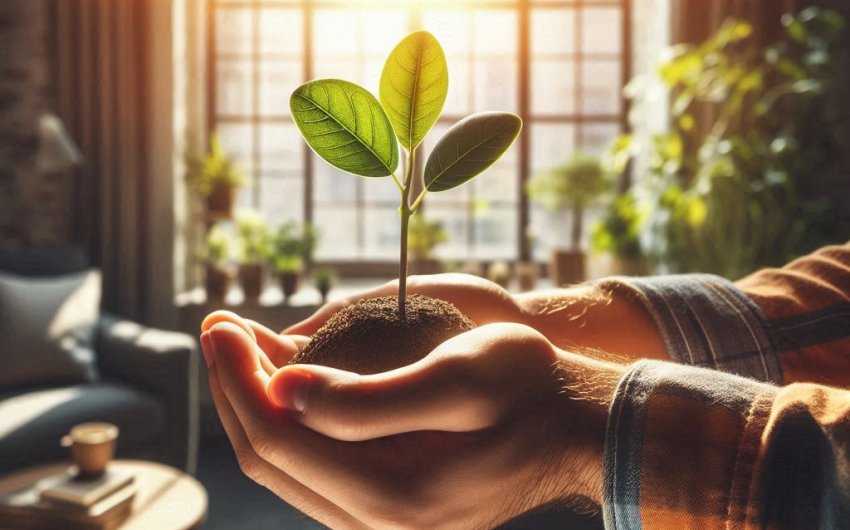
Growing an avocado plant indoors is not only possible but also a fun and rewarding experience. Whether you want to eventually harvest your own avocados or simply enjoy the lush greenery, avocados can be cultivated inside your home with the right care and attention. Indoor-grown avocados bring a touch of the tropics to your home and can thrive under the right conditions.
In this comprehensive guide, we will walk you through the steps and requirements for growing your very own avocado plant indoors, from selecting the right seed to maintaining the plant’s health as it grows. This journey can be enjoyable for seasoned gardeners and beginners alike.
1. Choosing Your Avocado Seed or Plant
There are two primary ways to start growing an avocado plant indoors: from a seed or from a young plant purchased at a nursery.
Growing from Seed
Many people begin their avocado-growing journey by using the seed from an avocado they just ate. This method is not only inexpensive but also gives you a sense of satisfaction as you watch the plant grow from a simple pit.
Remove and Clean the Seed: After enjoying your avocado, remove the seed (pit) from the fruit and clean it thoroughly to remove any flesh. Be careful not to damage the brown seed coat.
Insert Toothpicks: Stick toothpicks into the sides of the seed at a slight downward angle, spacing them evenly around the circumference. These toothpicks will help suspend the seed over a cup of water.
AdvertisementPlace the Seed in Water: Fill a glass with water and rest the seed on top, ensuring that the bottom half of the seed (the flatter, broader end) is submerged in water while the pointed top stays dry. This setup allows the seed to sprout roots while preventing rot.
Change Water Regularly: Place the glass in a warm, bright spot, such as near a sunny windowsill, and change the water every few days to keep it fresh. After a few weeks, you’ll begin to see roots and a stem emerge.
Purchasing a Young Plant
If you prefer to skip the seed-growing process, you can purchase a young avocado plant from a nursery. Starting with an established plant can save time, and you can enjoy the lush green foliage sooner. Young avocado plants may also produce fruit faster than those started from seed.
2. Best Growing Conditions for Indoor Avocado Plants
Once you have your seed sprouting or have acquired a young avocado plant, it’s crucial to provide the right environment for the plant to thrive indoors.
Light Requirements
Avocado plants require plenty of bright, indirect light to grow healthy and strong. Place your plant near a south-facing window that receives sunlight for at least 6-8 hours a day. Insufficient light can lead to leggy growth and stunted leaves.
If you don’t have a sunny spot, consider supplementing natural light with grow lights. These lights can mimic the sun's spectrum, providing the necessary light for photosynthesis even in dimly lit indoor spaces. Keep the grow light positioned a few inches above the plant and on for about 12-16 hours per day.
Temperature and Humidity
Avocado plants thrive in warm, tropical-like conditions. Ideally, the indoor temperature should remain between 60°F and 85°F (15°C to 29°C). Be sure to keep the plant away from drafts, cold windows, or air conditioning units that could cause temperature fluctuations.
In terms of humidity, avocados appreciate moderate to high humidity levels. To maintain a humid environment indoors, you can use a humidifier or place a tray of water near the plant. Misting the leaves regularly with a spray bottle can also help increase humidity levels around the plant.
Choosing the Right Pot and Soil
For indoor avocado plants, choosing the right container and soil is critical to support healthy root growth and ensure proper drainage.
Pot Selection: Choose a pot that has good drainage holes to prevent water from accumulating at the bottom, which could lead to root rot. As your avocado plant grows, you may need to repot it into a larger container to accommodate its expanding root system.
Soil Requirements: Avocados prefer loose, well-draining soil that retains some moisture but doesn’t become waterlogged. A high-quality potting mix designed for citrus or succulent plants works well. You can also mix in perlite to enhance drainage.
3. Watering and Fertilizing Your Avocado Plant
Understanding how to properly water and fertilize your avocado plant is essential for keeping it healthy and encouraging steady growth indoors.
Watering Tips
Avocado plants prefer soil that is moist but not soggy. Overwatering can lead to root rot, a common issue for indoor plants. To avoid this, water your plant thoroughly when the top inch of soil feels dry to the touch. Be sure to let the water drain completely before placing the pot back on its saucer.
Using a moisture meter can help you accurately monitor the moisture level in the soil and prevent over- or under-watering.
Fertilizing Your Avocado Plant
Fertilizing is crucial for indoor avocado plants, as potted plants don’t have access to the natural nutrients found in garden soil. During the growing season (spring and summer), feed your plant with a balanced fertilizer, such as a 10-10-10 or a 6-6-6 formula, every two to three months.
If you prefer organic options, you can use compost or worm castings, which will release nutrients slowly over time and improve soil health.
During the fall and winter months, you can reduce the frequency of fertilization, as the plant's growth will slow down.
4. Pruning and Shaping Your Indoor Avocado Plant
Indoor avocado plants can grow tall and leggy if left unpruned. Regular pruning helps keep the plant bushy and compact, making it easier to manage indoors.
When to Prune
Prune your avocado plant when it reaches about 12 inches tall. At this stage, you can pinch off the top few leaves to encourage the plant to branch out. This helps create a fuller, more attractive shape.
Using pruning shears, continue pruning periodically to control the plant's height and maintain a balanced shape. Remove any leggy or weak branches, and prune any dead or damaged leaves to keep the plant healthy.
Staking for Support
As your avocado plant grows taller, it may need extra support, especially if the main stem is still young and thin. Use a plant stake to help keep the plant upright. Gently tie the stem to the stake using plant ties to avoid damaging the stem.
5. Pollination and Fruit Production
If you're hoping to grow avocados indoors, it’s important to understand how pollination works. Most indoor-grown avocado plants are grown for their ornamental value, as getting fruit indoors can be more challenging than outdoors.
Pollination Requirements
Avocado trees have A-type and B-type flowers, and successful pollination generally requires the presence of both types for cross-pollination. In an outdoor environment, bees and other pollinators handle this process. Indoors, however, pollination may not happen naturally.
If you're growing an avocado plant indoors and want to encourage fruiting, you may need to hand-pollinate. To do this, use a soft paintbrush to transfer pollen between the flowers.
Patience is Key
It’s important to note that even with proper pollination, it can take several years for an indoor avocado plant to bear fruit, if at all. However, the lush foliage and unique appearance of the plant make it well worth growing even without fruit.
6. Common Pests and Problems
Like any indoor plant, avocado plants can be susceptible to pests and diseases. Keeping an eye on your plant and addressing issues promptly will ensure it stays healthy and vibrant.
Common Pests
Some of the most common pests that affect indoor avocado plants include:
Spider Mites: These tiny pests can cause yellowing or stippling of the leaves. Spray the plant with neem oil or insecticidal soap to control the infestation.
Aphids: These small, soft-bodied insects can weaken the plant by sucking sap from the leaves and stems. Introducing ladybugs or spraying the plant with a soap solution can help eliminate aphids.
Scale Insects: These pests appear as small, brown bumps on the stems or leaves. Treat the plant with rubbing alcohol applied with a cotton swab to remove scales.
Yellowing Leaves
If you notice the leaves of your avocado plant turning yellow, it could be a sign of overwatering, nutrient deficiency, or poor drainage. Ensure the soil is well-draining and that you are not watering the plant too frequently. Check the pH of the soil and adjust the fertilizer if necessary.
7. Repotting Your Indoor Avocado Plant
As your avocado plant grows, it will eventually outgrow its pot and require repotting. Typically, repotting is needed every two years to ensure the plant has enough space to grow.
Steps to Repot Your Avocado Plant
Choose a Larger Pot: Select a new pot that is 2-3 inches larger in diameter than the current one.
Prepare the Soil: Use fresh potting mix or a mixture of soil and perlite to ensure good drainage.
Transplant the Plant: Gently remove the plant from its current pot, taking care not to damage the roots. Place it into the new pot and fill in around the edges with fresh soil.
Water Thoroughly: After repotting, water the plant well to help settle the roots into their new home.
For more tips on the versatility and benefits of avocados, take a look at our article on More Than Just Dip: The Versatility of Avocados.