
What Are the Best Lawn Care Practices for Allergen Reduction?
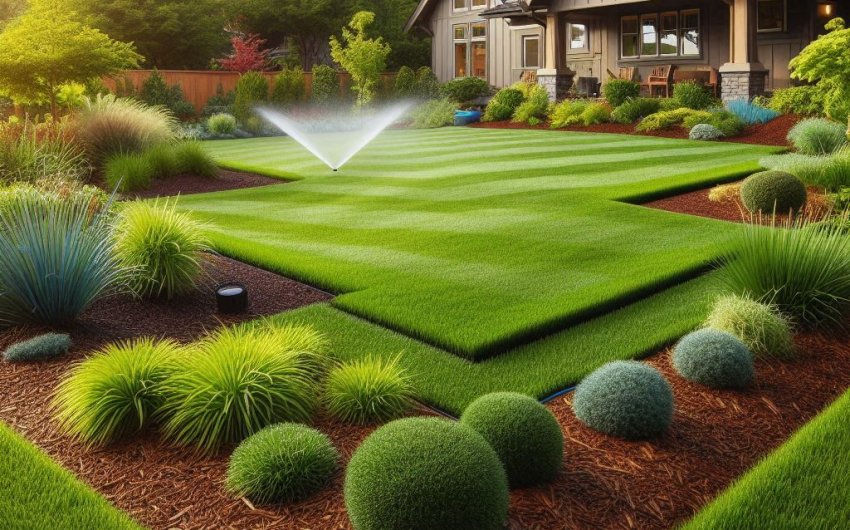
For many, a lush green lawn is a source of pride, but for allergy sufferers, it can be a seasonal nightmare. Understanding what are the best lawn care practices for allergen reduction is crucial for transforming your outdoor space from a trigger zone into a more comfortable environment. By implementing strategic mowing, smart plant choices, and effective weed management, you can significantly lessen the pollen and mold spores that cause sneezing, itchy eyes, and respiratory distress, allowing everyone to enjoy the fresh air.
Why is Lawn Care Important for Allergy Sufferers?
For millions of people, seasonal allergies turn pleasant outdoor activities into a misery of sneezing, itching, and congestion. Understanding why lawn care is important for allergen reduction is the first step toward creating a more comfortable outdoor environment.
Pollen Production:
- Grass Pollen: The most significant allergen source in lawns. Grasses are wind-pollinated, meaning they release vast quantities of lightweight pollen grains into the air. These microscopic grains can travel for miles.
- Weed Pollen: Many common lawn weeds, such as ragweed, plantain, and pigweed, are prolific pollen producers. Their pollen is also wind-borne and highly allergenic.
- Timing: Grass pollen levels are highest during late spring and early summer, while weed pollen peaks in late summer and fall. Effective lawn care practices can reduce this airborne burden.
Mold Spores:
- Damp Conditions: Lawns, especially in shaded or poorly drained areas, can harbor mold and mildew. Decaying leaves, thatch buildup, and consistently moist soil create ideal conditions for mold growth.
- Airborne Spores: Mold releases spores into the air, which are potent allergens for many individuals. Mowing can stir up these spores.
- Seasonal Fluctuation: Mold spore counts can be high year-round, but often peak in late summer and fall, especially after rain or when humidity is high.
Dust and Other Irritants:
- Mowing Stir-Up: Mowing, even a well-maintained lawn, stirs up dust, dirt, and microscopic debris, all of which can irritate sensitive airways.
- Pet Dander: If pets frequent the lawn, dander can accumulate and become airborne during activities.
Direct Contact with Allergens:
Advertisement- Skin Reactions: For some individuals, direct contact with certain grasses or weeds can cause skin irritation (contact dermatitis) in addition to respiratory symptoms.
- Transfer Indoors: Pollen and mold spores can cling to clothing, hair, and pets, transferring allergens from the lawn into the home, extending exposure indoors.
Impact on Quality of Life:
- Restricted Outdoor Activities: High allergen levels in the lawn can prevent individuals from enjoying their own yard, gardening, or outdoor recreation.
- Health Costs: Untreated allergies can lead to chronic sinus issues, asthma exacerbations, and reliance on medications.
By adopting specific lawn care practices, you can actively reduce the sources of these allergens, making your lawn a more hospitable and less reactive environment for allergy sufferers. This proactive approach is fundamental to allergen reduction in your outdoor spaces.
What Grass Types Are Best for Reducing Lawn Allergens?
Choosing the right type of grass is a foundational step in lawn care for allergen reduction. Different grass species have varying pollen characteristics that can significantly impact allergy symptoms.
Female-Only Grass Varieties (Sterile Cultivars):
- Concept: Some grass cultivars are specifically bred to be female-only plants. Since only male parts produce pollen, these varieties are essentially pollen-free.
- Benefits: This is the ideal solution for severe grass pollen allergies, as it eliminates the source of the allergen.
- Considerations: Can be more expensive and may not be available in all regions or for all grass types. Propagation is usually by sod or plugs, as they don't produce viable seeds.
- Examples: Some varieties of Bermuda grass (e.g., 'Cheyenne', 'Sundevil') and Zoysia grass (e.g., 'Emerald', 'Meyer') have sterile or very low-pollen cultivars.
Low-Pollen Grasses (vs. High-Pollen Types):
- Rye Grass (Perennial Rye):
- Characteristics: Often used in cool-season mixes. Produces less airborne pollen compared to some other types.
- Benefits: Can be a better choice for some allergy sufferers.
- Considerations: Still produces some pollen, so not completely allergen-free.
- Fescue (Tall Fescue, Fine Fescue):
- Characteristics: Cool-season grasses. Tend to have slightly larger pollen grains that don't stay airborne as long as some finer grasses.
- Benefits: Can be a decent choice for reducing airborne pollen.
- Considerations: Best for cooler climates.
- Zoysia Grass:
- Characteristics: Warm-season grass. Grows densely and can produce less pollen when properly maintained (kept mowed short).
- Benefits: Good for warm climates, forms a thick lawn that can outcompete weeds.
- Considerations: Can be slow to establish.
- Bermuda Grass:
- Characteristics: Warm-season grass, very common in southern states. Can produce a lot of pollen if allowed to go to seed.
- Benefits (if managed): If kept consistently mowed and short, it can be less problematic. Sterile cultivars are excellent.
- Considerations: Can be highly allergenic if not carefully managed.
- Rye Grass (Perennial Rye):
Consideration of "Good" vs. "Bad" Pollen:
- Wind-Pollinated: Grasses are wind-pollinated, meaning their pollen is designed to be lightweight and travel far, making them highly allergenic.
- Insect-Pollinated (Generally Better): Flowers pollinated by insects (like clover, dandelions, or most flowering plants with showy blooms) tend to have heavier, stickier pollen that doesn't easily become airborne. While some people are allergic to these, their pollen is less likely to cause widespread respiratory symptoms from a lawn.
Alternative Groundcovers (Replacing Lawn Entirely):
- Dutch White Clover:
- Characteristics: A low-growing legume that can be used as a lawn alternative. It fixes nitrogen, reducing fertilizer needs.
- Benefits: Bees pollinate its flowers, meaning its pollen is heavy and not typically wind-borne. Can be walked on.
- Considerations: Attracts bees, which can be a concern for those with bee sting allergies.
- Other Low-Pollen Groundcovers: Creeping thyme, sedum, various mosses. These options reduce or eliminate grass pollen altogether. Find creeping thyme groundcover.
- Dutch White Clover:
When selecting grass types, research options suitable for your local climate and consider whether to invest in sterile cultivars for maximum allergen reduction. Even if you don't choose a completely pollen-free option, selecting lower-pollen varieties and maintaining them properly makes a significant difference in lawn care for allergen reduction.
What Mowing Strategies Reduce Pollen and Spore Levels?
Mowing practices have a direct and significant impact on airborne allergen levels in your lawn. Implementing smart strategies is a crucial part of lawn care for allergen reduction.
Mow Frequently (Before Grass Goes to Seed):
- Goal: The primary goal is to cut the grass blades before they have a chance to develop flower heads and release pollen. Grass flowers are typically small and inconspicuous.
- Frequency: This often means mowing more frequently during peak grass pollen season (late spring to early summer) – perhaps every 3-4 days, depending on grass growth rate.
- Benefit: By decapitating the flower stalks, you prevent the vast majority of grass pollen from ever becoming airborne.
- Considerations: This requires more effort during peak season, but it's highly effective.
Keep Grass Taller (Within Limits):
- Why Taller is Better: Mowing at a higher blade setting (e.g., 3-4 inches) encourages grass to grow deeper roots, making it more robust and better able to compete with weeds. Taller grass also shades the soil, suppressing weed growth.
- Balance with Pollen: While you want to mow frequently to prevent seed heads, keeping the overall grass height a bit taller (e.g., not scalping it) helps maintain lawn health, which in turn reduces bare spots where weeds can flourish.
- Avoid Scalping: Cutting the grass too short (scalping) stresses the lawn and can encourage weed growth and fungal issues, which are counterproductive for allergen reduction.
Mow at Optimal Times of Day:
- Avoid Early Morning: Pollen counts are typically highest in the early morning (between 5 AM and 10 AM) as the air warms up and pollen is released.
- Best Time: The ideal time to mow is usually in the late afternoon or early evening, after the peak pollen has settled somewhat, or after a good rain has washed pollen away.
- Consider Air Quality Reports: Check local pollen forecasts before mowing.
Use a Bagging Mower or Robotic Mower:
- Bagging: A mower that collects grass clippings in a bag is highly effective. It removes the grass flower heads (and thus pollen) from the lawn before they can disperse. It also removes any surface mold spores or dust. Use a lawn mower with bagger.
- Robotic Mowers: These mowers cut very frequently (daily or every other day) at a very short length, preventing grass from ever producing flower heads. They also minimize human exposure to allergens. Consider a robotic lawn mower.
- Avoid Mulching Mowers (During Peak Season): While mulching mowers are generally good for lawn health, during peak pollen season, they can chop up and redistribute pollen and mold spores back into the air. Switch to bagging or use a robotic mower during these times.
Wear Protective Gear:
- Mask: Always wear a dust mask or N95 respirator when mowing, even if you follow all other tips.
- Eyewear: Protect your eyes with safety glasses or goggles.
- Gloves and Long Sleeves: Reduce direct skin contact with grass and allergens.
- Shower Immediately: After mowing, shower and change clothes to remove clinging pollen and spores.
By consistently applying these mowing strategies, you can significantly reduce airborne allergens, making your lawn a more comfortable space for allergy sufferers and contributing greatly to lawn care for allergen reduction.
How Can I Control Weeds to Reduce Allergens?
Weeds are often significant contributors to airborne allergens, sometimes even more so than grass. Effective weed control is a vital component of lawn care for allergen reduction.
Identify Allergenic Weeds:
- Common Culprits: Focus your efforts on removing highly allergenic weeds like:
- Ragweed (Ambrosia species): One of the most notorious pollen producers, blooming in late summer and fall.
- Plantain (Plantago major): Common lawn weed, produces wind-borne pollen.
- Pigweed (Amaranthus species): Another significant pollen producer.
- Lambsquarters (Chenopodium album): Produces allergenic pollen.
- Dandelions (Taraxacum officinale): While mostly insect-pollinated, the fluffy seeds can cause irritation, and their presence can indicate a less healthy lawn susceptible to other weeds.
- Research Local Weeds: Learn which allergenic weeds are common in your specific region and target them.
- Common Culprits: Focus your efforts on removing highly allergenic weeds like:
Manual Weeding (Pulling):
- Best Method for Small Areas: For individual weeds, especially large ones, physically pulling them out by hand is the most effective way to remove them and prevent pollen release.
- Timing: Pull weeds when the soil is moist (after rain or watering) for easier removal.
- Tools: Use a weeding fork or dandelion weeder to get the taproot.
- Dispose Properly: Bag and discard weeds; do not compost them if they've gone to seed or are problematic allergens.
- Wear Gear: Always wear gloves and a mask, as pulling weeds can stir up pollen and spores.
Use Pre-Emergent Herbicides (Preventative):
- How they work: Applied in early spring or fall, these chemicals create a barrier that prevents weed seeds from germinating.
- Benefits: Reduces the number of new weeds sprouting, thus reducing future pollen production.
- Considerations: Do not use if you plan to overseed your lawn, as it will also prevent grass seeds from germinating. Follow label instructions carefully. Look for pre-emergent weed killer for lawns.
Spot Treatment with Post-Emergent Herbicides:
- How they work: Applied directly to existing weeds to kill them.
- Benefits: Targets specific weeds, minimizing chemical use on the entire lawn.
- Considerations: Choose products specifically labeled for your weed type and safe for your grass type. Apply on calm, wind-free days to prevent drift.
- Timing: Apply before weeds go to flower and release pollen. Find selective weed killer spray.
Promote a Healthy, Dense Lawn (Crowd Out Weeds):
- Thick Grass: A dense, healthy lawn naturally competes with weeds for sunlight, water, and nutrients, leaving less room for them to establish.
- Proper Fertilization: Feed your lawn with a balanced lawn fertilizer according to soil test recommendations.
- Aeration and Overseeding:
- Aeration: Relieves soil compaction, allowing water, air, and nutrients to reach grass roots. Use a lawn aerator tool.
- Overseeding: Fills in bare spots with new grass, preventing weeds from taking hold. Choose low-pollen grass seeds.
- Correct Mowing: Mowing at the right height promotes a healthy, competitive lawn.
Alternative Groundcovers (Replacing Weedy Areas):
- Weed-Suppressing Plants: If a section of your lawn is consistently battling weeds, consider replacing it with a low-growing, dense groundcover that chokes out weeds and produces minimal airborne pollen (e.g., clover, creeping thyme, sedum).
By adopting a proactive approach to weed control, focusing on prevention and early removal, you can significantly reduce the allergenic burden from your lawn, making it a much more pleasant space as part of your lawn care for allergen reduction strategy.
What Other Lawn Care Practices Help with Allergen Reduction?
Beyond managing grass types, mowing, and weeds, several other holistic lawn care practices for allergen reduction contribute to a healthier and less irritating outdoor environment.
Reduce Thatch Buildup:
- What is Thatch: Thatch is a layer of dead grass stems, roots, and debris that accumulates between the green blades and the soil surface.
- Problem for Allergens: Thick thatch can trap moisture, creating an ideal breeding ground for mold and fungi, which release allergenic spores. It also hinders water and nutrient penetration.
- Dethatching: If your thatch layer is more than ½ inch thick, use a dethatching rake or a power dethatcher in late spring or early fall.
- Aeration: Core aeration helps break down thatch by bringing soil microbes to the surface.
Address Drainage Issues:
- Standing Water: Areas with poor drainage and standing water are prime locations for mold and mildew growth.
- Solutions:
- Aeration: Helps improve water penetration.
- Topdressing: Applying a thin layer of compost and sand mix can help level uneven spots and improve soil structure over time.
- French Drains: For severe, persistent pooling, consider installing a French drain to divert water away.
- Benefit: Reduces damp conditions that foster mold and mildew.
Manage Watering Wisely:
- Deep and Infrequent: Water deeply and less frequently to encourage deep root growth. This promotes a stronger, healthier lawn that is less prone to stress and disease (including fungal diseases).
- Morning Watering: Water in the early morning so the grass has ample time to dry out before evening. Avoid watering in the late afternoon or evening, as wet foliage overnight creates ideal conditions for mold and fungal growth.
- Check Soil Moisture: Don't just water on a schedule; feel the soil to ensure it needs water. Overwatering leads to shallow roots and mold issues.
Use Organic Fertilizers and Soil Amendments:
- Healthy Soil, Healthy Lawn: A healthy soil ecosystem supports robust grass growth that can outcompete weeds and resist disease.
- Compost: Top-dress your lawn with a thin layer of composted organic matter annually. This improves soil structure, drainage, and nutrient availability, reducing reliance on synthetic fertilizers that can sometimes upset soil balance.
- Avoid Excessive Nitrogen: While nitrogen promotes green growth, too much can lead to lush, soft grass that is more susceptible to fungal diseases. A balanced approach is best.
Consider Edging and Barriers:
- Prevent Weed Creep: Install physical barriers or garden edging around your lawn and garden beds to prevent weed grasses from spreading into your cultivated areas and to reduce the overall area that produces grass pollen.
- Create Allergen-Free Zones: Designate specific areas of your yard as "low-allergen zones" using hardscaping (patios, gravel), mulch, or non-allergenic plants (e.g., flowering plants pollinated by insects) to provide respite for allergy sufferers.
Regular Equipment Maintenance:
- Clean Mower Deck: Regularly clean the underside of your mower deck to remove clumps of grass and debris, which can harbor mold.
- Sharp Blades: Keep mower blades sharp. Dull blades tear grass, stressing it and making it more vulnerable to disease.
By integrating these comprehensive practices into your routine, you create a healthier, more resilient lawn environment that actively minimizes allergens, allowing you to breathe easier in your own outdoor space. This holistic approach is essential for what are the best lawn care practices for allergen reduction.