
How Do I Manage a Lawn with Frequent Flooding or Poor Drainage?
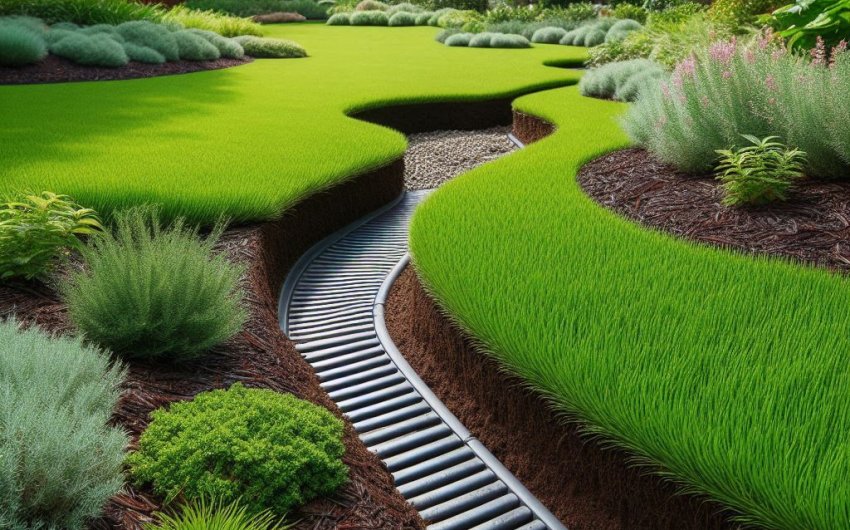
Dealing with a waterlogged yard can be incredibly frustrating for any homeowner. If you're wondering how do I manage a lawn with frequent flooding or poor drainage, you're not alone. Standing water not only damages grass, leading to bare patches and moss growth, but it can also create slippery hazards and become a breeding ground for mosquitoes. Effectively addressing drainage issues is key to transforming a soggy landscape into a thriving green space.
What Causes Frequent Flooding or Poor Drainage in Lawns?
Understanding the root cause of water accumulation is the first step in devising an effective solution. Several factors can contribute to a lawn's inability to drain properly.
Compacted Soil
One of the most common culprits is compacted soil. Over time, foot traffic, heavy machinery, and even intense rainfall can compress soil particles, reducing the pore space (the tiny air pockets) within the soil. When these spaces are reduced, water can't infiltrate easily and instead pools on the surface. Clay soils are particularly prone to compaction.
High Water Table
In some areas, the natural water table (the level below which the ground is saturated with water) might be very close to the surface. This is common in low-lying areas, near wetlands, or coastal regions. When the water table is high, the soil is already saturated, leaving no room for additional rainwater to percolate down, resulting in surface pooling.
Hardpan Layer
Below the topsoil, there might be a dense, impenetrable layer called hardpan. This layer, often formed naturally or through construction activities, can prevent water from draining deeply into the ground, forcing it to remain closer to the surface. It acts like a concrete slab preventing vertical drainage.
Improper Grading
The slope or contour of your land plays a huge role in drainage. If your lawn slopes towards your house, or if there are depressions or low spots, water will naturally collect there. Improper grading can funnel rainwater to unwanted areas, creating persistent puddles.
Clay-Heavy Soil Composition
Heavy clay soils have very fine particles that pack together tightly, leaving little room for water and air. While clay can be rich in nutrients, its poor drainage characteristics make it challenging for many lawn grasses to thrive, as their roots can essentially drown in saturated conditions.
What are Immediate Solutions for Standing Water?
When you have standing water on your lawn right now, you need quick fixes to mitigate the damage and make the area usable. These are temporary measures, but they can provide immediate relief when asking how do I manage a lawn with frequent flooding or poor drainage.
Create Temporary Channels
For acute, temporary flooding, you can dig shallow, temporary channels or swales to direct excess water away from problem areas. Use a shovel to create a small ditch that guides the water towards a storm drain, a lower part of your yard, or a rain garden. This is a quick fix to prevent prolonged saturation.
Aerate the Area with a Pitchfork
If you have isolated puddles due to compaction, gently pushing a pitchfork into the standing water every few inches can create small holes for the water to penetrate. While not a permanent solution, it can help the water drain more quickly in the short term. Just be careful not to injure yourself on the tines.
Avoid Walking on Saturated Ground
Walking or driving on a waterlogged lawn compacts the soil even further, worsening the drainage problem and damaging the grass. Try to stay off the affected areas until the water has drained, even if it means finding alternative routes across your yard.
Remove Debris
Clear any leaves, sticks, or other debris that might be blocking existing drainage pathways, gutters, or downspouts. A clogged gutter can direct large volumes of water directly onto your lawn, creating localized flooding.
How Can Soil Amendments Improve Drainage?
Changing the soil composition is a long-term strategy for improving drainage and a fundamental answer to how do I manage a lawn with frequent flooding or poor drainage. By altering the structure of your soil, you can increase its ability to absorb and drain water.
Incorporating Organic Matter
Adding ample organic matter is perhaps the single most effective way to improve drainage in clay soils and water retention in sandy soils. Materials like compost, aged manure, and shredded leaves create larger pore spaces in clay, allowing water to percolate. For sandy soils, it improves their ability to hold nutrients and moisture without becoming waterlogged. Aim to top-dress with a half-inch to one inch of compost annually.
Core Aeration
Core aeration involves removing small plugs of soil from your lawn, creating channels for water, air, and nutrients to penetrate compacted soil. This is particularly effective for lawns with heavy foot traffic or clay soil. You can rent a core aerator or hire a professional lawn care service. Aerate in the spring or fall when the grass is actively growing.
Gypsum Application (for sodium-heavy soils)
While not a universal fix, gypsum (calcium sulfate) can be beneficial for breaking up compacted clay soils that have a high sodium content. Sodium causes clay particles to stick together. Gypsum helps replace sodium with calcium, allowing the clay particles to flocculate (clump together into larger aggregates), which improves drainage. It's important to do a soil test to confirm sodium levels before applying gypsum. You can find lawn gypsum at garden supply stores.
Sand Amelioration (with caution)
Adding coarse sand can improve drainage in clay soils by creating larger pore spaces. However, it must be added in significant quantities (at least 50% by volume) and thoroughly mixed to be effective. Adding too little sand to clay can actually create a material resembling concrete, worsening the problem. This method is generally recommended for small areas or garden beds, not usually for entire lawns unless done by a professional with a precise plan.
What Structural Drainage Solutions Can I Install?
For persistent or severe drainage problems, structural modifications to your landscape might be necessary. These solutions involve engineering the landscape to manage water flow, offering definitive answers to how do I manage a lawn with frequent flooding or poor drainage.
French Drains
A French drain is a trench filled with gravel or rock, containing a perforated pipe that redirects surface and groundwater away from an area. Water enters the pipe through the perforations, flows through the pipe, and exits at a lower, drier location. Installing a French drain system can effectively alleviate standing water.
Catch Basins and Grates
Catch basins are collection boxes with grates installed at low points in the landscape where water tends to collect. Water flows into the basin and is then directed away through an underground pipe system, often connected to a storm drain or a dry well. These are ideal for concentrated areas of pooling.
Regrading the Lawn
Regrading involves changing the slope of your lawn to direct water away from structures and problem areas. This can be a significant undertaking, often requiring heavy equipment, but it is one of the most effective long-term solutions for widespread drainage issues. The goal is to create a gentle slope that guides water naturally.
Dry Wells
A dry well is an underground chamber, often a large pit filled with gravel or a specialized pre-manufactured barrel, that collects and slowly disperses stormwater into the surrounding soil. They are used when there's no suitable lower elevation to drain water to. A dry well kit can be purchased for DIY installation.
Swales
A swale is a shallow, broad, and gently sloping channel designed to collect and convey stormwater slowly across a landscape. Unlike a ditch, a swale is designed to be a natural-looking landscape feature, often planted with grass or water-tolerant plants, that helps direct water away from problem areas while allowing some to infiltrate.
Which Grass Types Tolerate Wet Conditions Better?
If persistent moisture is unavoidable in certain areas, choosing the right grass variety can make a significant difference. Some grass types are simply more resilient in damp environments, making your selection a key part of how do I manage a lawn with frequent flooding or poor drainage.
Tall Fescue
Tall fescue (Festuca arundinacea) is often recommended for areas with inconsistent moisture, as it has a deep root system that helps it tolerate both drought and temporary wet conditions. It performs well in a range of soil types, including heavier clays, and can endure some shade. You can find tall fescue grass seed suitable for your region.
Fine Fescues (Red, Chewings, Hard Fescue)
While not as tolerant of outright standing water as some other options, fine fescues (Festuca rubra, Festuca rubra commutata, Festuca longifolia) are known for their tolerance to poorer, low-fertility soils and some shade. They have finer blades and can be a good choice for areas that stay damp but don't experience prolonged pooling.
Ryegrasses (Perennial and Annual)
Perennial ryegrass (Lolium perenne) has good traffic tolerance and establishes quickly. It can handle moderate moisture. Annual ryegrass (Lolium multiflorum) is often used as a temporary cover crop or for quick germination in problematic areas, as it tolerates a wide range of conditions, including some wetness. It will die off after one season.
Zoysiagrass (for warm climates)
In warm-season climates, zoysiagrass (Zoysia japonica) is a robust choice. It forms a dense, tough turf that is quite tolerant of heavy clay soils and some moist conditions once established, although it won't thrive in constantly saturated soil. Its deep root system also helps it manage drought.
Bentgrass (requires high maintenance)
While known for golf courses, bentgrass (Agrostis stolonifera) is extremely tolerant of wet conditions and can even handle some standing water. However, it requires very high maintenance, including frequent mowing and specific fertilization regimes, making it less suitable for typical residential lawns.
Should I Consider Alternatives to a Traditional Lawn in Problem Areas?
For areas with severe and persistent flooding or poor drainage, trying to maintain a traditional turfgrass lawn can be a losing battle. Sometimes, the best solution to how do I manage a lawn with frequent flooding or poor drainage is to embrace a different landscape approach.
Rain Gardens
A rain garden is a shallow depression designed to collect and absorb stormwater runoff from impervious surfaces (like roofs and driveways). They are planted with native, water-tolerant plants that can handle both wet and dry conditions. Rain gardens not only address drainage but also create beautiful wildlife habitats. You can often find a rain garden kit with appropriate plants.
Bog Gardens
For areas that are perpetually soggy and never truly dry out, a bog garden might be the perfect solution. These are designed to mimic natural bog ecosystems and feature plants that thrive in constantly saturated, low-oxygen conditions. Examples include carnivorous plants, some ferns, and certain types of irises.
Dry Creek Beds
A dry creek bed is a landscape feature that looks like a natural stream bed but only carries water during heavy rainfall. It helps direct water away from problem areas while being an attractive, low-maintenance feature during dry spells. They are typically lined with permeable landscape fabric and filled with various sizes of river rock.
Permeable Pavers or Gravel Paths
If the waterlogging is occurring on a pathway or patio area, replacing impervious surfaces with permeable pavers or gravel paths can allow water to drain through the surface rather than running off and creating puddles elsewhere. This reduces runoff and helps water infiltrate the ground.
Raised Beds
For planting areas, building raised garden beds can effectively bypass poor ground-level drainage. You can fill them with well-draining soil mixes, ensuring your plants' roots are above the water table. This is particularly useful for growing vegetables or sensitive ornamentals in wet areas.
Water-Tolerant Shrubs and Trees
Instead of struggling to grow grass, consider planting water-tolerant shrubs and trees in consistently wet spots. Many native plants are adapted to saturated soils and can thrive where turfgrass fails. Consult with a local nursery or extension office for species suitable for your specific climate and conditions.
What is the Role of Guttering and Downspouts in Drainage?
While seemingly simple, your home's gutter and downspout system plays a critical role in managing water runoff and preventing lawn drainage issues. Proper functioning of these components is a primary answer to how do I manage a lawn with frequent flooding or poor drainage.
Diverting Roof Runoff
Your roof is a huge surface area that collects a massive amount of rainwater during a storm. Gutters are designed to collect this water, and downspouts channel it safely away from your home's foundation and, ideally, away from your lawn. If gutters are clogged or downspouts discharge water directly onto the lawn, localized flooding will occur.
Proper Downspout Extension
Ensure your downspouts extend far enough away from your house and foundation. Short downspouts can dump water directly next to your home, saturating the soil and potentially leading to foundation problems and localized lawn flooding. Use downspout extensions to direct water at least 5-10 feet away or into a dedicated drainage system.
Regular Maintenance
Periodically clean your gutters to prevent clogs from leaves, debris, and shingle grit. Clogged gutters can overflow, directing water over the sides and saturating the ground immediately around your house, leading to lawn problems. Install gutter guards to reduce maintenance.
Connect to Drainage Systems
For severe issues, you can connect your downspouts to an underground drainage system (like a French drain or a buried pipe leading to a dry well) that carries the water even further away or allows it to infiltrate slowly. This prevents concentrated runoff from ever reaching your lawn surface.
How Does Topography Affect Drainage Solutions?
The natural lay of your land, or topography, is a fundamental consideration when addressing drainage problems. Ignoring existing slopes and depressions can lead to ineffective solutions when asking how do I manage a lawn with frequent flooding or poor drainage.
Identifying High and Low Points
Before implementing any drainage solution, spend time observing your yard during and after heavy rainfall. Identify where water naturally flows, where it pools, and where the high and low points are. This mapping is crucial for designing effective interventions.
Utilizing Natural Slopes
Instead of fighting gravity, work with it. If your lawn has a natural slope, you can use it to your advantage to guide water away from problem areas using swales, channels, or regrading. Understanding the existing contours helps you create subtle landscape changes that are highly effective.
Addressing Depressions
Low-lying areas or depressions within your lawn will always be prone to pooling. These are prime candidates for structural solutions like catch basins, dry wells, or conversion to a rain garden. Filling these depressions with soil (regrading) can also eliminate the pooling, but ensure the new surface still directs water elsewhere.
Preventing Runoff from Neighboring Properties
Sometimes, your flooding issues might be due to water running off a neighbor's property. Understanding your property's topography relative to theirs can help you identify if a retaining wall, berm (earthen mound), or intercepting swale is needed along your property line to divert incoming water. Always discuss with your neighbor before making changes that might affect their property.
What Long-Term Maintenance Practices Promote Good Drainage?
Addressing drainage is not a one-time fix; it requires ongoing care and attention. Consistent maintenance practices are crucial for the long-term success of how do I manage a lawn with frequent flooding or poor drainage.
Regular Core Aeration
Beyond an initial aeration to break up compaction, performing core aeration annually or bi-annually, especially in clay soils or high-traffic areas, helps maintain good soil structure and allows water to infiltrate efficiently.
Top Dressing with Organic Matter
Regularly applying a thin layer of compost or other organic matter to your lawn (known as top dressing) continues to improve soil structure, increases microbial activity, and enhances drainage over time. This continuous addition helps prevent re-compaction and keeps the soil healthy.
Proper Mowing Height
Mowing your grass at the appropriate height encourages deeper root growth. Taller grass shades the soil, reducing water evaporation from the surface, and deeper roots can access moisture from further down, making the lawn more resilient to both wet and dry spells. Aim for a cutting height of 2.5 to 3 inches for most cool-season grasses.
Avoiding Over-Fertilization
Excessive use of chemical fertilizers can contribute to soil compaction by harming beneficial soil microorganisms and leading to a buildup of salts. Opt for slow-release, organic fertilizers or use compost to feed your lawn, which nurtures soil health.
Smart Irrigation
Even if you have drainage issues, your lawn still needs water during dry periods. Learn to irrigate deeply and infrequently. This encourages roots to grow deeper, making them more resilient. Avoid shallow, frequent watering, which promotes shallow root systems and can exacerbate surface pooling. Use a smart sprinkler controller to optimize watering.
Monitor and Adapt
Continuously monitor your lawn's response to your drainage efforts. Pay attention to new problem areas, changing water patterns, or signs of stress in your grass. Drainage solutions often require a multi-faceted approach and may need adjustments over time.
By understanding the causes, implementing a combination of immediate fixes, soil amendments, structural solutions, and appropriate plant choices, you can effectively navigate how do I manage a lawn with frequent flooding or poor drainage, ultimately creating a healthy, functional, and aesthetically pleasing outdoor space.