
How to Make a Raised Bed Garden Organic?
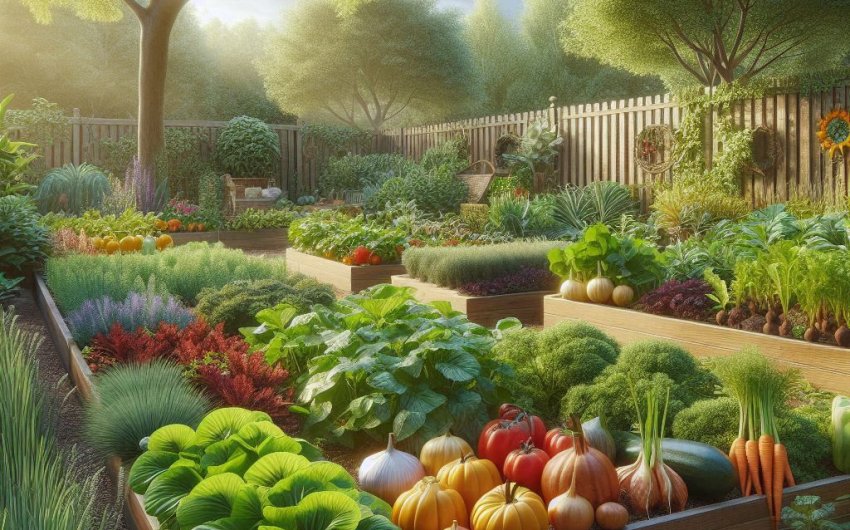
If you're looking to create a raised bed garden that's organic, you've come to the right place. Organic gardening is not only better for the environment, but it also yields healthier and more flavorful crops. This guide will take you step-by-step through the process of building an organic raised bed garden, from choosing materials to maintaining the soil naturally. Whether you're a seasoned gardener or a complete beginner, this comprehensive guide will help you on your journey to growing a productive and organic garden.
Choosing the Right Location for Your Raised Bed
The location of your raised bed garden is critical to its success. To ensure your plants thrive, you need to choose a site that receives plenty of sunlight, ideally 6 to 8 hours a day. Most fruits and vegetables require full sunlight to produce well, though some leafy greens may tolerate partial shade.
Additionally, you’ll want the site to have good drainage. Raised beds naturally provide better drainage than traditional in-ground gardens, but avoid placing the bed in low-lying areas where water tends to pool.
When selecting your location, consider accessibility. You’ll be spending time watering, weeding, and harvesting, so having the raised bed near your home will make these tasks more convenient. Be mindful of surrounding structures that may cast shadows or block light from reaching the garden.
Plan for success and create an organic haven for your plants by using a well-positioned raised bed garden. Find raised bed garden kits to get started.
Selecting Organic Materials for Your Raised Bed
To build a truly organic garden, the materials you use for the bed itself should be organic or sustainably sourced. Avoid treated wood, as it can leach chemicals into the soil. Instead, opt for natural materials like cedar, which is naturally resistant to rot and insects, or composite materials made from recycled plastics and wood fibers. These options are both eco-friendly and durable, providing a long-lasting solution.
Another popular choice is to build your raised bed using galvanized metal, which is both sturdy and resistant to rust. Make sure any metal or wood you choose does not contain harmful substances that can contaminate your soil over time.
Build your raised bed garden with eco-friendly materials for an all-natural start. Explore raised bed garden kits in natural wood or galvanized steel.
Organic Soil Mix: The Foundation of a Healthy Garden
Soil quality is the most important factor in organic gardening. For your raised bed, you want a soil mix that is rich in nutrients and promotes good drainage. A typical organic raised bed soil mix consists of three main components:
- Compost: Adds essential nutrients and improves soil structure.
- Coconut Coir or Peat Moss: Helps retain moisture while keeping the soil light and airy.
- Perlite or Sand: Improves drainage and prevents compaction.
When you create your own soil mix, ensure all ingredients are certified organic. Compost, in particular, should come from a trusted source or be homemade to ensure it's free from chemical residues.
Mixing these components in equal parts will give you a nutrient-rich, well-drained soil that allows your plants' roots to grow deep and strong. For added fertility, consider adding organic fertilizers like worm castings or bone meal.
Create a rich, organic soil mix to nourish your plants from day one. Find organic soil components and fertilizers here.
Mulching for Weed Control and Moisture Retention
Mulching is an essential practice in any organic garden. By covering the surface of your soil with organic mulch, you can suppress weeds, retain moisture, and regulate soil temperature. Some great organic mulching materials include:
- Straw or Hay: These materials break down over time, adding nutrients to the soil.
- Wood Chips: Long-lasting and great for keeping weeds at bay.
- Leaves: Free and abundant, leaves make an excellent mulch that can improve soil structure as they decompose.
Be sure to apply a 2-3 inch layer of mulch to cover the soil evenly, but avoid piling it too close to the plant stems to prevent rot. As the mulch breaks down, it will contribute organic matter to the soil, enriching it further.
Keep your raised bed garden moist and weed-free with the right organic mulch. Explore organic mulch options here.
Choosing Organic Seeds and Plants
The journey to an organic raised bed garden begins with choosing organic seeds or plants. Organic seeds are produced without synthetic fertilizers, pesticides, or genetically modified organisms (GMOs). When selecting seeds or transplants, look for those labeled USDA Certified Organic or from a trusted organic supplier.
Popular organic vegetables for raised beds include:
- Tomatoes
- Lettuce
- Carrots
- Zucchini
- Beans
By using organic seeds and plants, you ensure that your garden remains chemical-free from the very beginning. Additionally, heirloom varieties are often prized in organic gardening for their superior flavor and resilience.
Start your garden with 100% organic seeds and watch your plants thrive. Find certified organic seeds here.
Organic Fertilization: Keeping Your Soil Rich
Organic fertilizers feed the soil, which in turn feeds your plants. Rather than using synthetic fertilizers that can damage soil life and cause nutrient imbalances, organic gardeners rely on natural soil amendments to maintain fertility. Here are some of the best organic fertilizers for raised bed gardens:
- Compost: Homemade or bought, it enriches the soil with a balanced array of nutrients.
- Worm Castings: Rich in nutrients and beneficial microorganisms.
- Bone Meal: Supplies phosphorus, which is essential for root growth.
- Fish Emulsion: A fast-acting liquid fertilizer high in nitrogen, great for leafy greens.
- Alfalfa Meal: A slow-release fertilizer that provides potassium and nitrogen.
Apply these organic fertilizers throughout the growing season to keep your plants healthy and productive. Always follow package instructions or test your soil to determine its specific nutrient needs.
Feed your garden with all-natural fertilizers for a bountiful harvest. Shop organic fertilizers here.
Watering Your Raised Bed Organically
Proper watering is key to maintaining a thriving organic raised bed garden. Because raised beds tend to dry out faster than in-ground gardens, they require more frequent watering. Here are some tips to ensure your plants receive adequate moisture without overwatering:
- Water Early: Water your garden in the morning to allow the plants to absorb moisture before the heat of the day.
- Deep Watering: Aim to water the soil to a depth of at least 6 inches. Deep watering encourages deep root growth.
- Drip Irrigation: Consider installing a drip irrigation system to deliver water directly to the roots without wasting water. It also prevents soil erosion and reduces the risk of mold and fungal diseases.
- Rainwater Harvesting: Using rainwater for your garden is an excellent organic practice that conserves resources and provides your plants with chemical-free hydration.
Ensure your garden is watered efficiently with eco-friendly irrigation solutions. Check out drip irrigation systems and rainwater harvesting tools.
Organic Pest Control
In an organic raised bed garden, you need to focus on preventive pest control methods that do not rely on synthetic chemicals. Fortunately, many natural techniques can keep pests at bay without harming beneficial insects or the environment.
Companion Planting
Companion planting is the practice of growing certain plants together to repel pests or attract beneficial insects. For example:
- Marigolds repel aphids and nematodes.
- Basil deters flies and mosquitoes, while enhancing the flavor of nearby tomatoes.
- Nasturtiums act as a trap crop, drawing pests away from other plants.
Utilize companion planting for natural pest control. Discover companion plants here.
Organic Pesticides
If pests do appear, there are several organic pesticides you can use that are safe for your plants, the environment, and your health. Some of the most effective organic pest control products include:
- Neem Oil: A natural insecticide that disrupts pest feeding and reproduction.
- Insecticidal Soap: Kills soft-bodied pests like aphids without harming beneficial insects.
- Diatomaceous Earth: A powdery substance made from fossilized algae that cuts through insect exoskeletons, causing them to dehydrate.
Be sure to apply these products according to the manufacturer’s instructions and only when necessary.
Keep pests under control with safe, organic solutions. Shop organic pest control products here.
Organic Weed Control
Weeds can quickly become a nuisance in any garden, but controlling them organically is entirely possible with the right approach. Since you’re avoiding synthetic herbicides, you’ll need to rely on methods that are safe for both the environment and your plants.
Hand Weeding
Regular hand weeding is one of the most effective ways to keep weeds in check. Make sure to remove the weeds by the roots to prevent them from growing back. To make the task easier, consider using ergonomic weeding tools.
Remove weeds naturally with quality hand tools. Explore weeding tools here.
Mulching
As mentioned earlier, organic mulch is another great way to suppress weeds by blocking sunlight and preventing their growth. Mulching also improves soil fertility and reduces the need for watering, making it a win-win in your organic garden.
Vinegar-Based Herbicides
For tough weeds, you can use vinegar-based herbicides that are non-toxic and biodegradable. These products are made from acetic acid and are effective at killing weeds without harming the surrounding environment.
Keep your raised bed weed-free with organic solutions. Check out natural herbicides here.
Rotating Crops for Soil Health
Crop rotation is a key principle in organic gardening that helps prevent soil depletion and reduces the risk of pests and diseases. By changing the location of specific crops each year, you can maintain soil fertility and break the life cycle of pests.
For example, avoid planting tomatoes in the same spot year after year, as they can deplete the soil of nitrogen. Instead, follow them with beans or peas, which are nitrogen-fixing plants that restore this essential nutrient to the soil.
Implement crop rotation to maintain a healthy, productive garden. Find nitrogen-fixing plants here.
Composting: A Cornerstone of Organic Gardening
No organic garden is complete without a composting system. Composting is the process of recycling organic materials, such as kitchen scraps and garden waste, into a nutrient-rich soil amendment. The resulting compost is invaluable for building healthy soil and reducing your reliance on store-bought fertilizers.
You can create your own compost using a variety of materials, including:
- Vegetable Peels
- Fruit Scraps
- Coffee Grounds
- Grass Clippings
- Leaves
Maintaining a balance between "green" materials (rich in nitrogen) and "brown" materials (rich in carbon) is key to successful composting.
Boost soil fertility with your own composting system. Find compost bins and accessories here.