
What is the Best Soil Mix for Raised Garden Beds?
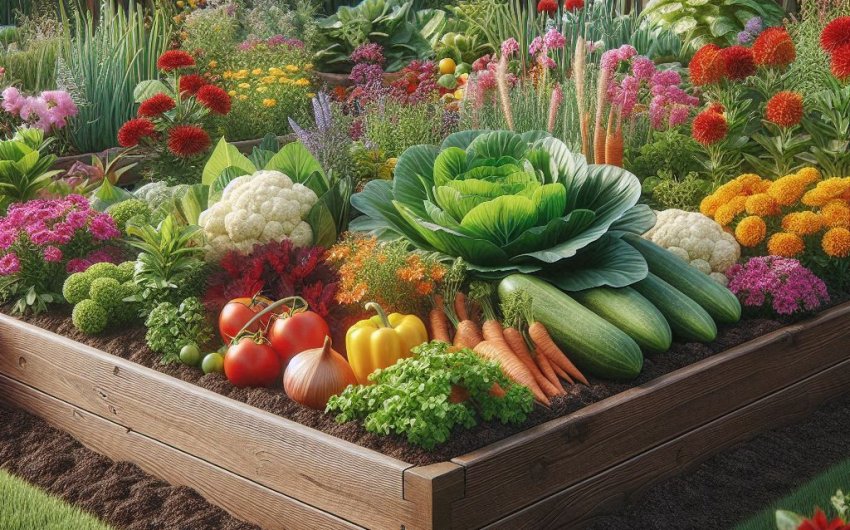
When building a raised garden bed, one of the most critical factors to consider is the quality of the soil mix. The soil composition will determine how well your plants grow, how much water retention occurs, and how many nutrients are available for your crops. While a variety of different soil mixes are available, choosing the best combination for your specific garden requires some knowledge about the components and their roles.
Understanding the Basic Components of Soil Mixes
To create the best soil mix for raised garden beds, you need a balance of different components that support plant health. A good soil mix typically includes three primary ingredients: topsoil, compost, and an aeration material like perlite or vermiculite. These ingredients ensure that the soil remains light, provides nutrients, and drains well, all of which are critical for successful gardening.
1. Topsoil: The Foundation of Your Garden Bed
Topsoil forms the base layer of most soil mixes, supplying essential minerals and organic matter. It contains broken-down rock and organic material that naturally occurs in the uppermost part of the soil. However, not all topsoils are created equal. You’ll want to use a screened topsoil that is free of debris and weed seeds, offering a finer texture for raised beds.
Topsoil alone doesn’t contain enough nutrients for plants to thrive, so it’s often mixed with other materials. However, it provides the structure needed to support plant roots and holds moisture well, preventing the soil from drying out too quickly. When purchasing topsoil, you can choose from different varieties, each suited for specific gardening needs. Ensure you select high-quality screened topsoil for the best results in your raised bed garden.
Shop high-quality topsoil options to create the perfect foundation for your raised garden beds.
2. Compost: Nutrient Powerhouse
Compost is an essential part of any soil mix, acting as a powerful source of nutrients for your plants. Compost is created by the natural breakdown of organic materials such as leaves, food scraps, and grass clippings. This nutrient-rich material helps increase the fertility of your soil and encourages healthy plant growth.
One of the benefits of using compost is that it improves soil structure and provides food for beneficial microbes and worms, which contribute to a healthy growing environment. Compost can also improve soil aeration and drainage, reducing the risk of root rot or waterlogged soil. When mixing compost into your raised bed, aim for a 30% to 40% ratio in your overall soil composition.
Make sure to choose organic compost for your soil mix. The higher the quality of the compost, the better your plants will perform.
Explore organic compost options that will help nourish your garden.
3. Aeration Materials: Enhancing Drainage and Oxygen Flow
Another key component in a raised bed soil mix is an aeration material, such as perlite, vermiculite, or coconut coir. These materials ensure that the soil remains light and doesn’t become compacted over time, allowing roots to access oxygen and moisture efficiently.
Perlite: This is a volcanic glass that’s been heated to a high temperature, which makes it expand into small, lightweight particles. Perlite helps improve soil drainage and aeration, making it ideal for use in raised beds. It also reduces soil compaction, which can be a significant problem in raised gardens.
Vermiculite: Vermiculite is another mineral that expands when heated. It has excellent moisture-retaining properties, so it can help prevent your soil from drying out too quickly. Vermiculite is often used in raised beds that require good water retention without sacrificing aeration.
Coconut Coir: Made from the fibrous husks of coconuts, coconut coir is a sustainable option that holds water exceptionally well while still allowing for aeration. It’s an excellent alternative to peat moss, which is less environmentally friendly.
Including any of these aeration materials in your soil mix helps create the ideal environment for your plants’ roots.
Browse perlite options for enhanced drainage and shop vermiculite to boost moisture retention.
Creating the Perfect Soil Mix for Different Plants
Not all plants require the same soil conditions. Depending on what you plan to grow in your raised bed, you may want to adjust the ratios of your soil components or add specific amendments to suit the needs of your plants. Below are some suggestions for common plant categories.
1. Soil Mix for Vegetables
Vegetables thrive in nutrient-rich, well-drained soil. For a vegetable garden, a common soil mix consists of 40% topsoil, 40% compost, and 20% aeration material like perlite or vermiculite. The compost will provide the necessary nutrients, while the aeration material ensures that the soil doesn’t become too compacted, allowing vegetable roots to spread and absorb moisture efficiently.
Many vegetables, such as tomatoes, peppers, and leafy greens, prefer a slightly acidic to neutral pH soil. You can test your soil's pH using a soil testing kit to ensure it's within the ideal range for vegetables.
Shop soil testing kits to ensure the right conditions for your vegetable garden.
2. Soil Mix for Herbs
Herbs, such as basil, rosemary, and thyme, often prefer well-drained soil with a lower nutrient content than vegetables. A good mix for herbs would be 30% topsoil, 30% compost, and 40% aeration material like coconut coir or perlite. This mix ensures that the soil is light and airy, preventing the roots from sitting in water.
Herbs are generally more drought-tolerant than other plants, so adding extra perlite or vermiculite to improve drainage can be beneficial. This will also reduce the risk of fungal diseases caused by excessive moisture around the roots.
Find the right coconut coir for herbs to keep your herb garden healthy and vibrant.
3. Soil Mix for Flowers
When planting flowers in your raised garden bed, it’s essential to create a mix that encourages both strong blooms and healthy root development. Many flowering plants benefit from a balanced blend of topsoil, compost, and aeration materials. A recommended mix is 35% topsoil, 35% compost, and 30% vermiculite or coconut coir for improved water retention and aeration.
Some flowers may also require additional amendments like peat moss or bone meal to encourage blooming and root strength. Peat moss can help retain moisture, while bone meal provides a phosphorus boost, aiding in flower development.
Choose the best vermiculite for your flowers to ensure lush and beautiful blooms.
4. Soil Mix for Root Vegetables
Root vegetables like carrots, beets, and radishes need loose, well-drained soil that allows them to grow deep without obstruction. Heavy or compacted soil can cause deformed roots or poor growth.
For root vegetables, consider a mix of 50% topsoil, 30% compost, and 20% perlite or sand. The sand or perlite will provide the necessary drainage and help keep the soil light, while the compost offers nutrients to support root development.
Buy high-quality sand for your root vegetable beds to promote healthy growth.
Organic vs. Non-Organic Soil Mixes
When choosing materials for your raised bed soil mix, you may wonder whether to go with organic or non-organic options. Organic soil mixes focus on using natural materials like composted plant matter, animal manure, and natural minerals. These organic components promote long-term soil health and create a living environment for beneficial microbes, fungi, and insects.
Non-organic soil mixes, on the other hand, may include synthetic fertilizers, chemicals, or processed materials that are not derived from natural sources. While these may provide a quick nutrient boost, they can degrade soil health over time and harm beneficial soil organisms.
Organic mixes are generally considered better for long-term gardening, especially if you're growing edible plants. You can ensure a steady supply of nutrients without relying on synthetic additives, and you'll improve the overall ecosystem of your garden.
Explore organic soil mix options for a sustainable and healthy raised garden bed.
Key Additives for Soil Health and Fertility
In addition to the basic soil components, several other additives can enhance the health and fertility of your raised bed garden. These amendments can correct nutrient deficiencies, adjust pH levels, or improve specific aspects of soil structure.
1. Worm Castings
Worm castings are an excellent natural fertilizer that improves soil structure, water retention, and nutrient availability. They’re full of beneficial microbes that help plants absorb nutrients more effectively. Worm castings also provide slow-release nutrients, ensuring that your plants have access to them over time.
Adding worm castings to your soil mix, particularly in small amounts (about 10% of the total mix), can result in more robust plant growth and healthier crops.
Find the best worm castings to supercharge your soil.
2. Rock Phosphate
For gardens with flowering plants or fruit-bearing crops, rock phosphate can be a beneficial amendment. Rock phosphate is a slow-release source of phosphorus, which is essential for flower and fruit development. It also helps strengthen plant roots.
This mineral can be particularly helpful in raised beds where the soil may become depleted of nutrients over time. Adding rock phosphate in small amounts to your soil mix will ensure your plants have access to phosphorus throughout the growing season.
Buy rock phosphate for healthier flowers and fruits.
3. Blood Meal
Blood meal is a high-nitrogen fertilizer that encourages leafy growth, making it ideal for greens like lettuce, spinach, and kale. Nitrogen is essential for producing healthy green foliage, and blood meal is one of the most concentrated sources available.
Adding a small amount of blood meal to your raised bed soil mix can help balance nitrogen levels and promote lush, leafy growth in plants that require it.
Shop for blood meal to provide nitrogen for leafy greens.
4. Lime for pH Adjustment
If your soil tends to be too acidic for the plants you want to grow, adding lime can help balance the pH level. Lime works to neutralize acidic soils, making it more alkaline, which is important for plants that prefer a more neutral or slightly alkaline environment.
Use dolomitic lime for best results, as it contains both calcium and magnesium, which are beneficial for plant growth. However, it’s important to test your soil’s pH before adding lime, as over-application can make the soil too alkaline.
Find lime products to adjust your soil pH to optimal levels for your plants.
5. Mycorrhizal Fungi
Mycorrhizal fungi form symbiotic relationships with plant roots, helping them absorb more water and nutrients. These fungi are particularly beneficial in poor soils or in areas where plants struggle to establish strong root systems. Adding a mycorrhizal fungi supplement to your soil mix can enhance plant health and increase yields in your raised garden beds.
These fungi work especially well with plants that are heavy feeders, such as tomatoes, peppers, and squash. A light dusting of mycorrhizal fungi powder around the roots of your plants can lead to dramatic improvements in their growth and overall health.
Purchase mycorrhizal fungi to boost your plant’s ability to take up nutrients.
Moisture Retention and Mulching
Once you've planted your raised garden bed, it’s essential to manage moisture levels and protect your soil from excessive evaporation. One effective way to do this is by applying mulch to the surface of your soil.
Mulch helps retain moisture, regulates soil temperature, and suppresses weeds. Common types of mulch for raised beds include straw, wood chips, and grass clippings.