
How to Choose the Right Location for My Raised Bed Garden?
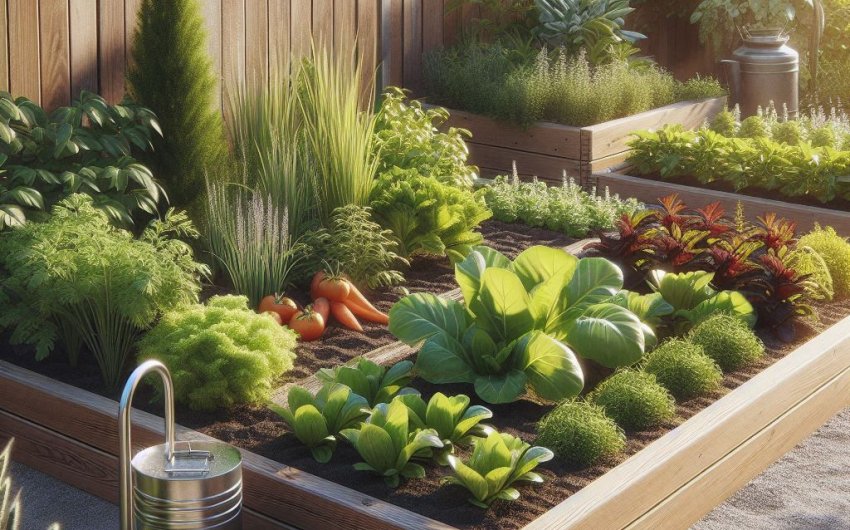
When planning a raised bed garden, selecting the right location is one of the most critical decisions you'll make. A good location ensures that your plants receive adequate sunlight, water, and nutrients while making garden maintenance easier. The right placement also helps prevent common gardening issues like poor drainage and pest infestations. Below, we'll dive into key factors to consider when choosing the best spot for your raised bed garden.
1. Sunlight Exposure
Sunlight is one of the most essential factors for a healthy garden, as most vegetables, fruits, and herbs require full sun to thrive. Understanding the sun exposure of your potential garden location will help you determine if your raised beds will get the light they need throughout the day.
Full Sun Requirements
- 6 to 8 hours of direct sunlight: Most vegetable plants, including tomatoes, peppers, zucchini, and carrots, need at least 6 to 8 hours of direct sunlight daily. Choosing a location that receives full sun will maximize plant growth and productivity.
Use a sunlight meter to measure the amount of sun exposure in different areas of your yard before selecting the right location for your raised beds.
Partial Shade Tolerance
- 4 to 6 hours of sunlight: Some plants, such as leafy greens like lettuce, spinach, and kale, can tolerate partial shade. These plants will thrive in areas that receive 4 to 6 hours of sunlight per day, especially in hot climates where too much sun may cause them to wilt.
If you are growing shade-tolerant plants, consider placing your raised bed in a location that receives morning sun and afternoon shade to protect them from intense heat.
Adjusting for Seasons
- Changing sun patterns: The position of the sun shifts throughout the year, which can affect how much sunlight different parts of your garden receive. Be mindful of these changes when choosing your location to ensure that your raised bed gets enough light year-round.
By using garden planning tools, you can track sunlight exposure throughout the seasons to ensure optimal growth conditions for your plants.
2. Soil Quality and Drainage
One of the benefits of using raised beds is that you can control the soil quality, but it’s still essential to consider the condition of the ground beneath your raised beds. The soil should allow for proper drainage, and the location should not be prone to waterlogging.
Evaluating Drainage
- Well-drained soil: Choose a location where water naturally drains away rather than pools. If water tends to accumulate in the area after rain, the soil may be too compacted or prone to flooding, which can lead to root rot and other plant diseases.
Testing your soil with a soil drainage kit will help you determine if the location has adequate drainage for your raised bed garden.
Adding Amendments
- Soil amendments: Even if you plan to fill your raised bed with high-quality soil, it’s beneficial to amend the ground beneath the bed. Adding a layer of gravel or organic matter improves drainage and prevents water from becoming trapped in the bed.
Consider adding soil amendments to enhance the drainage and nutrient content of your raised beds.
3. Proximity to Water Source
Keeping your raised bed garden close to a reliable water source is essential for proper plant hydration, especially during the hot summer months. Ensuring easy access to water will reduce the amount of time and effort spent on watering your plants.
Watering Convenience
- Close to a water source: Ideally, your raised bed should be within easy reach of a garden hose or irrigation system. This proximity makes watering more efficient and reduces the risk of plants drying out. If you have a large garden, consider installing a drip irrigation system for consistent moisture.
Install a drip irrigation system to provide consistent watering for your raised beds and reduce manual watering.
Water Conservation
- Rainwater harvesting: Consider placing your raised beds near a rainwater collection system. This setup allows you to take advantage of natural rainfall, reducing the need for supplemental watering.
Using a rain barrel to collect and store rainwater is an eco-friendly way to irrigate your raised bed garden.
4. Wind Protection
Strong winds can damage plants, dry out the soil, and create an unfavorable environment for seedlings. Choosing a location that provides natural protection from the wind will help your plants grow strong and healthy.
Natural Wind Barriers
- Sheltered location: Look for a spot in your yard that is naturally sheltered from strong winds, such as near a fence, hedge, or the side of a building. These structures act as windbreaks, reducing the intensity of the wind while allowing airflow.
Placing your raised beds near a garden fence can protect your plants from harsh winds while also defining your garden space.
Man-Made Windbreaks
- Windbreaks: If your yard is particularly windy and lacks natural wind barriers, you can create a man-made windbreak by installing trellises or planting tall shrubs near your raised beds. This will buffer the wind while still allowing enough sunlight to reach your plants.
Adding a trellis system not only protects your plants from the wind but also provides support for climbing vegetables like beans and cucumbers.
5. Slope and Terrain
The slope of your garden area can affect how water moves through the soil and how easily you can work in your raised bed. It’s important to choose a relatively flat location or create a level surface to ensure the best growing conditions for your plants.
Flat Ground for Even Watering
- Level ground: A flat, even surface allows for uniform watering and prevents soil erosion. If your yard has a slight slope, you may need to level the area where your raised bed will be placed to ensure that water doesn’t pool at one end of the bed.
Leveling your garden bed with landscaping tools will create a stable surface for your raised bed and prevent uneven water distribution.
Terracing for Sloped Yards
- Terraced beds: If your yard has a significant slope, consider terracing the area to create multiple flat surfaces for your raised beds. Terraced beds not only improve water retention but also create visually appealing garden tiers that maximize growing space.
Using a garden terracing kit can help you create a structured, leveled area for raised beds on a sloped terrain.
6. Accessibility and Convenience
The location of your raised bed garden should be convenient for you to access regularly, making tasks like planting, watering, and harvesting easier. A location that is too far from your house or in a hard-to-reach spot may discourage frequent garden care.
Easy Access
- Near your home: Placing your raised bed garden near your house or along a well-used pathway increases the likelihood of regular maintenance. The closer it is to your daily activities, the more convenient it will be to water, weed, and monitor plant growth.
Consider placing your raised beds near a garden pathway to make garden access easy and encourage daily care.
Wide Paths Between Beds
- Pathway spacing: If you're planning multiple raised beds, ensure there is enough space between them for easy movement and access to all sides. A minimum of 2 feet between beds is recommended for walking and using garden tools comfortably.
Installing garden stepping stones between raised beds allows for easy navigation through your garden while maintaining a neat appearance.
7. Pest and Wildlife Control
Pests, wildlife, and pets can wreak havoc on a garden if the location isn't well protected. By selecting a spot that is less vulnerable to animals and pests, or by implementing barriers, you can protect your plants from damage.
Animal Protection
- Away from high-traffic areas: If you have pets, place your raised beds away from areas where your pets frequently roam. Pets may dig up the soil or trample plants if the garden is too close to their play area.
- Fencing: Consider installing a fence around your raised bed garden to keep out animals like rabbits, deer, and other wildlife that may try to eat your plants.
A raised bed garden fence can effectively deter animals and protect your plants from damage.
Natural Pest Control
- Attract beneficial insects: Choose a location that is close to plants that attract beneficial insects like ladybugs and bees. These insects help control harmful pests like aphids and promote pollination.
Consider planting pollinator-friendly flowers around your raised beds to attract bees and other beneficial insects that help your garden thrive.
8. Microclimates and Shelter
Microclimates are small areas within your yard that have slightly different conditions than the surrounding area, such as variations in temperature, moisture, or wind. Understanding the microclimates in your yard can help you place your raised bed in an optimal location.
Identifying Microclimates
- Warm spots: Areas near stone walls, south-facing fences, or buildings tend to retain heat and can create a warmer microclimate. These spots are ideal for growing heat-loving plants like tomatoes and peppers.
- Cool spots: Shaded areas or spots that receive less direct sunlight are cooler and can be used for growing plants that prefer partial shade, such as lettuce and spinach.
Placing your raised bed in a warm microclimate will help extend the growing season for heat-loving crops. Use a microclimate thermometer to identify temperature differences in your yard.
Shelter from Elements
- Sheltered areas: Choose a location that is sheltered from extreme weather conditions, such as heavy rains or harsh winds. Positioning your raised bed near a wall or fence can protect your plants from damage caused by the elements.
Using garden shelters over your raised beds can offer additional protection from harsh weather while still allowing light and air to reach your plants.
9. Long-Term Considerations
When selecting the perfect spot for your raised bed, it's important to think long-term. Your garden will evolve over time, and factors such as tree growth, changes in sun patterns, or the expansion of your garden space may affect your bed's placement.
Tree Growth
- Avoid tree roots: Avoid placing your raised bed too close to large trees. Tree roots can compete with your plants for water and nutrients, and growing tree branches can block sunlight as they expand.
If you’re concerned about tree roots, consider using a root barrier to protect your raised bed from root encroachment.
Future Expansion
- Room to expand: If you plan to add more raised beds or expand your garden in the future, choose a location with enough space to accommodate this growth. Leave room for additional beds or pathways to avoid overcrowding.
A modular raised bed system allows you to expand your garden over time as your needs grow.