
Common Pests and Diseases That Affect Honeyberry Plants
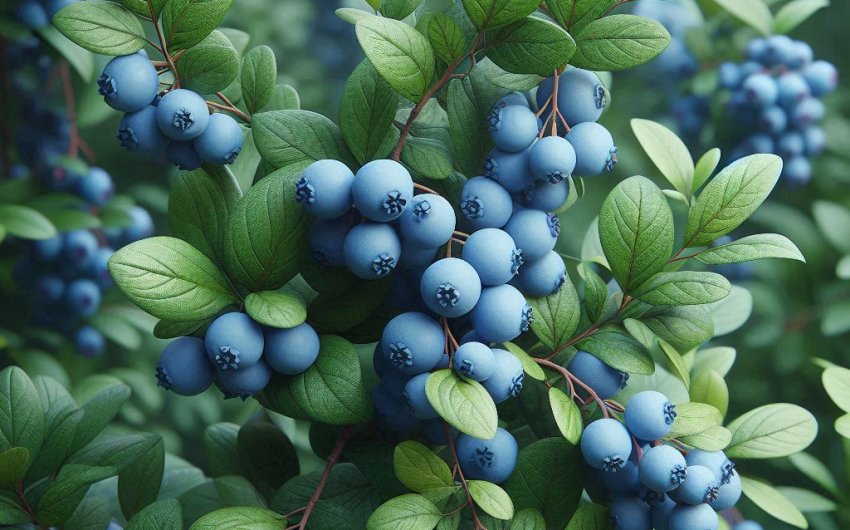
Honeyberry plants are generally robust and less prone to severe issues than many other fruit crops, but they can still be affected by various pests and diseases. Common problems include powdery mildew, aphid infestations, and bird damage, particularly as the fruit ripens.
What are Honeyberry Plants and Why Are They Popular?
Honeyberry plants (Lonicera caerulea), also known as Haskap or blue honeysuckle, are deciduous shrubs native to cold northern climates. They are gaining immense popularity among home gardeners and commercial growers alike for several excellent reasons. Firstly, they are incredibly cold-hardy, able to withstand temperatures down to -40°F (-40°C), making them ideal for northern gardens where other berries struggle. Secondly, they are one of the earliest fruits to ripen in spring, often producing berries weeks before strawberries. The elongated, blue berries have a unique, tangy-sweet flavor, often described as a mix of blueberry, raspberry, and blackcurrant. They are also packed with antioxidants and vitamins, offering significant health benefits. Their relatively low maintenance needs compared to other fruit bushes, and general resistance to many common pests and diseases that affect honeyberry plants, contribute to their growing appeal.
What Makes Honeyberries Susceptible to Pests and Diseases?
While honeyberries are often touted for their hardiness, several factors can increase their susceptibility to pests and diseases that affect honeyberry plants. Understanding these can help you prevent issues.
- Environmental Stress: Like any plant, honeyberries under stress are more vulnerable. This stress can come from improper watering (too much or too little), poor soil conditions (lack of nutrients or bad drainage), or extreme weather conditions outside their ideal range. A stressed plant has a weaker immune system.
- Monoculture Planting: If you plant a large number of honeyberries close together without diverse plantings, you create a large, concentrated food source for specific pests. Diseases can also spread more rapidly in such a dense environment.
- Poor Air Circulation: Overly dense planting, or planting in areas with naturally poor air movement, can lead to high humidity around the foliage. This creates ideal conditions for many fungal diseases, like powdery mildew, to thrive.
- Improper Pruning: Neglecting to prune can lead to dense growth that hinders air circulation. Improper cuts can also create open wounds, providing entry points for pathogens.
- Nutrient Imbalances: Both nutrient deficiencies and over-fertilization (especially with nitrogen) can weaken the plant, making it more prone to issues. For example, excessive nitrogen can lead to lush, tender growth that is very attractive to aphids.
- Introduction of Infected Plants: Buying and planting honeyberry bushes that are already infected with a disease or carrying pests can quickly introduce problems into your garden. Always inspect new plants carefully.
- Regional Pest and Disease Pressure: While honeyberries may be resistant to some widespread issues, they are not immune to local or regional pest and disease pressures that might be prevalent in your specific area. New pests or diseases can also emerge over time.
By managing these factors, you can significantly reduce the chances of pests and diseases that affect honeyberry plants becoming a serious problem in your garden.
What are the Most Common Insect Pests of Honeyberry Plants?
Honeyberry plants are generally quite resilient, but a few insect pests can cause issues, especially if not managed early. Knowing what to look for is key to protecting your harvest from pests that affect honeyberry plants.
1. Aphids
- Description: Small (1/16 to 1/8 inch), soft-bodied insects, often green, black, or gray. They tend to cluster on new, tender growth, especially on the undersides of leaves and on young stems.
- Damage: They suck sap from the plants, leading to curled, distorted, or yellowed leaves, stunted growth, and sticky honeydew residue. Honeydew can then lead to sooty mold, a black fungus that covers leaves and reduces photosynthesis.
- Signs: Visible colonies of aphids, sticky residue on leaves, distorted new growth, presence of ants (which farm aphids for honeydew).
- Control:
- Blast with Water: A strong stream of water can dislodge aphids.
- Insecticidal Soap: Apply a ready-to-use Insecticidal Soap Spray or mix your own (1-2 teaspoons of mild dish soap per gallon of water). Ensure good coverage, especially on undersides of leaves.
- Neem Oil: A natural repellent and insecticide. Neem Oil for Plants can disrupt aphid feeding and reproduction.
- Beneficial Insects: Encourage natural predators like ladybugs and lacewings. Avoid broad-spectrum pesticides that harm them.
2. Sawflies
- Description: Larvae look like caterpillars, often green or yellowish with black spots. Adult sawflies are wasp-like insects.
- Damage: Larvae chew holes in leaves, often skeletonizing them, leaving only the veins. Heavy infestations can defoliate plants.
- Signs: Irregular holes in leaves, presence of the larvae on undersides of leaves.
- Control:
- Hand-picking: For small infestations.
- Bacillus thuringiensis (Bt): A biological pesticide that targets caterpillars and sawfly larvae. Look for Bt spray.
- Insecticidal Soap/Neem Oil: Can be effective against young larvae.
3. Scale Insects
- Description: Small, oval, immobile bumps (appearing like barnacles) on stems and branches. They have a waxy or shell-like covering.
- Damage: They suck sap, leading to yellowing leaves, stunted growth, branch dieback, and honeydew production.
- Signs: Visible bumps on stems, sticky honeydew, sooty mold.
- Control:
- Scrape Off: For small infestations, gently scrape off with a fingernail or soft brush.
- Horticultural Oil (Dormant or Summer Oil): Apply Horticultural Oil Spray to smother them. Dormant oil is applied in late winter/early spring before bud break; summer oil is a lighter formulation for use during the growing season.
- Pruning: Remove heavily infested branches.
4. Japanese Beetles
- Description: Distinctive metallic green bodies with coppery-brown wing covers, about 1/2 inch long.
- Damage: They skeletonize leaves, leaving only the veins. They also feed on fruits. While they prefer other plants, honeyberries can be affected if populations are high.
- Signs: Large, ragged holes in leaves, visible beetles feeding.
- Control:
- Hand-picking: Knock them into a bucket of soapy water, especially in the early morning when they are sluggish.
- Row Covers: Temporarily cover plants with Garden Row Covers during peak beetle activity.
- Traps (Use with Caution): Japanese beetle traps can attract more beetles than they catch, potentially worsening the problem for your honeyberries. Place them far away from susceptible plants if used.
Being vigilant and addressing these pests that affect honeyberry plants quickly can prevent significant damage and ensure a healthy harvest.
What are the Common Diseases of Honeyberry Plants?
Honeyberry plants are known for their general disease resistance, but they are not entirely immune. Several diseases can affect them, with fungal issues being the most prevalent. Knowing these diseases that affect honeyberry plants helps in early detection and management.
1. Powdery Mildew
- Description: One of the most common fungal diseases. Appears as a white, powdery coating on the surface of leaves, stems, and sometimes even berries.
- Symptoms: White, flour-like spots that spread to cover entire leaf surfaces. Affected leaves may become distorted, yellow, and eventually drop prematurely. Severely affected berries may be discolored or stunted.
- Favored Conditions: Warm, humid conditions with poor air circulation, often when nights are cool and days are warm.
- Control:
- Improve Air Circulation: Proper plant spacing and pruning can help.
- Watering: Water at the base of plants in the morning to keep foliage dry.
- Fungicides: Apply organic options like Neem Oil for Plants or a solution of baking soda (1 teaspoon per quart of water with a few drops of mild soap). Horticultural oils can also be effective.
- Resistant Varieties: Choose powdery mildew-resistant honeyberry cultivars if available.
2. Botrytis Fruit Rot (Gray Mold)
- Description: A fungal disease that primarily affects ripening fruit but can also infect flowers and leaves.
- Symptoms: Brown, water-soaked spots on berries that quickly develop a fuzzy, gray mold. Infected berries shrivel and may remain attached to the plant, becoming sources of further infection. Flowers can also turn brown and die.
- Favored Conditions: Cool, wet, and highly humid conditions, especially during flowering and fruit development.
- Control:
- Sanitation: Remove and destroy all infected plant parts (berries, leaves, stems) immediately to prevent spore spread.
- Improve Air Circulation: Prune for better airflow.
- Harvest Promptly: Pick ripe berries quickly to reduce the window for infection.
- Avoid Overhead Watering: Water at the base of the plant.
- Fungicides: In severe cases, especially in humid climates, an appropriate fungicide labeled for berries (e.g., those containing copper or sulfur, or specific synthetic options) may be necessary, but check label for pre-harvest interval.
3. Root Rot (Various Fungi)
- Description: Caused by various soil-borne fungi (e.g., Phytophthora) that attack the roots.
- Symptoms: Overall plant decline, yellowing leaves, wilting despite adequate watering, stunted growth, and eventual plant death. Roots may appear mushy, discolored (brown or black), and sparse.
- Favored Conditions: Poorly drained, waterlogged soil. Overwatering is a major contributor.
- Control:
- Improve Drainage: Ensure your planting site has excellent drainage. Amend heavy clay soils with organic matter.
- Proper Watering: Avoid overwatering. Let the soil dry out slightly between waterings.
- Raised Beds: Consider planting in Raised Garden Beds if drainage is a persistent issue.
- Remove Affected Plants: Severely infected plants may need to be removed to prevent spread.
4. Crown Gall
- Description: A bacterial disease (Agrobacterium tumefaciens) that causes abnormal, woody growths or tumors (galls) on the crown (where stems meet roots) or lower stems.
- Symptoms: Galls, which can range from pea-sized to several inches in diameter. Infected plants may show stunted growth, yellowing, or reduced vigor due to disrupted nutrient flow.
- Favored Conditions: Introduced via contaminated soil or infected nursery stock, especially through wounds.
- Control:
- Prevention: Purchase certified disease-free plants. Avoid planting in areas where crown gall has been a problem.
- Sanitation: Disinfect pruning tools when moving between plants.
- Removal: Severely infected plants should be removed and destroyed (not composted). There is no chemical cure.
While honeyberries are generally resilient, understanding these diseases that affect honeyberry plants allows for proactive management and a healthier, more productive garden.
How Do You Identify Bird Damage on Honeyberries?
Bird damage is arguably the most significant "pest" issue for honeyberry growers, often causing more loss than insects or diseases. Since honeyberries ripen so early, often before other fruits are available, they become a prime target. Identifying bird damage is usually straightforward.
- Missing Berries: This is the most obvious sign. You'll notice berries disappearing rapidly, often overnight or within a few hours.
- Partially Eaten Berries: Birds might peck at berries, leaving behind a few tattered remains, or they might take a single bite out of many berries.
- Berry Droppings: You might find berry-colored droppings on leaves or around the base of the plant.
- Presence of Birds: You'll likely see birds actively feeding on your plants. Common culprits include robins, starlings, cedar waxwings, and orioles.
Since birds are such a prevalent concern among pests that affect honeyberry plants, preventative measures are essential for a good harvest.
What are Effective Strategies to Protect Honeyberries from Birds?
Protecting your honeyberry crop from birds is often the most critical step to ensure a good harvest, as birds find the early-ripening, sweet-tart berries irresistible. While technically a "pest," birds require different management strategies than insects or fungi among pests that affect honeyberry plants.
1. Netting (Most Effective)
- Method: Covering your plants with bird netting is the most reliable way to protect ripening honeyberries.
- When to Apply: Apply the netting as soon as the berries start to turn color (from green to blue), or even before if bird pressure is high.
- Type of Netting: Use fine-mesh Bird Netting for Fruit Trees that birds cannot get tangled in. Ensure the mesh size is small enough to prevent small birds from squeezing through.
- How to Apply:
- Drape over plants: For small bushes, you can simply drape the netting over them, securing the edges tightly to the ground with stakes, bricks, or clips to prevent birds from crawling underneath.
- Build a frame: For larger bushes or multiple plants, construct a simple frame (using PVC pipes, bamboo stakes, or wooden dowels) over your honeyberries and drape the netting over the frame. This prevents the netting from resting directly on the berries, making it easier to harvest and preventing birds from pecking through the mesh.
- Removal: Remove the netting immediately after harvest to prevent entanglement of beneficial animals and allow light and air to circulate.
2. Visual Deterrents (Limited Effectiveness)
- Method: Scaring birds away with visual cues.
- Examples:
- Reflective Tape/Mylar Balloons: Strips of Bird Repellent Reflective Tape or shiny balloons can be hung around plants.
- Decoys: Plastic owls or hawk decoys.
- Limitations: Birds are intelligent and quickly learn that these deterrents are harmless. Their effectiveness is usually short-lived unless moved frequently.
3. Sound Deterrents (Situational)
- Method: Using sounds to frighten birds.
- Examples: Bird distress calls or predator sounds from a Bird Scarer Sonic Device.
- Limitations: Can be disruptive to neighbors. Birds also habituate to sounds over time.
4. Delaying Harvest (Carefully)
- Method: Honeyberries turn blue several weeks before they are fully ripe and sweet. Birds tend to prefer fully ripe, sweeter berries.
- Application: While it won't deter all birds, waiting until the berries are truly ripe (soft to the touch and easily come off the stem) may reduce some early bird pressure if you have other, less ripe fruit nearby. However, this carries the risk of losing more berries if birds are particularly active.
Netting remains the most reliable method for protecting your honeyberry harvest from birds, often outweighing the minor inconvenience of installation. This physical barrier is by far the most effective way to deal with this major "pest" among the pests that affect honeyberry plants.
How Can Proper Cultural Practices Prevent Pests and Diseases?
Good cultural practices are your first and best line of defense against pests and diseases that affect honeyberry plants. A healthy, well-maintained plant is naturally more resistant to problems.
1. Choose the Right Location and Soil
- Sunlight: Plant honeyberries in a location that receives at least 6-8 hours of direct sunlight daily. Good light promotes vigorous growth and helps dry foliage, reducing fungal risk.
- Soil Drainage: Honeyberries prefer well-drained soil. If your soil is heavy clay, amend it with plenty of organic matter like compost to improve drainage and aeration. Poor drainage leads to root rot.
- Soil pH: Honeyberries thrive in slightly acidic to neutral soil, typically pH 5.5 to 7.0. A soil test is highly recommended before planting to ensure optimal conditions. Adjust pH if necessary.
2. Proper Planting and Spacing
- Adequate Spacing: When planting, ensure proper spacing between bushes (usually 3-5 feet apart, depending on mature size of the variety). This promotes good air circulation, which is crucial for preventing fungal diseases like powdery mildew and Botrytis.
- Avoid Over-crowding: Don't plant honeyberries too close to other large shrubs or trees that might block sun or air flow.
- Planting Depth: Plant at the same depth they were in their nursery pot.
3. Watering Wisely
- Consistent Moisture: Honeyberries need consistent moisture, especially during establishment and fruit development. However, avoid overwatering.
- Deep and Infrequent: Water deeply rather than frequently. This encourages roots to grow deeper, making the plant more resilient.
- Morning Watering: Water in the morning to allow foliage to dry completely before evening. Wet foliage overnight is an invitation for fungal diseases.
- Drip Irrigation/Soaker Hoses: These methods deliver water directly to the root zone, minimizing leaf wetness. Consider using Drip Irrigation Kits.
4. Fertilization
- Balanced Approach: Fertilize based on soil test results. Avoid excessive nitrogen, which can lead to lush, tender growth highly attractive to aphids and more susceptible to some diseases.
- Organic Matter: Incorporate compost or well-rotted manure annually to provide a slow release of nutrients and improve soil structure.
5. Pruning
- Annual Pruning: Prune honeyberries annually, typically in late winter or early spring before new growth begins.
- Remove Dead/Diseased Wood: Cut out any dead, damaged, or diseased branches to improve plant health and prevent disease spread.
- Improve Air Circulation: Thin out congested areas in the center of the bush to improve airflow and light penetration. This is critical for preventing fungal issues.
- Remove Suckers: Remove suckers at the base of the plant to maintain an open structure.
- Tool Sanitation: Always use sharp, clean pruning shears. Disinfect tools with rubbing alcohol or a bleach solution between plants to avoid spreading diseases.
6. Sanitation
- Garden Cleanup: Regularly remove fallen leaves, diseased plant parts, and garden debris around the honeyberry bushes. This reduces overwintering sites for pests and fungal spores.
- Weed Control: Keep weeds under control around the base of the plants. Weeds compete for nutrients and can harbor pests or create humid conditions.
By implementing these comprehensive cultural practices, you create a robust and resilient environment for your honeyberry plants, making them far less attractive and susceptible to common pests and diseases that affect honeyberry plants.
What Role Do Beneficial Insects Play in Pest Management?
Encouraging beneficial insects is a cornerstone of organic pest management and an excellent strategy for controlling pests that affect honeyberry plants. These natural allies can significantly reduce pest populations without the need for chemical interventions.
How Beneficial Insects Help
- Predators: Many beneficial insects directly prey on common honeyberry pests like aphids, scale insects, and even some beetle larvae. They actively hunt and consume these pests.
- Parasitoids: Some beneficial insects (like tiny wasps) lay their eggs inside or on pest insects. When the eggs hatch, the larvae consume the host, eventually killing it.
- Pollinators: While not directly pest controllers, pollinators are vital for honeyberry fruit production, ensuring a good yield of healthy berries. A healthy ecosystem supporting pollinators often supports beneficial predators as well.
Key Beneficial Insects to Attract
- Ladybugs (Lady Beetles): Both adult ladybugs and their alligator-like larvae are voracious predators of aphids.
- Lacewings: The larvae of green lacewings are fierce predators of aphids, spider mites, and other soft-bodied insects.
- Hoverflies (Syrphid Flies): The larvae of hoverflies are effective aphid predators. Adults resemble small wasps but are harmless and good pollinators.
- Parasitic Wasps: Many tiny, stingless parasitic wasps target aphids, whiteflies, and scale insects. You'll often see "mummified" aphids (puffed-up, tan aphid bodies) if these wasps are at work.
- Ground Beetles: These nocturnal predators feed on slugs, cutworms, and various insect larvae.
- Spiders: Many spider species are generalist predators, catching various flying and crawling insects.
How to Attract Beneficial Insects
- Plant a Diverse Garden: Grow a variety of plants, especially those with small flowers, which provide nectar and pollen for adult beneficial insects. Examples include:
- Herbs: Dill, cilantro, fennel, mint, parsley (allow to flower)
- Flowers: Alyssum, coneflowers, cosmos, sunflowers, marigolds, zinnias, yarrow
- Provide Shelter: Offer overwintering sites like brush piles, log piles, or "insect hotels" (bundles of hollow stems).
- Provide Water: A shallow bird bath or a dish with pebbles for insects to land on can be a good water source.
- Avoid Broad-Spectrum Pesticides: This is the most crucial step. Synthetic pesticides kill beneficial insects just as readily as pests, disrupting the natural balance and often leading to resurgent pest problems. If you must spray, use targeted, organic options like insecticidal soap or neem oil, and apply them selectively.
- Limit Dust: Keep dust down around plants, as it can deter beneficial insects.
By creating a welcoming habitat for these beneficial insects, you establish a living, self-sustaining pest control system in your garden, significantly reducing the impact of pests that affect honeyberry plants.
What Organic Treatments are Safe for Honeyberry Plants?
For gardeners preferring to avoid synthetic chemicals, several effective organic treatments can help manage pests and diseases that affect honeyberry plants. These options are generally safer for the environment, beneficial insects, and your family.
For Insect Pests:
Hand-Picking and Strong Water Sprays:
- Method: For larger pests like Japanese beetles or small aphid infestations, simply pick them off and drop them into a bucket of soapy water. For aphids, a strong blast of water from a hose can dislodge them.
- Best For: Small infestations, visible pests.
- Frequency: Daily checks are most effective.
Insecticidal Soap:
- Description: A solution of potassium salts of fatty acids. It works by dissolving the waxy outer coating of soft-bodied insects, causing dehydration.
- Target Pests: Effective against aphids, spider mites, whiteflies, and young scale crawlers.
- Application: Follow label directions carefully. Apply directly to the pests, ensuring good coverage (especially undersides of leaves). Must make direct contact to be effective. Safer Brand Insect Killing Soap is a popular choice.
- Considerations: Breaks down quickly, so reapplication may be necessary. Safe for most plants but always do a small test patch first. Less harmful to beneficials than broad-spectrum chemicals.
Neem Oil:
- Description: Extracted from the neem tree, this oil contains azadirachtin, a compound that acts as an antifeedant, repellent, and insect growth regulator.
- Target Pests: Effective against a wide range of pests including aphids, spider mites, whiteflies, scale crawlers, and some chewing insects. Also has some fungicidal properties.
- Application: Dilute with water according to label instructions. Spray thoroughly, covering all leaf surfaces. Garden Safe Neem Oil Extract Concentrate is commonly used.
- Considerations: Best applied in the evening or on cloudy days to avoid leaf burn. Reapply as needed. Less toxic to beneficial insects once dry.
Bacillus thuringiensis (Bt):
- Description: A naturally occurring bacterium that produces toxins specifically harmful to the larvae of certain insects.
- Target Pests: Effective against caterpillars (e.g., sawfly larvae, which can affect honeyberries). It is highly specific and does not harm beneficial insects, pets, or humans.
- Application: Mix with water and spray on affected foliage. The larvae must ingest it to be affected. Garden Safe BT Worm & Caterpillar Killer is an example.
- Considerations: Breaks down in sunlight, so reapply after a few days or after rain.
For Fungal Diseases:
Baking Soda/Potassium Bicarbonate Spray:
- Description: These compounds can change the pH on the leaf surface, making it unsuitable for fungal growth. Potassium bicarbonate is often preferred as it's more effective and less likely to cause leaf burn than baking soda.
- Target Diseases: Effective against powdery mildew.
- Application: Mix 1-2 teaspoons of potassium bicarbonate (or baking soda) per quart of water, plus 1/2 teaspoon of horticultural oil or mild liquid soap as a spreader. Spray all affected foliage.
- Considerations: Reapply after rain or every 7-10 days. Always test on a small leaf area first.
Neem Oil (as fungicide):
- Description: As mentioned, neem oil also has fungicidal properties that can help prevent and suppress various fungal diseases.
- Target Diseases: Powdery mildew, rust.
- Application: Apply as for insect control.
Copper or Sulfur-Based Fungicides:
- Description: Naturally derived minerals that act as broad-spectrum fungicides.
- Target Diseases: Can be effective against a range of fungal diseases including powdery mildew, rust, and some blights. Garden Safe Copper Fungicide and Bonide Sulfur Plant Fungicide are common.
- Considerations: Can be toxic to some beneficial insects. Always follow label directions strictly. Do not apply when temperatures are very high, as it can cause leaf burn. Copper fungicides are a heavier option that can persist in the environment.
Always approach pest and disease management with an integrated pest management (IPM) philosophy: start with prevention, encourage beneficials, then resort to targeted organic treatments only when necessary. This holistic approach builds resilient honeyberry plants, minimizing the impact of pests and diseases that affect honeyberry plants.
What Role Does Plant Variety Play in Disease Resistance?
The choice of honeyberry plant variety plays a significant role in its natural resistance to pests and diseases that affect honeyberry plants. Plant breeders are continuously working to develop new cultivars that offer improved vigor and inherent defenses against common problems.
Why Variety Matters:
- Innate Resistance: Some honeyberry varieties naturally possess genes that make them less susceptible to specific diseases (like powdery mildew) or less attractive to certain pests. This is a form of built-in immunity.
- Vigor and Health: Robust, vigorous varieties are generally better able to fend off pest attacks and recover from minor disease issues than weaker, more susceptible ones.
- Regional Suitability: Choosing varieties well-suited to your specific climate and growing conditions (e.g., cold hardiness, heat tolerance) ensures they are under less environmental stress, which in turn reduces their vulnerability to disease.
How to Choose Resistant Varieties:
- Research Before Buying: Before purchasing honeyberry plants, do some research on different cultivars. Look for descriptions that mention "disease resistant" or "pest resistant."
- Consult Local Nurseries/Extension Offices: Local nurseries or university extension offices are excellent resources. They can recommend varieties that perform well in your specific region and are known to resist local pest and disease pressures.
- Look for Specific Resistances: If you've had issues with a particular disease in your garden (e.g., powdery mildew), actively seek out varieties that are known to be resistant to that specific problem.
- Examples of Reputedly More Resistant Varieties (Note: Resistance can vary by region and pathogen strain):
- For Powdery Mildew: Some sources suggest varieties like 'Borealis', 'Honeybee', and some of the newer 'Boreal' series (e.g., 'Boreal Beauty', 'Boreal Blizzard') may show better resistance to powdery mildew compared to older varieties.
- General Vigor: Varieties that are known for their general vigor and strong growth habits tend to be more resilient overall.
While selecting resistant varieties is an excellent preventative measure, it's important to remember that "resistant" does not mean "immune." Even resistant varieties can succumb to disease or pest pressure if cultural conditions are poor or if the pest/pathogen pressure is extremely high. However, it significantly reduces the likelihood and severity of problems, making it an invaluable tool in managing pests and diseases that affect honeyberry plants.
What Should You Do When Diseases or Pests Are Widespread?
When pests and diseases that affect honeyberry plants become widespread across your plants, it's a sign that immediate and potentially more aggressive action is needed. While prevention is key, sometimes an infestation or infection can get out of hand.
1. Re-evaluate Cultural Practices
- Go Back to Basics: Before anything else, re-examine all your cultural practices. Is there too much shade? Is air circulation poor? Are you overwatering? Is the soil compacted? Addressing these underlying issues is critical for long-term success.
- Pruning: Aggressively prune out heavily diseased or infested branches. This immediately removes a significant portion of the problem. Ensure proper tool sanitation during and after pruning.
2. Sanitation Intensification
- Thorough Cleanup: Collect and dispose of all fallen leaves, fruit, and plant debris from around the base of the plants. Do NOT compost diseased material; bag it and send it to municipal waste. This removes sources of fungal spores and overwintering pest eggs.
- Clean Tools: Rigorously clean and sanitize all garden tools used on the affected plants to prevent further spread.
3. Targeted Treatments (Organic or Chemical)
- Assess Severity:
- Moderate Spread: For moderate but widespread insect infestations (like aphids), a thorough application of insecticidal soap or neem oil applied repeatedly (e.g., every 5-7 days for a few weeks) might be sufficient. Ensure complete coverage of all plant surfaces, especially undersides of leaves.
- Moderate Fungal Spread: For widespread powdery mildew or other fungal issues, consistent application of organic fungicides (potassium bicarbonate, neem oil) can help. Again, follow product directions for frequency and coverage.
- Severe Spread/Failure of Organic Methods: If organic methods are not stemming the tide, or if the problem is rapidly destroying your plants, you might need to consider a more potent chemical fungicide or insecticide.
- Research Carefully: If choosing a chemical option, thoroughly research the specific product for its effectiveness against your identified pest/disease, its safety profile (for pollinators, pets, and humans), and importantly, its pre-harvest interval (PHI) for fruit-bearing plants.
- Follow Label Directions: Strict adherence to the product label is paramount for safety and effectiveness.
- Targeted Application: Whenever possible, choose targeted sprays over broad-spectrum ones to minimize harm to beneficial insects.
4. Consider Plant Removal (Last Resort)
- Highly Infected Plants: If a plant is severely infected with an incurable disease (like Crown Gall) or is overwhelmed by a pest infestation beyond recovery, it might be best to remove and destroy the plant entirely. This prevents the problem from spreading to other healthy plants in your garden.
- Soil Treatment: For severe soil-borne diseases like root rot, you might need to consider soil solarization or even replacing the soil in the affected area before replanting, or choose a different, well-drained planting site.
Dealing with widespread pests and diseases that affect honeyberry plants can be challenging, but a combination of aggressive cultural management, thorough sanitation, and carefully selected treatments offers the best chance for recovery and future protection.