
What Are the Ideal Dimensions for a Raised Bed Garden?
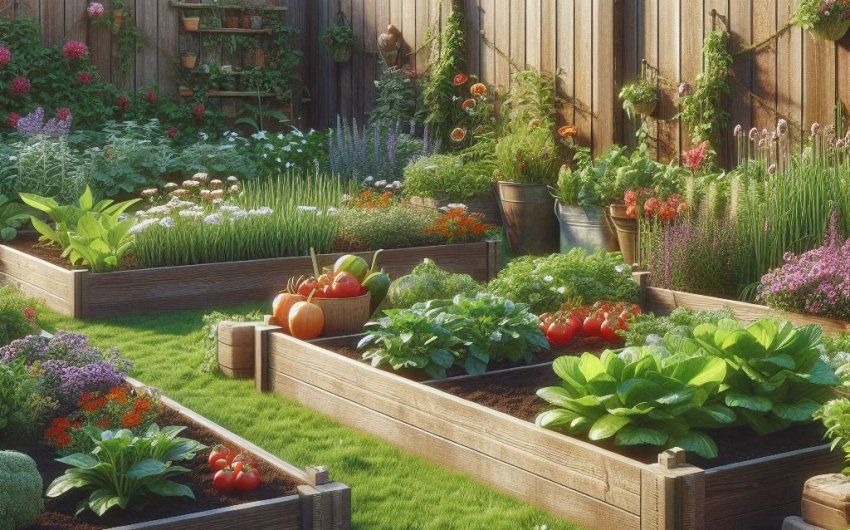
Raised bed gardening is a popular and effective way to grow a variety of plants, including vegetables, herbs, and flowers. One of the key factors in creating a successful raised bed garden is determining the ideal dimensions. The size, shape, and height of your raised bed will impact the health of your plants, ease of maintenance, and overall productivity. By choosing the right dimensions for your space and needs, you can optimize your garden’s growth and efficiency.
In this blog, we'll explore the ideal dimensions for a raised bed garden, including considerations for width, length, depth, and spacing between beds.
1. Width of a Raised Bed Garden
The width of a raised bed is one of the most important factors to consider, as it directly affects how easily you can reach the plants in the bed. Ideally, you should be able to access all parts of the garden without stepping into the bed, which helps prevent soil compaction and damage to plant roots.
Optimal Width
- 3 to 4 feet: A width of 3 to 4 feet is generally considered the best for most gardeners. This width allows you to reach the center of the bed from either side without straining. For raised beds placed against a wall or fence, a maximum width of 2 feet is recommended so you can access all areas from the front.
Choosing an appropriately sized raised bed will ensure easy access for planting, weeding, and harvesting.
Considerations for Accessibility
- Mobility limitations: If you or anyone using the garden has limited mobility or uses a wheelchair, consider reducing the width of the bed to 2.5 or 3 feet to make access easier.
- Child-friendly gardening: For gardens used by children, a 2 to 3-foot width is ideal, allowing smaller arms to reach plants without difficulty.
For accessible gardening, consider using adjustable raised beds that cater to different mobility levels and heights.
2. Length of a Raised Bed Garden
The length of a raised bed can vary greatly depending on the size of your garden area and personal preference. While the width should be designed for easy access, the length can be adjusted to fit the available space.
Ideal Length
- 8 to 12 feet: A length of 8 to 12 feet is common for many raised beds. This provides ample space for growing multiple rows of plants without becoming too cumbersome to maintain. However, longer beds may require reinforcement to prevent the sides from bowing under the weight of the soil.
Longer raised beds, like an 8-foot garden bed, are perfect for maximizing growing space in larger gardens.
Modular Design
- Customizable lengths: If you have a large garden, consider using multiple smaller raised beds rather than one long bed. This allows for easier crop rotation and provides flexibility in your garden design.
- L-shaped or U-shaped beds: For larger spaces, L-shaped or U-shaped raised beds can create efficient growing areas and allow for easier navigation.
A modular raised bed kit offers flexibility and can be expanded or reconfigured as your garden grows.
3. Depth of a Raised Bed Garden
The depth of your raised bed, or how deep the soil is, will significantly affect the types of plants you can grow. Deeper beds allow for more root development, making them ideal for a wider variety of crops.
Optimal Depth for Raised Beds
- 6 to 12 inches: For most vegetables and herbs, a raised bed depth of 6 to 12 inches is sufficient. This depth provides enough space for shallow-rooted plants like lettuce, spinach, and radishes.
- 12 to 18 inches: For deeper-rooted plants like tomatoes, carrots, and potatoes, a bed with a depth of 12 to 18 inches is recommended. This allows for proper root development and access to water and nutrients.
Using deep raised beds ensures that plants with extensive root systems can thrive.
Soil Considerations
- Soil type: If your soil is rocky or compacted, opt for a deeper raised bed to provide better growing conditions for your plants. In areas with poor soil, a depth of 18 inches or more may be necessary.
- Drainage: Deeper beds also improve drainage, which is crucial for preventing waterlogged roots and promoting healthy plant growth.
Adding high-quality soil to your raised bed ensures optimal growing conditions for a wide range of vegetables.
4. Height of a Raised Bed Garden
While the depth of the soil is important for plant growth, the height of the bed itself can affect ease of access and garden maintenance. The height of the raised bed above the ground should be chosen based on your comfort level and the needs of the plants.
Optimal Height
- 10 to 18 inches: A standard height for most raised beds is between 10 and 18 inches. This height provides sufficient depth for plant roots while also raising the garden off the ground, which helps prevent soil compaction and improves drainage.
- 24 to 36 inches: For gardeners who prefer to work while standing or sitting, taller raised beds of 24 to 36 inches are ideal. These beds are more accessible, especially for those with back problems or mobility issues.
Elevated raised bed planters allow you to garden comfortably without bending or kneeling, making them perfect for accessible gardening.
Considerations for Raised Bed Height
- Drainage: Taller raised beds provide better drainage, which is important in areas with heavy rainfall or poor soil drainage.
- Mobility: If you prefer not to bend or kneel, choose a raised bed that is at waist height. This not only improves comfort but also makes weeding and harvesting much easier.
For gardeners with limited mobility, elevated garden beds provide a convenient and ergonomic solution.
5. Spacing Between Raised Beds
The spacing between raised beds is crucial for allowing easy access to all parts of your garden. Adequate space between the beds ensures that you can walk, kneel, or even use a wheelbarrow without damaging plants or compacting the soil.
Optimal Spacing
- 2 to 3 feet: Leave at least 2 to 3 feet of space between each raised bed. This width allows you to comfortably walk or kneel between the beds for maintenance, planting, and harvesting. For wheelbarrows or carts, a spacing of 3 to 4 feet is recommended.
Having garden pathways with sufficient space between your raised beds ensures that your garden is easy to navigate and maintain.
Considerations for Spacing
- Garden tools: If you plan to use tools like wheelbarrows, rakes, or hoses, ensure that your paths are wide enough to accommodate them.
- Mobility access: If your garden needs to be wheelchair accessible, paths should be at least 3 feet wide, with a firm surface like gravel or pavers to provide easy navigation.
For accessible gardening, adding garden pavers between your raised beds will create smooth, durable pathways.
6. Shape and Configuration of Raised Beds
While rectangular raised beds are the most common, there are many other shapes and configurations that can enhance both the aesthetics and functionality of your garden. The shape of your raised beds can also influence how efficiently you use your gardening space.
Popular Raised Bed Shapes
- Rectangular: This is the traditional and most popular shape for raised beds, offering easy access and efficient use of space.
- Square: Square raised beds are a great option for small spaces and are often used in square foot gardening, a method that maximizes yield in a limited area.
- L-shaped or U-shaped: For larger garden spaces, L-shaped or U-shaped raised beds create a more interactive and immersive gardening experience. These shapes allow for easy access to all sides of the bed while maximizing the growing area.
Using L-shaped garden beds can create efficient layouts and make better use of your available space.
Creative Configurations
- Tiered beds: Tiered raised beds are ideal for growing plants with different root depths and sunlight needs. Taller plants can be placed on the higher tiers, while shorter plants can thrive on the lower tiers.
- Round or oval beds: Circular raised beds can be a beautiful focal point in your garden while providing functional growing space. These beds are often used for herb gardens or flower beds.
For an aesthetically pleasing garden, consider using tiered raised beds to add dimension and variety.
7. Materials for Raised Bed Construction
The materials used to build your raised bed will influence its durability, appearance, and suitability for your garden environment. There are several options available, each with its pros and cons.
Common Raised Bed Materials
- Wood: Cedar and redwood are popular choices for raised beds because they are naturally rot-resistant and durable. Untreated wood is recommended for growing edible plants to avoid chemical leaching.
- Metal: Galvanized steel raised beds are long-lasting and resistant to rust, making them a good option for areas with high moisture. They also add a modern aesthetic to your garden.
- Plastic: Recycled plastic or composite materials are lightweight and weather-resistant. These raised beds are also eco-friendly and require little maintenance.
- Stone or brick: Stone or brick raised beds are highly durable and add a permanent, architectural feel to your garden. However, they can be more expensive and labor-intensive to install.
Choosing durable cedar raised beds will ensure that your garden beds stand up to the elements while remaining safe for growing vegetables.
Durability and Maintenance
- Weather resistance: Materials like metal and stone offer excellent durability in harsh weather conditions. Wood, especially when untreated, may require regular maintenance, such as applying sealants or protective coatings.
- Longevity: If you want a long-lasting garden bed, consider materials that require minimal upkeep, like galvanized steel or composite plastic.
For long-lasting durability, consider metal raised beds that are resistant to rust and rot, ensuring a productive garden for years to come.
8. Drainage and Soil Quality
Proper drainage is essential for the health of plants in a raised bed. Without good drainage, water can accumulate and lead to root rot, poor plant growth, and other issues.
Optimal Drainage
- Elevate beds: Ensure your raised bed is elevated above the surrounding ground to prevent water from pooling at the base.
- Layering: Add a layer of coarse material, such as gravel or rocks, at the bottom of the bed to improve drainage. On top of this layer, add high-quality soil and organic matter.
Using drainage fabric under your raised bed helps to prevent soil erosion while promoting proper drainage.
Soil Quality
- Topsoil and compost: Use a mix of high-quality topsoil and compost for your raised bed. This combination provides a nutrient-rich environment that promotes healthy plant growth.
- Amendments: Depending on the needs of your plants, you may need to amend the soil with materials like perlite, vermiculite, or peat moss to improve aeration and moisture retention.
Adding compost and perlite to your raised bed soil mix creates the perfect growing medium for your vegetables and flowers.