
How Do I Plan a Year-Round Vegetable Garden?
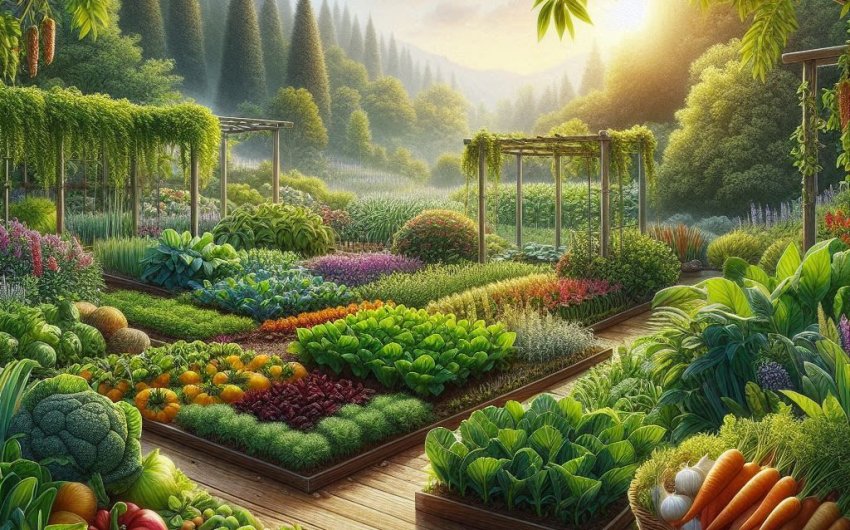
Planning a year-round vegetable garden is an excellent way to ensure a consistent supply of fresh produce throughout the seasons. To achieve this, you must consider your local climate, planting schedules, and the specific needs of different plants. With careful planning, you can maximize your garden’s output by staggering planting times, selecting suitable varieties, and using techniques like succession planting and season extension. Below is a detailed guide on how to plan and maintain a vegetable garden that thrives all year long.
1. Understanding Your Growing Zone
The first step in planning a year-round vegetable garden is understanding your growing zone. The USDA Hardiness Zone Map divides regions based on average minimum winter temperatures. Knowing your zone helps you determine the best planting dates for different crops and ensures you choose the right varieties for your climate.
- Hardiness Zone: Identify your hardiness zone to better plan the timing for planting and harvesting.
- Frost dates: Determine the average first and last frost dates in your area to ensure proper timing of frost-sensitive crops.
For gardeners in colder climates, using cold frames or greenhouses can help extend the growing season, while those in warmer climates may focus on planting heat-tolerant varieties. Consider adding cold frames or greenhouses to your garden to protect your plants during extreme weather conditions.
2. Planning for Four Seasons
A year-round garden involves planning for all four seasons—spring, summer, fall, and winter. Each season offers unique growing opportunities. By selecting crops suited to each season, you can keep your garden productive throughout the year.
Spring Planting
In spring, the soil begins to warm up, and it’s time to start planting cool-season crops like peas, lettuce, spinach, and broccoli. These vegetables thrive in cooler temperatures and can be planted as soon as the soil is workable.
- Start seeds indoors: Start seeds like tomatoes, peppers, and eggplants indoors early in the season, so they are ready to transplant once the danger of frost has passed.
- Direct sowing: Cold-tolerant crops like carrots and radishes can be sown directly into the garden in early spring.
For spring planting, you’ll need seed starting kits and grow lights to help your seedlings thrive indoors before transferring them to your garden. Check out seed starting kits and grow lights to jump-start your spring gardening.
Summer Planting
Summer is the most active growing season for warm-weather vegetables. During this time, you can grow heat-loving crops like tomatoes, peppers, cucumbers, and squash.
- Succession planting: Keep your garden productive by planting fast-growing crops like bush beans and zucchini after early spring crops are harvested.
- Mulching: Apply mulch to conserve moisture and suppress weeds during the hot summer months.
Applying a thick layer of mulch around your plants helps retain soil moisture and reduces the frequency of watering.
Fall Planting
As temperatures begin to cool in the fall, it’s time to switch back to cool-season crops. Brussels sprouts, kale, and beets thrive in the cooler weather and can be harvested well into late fall or early winter.
- Season extension: Use row covers or cloches to protect tender plants from early frosts, extending your growing season.
- Cold frames: Consider installing cold frames to continue growing crops like spinach and lettuce throughout the fall and early winter.
You can find effective row covers and cloches to help protect your vegetables from early frost.
Winter Planting
In many regions, it’s possible to grow certain vegetables throughout the winter by using season extension techniques. Cold-hardy vegetables like leeks, carrots, and parsnips can survive even in freezing temperatures with proper protection.
- Greenhouses: A greenhouse provides the ideal environment for growing crops in the winter. You can grow leafy greens, herbs, and even some root vegetables in a well-maintained greenhouse.
- Overwintering: Plant crops like garlic and onions in the fall, allowing them to overwinter and be harvested the following spring.
A quality greenhouse can ensure your winter garden remains productive despite cold weather.
3. Succession Planting for Continuous Harvests
Succession planting is a key strategy for ensuring a continuous supply of fresh vegetables throughout the year. This method involves planting new crops in the same space once the previous crop has been harvested.
- Staggered planting: Sow small amounts of seeds every few weeks to ensure a steady harvest. For example, plant lettuce and radishes every two weeks during the growing season.
- Interplanting: Grow fast-maturing crops like spinach or arugula between slow-growing crops like tomatoes or broccoli.
Using planting guides can help you time your succession planting for maximum yield.
4. Companion Planting for Pest Control and Increased Yield
Companion planting involves growing certain plants together that benefit each other by repelling pests, attracting pollinators, or improving growth. For example, marigolds planted near tomatoes can deter nematodes, while basil can improve the flavor of tomatoes.
- Beneficial companions: Carrots and onions grow well together, as onions help deter carrot flies.
- Trap crops: Planting nasturtiums as a trap crop can lure aphids away from more valuable plants like cabbages.
Companion planting can also improve your garden's productivity. Find companion plants that will work well in your year-round garden.
5. Utilizing Raised Beds and Containers
Raised beds and containers are excellent for year-round gardening, as they allow you to better control soil quality and drainage. They are also easier to manage, especially for those with limited space or poor soil conditions.
- Raised beds: These are ideal for growing a variety of vegetables and can be used in all seasons. Raised beds warm up faster in the spring, allowing for earlier planting.
- Containers: Use containers for growing herbs, lettuces, and other small crops. Containers can be moved to different locations to maximize sun exposure throughout the year.
Raised beds and containers offer great flexibility for planning a year-round garden.
6. Soil Preparation and Fertilization
Healthy soil is the foundation of any successful garden. For a year-round vegetable garden, maintaining soil fertility is crucial since you’ll be planting continuously. Rotating crops and amending the soil regularly with organic matter can ensure your plants have the nutrients they need.
- Soil testing: Test your soil annually to check for nutrient deficiencies and pH levels. Adjust your soil accordingly by adding compost, manure, or other organic materials.
- Crop rotation: Rotate your crops each season to prevent nutrient depletion and reduce the risk of disease. For example, follow nitrogen-hungry crops like corn with nitrogen-fixing crops like beans.
- Fertilizing: Use organic fertilizers to replenish nutrients. Apply fertilizers at the beginning of each planting season.
Adding compost or organic fertilizer to your soil will keep it fertile and productive throughout the year.
7. Watering Strategies for Year-Round Success
Proper watering is essential for a healthy garden, but the needs of your plants will vary throughout the year. In the summer, you’ll need to water more frequently, while in cooler months, you can reduce watering to prevent root rot.
- Drip irrigation: Installing a drip irrigation system ensures that your plants receive consistent moisture without overwatering. Drip irrigation is particularly useful for raised beds and container gardens.
- Watering schedule: Water early in the morning to minimize evaporation and reduce the risk of fungal diseases.
- Rainwater harvesting: Collecting rainwater in barrels allows you to reduce water usage and provides a natural source of irrigation.
A drip irrigation system ensures that your plants receive consistent moisture without water waste.
8. Pest and Disease Management
Pests and diseases can be a year-round concern in your vegetable garden. By rotating crops, using organic pest control methods, and keeping your garden clean, you can minimize the impact of pests and diseases.
- Natural pest control: Introduce beneficial insects like ladybugs and lacewings to control aphids, mites, and other pests.
- Organic pesticides: Use organic pesticides like neem oil or insecticidal soap to target harmful pests without harming beneficial insects.
- Garden sanitation: Remove dead plant material, weeds, and debris from the garden regularly to reduce hiding places for pests and prevent disease outbreaks.
Check out natural pest control options like neem oil to keep your vegetable garden healthy.
9. Season Extension Techniques
Season extension is crucial for year-round gardening, allowing you to grow crops during the shoulder seasons or even in the dead of winter. Using tools like row covers, hoop houses, and cold frames will protect your plants from harsh weather and extend your growing season.
- Hoop houses: Install hoop houses to cover your crops with plastic or fabric, creating a mini-greenhouse effect that raises temperatures and keeps frost at bay.
- Cold frames: Build cold frames over your garden beds to trap heat and protect cold-sensitive crops from freezing temperatures.
- Frost cloths: Use frost cloths to cover plants during unexpected cold snaps, ensuring they survive through the winter.
Adding hoop houses and frost cloths to your garden toolkit will allow you to grow vegetables in colder weather.
10. Harvesting and Storing Produce
One of the great rewards of a year-round vegetable garden is being able to harvest fresh produce throughout the year. Knowing when and how to harvest each crop ensures that you get the best flavor and maximum yield from your garden.
- Harvest timing: Harvest vegetables at their peak ripeness. Leafy greens like kale and spinach should be picked continuously to encourage new growth.
- Preserving: Store excess produce by canning, freezing, or drying. Root vegetables like carrots and beets can be stored in a cool, dark place for several months.
- Herb preservation: Preserve herbs by drying them or freezing them in ice cube trays with olive oil for later use.
Invest in harvesting tools to make the process of gathering your produce easier and more efficient.
11. Planning for Success with a Garden Calendar
A detailed garden calendar is one of the most effective tools for keeping your year-round vegetable garden on track. By organizing planting dates, succession schedules, and season extension techniques, you can ensure that your garden remains productive throughout the year.
- Create a schedule: Plan out your planting dates according to your frost dates and seasonal changes.
- Track harvests: Keep notes on the best times to harvest each crop and adjust your planting schedule based on these observations.
- Successive crops: Include information on succession planting and interplanting so you know when to plant the next batch of seeds.
A garden planner can help you organize your planting and harvesting schedule for year-round success.