
Grow Year-Round Delights: Building Your Own Mini Greenhouse
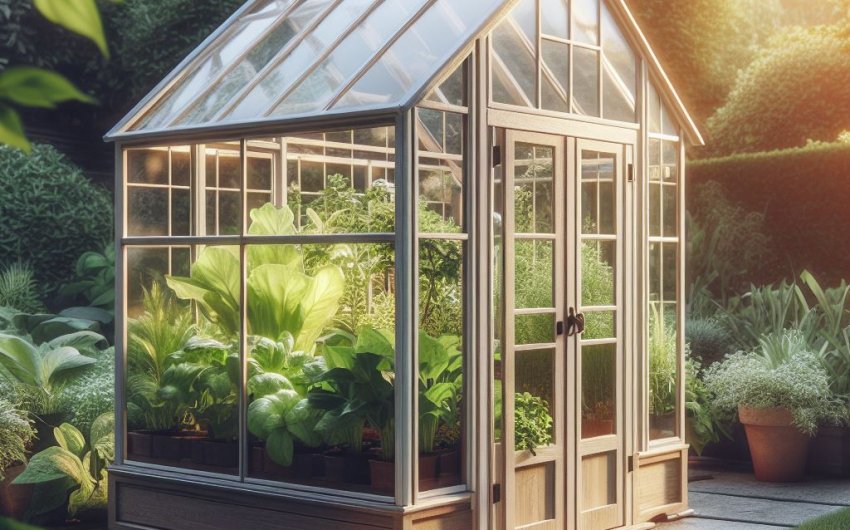
Do you dream of fresh tomatoes in winter, or starting your spring seedlings weeks earlier than usual? Perhaps you live in an apartment with a small balcony, or your garden space is simply limited. If you've ever wished you could extend your growing season or protect delicate plants, then building your own mini greenhouse might be the perfect solution! These compact, versatile structures allow you to create a controlled environment, offering warmth and protection that can unlock year-round growing possibilities, even in the smallest spaces. Forget those bulky, expensive traditional greenhouses; a well-designed DIY mini greenhouse can be a game-changer for any gardener, from beginner to experienced. Let's dive into the magic of these tiny powerhouses and discover how you can build one to grow your own year-round delights!
What is a Mini Greenhouse and Why Is It So Useful?
A mini greenhouse is essentially a scaled-down version of a full-sized greenhouse. It's a compact, enclosed structure, typically made with a transparent covering (like plastic sheeting or polycarbonate panels), designed to create a warmer, more humid environment than the outside air. This controlled space allows you to grow plants that might otherwise struggle in your climate or season.
1. Extending the Growing Season: Grow More, Longer!
This is the primary benefit. A mini greenhouse acts as a climate buffer, allowing you to:
- Start Seedlings Early: Get a jump on spring by starting seeds indoors or in your mini greenhouse weeks before the last frost date. This gives your plants a head start and a longer growing season.
- Protect from Late Frosts: Shield tender seedlings or early spring plantings from unexpected cold snaps.
- Grow Later into Fall/Winter: Keep cool-season crops (like lettuce, spinach, kale) producing well into the colder months, or even all winter in milder climates.
- Overwinter Tender Plants: Protect plants that aren't hardy in your zone from freezing temperatures, allowing them to survive the winter and re-emerge next spring.
2. Space Efficiency: Perfect for Small Areas
Unlike large greenhouses that require significant yard space, a mini greenhouse can fit almost anywhere:
- Small Yards: Tuck it into a corner of a small backyard.
- Balconies and Patios: Many designs are perfect for apartment dwellers.
- Decks: Place it on a deck for easy access.
- Indoors: Some very small designs can even be used indoors near a sunny window. This space efficiency makes year-round growing accessible to urban gardeners.
3. Protection from Pests and Harsh Weather
The enclosed nature of a mini greenhouse offers valuable protection:
- Pest Control: It creates a barrier against common garden pests like aphids, cabbage worms, and slugs, especially for young seedlings.
- Harsh Weather: Shields plants from strong winds, heavy rain, hail, and intense direct sunlight, which can otherwise damage delicate foliage.
4. Cost-Effective and DIY Friendly
Compared to buying a pre-made full-sized greenhouse, building a DIY mini greenhouse is significantly more cost-effective. Many designs can even be made from recycled or repurposed materials, making it a very budget-friendly project that's accessible for beginners.
5. Ideal for Specific Plants
A mini greenhouse provides the perfect environment for:
- Seed Starting: Optimal warmth and humidity for germinating seeds.
- Plant Propagation: Creating a humid environment for rooting cuttings.
- Heat-Loving Crops: Giving plants like tomatoes, peppers, or cucumbers an extra boost of warmth in cooler climates.
- Delicate Ornamentals: Protecting fragile or tropical plants.
What Types of Mini Greenhouse Designs Can I Build?
There's a wide variety of DIY mini greenhouse designs, ranging from simple cold frames to more elaborate structures. The best one for you depends on your skill level, budget, and the space you have available.
1. The Simple Cold Frame: Ground-Level Warmth
A cold frame is one of the easiest and most compact mini greenhouse designs. It's essentially a bottomless box with a transparent lid.
- Design: A wooden, brick, or concrete frame (usually about 1-2 feet high) with a hinged lid made of old windows, clear polycarbonate sheets, or reinforced plastic.
- Purpose: Sits directly on the ground over plants. It traps solar heat, protecting plants from frost and extending the season.
- Pros: Very easy to build, low cost (can use recycled materials), excellent for hardening off seedlings, protecting overwintering crops, or growing cool-season greens.
- Cons: Limited height for plants, requires manual opening/closing to regulate temperature.
- Materials: Old window sashes, lumber for the frame, polycarbonate greenhouse panels, hinges.
2. Mini Walk-In Greenhouse (Small Scale): Portable Protection
These are small, often portable, upright structures that allow for more vertical growing space.
- Design: A lightweight frame (metal, PVC pipe, or wood) covered with clear plastic sheeting or roll-up greenhouse cover. They typically have shelves inside.
- Purpose: Ideal for starting many seedlings, growing taller herbs, or overwintering several small potted plants.
- Pros: Portable, relatively affordable, good vertical space.
- Cons: Less insulation than a solid frame, can be susceptible to wind if not anchored well.
- Materials: PVC pipes and connectors, heavy-duty clear plastic sheeting, or a pre-made mini greenhouse kit (for faster setup).
3. Upcycled Bottle Greenhouse: Creative and Eco-Friendly
A truly eco-friendly mini greenhouse that reuses plastic bottles.
- Design: A simple frame (wood stakes, rebar, or even bamboo) onto which numerous plastic bottles (bottoms cut off) are threaded or wired, forming transparent walls.
- Purpose: Excellent insulation due to trapped air in bottles, very budget-friendly.
- Pros: Free materials, highly sustainable, surprisingly effective at trapping heat.
- Cons: Labor-intensive to collect and prepare bottles, aesthetically unique (might not suit all gardens).
- Materials: Hundreds of clear plastic bottles, rebar or wooden stakes, wire or twine.
4. Pallet Cold Frame or Bench Greenhouse: Sturdy and Rustic
Similar to a cold frame but uses the sturdy structure of repurposed pallets.
- Design: A frame built from 2-3 wooden pallets (ensure they are heat-treated, "HT" stamped, not chemically treated) with a hinged lid made from a window or clear panels. Some designs integrate a bench with a cold frame underneath.
- Purpose: Durable, rustic aesthetic, perfect for small urban gardens.
- Pros: Free or low-cost materials, very sturdy, blends well with natural garden themes.
- Cons: Requires more effort to dismantle and reassemble pallets.
- Materials: HT-stamped wooden pallets, exterior wood screws, old window or clear panels.
5. Cloche or Tunnel Greenhouse: Small-Scale Protection
These are very small, portable covers for individual plants or short rows.
- Design:
- Bell Cloche: Individual bell-shaped clear covers (plastic or glass).
- Hoop Tunnel: PVC hoops or wire bent over a row of plants and covered with plastic sheeting or garden row cover fabric.
- Purpose: Protects individual plants or short rows from sudden cold, pests, or hail. Very mobile.
- Pros: Extremely affordable, very simple to set up, highly flexible for specific plants.
- Cons: Limited in size, manual removal/placement for ventilation.
- Materials: Plastic bell cloches, PVC pipes, clear greenhouse plastic, garden hoops.
What Do I Need to Consider Before Building My Mini Greenhouse?
Careful planning ensures your DIY mini greenhouse project is smooth and successful.
1. Location, Location, Location!
The right spot is crucial for maximizing light and warmth.
- Sunlight: Aim for a location that receives at least 6 hours of direct sunlight per day, especially during the colder months when sun is scarce. A south-facing location is often ideal.
- Wind Protection: Choose a spot sheltered from strong winds, which can strip away heat and damage the structure. A wall or fence can provide natural windbreaks.
- Accessibility: Ensure easy access for watering, ventilation, and tending to your plants.
- Drainage: Ensure the ground where your mini greenhouse sits has good drainage to prevent water accumulation.
2. Size and Purpose
- What will you grow? Seeds, small herbs, overwintering tender plants, or extending a specific crop's season? This will dictate the height and footprint you need.
- Available Space: Measure your chosen spot carefully (length, width, height) to ensure your design will fit. Consider if it needs to be portable.
3. Material Selection: Frame and Covering
- Frame:
- Wood: Natural, good insulator, can be painted. Requires weather-resistant treatment for longevity.
- PVC Pipe: Lightweight, easy to cut and assemble, affordable, flexible (good for curved roofs). Less durable in high winds.
- Metal (Aluminum/Galvanized Steel): Very durable, strong, but can be more expensive and harder to work with for DIY.
- Covering (Glazing): This is what traps the heat!
- Polycarbonate Panels: Durable, good insulation, UV resistant, diffuse light well (prevents scorching). Available in clear or twin-wall (double-layered for better insulation). A great choice for cold frames. Look for twin-wall polycarbonate sheets.
- Heavy-Duty Greenhouse Plastic (Polyethylene): Affordable, easy to cut, lightweight. Less durable than polycarbonate, might need replacement every 1-3 years. Look for UV-resistant greenhouse plastic film.
- Old Windows/Glass: Eco-friendly, aesthetically pleasing. Can be heavy and prone to breaking. Good for cold frames.
- Fiberglass: Durable, but can yellow and become opaque over time.
- Plastic Bottles: Very cheap, good insulation, but unique aesthetic and labor-intensive.
4. Ventilation
- Crucial! A mini greenhouse can quickly overheat, especially on sunny days, even in cool weather. Proper ventilation is vital to prevent heat stress and fungal diseases.
- Consider: Hinged lids (for cold frames), roll-up sides, or vents that can be opened manually. For larger mini greenhouses, consider an automatic vent opener.
5. Water Source and Drainage
- Easy Access: Ensure your mini greenhouse is near a water source for easy watering.
- Internal Drainage: If you're growing in pots, ensure good drainage within the greenhouse to prevent standing water.
6. Budget
- Material Costs: Decide how much you're willing to spend. Recycled materials are cheapest, while new polycarbonate and treated lumber will be more expensive.
- Tools: Factor in any tools you might need to buy or rent.
How Do I Build a Simple DIY Cold Frame? (A Beginner-Friendly Project)
Let's walk through building a straightforward and highly functional cold frame, perfect for beginners.
Materials:
- 4 untreated wooden boards (e.g., 2x8 or 2x10 lumber) for the frame – two longer, two shorter for front/back.
- 1 piece of clear polycarbonate panel (or an old window sash) for the lid.
- 4 pieces of lumber (e.g., 2x2s) for corner supports (if needed for stability).
- Exterior wood screws (2.5-3 inches).
- Wood glue (optional, for extra strength).
- 2 heavy-duty outdoor hinges.
- A prop stick or simple lid stay arm for ventilation.
Tools:
- Measuring tape
- Pencil
- Circular saw or handsaw (for cutting lumber and polycarbonate if not pre-cut)
- Power drill
- Safety glasses
- Gloves
Steps:
- Cut Your Lumber:
- Decide on the dimensions of your cold frame. A common size is 3ft x 2ft.
- Cut two boards for the long sides (e.g., 3ft each).
- Cut two boards for the short sides (e.g., 2ft each).
- For optimal sun capture and water runoff, the back wall should be slightly taller than the front wall (e.g., 10 inches high at the front, 12 inches high at the back). You can achieve this by either:
- Cutting angled side pieces.
- Using taller boards for the back and shorter for the front.
- Adding a shorter piece of lumber on top of the front board.
- Assemble the Frame:
- Arrange the cut boards into a rectangular box shape.
- Pre-drill pilot holes at the corners to prevent wood splitting.
- Secure the corners with 2-3 exterior wood screws per joint. You can add a bead of wood glue for extra strength. If using 2x2s for corner supports, screw the boards into the supports.
- Prepare the Lid:
- If using an old window, ensure it's clean and safe.
- If using polycarbonate, cut it to the exact dimensions of your frame.
- Attach the Lid:
- Place the lid on top of the assembled frame.
- Attach the two heavy-duty outdoor hinges to the back edge of the lid and the back wall of the cold frame. Ensure the hinges allow the lid to open fully.
- Add Ventilation Support:
- Attach a simple prop stick (a piece of wood with notches) or a lid stay arm to the front or side of the lid. This allows you to prop the lid open at different heights for ventilation.
- Place and Fill:
- Place your finished cold frame directly on the ground in your chosen sunny, well-drained location.
- Fill the bottom with a layer of good potting mix if planting directly, or simply place your potted seedlings inside.
How Do I Manage My Mini Greenhouse for Optimal Growth?
Building it is just the first step. Proper management is key to getting the most out of your mini greenhouse.
1. Temperature Regulation: The Golden Rule!
This is the most critical aspect of mini greenhouse management. Temperatures can fluctuate wildly.
- Ventilate Daily: On sunny days, even if it's cold outside, your mini greenhouse can quickly overheat, killing plants. Open the lid or vent daily once temperatures inside reach around 70-75°F (21-24°C). Close it again in the late afternoon/early evening before outdoor temperatures drop.
- Monitoring: Use a greenhouse thermometer to monitor inside temperatures. Some higher-end mini greenhouses or automatic cold frames come with automatic vent openers that respond to temperature changes.
- Protection from Cold:
- Thermal Mass: Place dark-colored containers of water inside. They absorb heat during the day and release it slowly at night, stabilizing temperatures.
- Extra Insulation: For very cold nights, you can throw a blanket or bubble wrap for plants over the lid for extra insulation.
2. Watering: More Frequent Than Outdoors
Plants in a mini greenhouse will dry out faster than those in the open garden, especially on sunny days.
- Check Daily: Check soil moisture daily, especially for seedlings in small pots. Water when the top inch of soil feels dry to the touch.
- Avoid Overwatering: Ensure good drainage in your pots to prevent soggy soil, which can lead to root rot.
- Water in Morning: Water in the morning so plants have time to dry before evening, reducing the risk of fungal diseases. Use a small watering can with a long spout.
3. Humidity Control
- Increase Humidity: For germinating seeds or rooting cuttings, higher humidity is beneficial. You can mist daily or place trays of pebbles with water in the bottom of the greenhouse (ensuring pots don't sit directly in the water).
- Reduce Humidity: For established plants, especially in warmer conditions, too much humidity can lead to fungal issues (like powdery mildew). Ensure good ventilation to keep humidity levels balanced.
4. Light Requirements
- Adequate Sunlight: Ensure your mini greenhouse continues to receive enough direct sunlight throughout the day.
- Supplemental Lighting (Optional): If growing sensitive plants in very low light conditions (e.g., deep winter), a small LED grow light can be added inside for an extra boost.
5. Hardening Off Seedlings
- Crucial Transition: Before moving seedlings from the warm, protected mini greenhouse to the open garden, you must harden them off. This process gradually introduces them to outdoor conditions.
- Process: Over 7-10 days, gradually increase their exposure to outdoor temperatures, wind, and direct sun. Start by opening the lid for a few hours on mild days, then for longer periods, eventually removing the lid entirely during the day, and finally leaving them uncovered overnight before transplanting. This prevents "transplant shock."
6. Cleaning and Pest Monitoring
- Regular Cleaning: Keep the transparent panels clean to maximize light transmission. Wipe down surfaces regularly.
- Inspect Plants: Regularly check your plants for any signs of pests (aphids, spider mites) or diseases. Catching problems early is key in a closed environment.
- Organic Pest Control: Use organic insecticidal soap or neem oil spray for any outbreaks. Ensure good ventilation to deter fungal issues.
What Can I Grow Year-Round in My Mini Greenhouse?
The possibilities are exciting! Your mini greenhouse opens up a world of growing opportunities.
1. Seed Starting: Get a Head Start on Spring
- Vegetables: Tomatoes, peppers, cucumbers, broccoli, cabbage, lettuce, spinach, kale.
- Flowers: Marigolds, zinnias, cosmos, snapdragons, petunias.
- Herbs: Basil, parsley, cilantro, dill.
2. Cool-Season Crops: Extend the Harvest
- Leafy Greens: Lettuce, spinach, arugula, kale, Swiss chard can often be grown throughout fall and winter in a cold frame or mini greenhouse, providing fresh greens even in cold weather.
- Root Vegetables: Radishes, carrots (small varieties), and some beets can also benefit from extended seasons.
- Herbs: Many hardy herbs like parsley, cilantro, and chives can be kept productive longer.
3. Overwintering Tender Plants: Save Your Favorites
- Geraniums (Pelargonium): Dig them up, pot them, and bring them into your mini greenhouse to keep them alive for next spring.
- Tropical Herbs: Lemon Verbena, Stevia, and even some small rosemary plants can be protected.
- Fuchsias, Coleus, Begonias: Many non-hardy annuals or tender perennials can be overwintered as dormant plants or cuttings.
4. Giving Heat-Loving Crops a Boost
- Tomatoes and Peppers: In regions with short summers, starting these crops early in a mini greenhouse can give them the extra warmth and time they need to produce a good harvest. They can also be protected from early fall frosts to extend their season slightly.
- Melons and Cucumbers: Similar to tomatoes and peppers, a warmer start helps these cucurbits thrive.
5. Plant Propagation: Rooting Cuttings
- Humid Environment: The consistently warm and humid environment of a mini greenhouse is perfect for rooting cuttings from a wide variety of plants, from shrubs to houseplants. This is a very cost-effective way to multiply your plants.
What Are Some Common Mistakes to Avoid When Using a Mini Greenhouse?
Just as important as building it correctly is knowing what not to do. These common pitfalls can hinder your mini greenhouse success.
1. Forgetting to Ventilate! (The #1 Killer)
- The Problem: On sunny days, even if it's cold outside, temperatures inside a mini greenhouse can quickly soar, literally cooking your plants. High humidity without airflow also causes fungal diseases.
- The Fix: Always, always, ventilate daily by opening the lid or vents. Get a thermometer to monitor temperatures. If you can't be there, consider an automatic vent opener for cold frames.
2. Inconsistent Watering
- The Problem: Allowing soil in pots to dry out completely, or conversely, keeping it constantly soggy. Seedlings are particularly vulnerable to drying out.
- The Fix: Check soil moisture daily. Water lightly but frequently for seedlings; adjust for larger plants. Ensure good drainage.
3. Moving Plants Outdoors Without Hardening Off
- The Problem: Transplant shock! Plants grown in the protected mini greenhouse environment aren't ready for harsh outdoor sun, wind, and temperature swings. They will wither and die.
- The Fix: Always harden off seedlings gradually over 7-10 days before transplanting them into the garden.
4. Overcrowding
- The Problem: Stuffing too many plants into a small space. This restricts airflow, promotes fungal diseases, and leads to leggy, weak plants competing for light.
- The Fix: Give plants adequate space. Prune judiciously if needed. "Less is more" in a mini greenhouse.
5. Ignoring Pests and Diseases
- The Problem: Pests and diseases can thrive in the controlled environment if not noticed early.
- The Fix: Inspect plants regularly (top and bottom of leaves). Address any issues promptly with organic solutions before they spread. Good ventilation is your first line of defense against most diseases.
6. Neglecting Cleaning
- The Problem: Dirty panels reduce light transmission, making plants weaker.
- The Fix: Keep transparent surfaces clean by wiping them down regularly.
7. Underestimating the Sun's Power
- The Problem: Thinking that because it's cold outside, plants won't get too much sun inside. Even in winter, low-angle sun can be intense and cause scorching if not properly managed or if the glazing isn't diffusing enough light.
- The Fix: Monitor your plants closely. If leaves look bleached or scorched, you might need temporary shading on very intense sunny days.
Building your own mini greenhouse is an incredibly empowering project that puts you in control of your growing season. It's a fantastic way to experiment, extend your harvests, protect your plants, and experience the joy of fresh produce and beautiful blooms year-round, regardless of your climate or garden size. Dive into this rewarding DIY project and unlock the full potential of your urban garden!