
Maximize Your Harvest: Unleashing the Power of Square Foot Gardening
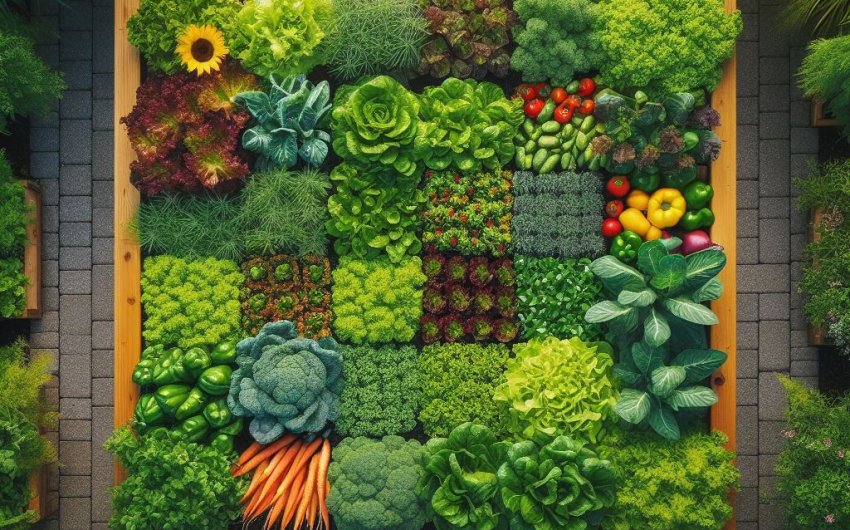
Do you dream of fresh, homegrown vegetables but have a small yard? Or maybe you’ve tried traditional gardening and felt overwhelmed by weeds and wasted space? Well, get ready to change the way you think about growing food! Square Foot Gardening is a super smart way to grow a lot of food in a small space. It's easy to learn, great for beginners, and cuts down on all the hard work that often comes with gardening. Imagine picking baskets of crisp lettuce, juicy tomatoes, and vibrant peppers right from your backyard, no matter how tiny it is! Let’s dive into how Square Foot Gardening can help you maximize your harvest and turn your gardening dreams into a delicious reality.
What Exactly Is Square Foot Gardening?
Square Foot Gardening (SFG) is a gardening method invented by Mel Bartholomew. He created it to make gardening simpler, more efficient, and more productive than traditional row gardening. Instead of planting long rows of single crops, you divide your garden beds into small, one-foot by one-foot squares. Each square becomes home to a specific number of plants, based on their size.
Why Is It So Great?
SFG offers a bunch of amazing benefits that make it a favorite for many gardeners.
Saves Space
This is perhaps the biggest draw. SFG lets you grow a surprising amount of food in a very small area. If you live in a city, have a small backyard, or even just a patio, you can still have a thriving vegetable garden. A 4x4 foot raised bed, for example, gives you 16 square feet of growing space, which can produce a huge amount of food for a family.
Less Weeding
Because plants are grown closer together in defined squares, they shade the soil quickly. This means fewer weeds can sprout and grow. Plus, any weeds that do pop up are much easier to spot and pull out since you're working in small, manageable sections. This saves a ton of time and back pain!
Less Water Waste
In SFG, you water the individual squares where plants are growing, not the pathways between rows. This focused watering means less water evaporates and more goes directly to your plants' roots. It's super efficient and saves water, which is good for your wallet and the environment.
Better Soil
SFG typically uses a special soil mix, often called Mel's Mix, which is much better than typical garden soil. This mix is light, fluffy, and full of nutrients, allowing roots to grow easily and absorbing water perfectly. Because you're planting densely, your plants get constant access to all the good stuff they need.
Easy to Manage
Working in small squares makes gardening feel less overwhelming. You can easily reach all your plants without stepping on the soil (which can compact it). Plus, planning is a breeze when you think in terms of one-foot sections.
High Yields
Don't let the small space fool you! By planting more closely and providing ideal soil conditions, SFG helps you get more vegetables from less space. You truly maximize your harvest per square foot.
Beginner Friendly
Because of its simple, structured approach, SFG is perfect for new gardeners. The step-by-step method takes away a lot of the guesswork and common problems that can discourage beginners.
How Do You Set Up Your Square Foot Garden?
Building your SFG is exciting! It involves a few key steps to get everything ready for planting.
Step 1: Choose Your Location
Where you put your garden is super important for your plants' success.
Lots of Sunshine
Most vegetables need at least 6-8 hours of direct sunlight every day to grow well and produce a good harvest. Observe your yard throughout the day to find the sunniest spot. Avoid areas constantly shaded by trees, fences, or buildings.
Flat and Level Ground
Pick a spot that is relatively flat and level. This makes building your raised bed much easier and ensures even watering. If your chosen spot has a slight slope, you might need to do a little leveling before you start building.
Good Drainage
Even though you’ll be using a special soil mix, make sure the area itself doesn't have standing water after a rain. Good natural drainage below your bed is still helpful.
Access to Water
It's smart to have your garden near a water source, like a spigot. Hauling water across your yard can get tiring quickly!
Step 2: Build Your Raised Bed
While you can technically do SFG in an in-ground bed, a raised bed is highly recommended. It offers better drainage, keeps pathways separate, and allows for that special SFG soil mix.
What Size?
The most common and easiest size is 4 feet by 4 feet. This gives you 16 squares, and you can easily reach the center of the bed from any side without stepping inside. You can also do a 4 feet by 8 feet bed if you have more space, but just make sure you can reach the middle. A good height is about 6-12 inches, but 12 inches is best for root crops. You can find pre-made raised garden beds that are easy to assemble. The Raised Garden Bed Kit from FOYUEE is a popular choice.
What Materials?
You can use various materials for your raised bed:
- Untreated Wood: Cedar, redwood, or juniper are good choices because they resist rot naturally. Avoid treated lumber, as chemicals can leach into your soil.
- Composite Lumber: This material is made from recycled plastics and wood fibers, lasts a long time, and doesn't rot.
- Stone, Brick, or Concrete Blocks: These are very durable and create a beautiful, permanent structure, but they can be more expensive and harder to build.
- Galvanized Metal: Increasingly popular, metal raised beds are durable, lightweight, and often easy to assemble. A VEGEGA Galvanized Raised Garden Bed is a good example.
Line the Bottom (Optional but Recommended)
You can place a layer of cardboard or weed barrier fabric at the bottom of your raised bed before adding soil. This helps smother existing weeds and grass. Make sure to remove any tape from the cardboard.
Step 3: Create Your Grid
This is the signature feature of SFG! The grid divides your bed into individual 1-foot squares.
How to Make a Grid
You can make a grid from thin strips of wood, PVC pipes, or even string. Lay your chosen material across the top of your raised bed, forming 1-foot by 1-foot squares. Secure it so it stays in place. The grid helps you see exactly where each plant goes and keeps everything organized. Many SFG kits come with a grid, or you can buy a Square Foot Garden Grid separately.
Step 4: Fill with Mel's Mix
This special soil mix is a game-changer for SFG. It's light, fluffy, and provides perfect conditions for roots to thrive.
What is Mel's Mix?
Mel's Mix is a blend of:
- 1/3 coarse vermiculite: This helps retain water and nutrients. You can find vermiculite at garden supply stores.
- 1/3 sphagnum peat moss (or coconut coir): This adds lightness, retains moisture, and provides acidity. Coconut coir is a more sustainable alternative to peat moss. A good option is organic coconut coir.
- 1/3 blended compost: This is the nutrient powerhouse! Use a variety of composts for a broad range of nutrients, such as mushroom compost, worm castings, leaf mold, or regular garden compost. You can buy organic compost or make your own.
Why is it so good?
Mel's Mix drains well, holds moisture, and provides all the nutrients your plants need without compacting. Because it’s so rich, you often don’t need to add extra fertilizers for a long time. Just top it off with a bit more compost each season.
How Do You Plant in Square Foot Gardens?
This is where the magic of density planting happens! The grid tells you exactly how many plants to put in each square.
The Planting Formula
The number of plants per square depends on how big the mature plant will get. Here's a simple guide:
Large Plants (1 plant per square)
For plants that need a lot of space, like:
- Tomatoes: Use a sturdy stake or cage for each plant.
- Peppers
- Broccoli
- Cabbage
- Eggplant
- Squash (bush varieties): Trailing varieties need more space, or can be trained upwards.
- Corn: Plant in a block for good pollination.
Medium Plants (4 plants per square)
These plants need a bit more room but can still share a square, like:
- Lettuce (loose-leaf)
- Spinach
- Swiss Chard
- Bush Beans
- Strawberries
- Marigolds (for pest control)
Small Plants (9 plants per square)
These are perfect for grouping:
- Beets
- Onions (bulb)
- Radishes
- Carrots (ensure Mel's Mix is deep enough for good root development)
- Turnips
Tiny Plants (16 plants per square)
For super small, quick-growing things:
- Carrots (some smaller varieties)
- Radishes (some smaller varieties)
- Scallions
- Most Herbs (though some herbs like mint should be in their own pot as they spread aggressively)
Planting Seeds and Seedlings
Once you know your numbers, planting is straightforward.
Direct Sowing Seeds
For crops like carrots, radishes, or beans, sow seeds directly into your squares. Create small holes or furrows in the soil at the recommended spacing for that plant within its square. Plant a few extra seeds, then thin them out later if too many sprout.
Transplanting Seedlings
For crops like tomatoes, peppers, or lettuce, you might start with young plants (seedlings) from a nursery or that you grew indoors. Dig a hole in the center of the square (for 1 plant per square) or at the appropriate spots for multiple plants, gently place the seedling, and backfill with Mel's Mix.
Vertical Gardening for Vining Plants
Don't forget to grow upwards! Vertical gardening is a huge part of maximizing space in SFG.
Trellises and Cages
For plants that vine or climb, like:
- Cucumbers
- Pole Beans
- Peas
- Melons (small varieties, supported)
- Vining Tomatoes
Add a trellis, cage, or stake to their square. This keeps the plants off the ground, saves space, and often makes harvesting easier. A Heavy Duty Garden Trellis can support many vining plants. Make sure the support is sturdy enough for the mature plant.
How Do You Care for Your Square Foot Garden?
Once your garden is planted, a little regular care will ensure a thriving harvest.
Watering Properly
Because Mel's Mix drains so well, you might need to water more often than in traditional gardens, especially when plants are small or during hot, sunny weather.
Check Daily
Stick your finger an inch or two into the soil. If it feels dry, it's time to water.
Water the Soil, Not the Leaves
Aim your water directly at the base of the plants, avoiding splashing the leaves, especially in the evening. This helps prevent fungal diseases. A gentle stream from a watering can or a soaker hose is ideal. A Metal Watering Can gives good control.
Consistent Moisture
Keep the soil consistently moist but not soggy. Mel's Mix holds moisture well, so it's easier to achieve this balance.
Fertilizing and Replenishing Soil
Mel's Mix is very rich, so you won't need to add much fertilizer.
Top Up with Compost
The main way you "fertilize" in SFG is by adding a scoop or two of compost to each square after you harvest a crop. This replenishes the nutrients for the next round of planting. You can also add a little compost mid-season if plants look like they need a boost.
Liquid Feed (Optional)
If your plants seem to be struggling or you're growing very heavy feeders like corn or tomatoes, a weak liquid organic fertilizer can be used sparingly. Always follow package directions.
Weeding (It's Easy!)
One of the best parts about SFG is how little weeding you have to do.
Hand Pulling
Because the plants are close together and the soil is loose, most weeds that do pop up can be easily pulled by hand. Do a quick check of your squares every day or two, and you’ll spend just minutes on weeding.
Pest and Disease Management
Healthy plants are the best defense against pests and diseases.
Inspect Regularly
Check your plants daily for any signs of trouble: chewed leaves, sticky residue, or discolored spots. The sooner you catch an issue, the easier it is to fix.
Hand Pick Pests
For larger pests like tomato hornworms, simply pick them off and drop them into a bucket of soapy water.
Organic Solutions
If you need to spray, use organic options like neem oil or insecticidal soap for common pests like aphids or spider mites. You can find organic neem oil spray at garden centers.
Good Air Circulation
Avoid overcrowding plants within a square, even if the SFG guidelines allow for density. Good air circulation helps prevent fungal diseases. Prune lower leaves on tomatoes or squash if they become too dense.
Crop Rotation (Within Squares)
While you're not rotating large fields, try to avoid planting the exact same crop in the exact same square season after season. Moving crops around helps prevent specific nutrient depletions and disease buildup in a single square.
Succession Planting
This is a key SFG technique to maximize your harvest throughout the season.
Replant After Harvest
When a crop in a square is finished (e.g., all your radishes are harvested), immediately replant that square with a new crop suitable for the current season. This keeps your garden continuously producing. For example, after early spring lettuce, you might plant bush beans. After beans, perhaps a fall crop of spinach.
Stagger Planting
Instead of planting all your lettuce at once, plant a few squares every 2-3 weeks. This ensures a continuous supply of fresh produce rather than one huge harvest all at once.
How Do You Plan Your Square Foot Garden Layout?
Planning is half the fun! A good layout ensures everything grows well together.
Draw It Out
Before you start planting, sketch your raised bed on paper, dividing it into squares. This helps you visualize your garden and plan your planting strategy.
Consider Plant Heights
Place taller plants (like staked tomatoes or pole beans on a trellis) on the north side of your bed. This way, they won’t shade out shorter plants that need full sun.
Companion Planting
This is the idea of planting certain crops near each other because they help each other grow. They might deter pests, attract beneficial insects, or improve soil nutrients.
Good Companions
- Tomatoes and Basil: Basil is said to improve tomato flavor and deter some pests.
- Marigolds: Planted throughout the garden, marigolds can deter nematodes and other harmful insects. A good choice is French Marigold seeds.
- Carrots and Rosemary: Rosemary helps deter carrot rust fly.
- Beans and Corn: Beans provide nitrogen to the soil, which corn needs.
- Nasturtiums: Can act as a "trap crop" for aphids, luring them away from other plants. They're also edible!
Bad Companions
Some plants don't play well together.
- Fennel: Can inhibit the growth of many other plants.
- Beans and Onions/Garlic: Onions and garlic can stunt the growth of beans.
- Potatoes and Tomatoes: Both are in the nightshade family and can share diseases, making them poor companions.
Think About Harvest Times
Plan your squares so that crops that mature quickly (like radishes or lettuce) can be harvested and replaced by new plants, keeping your squares productive throughout the season.
Keep a Garden Journal
This is a powerful tool! Note down:
- What you planted in each square.
- When you planted it.
- When it sprouted.
- When you harvested.
- Any problems you encountered (pests, diseases) and what you did.
- What grew well and what didn't. This information will be invaluable for planning future seasons and continually improving your Square Foot Garden. A simple gardening journal can make a big difference.
Troubleshooting Common Square Foot Gardening Issues
Even with the best planning, gardening sometimes throws curveballs. Here are a few common issues and how to fix them.
Plants Are Wilting
Issue: Underwatering
- Solution: Check the soil moisture. If it's dry, water deeply and slowly. Mel's Mix can dry out quickly in hot weather.
Issue: Overwatering / Root Rot
- Solution: If the soil is soggy and plants are wilting, it could be too much water. Ensure your raised bed has good drainage. Let the soil dry out a bit before watering again.
Issue: Heat Stress
- Solution: On very hot days, plants might wilt even if the soil is moist. Provide temporary shade with a shade cloth during the hottest part of the day.
Leaves Are Yellowing
Issue: Nutrient Deficiency
- Solution: While Mel's Mix is rich, heavy feeders or long-term crops might eventually need a boost. Top dress with more compost or use a diluted organic liquid fertilizer.
Issue: Overwatering
- Solution: Yellow leaves, especially lower ones, can also indicate too much water. Check soil moisture and drainage.
Issue: Pests or Diseases
- Solution: Inspect the underside of leaves for pests (like spider mites) or signs of fungal diseases. Treat as needed with organic solutions.
Poor Growth or Stunted Plants
Issue: Not Enough Sunlight
- Solution: Recheck your garden location. If it's getting less than 6 hours of sun, consider moving the bed or pruning nearby trees/shrubs that cast shade.
Issue: Too Much Competition
- Solution: While SFG is dense, ensure you're sticking to the recommended planting numbers per square. Overcrowding can stunt growth.
Issue: Compacted Soil (rare in SFG)
- Solution: If you haven't used Mel's Mix or have stepped in the bed, your soil might be compacted. Refresh with new Mel's Mix.
Pests Are a Problem
Issue: Aphids, Cabbage Worms, etc.
- Solution:
- Hand Pick: For larger pests, simply remove them by hand.
- Strong Spray of Water: For aphids, a strong jet of water can knock them off plants.
- Organic Insecticidal Soap or Neem Oil: Follow product instructions carefully.
- Introduce Beneficial Insects: Attract ladybugs or lacewings by planting flowers like dill or cilantro, or purchase them.
- Companion Planting: Use plants that naturally repel pests (e.g., marigolds, nasturtiums).
Diseases Are Spreading
Issue: Fungal Diseases (Powdery Mildew, Blight)
- Solution:
- Improve Air Circulation: Prune plants to allow more airflow.
- Water Correctly: Water the soil, not the leaves, especially in the evening.
- Remove Affected Leaves: Prune off diseased leaves immediately to prevent spread.
- Fungicides: Use organic fungicides like baking soda spray (1 tsp baking soda, 1 tsp horticultural oil, 1 quart water) or copper-based sprays.
- Crop Rotation: Avoid planting the same susceptible crops in the same squares year after year.
By being observant and taking action quickly, you can keep your Square Foot Garden thriving and truly maximize your harvest all season long!