
Upcycling Wonder: Pallets Garden Ideas for Sustainable Gardening
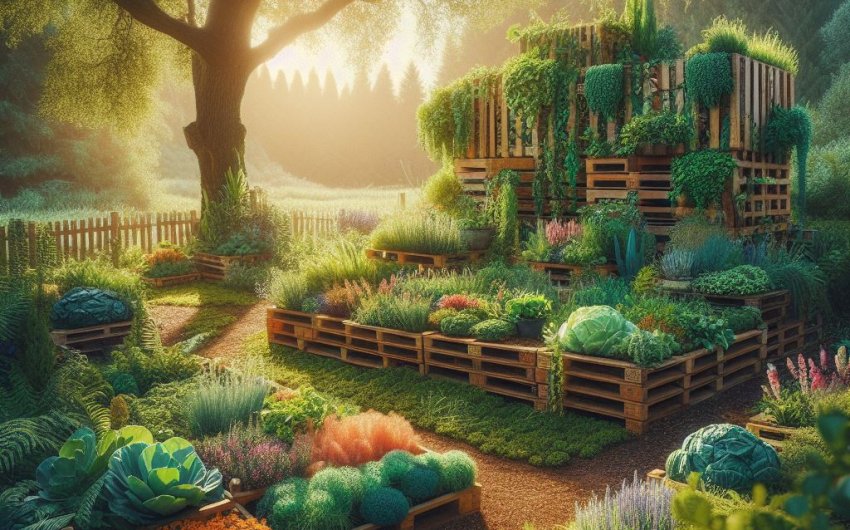
Gardening is a wonderful hobby, connecting us with nature and bringing beauty and fresh produce into our lives. But sometimes, setting up a garden, especially with raised beds or unique planters, can get expensive. What if there was a way to create stunning, functional garden spaces while also being incredibly kind to your wallet and the planet? This is where the magic of upcycling comes in, and specifically, the incredible versatility of wooden pallets. These unassuming shipping platforms, often discarded after a single use, hold immense potential for transforming your outdoor areas into vibrant, sustainable havens.
Pallets garden ideas offer a creative and cost-effective solution for gardeners of all levels. Whether you have a tiny balcony, a small patio, or a sprawling backyard, pallets can be repurposed into a surprising array of planters, vertical gardens, and even garden furniture. It’s a fantastic way to reduce waste, embrace your DIY spirit, and build a truly unique garden space. Let's dive into the world of pallet gardening and discover how these humble wooden structures can become the foundation for your next eco-friendly outdoor project.
Why Choose Pallets for Your Garden? The Sustainable Advantage
Using pallets in your garden goes beyond just saving money; it's a powerful act of sustainable gardening. You're giving new life to materials that would otherwise end up in landfills, reducing waste and conserving resources.
1. Eco-Friendly Upcycling
- Reducing Landfill Waste: Billions of wooden pallets are used globally each year, and many are simply thrown away after their initial purpose. By upcycling them for your garden, you're directly diverting significant amounts of waste from landfills. This lessens the burden on waste management systems and reduces pollution.
- Conserving Resources: When you reuse pallets, you reduce the demand for new timber. This means fewer trees are cut down, less energy is used in manufacturing, and fewer natural resources are consumed. It's a prime example of the "reuse" principle of the 3 Rs (Reduce, Reuse, Recycle).
- Lower Carbon Footprint: Manufacturing new materials has a carbon footprint. By using existing pallets, you bypass much of that, making your garden project more environmentally friendly.
2. Cost-Effective Gardening
- Free or Low-Cost Materials: Many businesses are happy to give away used pallets for free, just to get rid of them. This makes pallet gardening one of the most budget-friendly ways to create garden structures. Even if you buy them, they're typically very inexpensive.
- DIY Potential: With a few basic tools and a bit of creativity, you can transform pallets into a wide variety of garden features without needing to buy expensive pre-made planters or raised beds. This saves on labor costs too, if you were considering professional installation.
3. Versatility and Adaptability
- Modular Design: Pallets are designed to be uniform, making them inherently modular. This means they can be easily stacked, cut, and reassembled into countless configurations to suit different garden sizes and needs.
- Small Spaces Friendly: Their vertical nature makes them perfect for small patios, balconies, or urban gardens where ground space is limited. You can grow a surprising amount of food or flowers in a compact area.
- Unique Aesthetic: Upcycled pallet gardens have a charming, rustic, and often industrial aesthetic that can add a unique character to your outdoor space, standing out from typical garden designs.
Are All Pallets Safe for Garden Use? What to Look For!
Before you start collecting pallets, it's crucial to understand that not all of them are created equal when it comes to safety for gardening, especially if you plan to grow edibles.
The IPPC Stamp: Your Safety Guide
Look for the IPPC stamp (International Plant Protection Convention) on the side of the pallet. This stamp tells you how the wood was treated.
- "HT" (Heat Treated): This is what you want! HT means the pallet was heat-treated to kill pests, not chemically treated. These pallets are generally considered safe for garden use, including growing food. They are the best choice for pallet gardening.
- "MB" (Methyl Bromide): AVOID THESE! MB indicates that the pallet was chemically treated with methyl bromide, a toxic pesticide. Residues of this chemical can leach into your soil and potentially harm your plants and, if you're growing edibles, could be harmful if ingested. Always steer clear of MB pallets.
- "DB" (Debarked): This simply means the bark was removed. It doesn't tell you about the treatment method, so still look for HT or MB.
- "KD" (Kiln-Dried): Indicates the wood was dried in a kiln to reduce moisture content. This doesn't replace the need for HT or MB info, but often kiln-dried pallets are also heat-treated.
- No Stamp: If a pallet has no stamp, it's best to avoid it, especially for growing food. You can't be sure how it was treated. It might be safe, but why take the risk? These are often domestic pallets but could still have chemical treatments you aren't aware of.
Other Safety Considerations
- Condition: Inspect the pallet for any obvious signs of chemical spills, stains, or strong odors. If it looks or smells suspicious, pass on it.
- Source: Try to get pallets from local businesses that receive goods you know are safe (e.g., nurseries, local hardware stores, small businesses that get paper goods or food items). Avoid pallets from chemical factories or industrial sites.
- Cleanliness: Even HT pallets should be cleaned thoroughly before use. Scrub them with a stiff brush and soapy water, then rinse well and let them dry completely in the sun.
- Lead Paint: While rare on modern pallets, if you find a very old pallet with chipping paint, be cautious. Old paint could contain lead. It's usually best to avoid painted pallets unless you know the paint is safe.
What Are Some Popular Pallets Garden Ideas?
The possibilities for pallet gardening are vast, limited only by your imagination and a bit of DIY spirit!
1. Vertical Pallet Garden (Standing Upright)
This is one of the most popular uses for pallets, especially for small spaces.
How to Make It:
- Prepare Pallet: Source a safe, clean HT pallet.
- Add Fabric Backing (Optional but Recommended): Staple or nail a durable landscape fabric or heavy-duty weed barrier to the back and bottom of the pallet to create "pockets" for soil. You can also use sections of old grow bags or even cut-up tarp material.
- Stand Upright: Lean the pallet against a sturdy wall or fence, or secure it with stakes if freestanding.
- Fill with Soil: Carefully fill the pockets created by the slats with good quality potting mix. For a successful vertical garden, consider using a high-quality mix, like Miracle-Gro Potting Mix, to ensure your plants get the nutrients they need.
- Plant: Plant herbs, small annual flowers, lettuces, strawberries, or other shallow-rooted plants in the horizontal openings.
- Water: Water thoroughly. You'll need to water the top pockets, and water will trickle down to the lower ones.
Best For:
- Herbs (mint, thyme, chives)
- Strawberries
- Lettuce and leafy greens
- Small annual flowers (petunias, impatiens)
- Succulents
2. Raised Garden Beds (Single or Stacked)
Pallets are excellent for creating simple raised garden beds, offering better drainage and easier access.
How to Make It:
- Prepare Pallets: Source several safe, clean HT pallets.
- Form the Frame: Arrange pallets on their sides to create a square or rectangular frame. You can use two pallets for a shallower bed, or stack two or more layers high for deeper beds.
- Secure: Secure the pallets together at the corners using screws and corner brackets or strong zip ties.
- Lining (Optional but Recommended): Line the inside of the pallet frame with landscape fabric or thick cardboard to prevent soil from washing out and to deter weeds from below.
- Fill with Soil: Fill the bed with a mixture of good quality garden soil and compost.
- Plant: Plant vegetables, flowers, or herbs.
Best For:
- Most vegetables (tomatoes, peppers, beans, carrots)
- Larger annuals and perennials
- Mixed flower beds
3. Pallet Composter
Turn your discarded pallets into an efficient compost bin!
How to Make It:
- Prepare Pallets: Source four (or more) safe, clean HT pallets.
- Form a Box: Stand four pallets upright to form a square.
- Secure: Secure the pallets together at the corners using heavy-duty zip ties, bungee cords, or screws and brackets. You can leave one side hinged for easier access.
- Fill: Start layering your "greens" and "browns" to create compost.
Best For:
- Composting kitchen scraps and garden waste.
4. Planter Boxes
Break down pallets to create individual planter boxes.
How to Make It:
- Disassemble Pallet: Carefully disassemble a pallet using a pry bar and hammer. This can be challenging!
- Cut Wood: Cut the individual wooden planks to size to form the sides and bottom of your planter box.
- Assemble: Screw the planks together to form a box.
- Add Drainage: Drill drainage holes in the bottom if necessary.
- Line (Optional): Line with landscape fabric before adding soil.
- Fill and Plant: Fill with potting mix and plant your desired flowers or herbs.
Best For:
- Individual annuals or small shrubs
- Creating a uniform look with multiple boxes
- Container gardening
5. Tiered Planter or Step Garden
Create multiple levels for planting, maximizing space and visual interest.
How to Make It:
- Prepare Pallets: Source several safe, clean HT pallets.
- Disassemble (Partial): You'll typically remove some of the top planks to create openings for planting.
- Stack and Stagger: Stack the pallets on top of each other, staggering them slightly to create steps or tiers.
- Line Pockets: Line the newly created planting pockets with landscape fabric.
- Fill and Plant: Fill with potting mix and plant.
Best For:
- Herb gardens
- Succulent displays
- Cascading flowers
- Creating a focal point.
6. Garden Fence or Screen
Pallets can also provide a rustic boundary or privacy screen.
How to Make It:
- Prepare Pallets: Source safe, clean HT pallets.
- Stand Upright: Stand pallets vertically, side by side.
- Secure: Secure them to posts or each other using screws and brackets.
- Enhance: You can paint them, attach trellises for climbing plants, or add hooks for hanging planters.
Best For:
- Defining garden spaces
- Providing privacy
- Supporting climbing plants like morning glories or small vining vegetables.
Tips for Success with Your Pallets Garden Projects
To ensure your pallets garden ideas turn out beautifully and sustainably, keep these tips in mind.
1. Thoroughly Clean Your Pallets
Even if they are HT certified, give your pallets a good scrub. Use a stiff brush, soapy water (a mild dish soap works fine), and rinse thoroughly with a hose. Let them dry completely in the sun before you begin building or painting.
2. Sand and Seal for Longevity
- Sanding: Rough edges and splinters are common on pallets. Sanding them down, especially if they'll be touched frequently or are part of seating, will make them safer and smoother. You can use a power sander for efficiency or sandpaper by hand.
- Sealing: To protect the wood from weathering, rot, and insects, apply a non-toxic, outdoor-grade wood sealant. Choose a sealant that is safe for garden use, especially if growing edibles. Look for products labeled "food-safe" or "eco-friendly." A natural wood sealer can protect your project for years.
3. Use Quality Potting Mix
Don't skimp on the soil! Even the best pallet structure won't yield great results if your plants are struggling in poor soil.
- Well-Draining: Ensure your potting mix is well-draining to prevent root rot, especially in containers or vertical gardens.
- Nutrient-Rich: Use a mix that includes compost or other organic matter to provide essential nutrients for your plants.
4. Consider Lining
- For vertical gardens or planter boxes, lining with landscape fabric, old grow bags, or heavy-duty weed barrier material will prevent soil from washing out of the gaps between the pallet planks. It also helps retain moisture.
5. Plan Your Plants Wisely
- Vertical Gardens: Choose plants with shallow root systems that don't need a lot of depth. Herbs, lettuces, and small annual flowers are perfect.
- Raised Beds: These offer more depth, so you can grow a wider variety of vegetables and flowers.
- Watering Needs: Group plants with similar watering needs together, especially in vertical gardens where water tends to drain quickly.
6. Secure Your Creations
- Stability: Ensure your pallet structures are stable and secure, especially if they are tall or freestanding. Use stakes, attach them to a sturdy wall or fence, or use strong screws and brackets to prevent tipping. Safety first!
Pallets garden ideas offer a fantastic blend of sustainability, creativity, and practicality for any gardener. By giving these discarded materials a second life, you're not just building a garden; you're building a statement about conscious living and resourcefulness. Embrace the challenge, enjoy the process, and soon you'll have a unique, eco-friendly garden space that brings beauty and fresh produce right to your doorstep.