
Extend Your Growing Season: Cold Frame Gardening Techniques
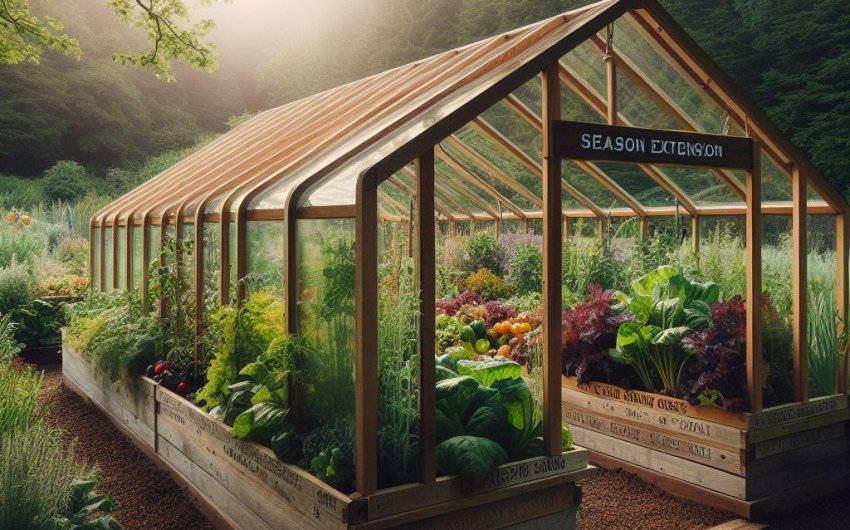
For avid gardeners, the arrival of cold weather often signals the end of fresh harvests and vibrant growth. Yet, with a clever little structure called a cold frame, you can defy the chill and stretch your gardening season far beyond what you thought possible. A cold frame acts like a mini-greenhouse, capturing sunlight and protecting plants from harsh winds, frost, and snow. It's an invaluable tool for anyone looking to grow edibles earlier in spring, later into fall, or even through the depths of winter, all while keeping your plants happy and healthy. This simple, unheated structure can transform your gardening potential, allowing you to enjoy homegrown produce for more months of the year, bringing a continuous bounty to your table.
What Exactly Is a Cold Frame and How Does It Work?
A cold frame might sound fancy, but it's actually a very simple and smart tool for gardeners. Think of it as a small, unheated mini-greenhouse right in your garden. It's one of the best ways to extend your growing season.
What It Is
At its core, a cold frame is a bottomless box with a clear, slanted lid.
- The Box: The "box" part is usually made of wood, bricks, concrete blocks, or even straw bales. It forms the walls and holds in heat.
- The Lid (Glazing): The "lid" is clear, made of glass, polycarbonate panels, or even sturdy plastic sheeting. This clear top lets sunlight in. The lid is often slanted to catch more sunlight and to help rain and snow slide off.
- No Heating System: The key difference from a full-sized greenhouse is that a cold frame does not have an artificial heating system. It warms up only from the sun.
How It Works (The Greenhouse Effect in Miniature)
A cold frame works on a very simple but powerful principle called the greenhouse effect.
- Captures Sunlight: The clear lid allows sunlight (solar radiation) to pass through and hit the soil and plants inside.
- Traps Heat: The sunlight warms up the soil, plants, and air inside the cold frame.
- Insulates: The walls and the lid then trap this heat inside. The clear lid acts like a blanket, preventing the warm air from escaping and the cold outside air from getting in easily.
- Protection: The solid walls and lid also protect the plants from harsh winds, frost, snow, and heavy rain, which can be very damaging to tender plants.
This means that even on a sunny but freezing cold day, the temperature inside a properly managed cold frame can be many degrees warmer than the outside air, sometimes even warm enough for plants to continue growing. At night, the trapped heat slowly escapes, but the insulation from the walls and lid still keeps the inside temperature significantly higher than outside, preventing plants from freezing.
What Makes It Different from a Greenhouse?
- Size: Cold frames are much smaller and closer to the ground than greenhouses.
- Heating: Greenhouses are often heated using electricity or gas. Cold frames rely solely on the sun's natural heat.
- Cost: Cold frames are usually much cheaper to build or buy than greenhouses. Many can be built from recycled materials. You can find pre-made ones too, like a Gardman R687 Mini Greenhouse.
- Portability: Some cold frames are designed to be moved around the garden.
By understanding these basics, you can see how a simple cold frame becomes a powerful tool for pushing the boundaries of your growing season and enjoying fresh produce for more months of the year.
Why Should I Use a Cold Frame in My Garden?
Using a cold frame can be a game-changer for your garden. It offers many benefits that help you grow more, earlier, and later in the year. If you love fresh produce and want to maximize your gardening efforts, a cold frame is a smart addition.
1. Extend Your Growing Season
This is the number one reason. A cold frame lets you:
- Start Seeds Earlier in Spring: You can sow seeds for vegetables like lettuce, spinach, radishes, and even some warm-season crops (like tomatoes and peppers) several weeks before it's safe to plant them outside. This gives your seedlings a head start and leads to earlier harvests.
- Grow Later into Fall: As outdoor temperatures drop, you can continue harvesting cool-season crops like kale, Swiss chard, and carrots. The cold frame protects them from early frosts, keeping them productive.
- Overwinter Crops: In many climates, a cold frame can allow you to keep hardy greens and root vegetables alive and even growing slowly through the winter months. Imagine harvesting fresh lettuce in January!
- Harden Off Seedlings: This is a crucial step for any gardener. Hardening off means slowly getting young plants used to outdoor conditions (wind, sun, fluctuating temperatures) before planting them in the garden. A cold frame is perfect for this. You can gradually open the lid for longer periods each day, helping your seedlings become tough enough for the outside world.
2. Protect Tender Plants from Harsh Weather
- Frost Protection: The primary role of a cold frame is to shield plants from freezing temperatures. The trapped warmth inside keeps the temperature higher than outside, preventing frost damage.
- Wind Protection: Strong winds can dry out plants quickly and physically damage delicate seedlings. The walls of the cold frame offer excellent protection.
- Heavy Rain/Snow Protection: It keeps heavy rain from beating down on tender seedlings and prevents snow from burying or crushing plants.
3. Save Money
- No Heating Bills: Unlike a heated greenhouse, a cold frame uses no extra energy. It relies entirely on the sun, saving you money on electricity or gas bills.
- Grow Your Own Food: By extending your season, you can grow more of your own food, reducing your grocery bill, especially for fresh greens and herbs during colder months when they are more expensive.
- Reduced Plant Purchases: You can start more of your own seeds, rather than buying expensive established seedlings from nurseries.
4. Versatility
- Year-Round Use: You can use a cold frame almost year-round:
- Spring: Seed starting and hardening off.
- Summer: Protecting tender plants from scorching sun if needed (by shading the lid) or even for drying herbs.
- Fall/Winter: Extending harvests and overwintering plants.
- Small Space Friendly: Cold frames are compact and can fit into smaller gardens or even on patios.
5. Control Over Growing Conditions
While not as precise as a greenhouse, a cold frame still gives you more control:
- Temperature Regulation: You can lift the lid on warm days to prevent overheating and close it on cold nights to trap warmth.
- Pest Protection: The enclosed space can offer some protection from certain garden pests and foraging animals.
By adding a cold frame to your gardening tools, you're not just buying a box; you're investing in a longer, more productive, and more satisfying gardening experience.
Where Should I Place My Cold Frame?
Picking the perfect spot for your cold frame is one of the most important decisions. Its location directly affects how well it works to keep your plants warm and growing.
1. Sunlight is King
- South-Facing is Best: Your cold frame needs as much sun as possible, especially during the colder months when the sun is lower in the sky. A spot that gets full sun (at least 6-8 hours of direct sunlight) for most of the day, particularly from the southeast to southwest, is ideal. A south-facing location is generally the winner because it maximizes the sunlight captured throughout the day.
- Avoid Shade: Make sure there are no large trees, buildings, or fences that will cast shadows over your cold frame, especially during the morning and mid-day. Even short periods of shade can significantly reduce the internal temperature and limit plant growth.
2. Protection from Wind
- Sheltered Spot: While sunlight is crucial, strong, cold winds can quickly strip away any trapped heat from your cold frame. Look for a location that is naturally sheltered from prevailing winter winds.
- Against a Building/Wall: Placing your cold frame against the south-facing wall of your house, shed, or a fence is often an excellent choice. The wall acts as a windbreak and can also absorb heat from the sun during the day, slowly radiating it back towards the cold frame at night, providing extra warmth. This is called a heat sink.
3. Good Drainage
- Elevated (Slightly): The area where your cold frame sits should have good drainage. You don't want water collecting around the base, as this can lead to soggy soil inside and potentially rot the cold frame's materials. A slightly elevated spot is good.
- Avoid Low Spots: Don't place it in a low-lying area where rainwater tends to pool.
4. Accessibility
- Easy to Reach: You'll need to open and close the lid of your cold frame often (sometimes daily, depending on the weather). Place it in a spot that's easy for you to get to without having to trek through mud or snow.
- Near a Water Source: Being close to your garden hose or a watering can is convenient, as plants inside a cold frame will still need water.
5. Level Ground
- Stable Base: Ensure the ground where you place your cold frame is relatively level. This ensures the cold frame sits securely and the lid closes properly, preventing heat from escaping and cold air from creeping in.
Quick Checklist for Cold Frame Placement:
- Full Sun (South-facing preference)
- Sheltered from cold winds
- Good drainage
- Easy access
- Level ground
By carefully choosing the location for your cold frame, you're setting it up for maximum efficiency in warming your plants and extending your gardening success.
How Do I Build or Choose a Cold Frame?
Whether you decide to build a cold frame yourself or buy one, understanding the key features will help you choose the best option for your garden and needs. Both paths have their pros and cons.
Building Your Own Cold Frame
Building a DIY cold frame can be a very rewarding project, often saving you money and allowing for customization.
- Materials for the Box:
- Wood: Cedar or treated lumber are excellent choices because they resist rot. Other options include pine (cheaper but will rot faster unless painted/sealed). Aim for planks that are at least 8-12 inches tall.
- Bricks or Concrete Blocks: These are very durable and also act as a good heat sink, absorbing warmth during the day and releasing it slowly at night. They can be stacked without mortar for a simple frame.
- Straw Bales: A very economical and insulating option, though they will eventually break down.
- Materials for the Lid (Glazing):
- Old Windows: Single-pane or double-pane windows from an old house are a classic choice. They are heavy but excellent insulators. Make sure they are intact and safe to handle.
- Polycarbonate Panels: These are lightweight, durable, and good insulators. You can buy them in sheets. They are often used in commercial greenhouses. A Palram Hobby Greenhouse will often use similar panels.
- Acrylic Sheets: Similar to polycarbonate but can scratch more easily.
- Heavy-Duty Plastic Sheeting: This is the cheapest option, but it won't insulate as well and will need replacing more often. Use UV-resistant plastic.
- Key Design Features for Building:
- Slanted Lid: Make the back wall of the box taller than the front wall (e.g., 12 inches high in the back, 8 inches in the front) so the lid slopes downwards. This helps water run off and lets sunlight hit the plants more directly.
- Hinges/Lifting Mechanism: Attach the lid to the back of the box with sturdy hinges so you can easily open it for ventilation. Add a prop stick or an automatic vent opener to hold the lid open.
- Tight Fit: Ensure the lid fits snugly on the box to prevent heat loss.
Buying a Pre-Made Cold Frame
If DIY isn't your thing, there are many excellent pre-made cold frames available.
- Types: You'll find options made from wood with polycarbonate lids, aluminum frames with polycarbonate, or even simple plastic pop-up designs.
- Considerations When Buying:
- Size: How much space do you have, and how many plants do you want to grow?
- Material:
- Wood/Aluminum Frame with Polycarbonate: These are durable, good insulators, and often lightweight enough to move. A VEVOR cold frame can be found in this style.
- Plastic (less durable, less insulation): Cheaper, but might not last as long or provide as much protection.
- Lid Design:
- Hinged Lid: Easy to open and close.
- Sliding Panels: Some designs have panels that slide open.
- Removable Lid: Less convenient for daily ventilation but good for full sun exposure.
- Ventilation: Does it have adjustable vents or an easy way to prop the lid open? Some even have automatic vent openers that open and close based on temperature, which is a great feature for busy gardeners.
- Assembly: Check reviews for ease of assembly.
Where to Place it (Internal Soil or Raised Bed)
- Most cold frames are bottomless, meaning they sit directly on the ground. You'll plant directly into the soil inside the frame.
- Some are designed to sit on top of a raised garden bed, extending the height and allowing for easier access.
Whether you build or buy, a well-designed cold frame will be a valuable addition to your gardening toolkit, letting you enjoy fresh harvests for much longer.
What Plants Can I Grow in a Cold Frame?
One of the most exciting things about having a cold frame is realizing how many different plants you can grow in it, extending your harvest beyond the typical growing season. The key is to choose cold-hardy vegetables and herbs.
Cool-Season Vegetables (Your Cold Frame Superstars)
These plants thrive in cooler temperatures and are the best choices for early spring, late fall, and even winter growing in a cold frame.
- Leafy Greens:
- Lettuce: Many varieties of loose-leaf lettuce, butterhead, and romaine do exceptionally well. Look for varieties labeled "cold-tolerant."
- Spinach: A true cold-weather champion. You can get multiple harvests.
- Kale: Very hardy. Its flavor can even improve after a light frost.
- Swiss Chard: Similar to kale, very resilient.
- Arugula: Grows quickly and tolerates cool conditions.
- Mizuna/Mustard Greens: Fast-growing and add a nice peppery kick.
- Root Vegetables (for extending harvests or getting an early start):
- Radishes: Very fast-growing, excellent for early spring harvests.
- Carrots: While they won't grow large in winter, you can keep them in the ground for fresh pulling, and they can be started earlier in spring.
- Beets: Both the roots and the greens are good cold-frame crops.
- Turnips: Similar to beets, both roots and greens are edible.
- Brassicas (Cabbage Family):
- Broccoli and Cabbage (for seedlings): You can start seedlings early in the cold frame, then transplant them out into the garden when the weather warms.
- Kohlrabi: An interesting and cold-tolerant root vegetable.
- Herbs:
- Cilantro: Can be grown in a cold frame for an extended period.
- Parsley: Very cold-hardy.
- Chives: Will overwinter well and provide early spring growth.
- Mint: Hardy and will likely survive and provide early harvests.
Warm-Season Vegetables (for Seed Starting and Hardening Off)
You wouldn't grow these through winter in a cold frame, but the cold frame is invaluable for getting them ready for outdoor planting.
- Tomatoes: Start seeds weeks before the last frost date.
- Peppers: Similar to tomatoes, they need a long growing season.
- Eggplant: Also benefits from an early start indoors or in a cold frame.
- Squash/Cucumbers: You can start these from seed in pots in the cold frame to give them a head start before transplanting.
Overwintering Perennials
A cold frame can also be used to protect less hardy perennial herbs or flowers over winter.
- Rosemary: Can often survive mild winters in a cold frame.
- Lavender (some varieties): Might get a boost of protection.
- Strawberry Plants: A cold frame can give them an early start to fruit production in spring.
Key Considerations for Plant Selection:
- Patience is Key for Winter Growth: Plants won't grow as fast in winter as they do in spring or summer. They'll mostly "hold" and grow very slowly on sunny days.
- Succession Planting: To ensure a continuous harvest, sow new batches of seeds every few weeks.
- Space: Plan your planting to make the best use of the limited space inside the cold frame.
By choosing the right cold-hardy vegetables and using your cold frame strategically for seed starting, you can enjoy a much longer and more abundant harvest of fresh produce from your own garden.
How Do I Manage Temperature and Ventilation in a Cold Frame?
Proper temperature and ventilation management are the most important daily tasks for keeping plants healthy in a cold frame. The goal is to keep plants warm enough but not let them overheat, and to provide fresh air.
The Daily Routine: Venting!
This is where your daily interaction with the cold frame comes in.
- On Sunny Days (Even if Cold Outside): The temperature inside a cold frame can rise very quickly, even on a freezing day, due to the greenhouse effect.
- Why Vent: If the temperature inside gets too high, it can cook your plants or cause them to "bolt" (go to seed prematurely) or become leggy. Overheating also creates a humid, stagnant environment, which is perfect for fungal diseases.
- How to Vent: On a sunny day, especially if the outside temperature is above freezing, you need to prop open the lid of your cold frame.
- Start by opening it just a crack (1-2 inches) if it's still cool.
- On warmer, very sunny days, you might open it wider, or even completely remove the lid for a few hours.
- Automatic Vent Openers: For convenience, you can get an automatic cold frame vent opener. These use a wax cylinder that expands and contracts with temperature changes, automatically opening and closing the lid. This is a game-changer for busy gardeners.
- On Cloudy or Overcast Days: If it's cloudy and cold, you might not need to open the lid at all, or just a tiny crack for a short while if it warms up unexpectedly.
- Closing at Night: Always close the lid completely before sunset, even on relatively mild days. This traps the heat gathered during the day and protects plants from overnight temperature drops and frost.
Monitoring Temperature
- Thermometer: It's a good idea to keep a minimum/maximum thermometer inside your cold frame. This will tell you the highest and lowest temperatures reached inside, helping you learn how your cold frame behaves in different weather conditions and if you're venting enough. A Taylor min/max thermometer works well.
Dealing with Extreme Cold (Extra Protection)
For very cold nights or during prolonged freezing spells, you might need extra insulation:
- Add a Blanket: Drape old blankets, burlap, straw, or a frost blanket over the lid and sides of the cold frame in the late afternoon. Remove it in the morning.
- Snow as Insulation: A layer of snow on top of the cold frame can actually act as an insulator, but remove it once the sun comes out so light can get in.
- Thermal Mass: Placing dark-colored containers of water or rocks inside the cold frame can help. They absorb heat during the day and radiate it slowly at night, keeping the temperature more stable.
Managing Condensation
- Why it's a Problem: High humidity inside a cold frame (especially combined with insufficient ventilation) can lead to condensation, which drips onto plants. This constantly wet foliage can encourage fungal diseases like powdery mildew.
- Solution: Proper ventilation is the best defense against excessive condensation. Ensure good airflow by opening the lid when temperatures allow.
By making daily temperature and ventilation management a priority, you'll ensure your cold frame provides the ideal growing environment, preventing both overheating and freezing, and keeping your plants healthy and productive.
How Do I Water Plants in a Cold Frame?
Watering plants inside a cold frame requires a slightly different approach than watering plants in the open garden. Because the cold frame traps moisture, it's easy to overwater if you're not careful.
1. Check Soil Moisture Carefully
- The "Finger Test": Just like with houseplants, the best way to know when to water is to feel the soil. Stick your finger 1-2 inches deep.
- If it feels damp, don't water.
- If it feels dry, it's time to water.
- Less Frequent Watering in Colder Months: Plants in a cold frame, especially during late fall, winter, and early spring, grow much slower than in summer. Their water needs are significantly reduced. The soil will stay moist for longer.
- Check Every Few Days: In colder periods, you might only need to water once a week or even less often. In warmer, sunnier spells, you might need to check daily.
2. Water in the Morning on a Sunny Day
- Best Time: Always try to water your cold frame plants in the morning on a day when you know it will be sunny.
- Why: Watering in the morning gives the plants all day to absorb the water. Any excess moisture on the leaves or soil surface has a chance to evaporate before nightfall.
- Avoid Evening Watering: Watering in the evening, especially when temperatures are dropping, leaves foliage wet overnight. This creates the perfect conditions for fungal diseases to thrive.
3. Water at the Base of the Plants
- Avoid Wetting Foliage: Try to water the soil directly at the base of your plants, rather than spraying water over the leaves. This further reduces the risk of fungal problems.
- Gentle Stream: Use a watering can with a gentle rose attachment or a small cup to pour water directly onto the soil. A good small watering can can be very helpful.
4. Ensure Good Drainage (Again!)
- Well-Draining Soil: Even though plants in a cold frame need consistent moisture, they still need well-draining soil. If the soil is too heavy or compacted, water will sit around the roots, leading to root rot.
- Bottomless Frame: Most cold frames are bottomless and sit directly on the garden soil. This usually provides good drainage. If your cold frame has a bottom, make sure it has drainage holes.
5. Be Mindful of Condensation
- Condensation Drips: You'll likely see condensation forming on the inside of your cold frame lid, especially on cold mornings. As the sun warms the frame, this water can drip onto your plants.
- Ventilation is Key: Proper ventilation (opening the lid) is your best tool against excessive condensation, as it allows moist air to escape.
Key Takeaways for Watering:
- Always check the soil before watering.
- Water in the morning on sunny days.
- Water the soil, not the leaves.
- Never let plants sit in soggy soil.
By following these watering best practices, you'll provide your cold frame plants with the moisture they need without causing issues, ensuring a thriving winter garden.
How Do I Prepare My Cold Frame for Winter?
Getting your cold frame ready for winter is crucial to ensure its success as a season extender. Proper preparation helps maximize the warmth it captures and the protection it offers your plants.
1. Choose and Plant the Right Crops
- Cold-Hardy Varieties: As discussed, select cold-hardy vegetables and herbs that can tolerate cooler temperatures, such as spinach, kale, lettuce, arugula, and carrots.
- Timing is Key: Plant your crops in late summer or early fall. This gives them enough time to grow to a good size before the really cold weather hits and growth slows down. You want them established, not just sprouting, when winter truly arrives.
2. Prepare the Soil
- Rich, Well-Draining Soil: Ensure the soil inside your cold frame is healthy and rich in organic matter. Work in some compost (Compost amendments) before planting. This provides nutrients and helps with both drainage and moisture retention.
- Check Drainage: Double-check that the area drains well and doesn't collect standing water.
- Fertilize Lightly: A light application of a balanced organic fertilizer before planting can give your winter crops a boost, but avoid heavy fertilizing in late fall, as you don't want to encourage too much tender new growth right before a freeze.
3. Ensure Good Insulation
- Seal Gaps: Check the entire cold frame for any gaps or cracks where cold air could leak in or warm air could escape. Seal them with caulk, weatherstripping, or even duct tape for temporary fixes.
- Insulate the Sides:
- Mound Soil: Mound soil or compost around the outside base of the cold frame walls. This acts as an extra layer of insulation.
- Straw Bales: For even more insulation, place straw bales around the outside perimeter of the cold frame. This is a very effective way to keep the internal temperature higher.
- Insulate the Lid: While the clear lid lets light in, it can lose a lot of heat at night.
- Thermal Blankets: On very cold nights, cover the lid with an old blanket, burlap, a piece of old carpet, or a heavy-duty frost blanket (Plant frost protection cover). Remove it in the morning when the sun comes up to allow light in.
4. Maximize Sunlight
- Clean the Lid: Before winter sets in, thoroughly clean the top of your cold frame lid. Remove any dirt, grime, leaves, or debris. A clean lid allows maximum sunlight to penetrate and warm the interior.
- Clear Snow: During winter, if it snows, gently brush or sweep any snow off the lid as soon as possible. Snow blocks sunlight and prevents the cold frame from warming up.
5. Consider Thermal Mass (Optional)
- Water Bottles/Dark Rocks: Place dark-colored plastic water bottles (filled with water) or dark rocks inside the cold frame. These materials will absorb heat from the sun during the day and slowly release it during the night, helping to stabilize the temperature and keep it warmer.
By diligently preparing your cold frame for winter, you'll create a protective, warm haven for your plants, allowing you to enjoy fresh harvests throughout the colder months and get a significant head start on spring planting.