
Small Space, Big Ambitions: Unleashing the Potential of Small Gardens
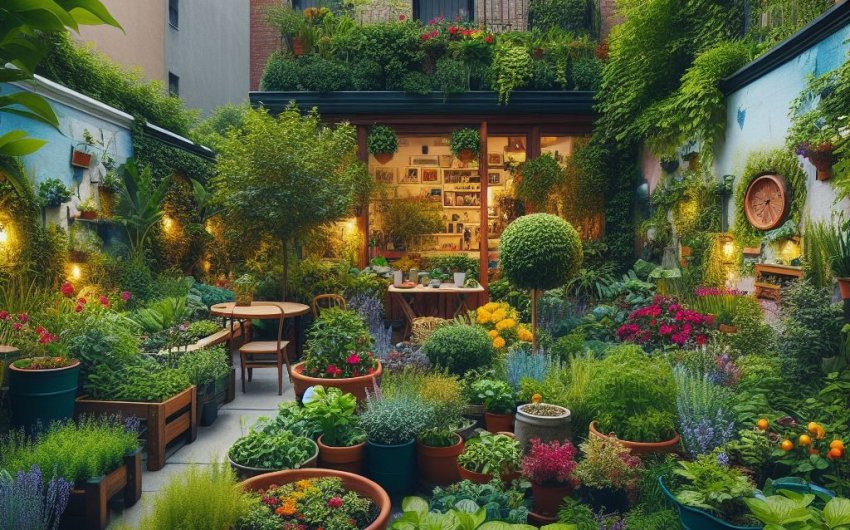
Do You Have a Tiny Yard But Big Garden Dreams?
Do you look at your compact backyard, cozy balcony, or narrow side yard and sigh? You dream of lush greenery, vibrant flowers, or a bountiful vegetable garden, but feel limited by your small space. It's easy to think a small garden can't achieve much. But here's the exciting truth: a small space doesn't mean small possibilities! With creative planning and smart design, you can unleash the full potential of even the tiniest garden, turning it into a beautiful, functional, and surprisingly abundant oasis. It's all about thinking vertically, choosing the right plants, and making every inch count.
Why Small Gardens Are Actually Awesome
Having a small garden isn't a limitation; it's an opportunity! There are many fantastic benefits to working with a compact outdoor space.
1. Less Maintenance, More Enjoyment
- Time-Saving: A smaller area means less mowing, less weeding, less watering, and less pruning. You spend less time on chores and more time relaxing and enjoying your garden.
- Manageable: It's less overwhelming to maintain, making gardening accessible even for busy schedules or beginners. A small space makes for a truly low maintenance garden.
2. Cost-Effective
- Less Materials: You need less soil, mulch, fertilizer, and fewer plants, which saves money.
- No Large Equipment: You generally don't need expensive lawnmowers or power tools. Hand tools are often sufficient.
3. Intimate and Cozy Atmosphere
- Personal Oasis: Small spaces can feel incredibly intimate, cozy, and private. They're perfect for creating a secluded retreat for relaxation.
- Sense of Enclosure: Walls, fences, or tall plants can create a comfortable, enclosed feeling.
4. Focused Design and Impact
- Every Plant Counts: In a small garden, every plant and every design choice is important. This forces you to be more intentional and creative, leading to a highly curated and impactful space.
- Strong Focal Points: A single well-chosen statue, a compact water feature, or a beautifully arranged container can have a huge impact.
5. Versatility
- Change is Easy: It's much easier to rearrange containers, move furniture, or even replant sections in a small garden, allowing you to experiment and change the look seasonally.
- Mix Uses: You can often combine dining areas, lounge spots, and growing areas in a compact but functional way.
6. Environmental Benefits (Often)
- Reduced Water Usage: With strategic planting and efficient irrigation, small gardens can be very water-wise.
- Support Pollinators: Even a small space can provide vital nectar and host plants for butterflies and bees.
Don't let the size of your garden limit your dreams. Embrace the potential of your small space to create something truly special.
Expert Tip 1: Think Vertically – Go Up!
When you can't go out, go up! Vertical gardening is the ultimate space-saving technique for small gardens, allowing you to maximize your planting area without expanding your footprint.
1. Wall-Mounted Planters and Pockets
- Transform Walls: Empty walls (fences, shed walls, exterior house walls) are prime real estate.
- Types:
- Pocket Planters: Fabric or felt systems with multiple pockets that hold plants. Great for herbs, strawberries, succulents, or cascading flowers.
- Modular Panels: Systems where individual pots or planting cells attach to a wall-mounted frame.
- Individual Wall Pots: Decorative pots that mount directly to the wall. You can find many options for wall mounted planters.
- Best for: Creating living walls, green screens, or colorful backdrops.
2. Vertical Garden Structures
- Plant Ladders/Tiered Shelves: Freestanding or leaning ladder-like structures with multiple shelves at varying heights.
- Uses: Display multiple potted plants, create a layered look, or house a collection of herbs.
- Benefits: Portable, easy to rearrange. Many tiered plant stands for outdoors are available.
- Pallet Gardens: Upcycle old wooden pallets into vertical planters. Attach fabric or plastic sheeting to create pockets between the slats.
- Uses: Grow a variety of herbs, lettuce, strawberries, or small flowers.
- DIY Shelf Systems: Use repurposed materials like old wooden crates, bricks, or concrete blocks to build tiered shelves.
3. Climbing Plants and Trellises
- Living Walls: Train vining plants to grow upwards on trellises, arbors, pergolas, or even directly on a wall with appropriate support systems.
- Benefits: Provide privacy, shade, and a lush green backdrop without taking up much ground space.
- Plant Choices:
- Flowering Vines: Clematis, climbing roses, honeysuckle, bougainvillea.
- Edible Vines: Pole beans, cucumbers, grape vines, tomatoes (vining varieties), vining squash.
- Trellis Types: Freestanding, attached to a wall, obelisks in large pots. Look for garden trellises for climbing plants.
4. Hanging Baskets and Kokedama
- Utilize Air Space: Hang plants from ceilings, pergolas, or sturdy wall brackets.
- Best for: Trailing plants like petunias, lobelia, sweet potato vine, ferns, or vining succulents.
- Kokedama: A Japanese technique where a plant's root ball is wrapped in moss and string, forming a sphere that can be hung. Creates unique, living ornaments.
By thinking vertically, you multiply your gardening space, allowing your small garden to achieve big ambitions.
Expert Tip 2: Master Container Gardening
Container gardening is a game-changer for small gardens. It offers incredible flexibility, allowing you to maximize every square foot and constantly refresh your display.
1. Choose the Right Containers
- Size Matters: Go big! Larger containers hold more soil, which retains moisture longer and gives plant roots more room to grow. This leads to healthier, more robust plants that don't dry out as quickly. A large patio planter can hold multiple plants.
- Drainage Holes: Every single container must have drainage holes to prevent root rot.
- Material:
- Terracotta: Porous, helps soil dry faster (good for drought-tolerant plants).
- Plastic: Lightweight, holds moisture longer, affordable.
- Glazed Ceramic: Decorative, holds moisture longer, heavier.
- Metal: Can heat up quickly in sun; choose light colors or line with insulation.
- Wood: Natural look, provides insulation, but can rot over time.
2. Use Quality Potting Mix
- Never Garden Soil: Do not use heavy garden soil in containers; it compacts, doesn't drain well, and can introduce pests and diseases.
- Well-Draining: Use a high-quality, lightweight potting mix specifically formulated for containers. It should drain well but also retain some moisture and nutrients.
- Amendments: For specific plants (e.g., succulents, herbs), you might need to amend the potting mix with perlite or sand for even better drainage.
3. The "Thriller, Filler, Spiller" Design Concept
This is a popular and effective way to create stunning container arrangements:
- Thriller: A tall, upright plant that creates a dramatic vertical element and focal point.
- Filler: Bushy, mounding plants that fill in the middle of the container.
- Spiller: Trailing or cascading plants that spill over the edge of the container, softening its lines.
4. Grouping Containers for Impact
- Cluster for Cohesion: Instead of scattering single pots, group several containers of varying sizes and heights together. This creates a fuller, more impactful display and a sense of abundance.
- Microclimate: Grouping plants also creates a microclimate of higher humidity, which many tropical plants appreciate.
5. Mobility and Flexibility
- Rearrange Easily: Containers allow you to easily rearrange your garden layout. Move plants to catch the best sun, create new looks, or bring sensitive plants indoors for winter.
- Seasonal Refresh: Swap out annuals seasonally to keep your garden looking fresh and vibrant year-round.
Mastering container gardening unlocks endless possibilities for creating a vibrant and ever-changing garden in even the smallest of spaces.
Expert Tip 3: Smart Plant Selection – Choose Wisely
In a small garden, every plant needs to earn its spot. Choose plants that offer multiple seasons of interest, have a compact or vertical growth habit, and are well-suited to your climate.
1. Compact Varieties and Dwarf Cultivars
- Size Matters: Look for plants specifically labeled as "dwarf," "compact," "patio," or "columnar." These are bred to stay smaller.
- Examples: Dwarf conifers, compact hydrangeas, columnar fruit trees, miniature roses.
- Avoid: Large, sprawling varieties that will quickly overwhelm your space.
2. Multi-Season Interest
- Year-Round Appeal: Choose plants that look good in more than one season.
- Flowering Trees/Shrubs: That also have beautiful fall foliage or berries.
- Evergreens: Provide structure and green color year-round.
- Ornamental Grasses: Offer texture and movement in summer and fall, and look beautiful in winter (when dried). A diverse garden plant selection helps.
3. Edible Plants for Small Spaces
You can absolutely grow food in a small garden!
- Container Vegetables: Many vegetables thrive in pots: tomatoes (dwarf varieties), peppers, herbs, lettuce, spinach, radishes, carrots, bush beans.
- Vertical Edibles: Climbing beans, cucumbers on a trellis.
- Fruit Trees: Dwarf fruit trees (apples, cherries, citrus) can be grown in large containers. Bush berries (blueberries, raspberries) are also great. You can easily find dwarf fruit trees for small gardens.
- Herbs: Grow a variety of herbs in pots or wall planters for fresh culinary delights.
4. Focus on Foliage
- Beyond Flowers: While flowers are lovely, foliage provides long-lasting color and texture.
- Variety: Choose plants with different leaf shapes (bold, fine, spiky), colors (chartreuse, burgundy, silver, variegated), and textures (glossy, fuzzy).
- Examples: Hostas, Heuchera (coral bells), Coleus, ferns, ornamental grasses, Japanese maples.
5. Drought-Tolerant Plants
- Reduce Watering: If you want a truly low-maintenance garden, select plants that thrive with less water once established.
- Examples: Many succulents, sedums, lavender, Lantana, certain native grasses.
By making smart choices about your plants, you ensure they not only fit your small space but also thrive and provide beauty with minimal effort.
Expert Tip 4: Strategic Design Elements and Hardscaping
Even in a small garden, the non-living elements play a huge role in defining the space, creating ambiance, and making it feel larger or more inviting.
1. Define Zones (Even Small Ones)
- Purposeful Areas: Even if your space is tiny, think about its different uses. A small seating area, a dedicated spot for herbs, a display corner.
- Visual Separation: Use changes in paving, a small screen, a tall plant, or a low bench to visually separate these zones. This makes the garden feel more expansive and functional.
2. Smart Hardscaping Choices
- Paving: Choose light-colored paving (light concrete, pale pavers) to make the space feel brighter and larger. Avoid dark, heavy materials that absorb heat.
- Multi-Functional Furniture: Opt for furniture that serves more than one purpose: a bench with storage, a movable cart that doubles as a serving station or plant stand.
- Built-in Elements: If possible, consider built-in benches or planters along a wall. This maximizes space and creates a seamless look.
- Mirrors: A large outdoor mirror can create an illusion of depth and reflect light and greenery, making a small garden feel much bigger. Place it where it reflects something appealing. For decorative mirrors, look for outdoor garden mirrors.
3. Lighting for Ambiance and Function
- Extend Enjoyment: Well-placed lighting extends the time you can enjoy your garden into the evening.
- Highlight Features: Use spotlights to highlight a beautiful plant, a statue, or a textural wall.
- String Lights: Fairy lights or bistro lights strung across the space create a magical, intimate ambiance.
- Safety: Ensure pathways are well-lit.
4. Focal Points and Art
- Draw the Eye: A single, well-chosen focal point draws attention and makes the garden feel purposeful. This could be a compact water feature, a striking statue, a unique pot, or an unusual plant.
- Art and Decor: Incorporate outdoor art, decorative pots, or weather-resistant cushions that reflect your style.
5. Creating Illusions (Tips for Making it Feel Bigger)
- Diagonal Paths: Laying paving or decking on a diagonal can make a narrow space feel wider.
- Restricted Views: Create framed views or partially obscure elements to make visitors want to explore, suggesting there's more to see beyond.
- Small-Scale Materials: Use smaller paving stones, bricks, or gravel, which can make the area seem larger.
- Cool Colors in the Distance: Planting plants with cool-colored foliage (blues, purples) at the furthest point can make them seem to recede, creating an illusion of depth.
Strategic hardscaping and thoughtful design make your small garden not just functional, but a beautiful and inviting extension of your living space.
Expert Tip 5: Maintenance for Long-Term Small Garden Success
Even with smart choices, a small garden needs ongoing care to stay beautiful and thriving. The good news is, low-maintenance strategies make this much easier!
1. Consistent Watering (and Checking)
- Containers Dry Fast: Container plants dry out much faster than in-ground plants. Check their soil moisture daily in hot weather.
- Deep Watering: When you water, water thoroughly until it drains from the bottom.
- Efficient Methods: Consider drip irrigation systems for containers or raised beds. These deliver water directly to the roots and reduce waste. A small drip irrigation kit for containers can be customized.
- Rain Barrels: If permitted and feasible, a rain barrel can collect free water for your garden.
2. Pruning and Trimming
- Contain Growth: Fast-growing plants need regular pruning to keep them in bounds and maintain their desired size and shape. Don't let them overwhelm the space.
- Encourage Bushiness: Pruning vining plants encourages them to branch out and become fuller.
- Remove Dead/Diseased: Always remove any dead, damaged, or diseased foliage or stems promptly to maintain plant health and aesthetics.
3. Fertilize Smartly
- Containers Need Feeding: Plants in containers deplete nutrients faster than those in the ground. Fertilize regularly during the growing season with a diluted liquid fertilizer or a slow-release granular fertilizer.
- In-Ground Beds: Fertilize in-ground plants based on soil test results or when they show signs of nutrient deficiency.
4. Mulch for Weeds and Moisture
- Benefits: Apply a 2-3 inch layer of organic mulch (wood chips, shredded bark, straw, compost) to in-ground beds and containers.
- Weed Suppression: Mulch shades the soil, suppressing weed growth and significantly reducing your weeding chores.
- Moisture Retention: It helps the soil retain moisture, so you water less often.
- Temperature Moderation: Keeps soil cooler in summer and warmer in winter. You can easily find organic garden mulch.
5. Pest and Disease Management (Vigilance)
- Regular Inspection: With a small garden, it's easy to inspect your plants regularly. Look for any signs of pests (tiny webs, sticky residue, visible bugs) or diseases (spots, discoloration).
- Early Intervention: Catching problems early allows for easier, often organic, solutions like manual removal, insecticidal soap, or Neem oil, avoiding widespread issues.
- Healthy Plants Resist: Properly cared for plants are naturally more resistant to pests and diseases.
By staying on top of these low-maintenance care practices, your small garden will not only look stunning but will also remain a joy to manage, proving that big ambitions can indeed bloom in a small space.