
Discover the Magic of Mini Greenhouses: Big Impact in Small Spaces!
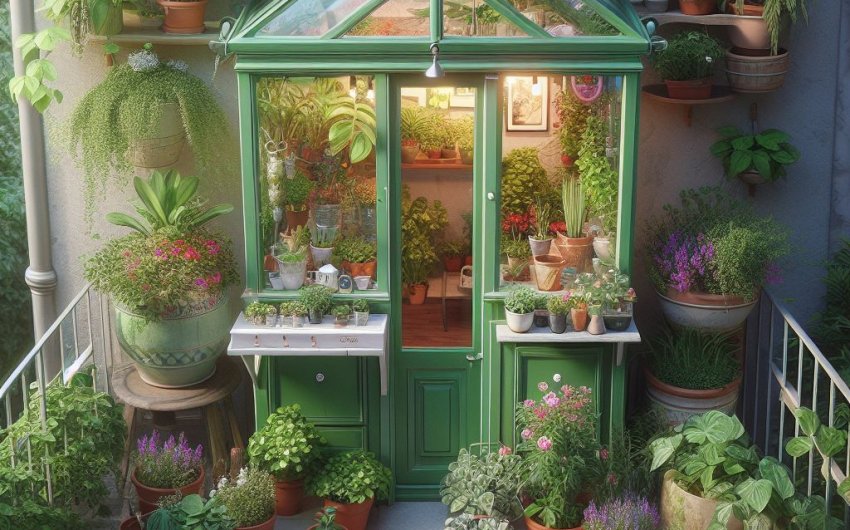
Unlocking the full potential of urban gardening or limited outdoor areas becomes effortless when you discover the magic of mini greenhouses. These compact growing environments offer a powerful solution for extending growing seasons, protecting delicate plants, and starting seeds, proving that even in small spaces, you can achieve a surprisingly big impact on your horticultural endeavors. They provide a controlled microclimate, ideal for nurturing a diverse range of plant life right on your balcony, patio, or even indoors.
What Exactly is a Mini Greenhouse?
A mini greenhouse is essentially a scaled-down version of a full-sized greenhouse, designed to provide a controlled environment for plants in limited areas. While varying in size and material, their core function remains the same: to create an optimal microclimate for plant growth.
How Does a Mini Greenhouse Work?
A mini greenhouse operates on the same fundamental principles as its larger counterparts, primarily the greenhouse effect.
- Solar Radiation Capture: Transparent or translucent materials (like polycarbonate, plastic film, or glass) allow sunlight to pass through and warm the air and surfaces inside.
- Heat Trapping: Once inside, the warmed air and infrared radiation are largely trapped by the enclosure, preventing heat from escaping quickly. This raises the internal temperature.
- Humidity Retention: The enclosed space also traps moisture released by plants (transpiration) and evaporating from the soil, leading to higher humidity levels than the surrounding environment. This creates a warmer, more humid microclimate that is highly beneficial for plant growth, extending the growing season and protecting plants from harsh external conditions.
What are the Common Types?
Mini greenhouses come in various designs, catering to different needs and spaces:
- Shelf or Lean-to Mini Greenhouses: These are popular, often multi-tiered structures designed to lean against a wall or stand freely on a patio or balcony. They typically have a metal or plastic frame covered with clear PVC or polycarbonate panels. A mini walk-in greenhouse is a common example.
- Cold Frames: Low-profile, often box-like structures with a transparent lid that opens. They sit directly on the ground and are used to harden off seedlings, extend the season for low-growing plants, or protect tender perennials.
- Cloche Greenhouses: Small, bell-shaped or tunnel-shaped covers placed directly over individual plants or rows to provide temporary protection from cold, wind, and pests.
- Indoor Mini Greenhouses/Grow Tents: Compact, often elegant glass or plastic enclosures designed for tabletops or shelves, specifically for houseplants or starting seeds indoors. These sometimes include integrated grow lights.
What Materials Are They Made Of?
The construction materials for mini greenhouses vary based on type and intended use:
- Framing: Typically made from lightweight but sturdy materials like aluminum (durable, rust-resistant), powder-coated steel (strong, often heavier), or PVC plastic (lightweight, affordable).
- Glazing (Covering):
- Polycarbonate Panels: Most common for modern mini greenhouses. They are lightweight, shatterproof, offer good insulation, and diffuse light.
- PVC Plastic Film: Affordable, flexible, and provides good light transmission. Less durable than polycarbonate or glass, often used for temporary or seasonal structures.
- Glass: Offers excellent light transmission and aesthetics but is heavier, more fragile, and less insulating. More common in higher-end or decorative indoor models.
- UV-Stabilized Polyethylene: Similar to PVC film, often used for larger, temporary tunnel structures.
Why Are They So Good for Small Spaces?
The very essence of a mini greenhouse is its suitability for small spaces.
- Compact Footprint: They are designed to fit where a full-sized greenhouse cannot – on balconies, small patios, decks, or even indoors on a tabletop.
- Vertical Growing: Many multi-tiered designs allow for vertical maximization of growing area, enabling you to grow numerous plants in a limited horizontal footprint.
- Portability: Many models are lightweight and easy to assemble/disassemble, allowing them to be moved as needed or stored away off-season.
Understanding these characteristics reveals why a mini greenhouse can truly bring a big impact to your gardening efforts, even in the most confined areas.
What Are the Benefits of Using a Mini Greenhouse?
Beyond simply fitting into small spaces, a mini greenhouse offers a multitude of tangible benefits that can dramatically enhance your gardening success. These advantages range from extending growing seasons to protecting vulnerable plants, making them a valuable asset for any plant enthusiast.
How Can I Extend My Growing Season?
One of the most significant advantages of a mini greenhouse is its ability to extend your growing season.
- Early Seed Starting: You can start seeds much earlier in spring than you would outdoors, giving your plants a head start and allowing them to mature sooner. This is particularly useful for vegetables with long growing seasons.
- Late Season Harvests: In fall, the mini greenhouse protects plants from early frosts, allowing you to continue harvesting cool-season crops or ripen warm-season vegetables for a longer period.
- Overwintering Tender Plants: In cooler climates, you can overwinter tender perennials, annuals (if desired), or even some semi-hardy edibles that wouldn't survive freezing temperatures outdoors.
How Does it Protect Delicate Plants?
A mini greenhouse acts as a protective shield for sensitive and delicate plants.
- Frost Protection: It raises the ambient temperature inside, preventing frost damage to young seedlings or tender plants during unexpected cold snaps.
- Wind and Storm Protection: The enclosed structure shelters plants from strong winds, heavy rain, and hail, which can otherwise damage fragile foliage and stems.
- Pest and Disease Barrier: It creates a physical barrier against common garden pests (like aphids, slugs, and deer) and can help reduce the incidence of certain fungal diseases that thrive in open, unprotected conditions. A plant cloche dome can protect individual plants.
Is it Good for Seed Starting and Propagation?
Absolutely, mini greenhouses are ideal for seed starting and plant propagation.
- Optimal Germination: They provide the consistent warmth and humidity that many seeds require for successful germination. This leads to higher germination rates and stronger seedlings.
- Rooting Cuttings: The high humidity environment is also perfect for rooting plant cuttings, reducing moisture loss and encouraging rapid root development.
- Hardening Off: Before transplanting seedlings outdoors, you can use the mini greenhouse to gradually acclimate them to outdoor conditions (a process called hardening off) by progressively opening vents or lids.
How Does it Provide a Controlled Environment?
The enclosed nature of a mini greenhouse allows for greater control over key environmental factors.
- Temperature Regulation: While not as precise as a heated greenhouse, it retains solar heat, creating a warmer environment than outside. Some models have vents for air circulation and temperature moderation.
- Humidity Control: It helps maintain higher humidity levels, which is beneficial for tropical plants, seedlings, and cuttings.
- Moisture Management: The reduced evaporation from the soil means you might need to water less frequently, and the enclosed space helps prevent rapid drying out.
By leveraging these numerous benefits, you can truly discover the magic of mini greenhouses and achieve a big impact on your gardening success, even in small spaces.
What Are the Different Types of Mini Greenhouses?
The variety of mini greenhouses on the market caters to diverse needs, garden sizes, and aesthetic preferences. Understanding the distinct characteristics of each type will help you choose the best fit for your specific gardening goals and available small spaces.
What is a Portable Shelf Mini Greenhouse?
A portable shelf mini greenhouse is one of the most common and versatile types, often seen on patios and balconies.
- Design: Typically features a lightweight frame (often steel or aluminum) with multiple shelves, enclosed by a clear plastic (PVC or polyethylene) cover that zips up.
- Portability: Extremely lightweight and easy to assemble/disassemble without tools, making them highly portable and storable. Many even come with mini greenhouse covers replacement.
- Space-Saving: Their vertical design maximizes growing space in a small footprint, ideal for balconies, small decks, or even indoors if space allows.
- Affordability: Generally the most budget-friendly option.
- Best For: Seed starting, temporary hardening off, overwintering tender plants, and growing herbs or small vegetables in urban environments.
What is a Cold Frame Greenhouse?
A cold frame greenhouse is a low-profile, box-like structure designed to sit directly on the ground.
- Design: Consists of a base frame (wood, metal, or composite) with a transparent lid (glass, polycarbonate, or plastic film) that can be propped open for ventilation.
- Ground-Level Use: Ideal for protecting plants already in the ground or in low containers.
- Gradual Acclimation: Excellent for hardening off seedlings, slowly introducing them to outdoor conditions.
- Season Extension: Provides early spring planting and late fall harvesting for low-growing crops like lettuce, spinach, or radishes.
- Best For: Ground-level protection, extending cool-season crops, and hardening off. A wooden cold frame greenhouse offers good insulation.
What is a Walk-in Mini Greenhouse?
A walk-in mini greenhouse offers a bit more space, allowing a gardener to step inside, even if just barely.
- Design: Taller than shelf models, often with a door or roll-up entrance, and multiple shelving units. Frames are typically steel or aluminum, covered with durable plastic film or polycarbonate panels.
- Increased Capacity: Provides more vertical and horizontal space for growing larger plants or more numerous seedlings.
- Accessibility: Being able to step inside makes tending to plants easier and more comfortable.
- Best For: Serious seed starting, growing a wider variety of edibles, or overwintering larger tender plants. A walk-in portable greenhouse is a popular choice for backyard gardeners.
What About Indoor and Desktop Mini Greenhouses?
These types are specifically designed for use within the home, bringing the benefits of a controlled environment indoors.
- Design: Can range from decorative glass terrariums to purpose-built clear plastic cloches or multi-tiered mini greenhouse cabinets with integrated lighting.
- Aesthetics: Often designed to be visually appealing, blending into home decor.
- Light Control: Many indoor models come with built-in LED grow lights to compensate for lack of natural light.
- Best For: Overwintering delicate houseplants, starting seeds on a windowsill or shelf, growing herbs in a kitchen, or creating decorative plant displays. A small tabletop greenhouse can be perfect for herbs.
Each type of mini greenhouse provides specific advantages, ensuring that whether you have a tiny balcony or a corner of a room, you can truly discover the magic of mini greenhouses and achieve a big impact in your small spaces.
How Do I Choose the Right Mini Greenhouse?
Selecting the ideal mini greenhouse for your needs involves considering several practical factors. The right choice will depend on your specific gardening goals, the amount of space you have, and your budget. Making an informed decision ensures you truly discover the magic of mini greenhouses and get the most big impact from your small spaces.
What Size Do I Need?
The size of your mini greenhouse is perhaps the most important consideration.
- Available Space: Measure the exact dimensions of your intended location (balcony, patio, deck, windowsill). Don't forget vertical clearance.
- Gardening Goals:
- Seed Starting (a few trays): A tabletop model, small cold frame, or single-tier shelf unit might suffice.
- Small Herb Garden/Few Houseplants: A small shelf unit or decorative indoor greenhouse.
- Multiple Seed Trays/Small Vegetables: A multi-tiered shelf greenhouse or a compact walk-in model.
- Overwintering Larger Plants: A taller, wider walk-in mini greenhouse might be necessary.
- Vertical vs. Horizontal: If space is limited horizontally, a taller, multi-shelf unit will maximize your growing area. If you have ground space, a cold frame is efficient.
What Materials Are Best?
The choice of materials affects durability, insulation, and cost.
- Frame:
- PVC/Plastic: Most affordable, lightweight, and easy to assemble. Less durable in strong winds or extreme temperatures. Good for temporary use.
- Powder-Coated Steel: Stronger and more durable than PVC, better for outdoor use. Can be heavier.
- Aluminum: Rust-resistant, lightweight, and very durable. Often found in higher-end models.
- Covering (Glazing):
- PVC/Polyethylene Film: Most common for portable, affordable units. Good light transmission, but less insulating and durable than polycarbonate. Prone to tearing or UV degradation over several seasons. Look for UV-stabilized film.
- Polycarbonate Panels: Excellent choice for better insulation, light diffusion (reducing hot spots), and superior durability. They are shatterproof and lighter than glass. Recommended for year-round outdoor use.
- Glass: Best aesthetics and light transmission. Heavy and fragile, less insulating than polycarbonate. Primarily used for decorative indoor models or high-end cold frames.
How Important is Ventilation?
Proper ventilation is crucial to prevent overheating, fungal diseases, and ensure healthy plant growth.
- Vents/Zippers: Look for models with adjustable vents, roll-up zippered doors, or removable covers that allow you to control airflow and temperature.
- Automatic Vents: Some cold frames or higher-end mini greenhouses come with automatic vent openers that open and close based on temperature, providing hands-free regulation.
- Consider Your Climate: In warmer climates, ample ventilation is vital. In cooler climates, it's still needed on sunny days to prevent scorching.
What About Stability and Portability?
- Stability: If placing outdoors, ensure the mini greenhouse is stable enough to withstand wind. Look for sturdy frames, weighted bases, or tie-down points. For lightweight models, placing heavy pots on the bottom shelves can add stability.
- Portability: If you plan to move the greenhouse frequently or store it seasonally, look for lightweight models that are easy to assemble and disassemble.
What is My Budget?
Mini greenhouses range widely in price.
- Basic PVC/Plastic Film: Most affordable, entry-level option, often under $50.
- Steel/Polycarbonate Shelf Units: Mid-range, usually $50-$150.
- Walk-in Models/Decorative Indoor Units: Can range from $100 to several hundred dollars, depending on size, materials, and features.
By carefully evaluating these factors, you can choose a mini greenhouse that perfectly suits your gardening style and helps you discover the magic of mini greenhouses for a big impact in your small spaces.
How Do I Set Up and Use My Mini Greenhouse?
Once you've chosen your mini greenhouse, proper setup and usage are key to maximizing its benefits and ensuring your plants thrive. From assembly to daily management, a few simple steps will help you discover the magic of mini greenhouses and achieve a big impact in your small spaces.
What's Involved in Site Selection and Assembly?
Choosing the right location and correctly assembling your mini greenhouse are the first critical steps.
- Sunlight: Select a location that receives adequate sunlight for the plants you plan to grow. Most plants need at least 6 hours of direct sun. South-facing locations are generally best.
- Level Surface: Ensure the ground or surface where you place the mini greenhouse is level and stable. This prevents tipping and ensures proper structure.
- Shelter from Wind: If possible, place the greenhouse in a location that is somewhat sheltered from strong winds, such as against a wall or fence, to prevent damage.
- Accessibility: Consider ease of access for watering and tending to plants.
- Assembly: Follow the manufacturer's instructions carefully for assembly. Most portable models are tool-free and snap together easily. For larger or more permanent structures, ensure all connections are secure. For lightweight models, consider anchoring them down with greenhouse tie-down kits.
How Do I Regulate Temperature and Humidity?
Managing the internal climate is crucial for plant health.
- Temperature:
- Ventilation: Use the vents, zippers, or removable panels to provide ventilation on warm or sunny days. Open them to prevent overheating and close them at night or on cold days to retain heat.
- Monitoring: Use a greenhouse thermometer to monitor the internal temperature.
- Heating (Optional): For very early starts or overwintering, a small, low-wattage seedling heat mat under trays or a small electric heater (with caution and proper safety measures) can provide additional warmth.
- Humidity:
- Misting: Mist plants daily if high humidity is needed.
- Pebble Trays: Place trays of pebbles with water under plants to increase ambient humidity.
- Watering: Consistent watering of plants will contribute to humidity through transpiration.
What About Watering and Air Circulation?
Even within a mini greenhouse, proper watering and airflow are vital.
- Watering: Plants in a mini greenhouse may dry out slower than outdoors due to reduced air circulation and evaporation. Check soil moisture regularly before watering. Water thoroughly when needed.
- Air Circulation: While the enclosed space helps retain humidity, stagnant air can lead to fungal diseases. Ensure there's adequate air circulation by opening vents on warm days and (if possible for indoor models) occasionally running a small fan on a low setting. This also helps with pollination for flowering plants.
What Plants Are Best to Grow?
The best plants for your mini greenhouse depend on its type, size, and your climate.
- Seedlings: Almost any vegetable, herb, or flower seedling can benefit from early starting in a mini greenhouse.
- Herbs: Many herbs thrive in the protected, humid environment.
- Tropical Plants/Houseplants: Excellent for overwintering tender tropical plants or providing a consistently humid environment for plants like orchids or ferns.
- Small Vegetables: Lettuce, spinach, radishes, small tomatoes, peppers, or dwarf beans can grow well.
- Cuttings: Ideal for rooting various plant cuttings.
By diligently setting up and managing your mini greenhouse, you will successfully discover the magic of mini greenhouses and experience a big impact on your gardening endeavors, even in your small spaces.