
Exploring Eggplant Varieties: From Classic to Exotic!
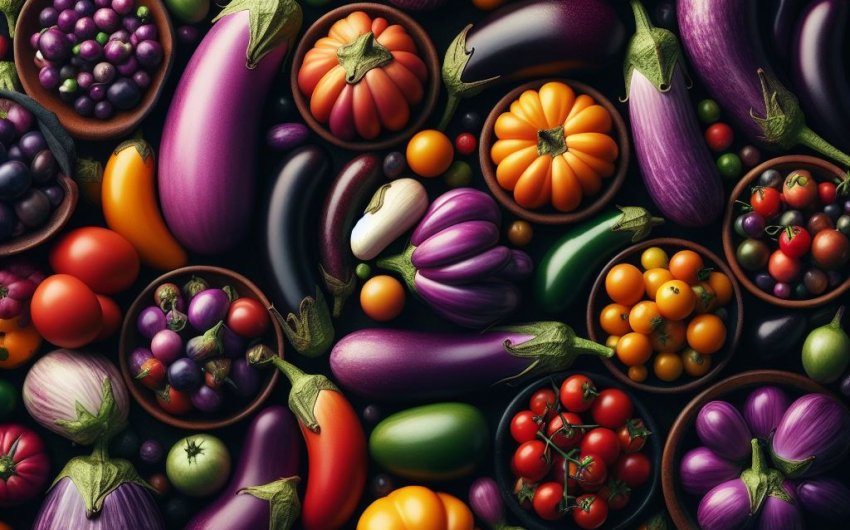
Exploring eggplant varieties unveils a surprisingly diverse world beyond the familiar large, purple fruit found in most supermarkets. From classic dark beauties to an array of exotic shapes, sizes, and colors, these versatile vegetables offer a culinary adventure and a visual feast for the home gardener. Delving into the nuances of each type reveals unique flavors, textures, and growth habits, making the choice of what to plant a delightful exploration of horticultural possibilities.
What is Eggplant?
Before exploring eggplant varieties, it's helpful to understand the plant itself. Often mistakenly categorized as a vegetable, eggplant is botanically a fruit, belonging to a diverse and important plant family. Its unique characteristics make it a fascinating subject for both gardeners and cooks.
Is Eggplant a Fruit or a Vegetable?
Botanically speaking, eggplant is a fruit, specifically a berry. This might surprise many, as it's typically used in savory dishes alongside vegetables. The classification comes from the fact that it develops from the flower's ovary and contains seeds. However, in culinary terms, it functions as a vegetable, treated as such in kitchens worldwide. This dual identity adds to its intrigue and versatility.
What Plant Family Does It Belong To?
Eggplant belongs to the nightshade family (Solanaceae), a diverse group that includes many common and important food plants.
- Relatives: Its close relatives include tomatoes, potatoes, peppers, and tobacco.
- Shared Characteristics: Like its nightshade cousins, eggplant plants typically have similar growing requirements, such as needing full sun, warm temperatures, and well-draining soil. They can also be susceptible to some of the same pests and diseases, like tomato hornworms or blight. This family connection is important for understanding its cultural needs.
Where Does Eggplant Come From?
Eggplant's origins trace back to Asia, specifically India and China. It has been cultivated for thousands of years, with historical records indicating its presence in these regions long before it spread to other parts of the world.
- Early Cultivation: It was first domesticated in India and later extensively cultivated in China, where various unique shapes and colors developed over centuries.
- Global Spread: From Asia, it made its way to the Middle East, Africa, and eventually Europe (initially through Arab traders to Spain) and then to the Americas. Its global journey has contributed to the wide array of eggplant varieties we see today.
What Are Its General Characteristics?
Eggplant plants are typically warm-season annuals (though perennial in tropical climates) with a fairly upright, bushy growth habit.
- Foliage: They have large, often fuzzy or slightly prickly leaves, which can be green or sometimes tinged with purple.
- Flowers: The flowers are star-shaped, typically purple, but can also be white. They are quite attractive and a sign of future fruit.
- Fruit: The "fruit" (the part we eat) develops after the flowers are pollinated. Eggplant is best harvested when still young and glossy; overripe fruit tends to be bitter and seedy.
Understanding these basic characteristics provides a solid foundation for exploring eggplant varieties and their unique attributes.
What Are the Classic Eggplant Varieties?
When people picture eggplant, they typically envision the familiar dark purple, teardrop-shaped fruit commonly found in grocery stores. These are the classic eggplant varieties, beloved for their versatility in cooking and relatively straightforward cultivation.
What is the Globe or American Eggplant?
The Globe or American eggplant is the most recognizable type in Western cuisine.
- Appearance: It has a distinctive, large, pear-shaped or teardrop-shaped fruit with glossy, deep purple to black skin. They are substantial in size, typically weighing 1 to 2 pounds or more.
- Flesh: The flesh is creamy white, dense, and firm, with a slightly spongy texture. It contains numerous small, edible seeds.
- Flavor Profile: It has a mild, earthy flavor that readily absorbs the flavors of other ingredients it's cooked with, making it a versatile base for many dishes. When cooked, it becomes tender and creamy.
- Common Uses: Ideal for grilling, baking, frying (like eggplant Parmesan), roasting, or using in stews and casseroles. It's the go-to for recipes requiring substantial slices or chunks of eggplant. The Black Beauty eggplant is a well-known variety in this category.
What is the Italian Eggplant?
Italian eggplant is very similar to the Globe variety but typically smaller and often with a slightly more elongated or slender pear shape.
- Appearance: Shares the deep purple to black, glossy skin and creamy white flesh of the Globe type. However, individual fruits are generally smaller, often 4-6 inches long.
- Flesh: Its flesh is usually less seedy and sometimes considered to be a bit sweeter and less bitter than the larger Globe varieties.
- Flavor Profile: Mild and earthy, similar to the Globe, but with a potentially more delicate texture once cooked.
- Common Uses: Excellent for slicing for eggplant Parmesan, grilling, or roasting. Its smaller size makes it convenient for individual servings or when you need less bulk. 'Rosa Bianca' (though lighter in color) is sometimes considered an Italian-style eggplant due to its shape.
What is the Black Beauty Eggplant?
Black Beauty is perhaps the most iconic and widely grown classic eggplant variety within the Globe/American type.
- Appearance: Produces large, uniformly deep purple to black, plump, and somewhat blocky pear-shaped fruits. It's the image that often comes to mind when one thinks of eggplant.
- Reliability: It's a reliable and productive open-pollinated variety, known for performing well in many climates where eggplants thrive.
- Disease Resistance: It has good resistance to common eggplant diseases, making it a favorite for home gardeners.
- Vigorous Growth: The plants are robust and bushy, yielding a good harvest over the growing season. Many gardeners choose Black Beauty eggplant seeds for their garden.
These classic eggplant varieties are the workhorses of the culinary world, providing a familiar and versatile base for countless dishes, and are a great starting point when exploring eggplant varieties.
What Are the Slender Eggplant Varieties?
Moving beyond the classic globe shape, slender eggplant varieties offer a different culinary experience and are prized for their tender skin, often minimal seeds, and quick cooking times. These types are particularly popular in Asian cuisines and are gaining favor among home gardeners for their unique attributes.
What is the Japanese Eggplant?
Japanese eggplant is a highly popular slender variety, known for its elegant appearance and versatility.
- Appearance: Characterized by its long, slender, cylindrical shape and beautiful, often glossy, deep purple to nearly black skin. It typically grows 6-10 inches long and is about 1-2 inches in diameter.
- Flesh: The flesh is tender, creamy white, and most notably, has very few seeds compared to globe varieties. This makes it less bitter and often requires no salting or pre-treatment.
- Flavor Profile: Mild, subtly sweet, and absorbs flavors wonderfully. Its delicate texture cooks very quickly.
- Common Uses: Excellent for grilling whole or sliced into rounds, stir-frying, tempura, roasting, or in curries. Its thin skin means it rarely needs peeling. The Nasu Japanese Eggplant is a well-regarded variety.
What is the Chinese Eggplant?
Chinese eggplant shares similarities with Japanese eggplant but often takes on an even longer and sometimes lighter hue.
- Appearance: Extremely long and slender, often reaching 12 inches or more in length, with a slightly thinner diameter than Japanese varieties. The skin can range from deep purple to a beautiful lavender or even light violet.
- Flesh: Very tender, almost creamy, with a sponge-like texture that soaks up flavors. It's virtually seedless and very mild.
- Flavor Profile: Mild and sweet, with almost no bitterness. Its delicate texture makes it melt-in-your-mouth tender when cooked.
- Common Uses: Ideal for quick stir-fries, braising, steaming, or grilling. Its extreme length often means it needs to be cut into segments before cooking.
What are the Benefits of Slender Varieties?
Choosing slender eggplant varieties offers distinct advantages for both cooking and gardening.
- No Peeling Required: The skin is thin and tender, making peeling unnecessary, which saves time in the kitchen and retains nutrients.
- Less Bitter/Fewer Seeds: These varieties typically have very few seeds and naturally contain less solanine (the compound that can cause bitterness), meaning they rarely require salting and draining before cooking.
- Quick Cooking: Their slender shape and tender flesh allow them to cook much faster than thick globe varieties, making them convenient for weeknight meals.
- High Yields: Plants often produce a large quantity of fruits over a long season, as long as they are harvested regularly.
- Space-Saving Growth: Some varieties have a more upright growth habit, potentially saving space in the garden compared to sprawling globe types.
Exploring eggplant varieties like these slender types opens up new culinary possibilities, making them a fantastic addition to any home garden.
What Are the White and Pale Eggplant Varieties?
Beyond the typical purple, eggplant varieties also come in stunning shades of white and pale green, offering a unique visual appeal and often a distinct flavor and texture. These varieties provide an element of surprise and elegance to both the garden and the plate.
What is the Classic White Eggplant?
The classic white eggplant is one of the most intriguing non-purple varieties, often bearing a striking resemblance to an egg.
- Appearance: Its most distinctive feature is its creamy white skin, which can be glossy or matte, and its shape often resembles a large chicken egg or a slightly elongated pear.
- Flesh: The flesh is typically firm, dense, and creamy white. It has a mild flavor.
- Flavor Profile: Generally considered to be milder and less bitter than purple varieties, with a creamy texture when cooked. Some describe it as having a hint of mushroom flavor.
- Common Uses: Versatile in cooking, suitable for roasting, grilling, frying, or using in curries and stews. Its pale color holds up well in dishes where you want visual contrast. The Casper Eggplant is a well-known white variety.
What is the Japanese White Eggplant?
Similar to its purple Japanese counterpart, the Japanese white eggplant is slender, but with a beautiful, pale hue.
- Appearance: Long, slender, cylindrical shape with a pure white, glossy skin. It typically grows 6-8 inches long.
- Flesh: Very tender, nearly seedless, and creamy white.
- Flavor Profile: Exceptionally mild and sweet, with virtually no bitterness, and a delicate texture that cooks quickly and melts in the mouth.
- Common Uses: Ideal for stir-fries, grilling whole or sliced, tempura, and other Asian-inspired dishes where its tender skin and mild flavor are appreciated.
What is the Thai White Eggplant?
Thai white eggplant presents a very different form from its larger white cousins, often harvested when very small.
- Appearance: Typically small, round, and about the size of a golf ball or ping-pong ball, with a bright white skin that may have faint green stripes.
- Flesh: Firm, slightly crisp, and often contains more seeds than other types.
- Flavor Profile: Can be slightly more bitter than other varieties, especially if left to mature fully. It has a unique, slightly pungent flavor that pairs well with strong spices.
- Common Uses: Often used in Thai and Southeast Asian curries, stir-fries, and stews. It's frequently sliced or used whole.
What are the Benefits of Pale Varieties?
- Mild Flavor: Many white and pale green varieties are known for their exceptionally mild flavor and lack of bitterness, making them a great choice for those who are sensitive to the bitterness of some purple types.
- Unique Aesthetics: Their unusual colors add visual interest to the garden and a striking contrast to dishes on the plate.
- Tenderness: Often have very tender skin, eliminating the need for peeling.
By exploring eggplant varieties like these white and pale types, you add intriguing diversity and culinary potential to your gardening repertoire.
What Are the Striped and Mottled Eggplant Varieties?
Among the most visually stunning eggplant varieties are those adorned with captivating stripes and mottled patterns. These beautiful fruits are not only a feast for the eyes but often come with unique culinary characteristics, adding an exotic flair to your garden and kitchen.
What is the Sicilian Striped Eggplant?
The Sicilian Striped Eggplant, often known by varieties like 'Rosa Bianca' or 'Fairy Tale', is a standout for its remarkable beauty and culinary qualities.
- Appearance: Features an exquisite blend of lavender, rosy pink, and creamy white stripes and mottling, often in a round to teardrop shape. The skin is usually glossy.
- Flesh: Creamy white, dense, and remarkably tender, with fewer seeds than traditional globe varieties. It's known for its custardy texture when cooked.
- Flavor Profile: Exceptionally mild, sweet, and non-bitter, making it a favorite for those who dislike the strong taste of some eggplants. It readily absorbs flavors.
- Common Uses: Excellent for baking, grilling, roasting, or in eggplant Parmesan, where its beautiful color adds visual appeal. The Rosa Bianca eggplant is a popular heirloom choice.
What is the Graffiti Eggplant?
The Graffiti Eggplant (also known as 'Listada de Gandia' or 'Prosperosa') is another visually striking variety with distinct purple and white stripes.
- Appearance: Characterized by striking, bold purple and white (or sometimes cream) stripes that run vertically along its oblong or teardrop-shaped fruit. The pattern is very pronounced and attractive.
- Flesh: Tender, white, and less seedy than many large globe varieties.
- Flavor Profile: Mild and sweet, with little to no bitterness, making it enjoyable even without salting.
- Common Uses: Its beautiful appearance makes it perfect for dishes where it will be seen, such as grilling slices, roasting, or adding to colorful vegetable medleys.
What is the Tiger Eggplant?
The Tiger Eggplant (also called 'Turkish Orange' or 'Kermit') is an intriguing and unique variety with a distinct color and round shape.
- Appearance: Small, round, and about the size of a golf ball or a slightly larger tangerine. It has a beautiful orange skin with green stripes that deepen as it ripens.
- Flesh: Firm, greenish flesh, often with more seeds than other varieties.
- Flavor Profile: Can be slightly bitter if fully mature, but has a unique, slightly tangy or robust flavor. It holds its shape well when cooked.
- Common Uses: Often used in Asian and Middle Eastern stews, curries, and relishes where its firm texture and unique flavor are desired. It can be harvested when green for a milder taste or orange for a stronger flavor.
What are the Benefits of Striped Varieties?
- Visual Appeal: Undeniably beautiful, adding vibrant color and striking patterns to your garden beds and culinary dishes.
- Milder Flavor: Many striped varieties are specifically bred for their milder, sweeter taste and often have fewer seeds, reducing the need for pre-salting.
- Versatility: Their unique appearance can inspire new culinary presentations, making everyday meals feel more special.
Exploring eggplant varieties adorned with stripes and mottles introduces an exciting dimension of beauty and flavor to your home garden and kitchen.
What Are the Green Eggplant Varieties?
While white and striped eggplants offer a departure from purple, green eggplant varieties provide another distinct category, often with unique textures and flavors. These less common types can be a delightful surprise for gardeners looking to expand their culinary horizons and add subtle color variation to their harvest.
What is the Thai Green Eggplant?
The Thai green eggplant encompasses a range of small, round, green varieties that are fundamental to Southeast Asian cuisine.
- Appearance: Typically small, round, and about the size of a golf ball or slightly larger, with vibrant green skin. Some varieties may have faint stripes or spots.
- Flesh: Firm, sometimes crunchy, with a texture that holds up well during cooking. They often have more seeds than large globe types.
- Flavor Profile: Can range from mild to slightly bitter, especially if mature. They have a distinct, slightly pungent, and earthy flavor that is highly prized in authentic Thai dishes.
- Common Uses: Almost exclusively used in Thai curries and stir-fries, where their firm texture prevents them from dissolving and their unique flavor complements strong spices. They are usually sliced or quartered and added directly to the dish.
What is the Louisiana Long Green Eggplant?
The Louisiana Long Green Eggplant is a more unusual green variety that offers a different shape and growing characteristic.
- Appearance: Long, slender, and cylindrical, similar in shape to Japanese or Chinese eggplants, but with a bright, light green skin that sometimes has a slight white tinge.
- Flesh: Tender, creamy white, and typically very mild with few seeds.
- Flavor Profile: Known for its mild, sweet flavor and lack of bitterness, making it very versatile. Its texture becomes creamy when cooked.
- Common Uses: Excellent for grilling, roasting, stir-frying, or in any dish where a mild, tender eggplant is desired. Its green color provides a unique contrast to other ingredients. This variety is sometimes used for traditional eggplant parmesan as well, offering a novel twist.
What is the Benefits of Green Varieties?
Green eggplant varieties offer distinct benefits for gardeners and cooks:
- Unique Color and Texture: They provide a surprising color break from the more common purple, white, and striped types, adding visual interest to the garden bed and the plate. Their textures can also vary significantly from firm and crunchy to tender and creamy.
- Distinct Flavor Profiles: Especially with the Thai green varieties, they offer unique flavors that are essential for authentic ethnic cuisines and can introduce new taste experiences.
- Heat Tolerance: Many green varieties, particularly the Thai types, are well-adapted to hot and humid climates, making them reliable producers in challenging conditions.
Exploring eggplant varieties like these green types reveals the true depth and global diversity of this versatile and beautiful fruit.