
Grow Your Own Tropical Paradise: The Guava Tree Guide!
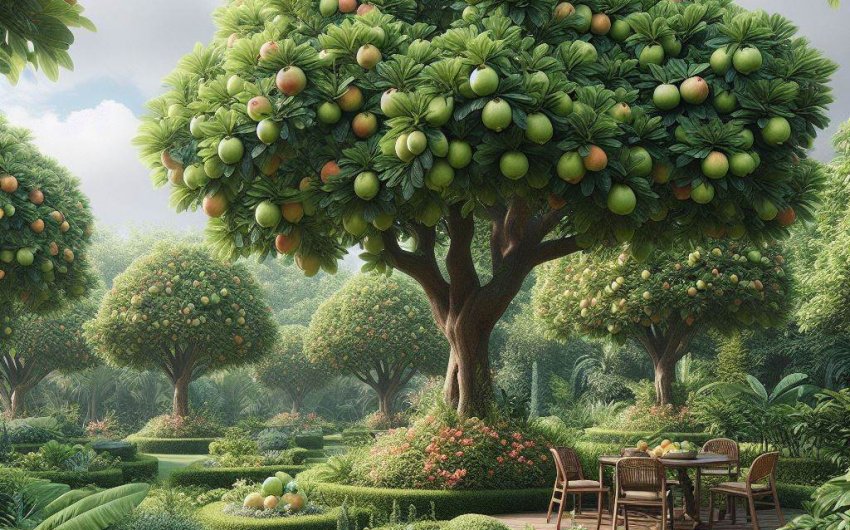
Dreaming of fresh, exotic fruit right in your backyard? Then grow your own tropical paradise: the guava tree guide! is for you. Cultivating a guava tree (Psidium guajava) offers the unique pleasure of harvesting sweet, fragrant fruit, rich in vitamins and antioxidants, directly from your garden. These resilient and relatively fast-growing trees can bring a taste of the tropics to a surprising range of climates, turning your outdoor space into a personal, fruitful haven, even if you don't live in a traditionally tropical region.
What type of guava tree should I choose for my climate?
Selecting the right guava variety is the first crucial step in successfully growing your own tropical paradise. While all guavas share a delicious fruit, their cold hardiness, size, and fruit characteristics can vary significantly, impacting their suitability for different climates and growing conditions.
What are the main types of guava trees?
Guava trees fall into several main categories, each with distinct features:
Common Guava (Psidium guajava): This is the most widely recognized type, known for its round or pear-shaped fruit with green-yellow skin and fragrant pink or white flesh. Common guavas are typically the least cold-hardy, thriving in USDA Hardiness Zones 9-11. They can grow into large shrubs or small trees, up to 20 feet tall, so they need space. Popular varieties include 'Pineapple Guava' (though this name is sometimes used for Feijoa, a different plant) and 'Mexican Cream'.
Strawberry Guava (Psidium littorale, often called Psidium cattleianum): This type is significantly more cold-hardy than common guava, tolerating temperatures down to the low 20s°F (-6°C to -4°C) once established, making it suitable for USDA Zones 8-11. It produces small, cherry-sized fruit with red or yellow skin and sweet, strawberry-like pulp. Strawberry guavas are typically smaller, growing as large shrubs or small trees (6-15 feet tall), and can be easily kept smaller with pruning. They make excellent hedges. Popular varieties include 'Red Strawberry Guava' and 'Yellow Strawberry Guava' (also known as Lemon Guava).
Pineapple Guava (Feijoa sellowiana, now Acca sellowiana): While often called a "guava," this plant is botanically distinct from true guavas and belongs to a different genus within the same Myrtaceae family. It is the most cold-tolerant of the "guavas," capable of surviving temperatures down to 10-15°F (-12°C to -9°C) for short periods, thriving in USDA Zones 8-10. It produces oval, green fruit with a somewhat grainy texture and a unique flavor combining pineapple, apple, and mint. Pineapple guavas are bushy shrubs or small trees, reaching 10-20 feet. They also have attractive flowers with edible petals. Many varieties exist, some self-fertile, others needing cross-pollination.
AdvertisementOther Guava Relatives: There are many other species in the Psidium genus and related genera that produce edible fruit, such as Costa Rican Guava (Psidium friedrichsthalianum) or Cattley Guava (another name for Strawberry Guava). These are less common for home growers but offer more diversity.
How do I choose the best variety for my climate and space?
Consider these factors when making your selection:
- Cold Hardiness (USDA Zone): This is the most critical factor. Check your USDA Plant Hardiness Zone to determine which types of guava can survive your winters outdoors. If you are in a colder zone (e.g., Zone 7 or below), you'll need to grow common guava or strawberry guava in a large pot and bring it indoors for winter protection. Pineapple guava is your best bet for in-ground planting in Zone 8.
- Mature Size: Consider the space available in your garden. Common guavas can become quite large if left unpruned. Strawberry guavas and pineapple guavas are more manageable and can be easily kept smaller with regular pruning, making them suitable for smaller gardens or even containers.
- Fruit Characteristics: Do you prefer the classic tropical taste of common guava, the sweet tang of strawberry guava, or the unique flavor of pineapple guava? Research the specific fruit size, flesh color, sweetness, and seediness of different varieties. Some varieties have fewer, softer seeds than others.
- Self-Fertility: Some guava varieties are self-fertile, meaning a single tree can produce fruit on its own. Others benefit from or require cross-pollination from another compatible variety for optimal fruit set. If space is limited, choose a self-fertile type. Check the plant description.
- Pest and Disease Resistance: While guavas are generally robust, some varieties may exhibit better resistance to specific local pests or diseases. Consult local nurseries or extension offices for recommendations.
By carefully matching the guava variety to your climate and garden space, you set the stage for a successful and abundant harvest of delicious, homegrown tropical fruit.
What are the ideal growing conditions for a guava tree?
Providing the right environment is key to helping your guava tree thrive and produce delicious fruit. While guavas are relatively adaptable, understanding their preferences for sun, soil, and temperature will ensure optimal growth.
How much sun does a guava tree need?
Guava trees are sun-loving plants that require plenty of light to flower and fruit abundantly.
- Full Sun: For best results, plant your guava tree in a location that receives at least 6-8 hours of direct sunlight per day. Full sun encourages more vigorous growth, higher fruit production, and sweeter fruit.
- Partial Sun: While they can tolerate partial sun (4-6 hours of direct sun), fruit production may be reduced, and growth might be less robust. In very hot climates, a little afternoon shade can be beneficial to prevent leaf scorching, but generally, more sun is better.
When growing in a container, ensure you can move the pot to a sunny spot, especially during the peak growing season.
What kind of soil is best for guavas?
Guava trees are not overly particular about soil type, but they do have a strong preference for well-draining soil.
- Well-Draining: This is the most crucial factor. Guava roots are susceptible to root rot in soggy, waterlogged conditions. If your soil has heavy clay, amend it generously with organic matter like compost or perlite to improve drainage. Raised beds can also be an excellent solution for poor drainage.
- pH Range: They prefer a slightly acidic to neutral soil pH, ideally between 5.0 and 7.0. A soil test kit can help you determine your soil's pH. If your soil is too alkaline, you can amend it with sulfur or peat moss to lower the pH.
- Rich in Organic Matter: While adaptable, guavas will perform best in soil that is fertile and rich in organic matter. Incorporating aged compost or well-rotted manure at planting time and annually as a topdressing will provide essential nutrients and improve soil structure.
What are the temperature requirements for guava trees?
Temperature is a primary determinant of where you can grow a guava tree successfully.
- Warmth Lovers: Guavas thrive in warm to hot climates. Common guavas prefer temperatures above 60°F (15°C) and will be damaged by prolonged exposure to temperatures below 30°F (-1°C).
- Cold Tolerance:
- Common Guava: Generally hardy to USDA Zone 9-11. Young trees are more susceptible to cold damage. Temperatures below 30°F (-1°C) can cause leaf defoliation, while sustained freezes below 28°F (-2°C) can kill branches or even the entire tree.
- Strawberry Guava: More cold-hardy, surviving brief dips into the low 20s°F (-6°C to -4°C) in USDA Zones 8-11. They may experience some leaf damage or defoliation but typically recover.
- Pineapple Guava: The most cold-tolerant, hardy to about 10-15°F (-12°C to -9°C) in USDA Zones 8-10.
- Winter Protection: If you live in a colder zone, you'll need to provide winter protection.
- Container Growing: This is the most practical solution for Zones 7 and below. Grow your guava in a pot with wheels and bring it indoors to a bright, cool, frost-free location (like a garage, basement with a grow light, or sunny room) when temperatures consistently drop below 40-45°F (4-7°C).
- In-ground Protection: For borderline zones, you can protect in-ground trees by wrapping the trunk with burlap or tree wrap, applying thick mulch around the base, or even constructing a temporary mini-greenhouse structure over them.
By ensuring your guava tree receives ample sun, grows in well-draining soil, and is protected from damaging cold, you create the optimal conditions for it to flourish and provide you with a bountiful harvest.
How do I plant and establish a guava tree?
Proper planting is crucial for the long-term health and productivity of your guava tree. Whether you're planting in the ground or a container, taking the time to do it correctly will help your tree establish strong roots and begin its journey to fruiting.
How do I plant a guava tree in the ground?
If your climate allows for in-ground planting, follow these steps for successful establishment:
- Choose the Right Location: Revisit the previous section on ideal growing conditions (full sun, well-draining soil). Ensure the spot has enough space for the mature size of your chosen guava variety. Avoid planting too close to buildings or other large trees.
- Prepare the Soil: Dig a planting hole that is twice as wide as the root ball and just as deep as the root ball. Do not dig it deeper.
- Amend if Needed: If your soil is heavy clay, gently break up the sides of the hole and mix in a generous amount of organic compost or other soil amendments with the excavated soil. Do not add amendments just to the planting hole if the surrounding soil is poor, as this can create a "bathtub effect" where water collects in the hole. Instead, amend a wider area if possible.
- Remove from Container: Carefully remove the guava tree from its nursery pot. If the roots are tightly circling the root ball (root-bound), gently loosen them with your fingers or make a few vertical cuts down the sides of the root ball with a clean knife. This encourages the roots to grow outwards into the new soil.
- Position the Tree: Place the tree in the center of the hole. Ensure the top of the root ball is level with or slightly above the surrounding soil surface. The root flare (where the trunk widens at the base) should be visible above the soil line.
- Backfill: Backfill the hole with the amended soil, gently firming it around the root ball to remove large air pockets. Avoid compacting the soil too much.
- Water Thoroughly: Immediately after planting, water the tree deeply to settle the soil around the roots. You can create a small berm (a circular mound of soil) around the edge of the planting hole to help retain water for the first few waterings.
- Mulch: Apply a 2-4 inch layer of organic mulch (like wood chips or shredded bark) around the base of the tree. Keep the mulch a few inches away from the trunk to prevent moisture buildup and rot. Mulch helps retain soil moisture, suppress weeds, and moderate soil temperature.
- Staking (Optional): For very young or vulnerable trees, a temporary tree stake can provide support against wind. Remove it after the first year once the tree's root system is established.
How do I plant a guava tree in a container?
Growing guava trees in containers is an excellent option for colder climates or for limiting the tree's size.
- Choose the Right Pot: Select a large container with ample drainage holes. Start with a pot that is at least 15-20 gallons (about 18-24 inches in diameter) for a young tree. As the tree grows, you will need to repot it into a larger size (every 2-3 years) until it reaches its maximum desired size in a pot.
- Material: Terra cotta allows for good air circulation, while glazed ceramic or plastic will retain moisture longer.
- Use Quality Potting Mix: Do not use garden soil. Use a well-draining potting mix specifically formulated for containers, preferably one that is light and airy. You can amend it with extra perlite or orchid bark for even better drainage.
- Planting:
- Place a layer of potting mix at the bottom of the pot.
- Remove the tree from its nursery container and gently loosen any circling roots.
- Position the tree so the top of the root ball is 1-2 inches below the rim of the pot, allowing space for watering.
- Fill around the root ball with potting mix, gently firming to remove air pockets.
- Water Thoroughly: Water until water drains out of the bottom of the pot.
- Placement: Place the container in a sunny location. If growing in a colder climate, ensure the pot is on a plant caddy with wheels to make it easier to move indoors for winter protection.
Proper planting sets your guava tree up for a strong start, ensuring its roots can spread effectively and access the nutrients and water needed for robust growth and future fruit production.
How should I water and fertilize my guava tree?
Once your guava tree is planted, consistent watering and appropriate fertilization are vital for its continued health, vigor, and optimal fruit production. Getting these care practices right is a key part of the guava tree guide.
How much and how often should I water my guava tree?
Guava trees need consistent moisture, especially when young and establishing, and during flowering and fruiting periods.
- Young Trees (First Year): Water frequently, almost daily in hot, dry weather, ensuring the soil remains consistently moist but not waterlogged. The goal is to encourage a strong root system.
- Established Trees: Once established (after about a year), guava trees become more drought-tolerant but will produce better fruit with regular watering.
- Deep Watering: Water deeply enough to soak the root zone. This means running water for a longer period, less frequently.
- Frequency: In hot, dry climates, you might need to water 2-3 times a week. In more moderate climates or with regular rainfall, perhaps once a week or every 10 days. Always check the soil.
- Check Soil Moisture: The best way to know when to water is to feel the soil. Stick your finger 2-3 inches deep into the soil (or 4-6 inches for larger trees). If it feels dry, it's time to water. If it's still moist, wait.
- Container-Grown Guavas: Container plants dry out much faster than in-ground plants. Check them daily in hot weather. They will likely need watering more frequently, perhaps daily or every other day during peak summer. Ensure water drains from the bottom.
- Reduce in Winter: During cooler months or when the tree is dormant (especially if brought indoors), reduce watering frequency significantly, allowing the soil to dry out more between waterings to prevent root rot.
How do I fertilize my guava tree?
Guava trees are moderate feeders and benefit from regular fertilization during their active growing and fruiting seasons.
- First Year: For young trees, hold off on heavy fertilization immediately after planting. Allow them to establish their root system for the first 1-2 months. Then, you can start with a very diluted fertilizer.
- Established Trees (Spring to Fall): Fertilize established guava trees every 1-2 months during the active growing season (spring through fall).
- Fertilizer Type:
- Balanced Fertilizer: Use a balanced fertilizer with a slightly higher phosphorus (P) and potassium (K) content to encourage flowering and fruiting. A general fruit tree fertilizer with an N-P-K ratio like 6-2-4 or 8-3-9 is often suitable.
- Organic Options: Organic fruit tree fertilizers (like fish emulsion, bone meal, or a balanced organic granular product) work well and release nutrients slowly.
- Micronutrients: Guavas can sometimes develop micronutrient deficiencies, especially iron and zinc, leading to yellowing leaves between the veins (chlorosis). If you notice this, consider a fertilizer that includes micronutrients or a specific chelated iron supplement.
- Application:
- Granular: Sprinkle granular fertilizer evenly around the drip line (the outer edge of the branches) and gently work it into the top few inches of soil, then water thoroughly.
- Liquid: Dilute liquid fertilizers according to package directions and apply around the root zone.
- Container-Grown Guavas: Fertilize container plants more frequently (every 2-4 weeks) with a diluted liquid fertilizer, as nutrients leach out with more frequent watering. A slow-release granular fertilizer for fruit trees mixed into the potting media at the beginning of the growing season can also be effective.
- Avoid Winter Fertilization: Do not fertilize guava trees during their dormant period (winter) to prevent encouraging tender new growth that would be susceptible to cold damage.
Consistent and thoughtful watering and fertilization practices will provide your guava tree with the energy and nutrients it needs to produce abundant, delicious fruit.
How do I prune and train my guava tree for best results?
Pruning and training are essential practices for a healthy and productive guava tree. These techniques help manage the tree's size, encourage branching, improve fruit quality, and simplify harvesting. Proper pruning is a key component of successfully growing a tropical paradise in your garden.
Why is pruning important for guava trees?
- Shape and Size Control: Guava trees can grow quite large. Pruning allows you to maintain a manageable size and shape, whether you want a bush, a small tree, or a espaliered plant (trained flat against a wall). This is especially important for container-grown guavas.
- Increased Fruit Production: Guava fruit is typically produced on new growth. Pruning encourages new shoots to develop, leading to more flowers and thus more fruit. It also helps direct the tree's energy into fruit development rather than excessive leafy growth.
- Improved Air Circulation and Light Penetration: Removing crowded or crossing branches improves airflow within the canopy, which reduces the risk of fungal diseases. It also allows more sunlight to reach the inner parts of the tree, promoting better fruit ripening and quality.
- Easier Harvesting: A smaller, well-structured tree makes harvesting fruit much easier and safer.
- Disease Prevention: Removing dead, diseased, or damaged branches helps maintain the tree's overall health and prevents the spread of pathogens.
When should I prune my guava tree?
The best time to prune your guava tree depends on your climate and the specific variety.
- After Harvest: The most common time to prune common guavas is immediately after the main fruiting season in your region. This gives the tree time to produce new growth that will flower and fruit in the next cycle.
- Late Winter/Early Spring: In regions with mild winters, you can also do a lighter prune in late winter or early spring before new growth begins. For Strawberry Guavas and Pineapple Guavas, which are more cold-tolerant, early spring pruning before new growth starts is often recommended.
- Avoid Late Season Pruning: Avoid heavy pruning in late fall or early winter, as this can stimulate new, tender growth that is highly susceptible to frost damage.
How do I prune and train my guava tree?
Always use clean, sharp pruning shears or loppers to make clean cuts and prevent disease.
- Formative Pruning (Young Trees):
- Single Trunk vs. Multi-Trunk: Decide if you want a single-trunk tree or a bushier, multi-trunk form. For a single trunk, remove lower suckers. For a bush, allow several strong shoots to develop from the base.
- Developing a Scaffold: For a tree form, choose 3-5 strong, well-spaced branches to be your main "scaffold" branches, forming the tree's basic structure. Remove any branches that are crossing, rubbing, or growing inwards.
- Heading Back: When the main branches reach about 3-4 feet in length, "head them back" (cut off the tips) to encourage side branching. This promotes a bushier, more compact canopy.
- Maintenance Pruning (Established Trees):
- Remove Dead, Diseased, or Damaged Wood: Always start by removing any branches that are clearly dead, showing signs of disease, or are damaged. Cut back to healthy wood.
- Thinning: Remove branches that are crossing or rubbing against each other, as this can create wounds where disease can enter. Thin out overly dense areas to improve air circulation and light penetration.
- Reduce Height (Optional): If your tree is getting too tall for harvesting or space, you can "top" it by cutting back the main leader or taller branches to a desired height. Make the cut just above a strong side branch or outward-facing bud.
- Encourage New Growth: Since fruit forms on new growth, selectively cut back some older branches by about one-third to encourage fresh shoots.
- Container Guavas: For container-grown guavas, regular pruning is even more critical to maintain a manageable size. Prune more frequently and remove about one-quarter to one-third of the growth after each major flush of fruit or growth. You can also pinch back growing tips to encourage bushiness.
- Suckers: Remove any suckers (new shoots growing from the base of the trunk or roots) regularly, as these divert energy from the main tree.
Consistent and thoughtful pruning will ensure your guava tree remains healthy, productive, and a beautiful focal point in your tropical paradise.
What are common pests and diseases of guava trees, and how do I manage them?
While guava trees are generally resilient, like any plant, they can encounter certain pests and diseases. Early detection and appropriate management are crucial for maintaining the health and productivity of your tropical fruit tree. Knowing what to look for is an important part of successfully growing your own tropical paradise.
What are common guava tree pests?
- Fruit Flies (Fruit Moths): These are perhaps the most common and frustrating pests for guava growers. Different species of fruit flies (e.g., Caribbean fruit fly, Mediterranean fruit fly) lay their eggs in developing fruit. The larvae (maggots) then hatch and tunnel through the fruit, making it inedible.
- Symptoms: Small sting marks on young fruit, premature fruit drop, mushy or rotten fruit with visible maggots inside.
- Management:
- Bagging Fruit: This is the most effective organic method for small-scale growers. Once fruit is pea-sized, enclose individual fruits or small clusters in paper bags (like lunch bags) or specialized fruit protection bags until harvest.
- Sanitation: Immediately pick up and destroy any fallen or infested fruit to break the life cycle. Do not compost infested fruit.
- Traps: Use fruit fly traps with specific lures.
- Insecticides: In severe cases, specific insecticides labeled for fruit flies on fruit trees can be used, but this should be a last resort and follow strict pre-harvest intervals.
- Aphids: Small, soft-bodied insects that cluster on new growth and the undersides of leaves, sucking plant sap. They can cause distorted leaves and excrete sticky honeydew, which can lead to sooty mold.
- Management: Spray with a strong stream of water to dislodge them. Apply insecticidal soap or neem oil spray, ensuring good coverage on all leaf surfaces. Encourage natural predators like ladybugs.
- Mealybugs and Scale Insects: These are sap-sucking insects that can appear as white, cottony masses (mealybugs) or small, immobile bumps (scale) on stems and leaves. They also excrete honeydew.
- Management: For light infestations, dab mealybugs with a cotton swab dipped in rubbing alcohol. For heavier infestations or scale, use insecticidal soap or neem oil. Systemic insecticides may be used for severe cases, but consider impact on beneficials.
- Whiteflies: Tiny, white, moth-like insects that flutter up when disturbed, found on the undersides of leaves. They also suck sap and excrete honeydew.
- Management: Use yellow sticky traps to monitor and catch them. Apply insecticidal soap or neem oil.
- Nematodes: Microscopic roundworms that attack roots, leading to stunted growth, yellowing leaves, and reduced fruit production.
- Management: Difficult to treat once established. Focus on prevention through good soil health, incorporating organic matter, and rotating crops in a large garden. Some resistant varieties may exist.
What are common guava tree diseases?
- Anthracnose: A fungal disease causing dark, sunken spots on fruit, leaves, and sometimes twigs. It can cause flowers to drop and fruit to rot.
- Symptoms: Brown or black spots on leaves, sunken black lesions on fruit, often with pinkish spores in humid conditions.
- Management: Good air circulation through proper pruning. Avoid overhead watering. Remove and destroy affected plant parts. Fungicides labeled for anthracnose on fruit trees can be used preventatively in humid conditions, following label directions.
- Root Rot: Caused by various fungi in overly wet or poorly draining soil.
- Symptoms: Yellowing, wilting leaves (even when soil is moist), stunted growth, dieback, and eventually plant death. Roots will appear black and mushy when inspected.
- Management: Ensure excellent soil drainage. Do not overwater. For container plants, use a well-draining potting mix and a pot with drainage holes. If caught early, improve drainage and let soil dry out. In severe cases, repotting with fresh soil and pruning rotted roots may help.
- Algal Spot (Red Rust): Caused by algae (Cephaleuros virescens), appearing as velvety green, gray, or reddish-brown spots on leaves, stems, and fruit.
- Symptoms: Distinctive raised circular spots on leaves, which can sometimes coalesce.
- Management: Improve air circulation. Remove heavily infected leaves or branches. Copper-based fungicides can be used as a preventative spray, especially during wet periods.
What are general disease prevention tips?
- Sanitation: Always clean up fallen leaves, fruit, and debris around the tree. This removes potential breeding grounds for pests and fungal spores.
- Air Circulation: Prune your tree to maintain an open canopy. This allows for good airflow, which helps dry foliage and reduces fungal disease risk.
- Proper Watering: Avoid overhead watering if possible, as wet leaves can encourage fungal growth. Water at the base of the tree.
- Healthy Soil: Good soil health with balanced nutrients and beneficial microorganisms helps the tree resist diseases.
- Quarantine New Plants: Inspect any new plants thoroughly before introducing them to your garden to avoid bringing in pests or diseases.
By being vigilant and implementing these management strategies, you can protect your guava tree from common pests and diseases, ensuring it remains healthy and continues to produce bountiful harvests for your tropical paradise.