
Blooms Galore: Creating Your Own Cut Flower Garden!
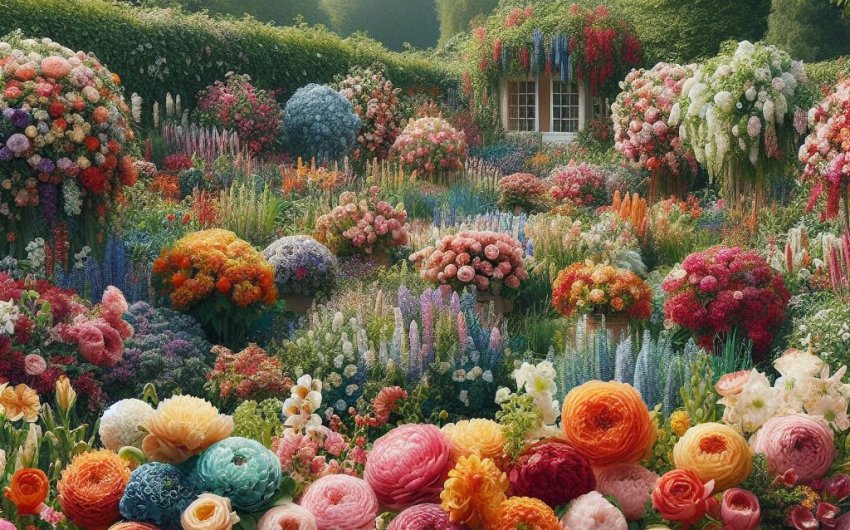
Transforming a patch of earth into a vibrant tapestry of color and fragrance, destined for indoor display, is a truly delightful pursuit. Embarking on the journey of creating your own cut flower garden promises blooms galore, providing an endless supply of fresh bouquets to adorn your home or share with loved ones. This comprehensive guide will equip you with the knowledge and inspiration to design, plant, and cultivate a productive floral haven, ensuring a continuous bounty of beautiful blossoms ready for snipping.
Why Should You Create Your Own Cut Flower Garden?
Having a dedicated cut flower garden offers a unique blend of beauty, practicality, and personal satisfaction that goes beyond a typical ornamental garden. It's a space designed to yield an abundance of fresh blooms, providing a continuous supply for bouquets, gifts, or simply to brighten your home, all while engaging in a fulfilling and creative hobby.
What are the Benefits of a Cut Flower Garden?
The advantages of cultivating a garden specifically for cutting are numerous and appealing to any flower lover.
- Abundant, Fresh Bouquets: The most obvious benefit is having an endless supply of fresh flowers right at your fingertips. No more expensive florist trips for beautiful arrangements; your garden becomes your personal flower shop. A flower arranging kit will become your best friend.
- Cost Savings: Over a growing season, the money saved on purchasing flowers can be substantial. You're effectively producing your own luxury commodity.
- Creative Outlet: Designing bouquets and arrangements becomes an extension of your gardening efforts. You can experiment with different color palettes, textures, and forms.
- Variety and Uniqueness: You can grow unique and heirloom flower varieties that are often unavailable or very expensive at commercial florists. This allows for truly personalized arrangements.
- Longer Vase Life: Flowers cut fresh from your garden, especially if harvested at the right stage, often have a significantly longer vase life than store-bought blooms.
- Connection to Nature: Tending a cut flower garden fosters a deeper connection to nature's cycles, offering a calming and therapeutic activity.
- Pollinator Support: Many popular cut flowers are excellent sources of nectar and pollen, attracting bees, butterflies, and other beneficial insects to your garden.
- Sustainability: Growing your own flowers reduces the carbon footprint associated with commercial flower production, which often involves long-distance shipping, chemical use, and intensive energy consumption.
- Sense of Accomplishment: Watching your garden flourish and then creating beautiful arrangements from your own cultivated blooms provides immense satisfaction.
What are the Considerations for a Cut Flower Garden?
While rewarding, a cut flower garden also has specific needs and considerations compared to a purely ornamental bed.
- Space: A dedicated area is beneficial. Even a small plot (e.g., 4x8 feet) can yield a surprising number of blooms.
- Sunlight: Most popular cut flowers are sun-loving and require at least 6-8 hours of direct sunlight per day.
- Soil Quality: Excellent, well-drained, and nutrient-rich soil is crucial for supporting prolific flowering.
- Maintenance: Expect regular watering, feeding, and diligent deadheading/harvesting to encourage continuous blooming.
- Harvesting: Knowing when and how to cut flowers for best vase life is a specific skill to learn.
- Succession Planting: For a continuous supply of blooms throughout the season, you'll need to succession plant some varieties.
- Support: Many tall cut flowers will require staking or netting to prevent them from flopping over, especially after rain or wind.
How Do You Plan Your Cut Flower Garden?
Strategic planning is the bedrock of a productive and beautiful cut flower garden. Before you put a single seed in the ground, considering location, size, and what you want to grow will set you up for success and continuous blooms.
Choosing the Best Location
The right spot is paramount for sun-loving cut flowers.
- Full Sun: This is non-negotiable for most cut flowers. Choose an area that receives at least 6-8 hours of direct sunlight daily. Observe your yard throughout the day to identify ideal spots.
- Good Drainage: Flowers (especially annuals) prefer well-drained soil. Avoid low-lying areas where water tends to collect, as this can lead to root rot. Consider a raised garden bed if your native soil is heavy clay.
- Accessibility to Water: You will be watering frequently, especially newly planted seedlings and during dry spells. Locate your garden near a garden hose or plan for a drip irrigation system.
- Protection from Wind: While not always possible, some protection from strong winds (e.g., a fence or hedge) can prevent tall flowers from toppling, reducing the need for extensive staking.
- Visibility (Optional): While primarily for cutting, a beautiful flower patch can also enhance your landscape. Choose a spot where you can enjoy its beauty.
Determining Size and Layout
Your garden's dimensions will influence what and how much you can grow.
- Start Small: If you're new to cut flower gardening, begin with a manageable size, perhaps a 4x8 foot raised bed or a few dedicated rows in your existing garden. You can always expand later.
- Row vs. Block Planting:
- Rows: Traditional method, easy for planting, weeding, and harvesting.
- Blocks/Beds: Planting in wider blocks or beds allows for more intensive planting, fitting more flowers into a smaller area, and often supporting plants better as they grow. Paths between blocks are essential for access.
- Width of Beds: If creating beds, keep them no wider than 3-4 feet so you can easily reach the center from either side without stepping on the soil (which compacts it).
- Paths: Plan for adequate pathways (at least 1-2 feet wide) for easy access, weeding, and harvesting.
- Vertical Space: Incorporate trellises or netting for climbing plants (e.g., sweet peas, morning glories) to maximize vertical space.
Selecting Your Flowers
Choose flowers that are known for their suitability as cut flowers – good stem length, long vase life, and continuous blooming.
- Consider Your Climate Zone: Choose flowers that thrive in your USDA Hardiness Zone.
- Bloom Time: Select a variety of flowers with different bloom times (early, mid, and late season) to ensure a continuous supply of flowers from spring to frost.
- Vase Life: Look for flowers known for their long vase life. General categories include:
- Long-Lasting: Zinnias, Sunflowers, Celosia, Gomphrena, Lisianthus, Statice.
- Moderate: Cosmos, Dahlias, Snapdragons.
- Shorter: Sweet Peas (but worth it for fragrance!).
- Form and Texture: Include a mix of flower shapes (round, spiky, airy), sizes, and textures (fuzzy, delicate, bold) for interesting arrangements.
- Color Palette: Decide on a color scheme. Will it be a riot of mixed colors, or a harmonious blend of pastels, or bold and contrasting hues?
- Stem Length: For cutting, prioritize varieties that produce long, sturdy stems. Many "bedding" varieties are bred for compactness, not stem length. Look for "cut flower" or "bouquet" series.
- Fragrance: Don't forget to include some fragrant options like Sweet Peas or Nicotiana.
What are the Best Flowers for a Cut Flower Garden?
Building a vibrant cut flower garden hinges on selecting reliable, prolific bloomers that provide long, sturdy stems and excellent vase life. Here are some of the top performers, perfect for creating beautiful bouquets all season long.
Annuals: Blooms All Season Long
Annuals are fantastic for a cut flower garden because they produce flowers from spring until frost, offering continuous harvests.
- Zinnia (Zinnia elegans):
- Why they're great: One of the easiest and most productive cut flowers. Come in a huge range of colors, shapes, and sizes. The more you cut, the more they bloom. Excellent vase life.
- Recommended varieties: 'Benary's Giant' series, 'Oklahoma' series, 'State Fair' for large blooms. 'Queen Lime Red' for unique muted tones.
- Care tips: Full sun, well-drained soil. Pinch young plants to encourage branching. Deadhead regularly for continuous blooms.
- Get Zinnia seeds for cutting.
- Cosmos (Cosmos bipinnatus):
- Why they're great: Airy, delicate blooms with long, slender stems. Great "filler" flowers, adding whimsy to bouquets. Attract pollinators.
- Recommended varieties: 'Sensation Mix' for tall classic blooms, 'Double Click' for ruffled petals, 'Seashells' for unique fluted petals.
- Care tips: Full sun, tolerates average to poor soil (avoid over-fertilizing as it causes more foliage than flowers). Deadhead regularly.
- Plant Cosmos seeds for cutting.
- Celosia (Celosia argentea):
- Why they're great: Striking, long-lasting blooms in vibrant colors and unique textures (plume, crest, or wheat types). Excellent for fresh or dried arrangements.
- Recommended varieties: 'Cramer's Amazon' for plumes, 'Chief' series for plumes, 'Celway' series for wheat.
- Care tips: Full sun, well-drained soil. Heat tolerant.
- Sunflower (Helianthus annuus):
- Why they're great: Iconic, cheerful blooms. Choose branching varieties for multiple cutting stems.
- Recommended varieties: 'ProCut' series (single stem, pollenless), 'Lemon Queen', 'Autumn Beauty' (branching).
- Care tips: Full sun, fertile, well-drained soil. Support tall varieties with flower stakes.
- Snapdragon (Antirrhinum majus):
- Why they're great: Classic cottage garden flower with spiky blooms, adding vertical interest to bouquets. Excellent cool-season annual, often blooming in spring and fall.
- Recommended varieties: 'Rocket' series, 'Madame Butterfly' for ruffled petals.
- Care tips: Full sun to partial shade, well-drained soil. Pinch young plants. Deadhead or cut for continuous blooms.
- Gomphrena (Gomphrena globosa - Globe Amaranth):
- Why they're great: Unique, clover-like flowers that are incredibly heat and drought tolerant. Fantastic for fresh or dried arrangements.
- Recommended varieties: 'Strawberry Fields' (red), 'Audray Pink', 'Gomphrena QIS' series.
- Care tips: Full sun, moderate water.
- Sweet Pea (Lathyrus odoratus):
- Why they're great: Intensely fragrant, delicate blooms on climbing vines. Excellent for early season bouquets.
- Recommended varieties: 'Spencer' types for ruffled petals and strong scent.
- Care tips: Full sun, fertile soil. Needs a garden trellis for climbing flowers or support netting. Plant in early spring. Deadhead often.
- Statice (Limonium sinuatum):
- Why they're great: Papery, long-lasting blooms perfect for fresh bouquets or drying. Adds great texture.
- Colors: Purple, blue, white, yellow, pink.
- Care tips: Full sun, well-drained soil. Tolerates heat and drought.
Perennials: Returning Blooms Year After Year
Perennials come back each year, reducing the need for annual replanting.
- Dahlia (Dahlia spp. - Cutting Varieties):
- Why they're great: Spectacular range of colors, shapes, and sizes. Incredibly productive once established. The more you cut, the more they bloom.
- Recommended varieties: 'Café au Lait' (blush), 'Karma Naomi' (deep red), 'Otto's Thrill' (giant pink). Countless varieties to explore from Dahlia tubers.
- Care tips: Full sun, fertile, well-drained soil. Needs staking or a dahlia support cage. Pinch young plants. Deadhead diligently. In cold climates, lift tubers for winter.
- Coneflower (Echinacea purpurea):
- Why they're great: Hardy, daisy-like flowers with prominent cones. Attracts pollinators. Good vase life.
- Colors: Purple, pink, white, yellow, orange.
- Care tips: Full sun, well-drained soil. Drought tolerant once established.
- Lavender (Lavandula angustifolia):
- Why they're great: Fragrant spikes, beautiful silvery foliage. Excellent for fresh or dried arrangements.
- Recommended varieties: 'Hidcote', 'Munstead'.
- Care tips: Full sun, well-drained soil. Tolerates dry conditions. Prune after flowering.
- Peony (Paeonia lactiflora):
- Why they're great: Lush, fragrant, classic spring cut flower. While blooms are short-lived, they are spectacular.
- Care tips: Full sun, well-drained soil. Needs peony ring support to prevent flopping.
- Yarrow (Achillea millefolium):
- Why they're great: Flat-topped flower clusters add unique texture and serve as a filler. Excellent for fresh or dried arrangements.
- Colors: Yellow, white, pink, red.
- Care tips: Full sun, well-drained soil. Drought tolerant.
How Do You Plant and Nurture Your Cut Flower Garden?
Laying the groundwork for a prolific cut flower garden involves more than just selecting the right plants. Proper soil preparation, thoughtful planting techniques, and consistent care are essential for strong growth and an abundance of blooms.
Soil Preparation: The Foundation of Success
Healthy, rich soil is paramount for flowers that will produce continuously.
- Site Preparation: Clear the area of weeds, rocks, and debris. Level the ground if building a new bed.
- Soil Test: If possible, do a soil test kit to understand your soil's pH and nutrient levels. Most flowers prefer a slightly acidic to neutral pH (6.0-7.0).
- Incorporate Organic Matter: This is the most crucial step. Amend your soil generously with 4-6 inches of well-rotted compost or aged manure. Work it into the top 8-12 inches of soil using a garden fork or tiller. This improves drainage, aeration, and fertility.
- Drainage: If you have heavy clay soil, adding coarse sand and plenty of organic matter will help improve drainage. Raised beds are also an excellent solution for drainage issues.
Planting Techniques
Whether starting from seed or transplanting seedlings, proper planting promotes strong establishment.
- Starting from Seed:
- Direct Sowing: Many annuals (Zinnias, Sunflowers, Cosmos) can be directly sown into the garden once the danger of frost has passed and the soil has warmed. Follow seed packet instructions for depth and spacing.
- Indoor Starting: For flowers with longer growing seasons (e.g., Lisianthus, some Celosia, Snapdragons) or for earlier blooms, start seeds indoors 6-8 weeks before your last frost date. Use seed starting trays and a seed starting mix.
- Transplanting Seedlings:
- Harden Off: If starting indoors, gradually "harden off" seedlings by exposing them to outdoor conditions for increasing periods over 7-10 days before planting them permanently.
- Planting: Dig a hole slightly larger than the root ball. Gently loosen circling roots. Place the seedling at the same depth it was in its container. Backfill with soil and gently firm around the base.
- Water In: Water immediately and thoroughly after planting to settle the soil.
Nurturing for Abundant Blooms
Consistent care throughout the season ensures continuous flower production.
- Watering:
- Consistency: Keep the soil consistently moist, especially during establishment and dry spells. Containers and raised beds will dry out faster.
- Deep Watering: Water deeply at the base of the plants to encourage strong root growth. Avoid overhead watering in the evening, which can encourage fungal diseases. A soaker hose or drip irrigation is ideal.
- Fertilization:
- Moderate Feeders: Most cut flowers are moderate to heavy feeders. Begin fertilizing once plants are established and actively growing.
- Balanced Fertilizer: Use a balanced flower fertilizer (e.g., 5-10-5 or 10-10-10 NPK ratio, or one with slightly higher phosphorus/potassium for blooms).
- Frequency: Follow product instructions, usually every 2-4 weeks for liquid fertilizers, or once a season for slow-release granular types.
- Pinching: For many annuals (Zinnias, Cosmos, Snapdragons, Dahlias), pinch back the central growing stem when the plant is 8-12 inches tall. This encourages side branching, leading to more stems and more blooms.
- Support: Many tall cut flowers need support to prevent them from flopping.
- Staking: Individual garden stakes for dahlias or sunflowers.
- Netting: Use flower support netting stretched horizontally over beds, allowing plants to grow up through the grid.
- Weed Control: Keep beds free of weeds, which compete for water and nutrients. Mulch can help suppress weeds significantly.
- Pest and Disease Management: Monitor plants regularly for signs of pests or disease. Address issues promptly with organic methods first (e.g., neem oil spray, insecticidal soap, hand-picking).
How Do You Harvest and Condition Flowers for the Vase?
Harvesting at the right stage and properly conditioning your blooms are crucial steps that determine how long your beautiful flowers will last in the vase. This attention to detail can significantly extend their vase life, allowing you to enjoy your cut flower garden bounty for longer.
Best Time to Harvest
Timing is everything for optimal vase life.
- Morning Glory: Harvest in the early morning, just after the dew has dried and before the heat of the day. This is when the flowers are fully hydrated and turgid. Avoid harvesting in the middle of a hot day.
- Right Stage of Development: Each flower type has an ideal stage for cutting:
- Zinnias, Cosmos, Marigolds: Cut when the blooms are almost fully open, but still firm and not showing pollen. Do the "wiggle test" - gently grasp the stem about 6 inches below the flower and gently shake it. If the flower head is floppy, it's too early. If it's firm, it's ready.
- Sunflowers: Cut when the petals are just beginning to unfold or are fully open but the center isn't showing too much pollen yet.
- Snapdragons, Celosia: Cut when about one-third to one-half of the flowers on the stem are open.
- Dahlias: Cut when blooms are almost fully open, checking the back of the bloom to ensure it's firm.
- Sweet Peas: Cut when there are at least 3-4 open blooms on the stem, and one or two buds are still closed.
- Lisianthus: Cut when 1-2 flowers on the stem are open.
- Stem Length: Cut stems as long as possible, even if it means sacrificing some side shoots, as longer stems are more versatile for arrangements.
How to Make the Cut
Proper cutting technique protects the plant and ensures a good stem for the vase.
- Sharp Tools: Always use clean, sharp flower snips or pruning shears. Dull tools crush stems, preventing water uptake.
- Angle Cut: Make a clean, diagonal cut (about 45 degrees) on the stem. This increases the surface area for water absorption and prevents the stem from sitting flat on the bottom of the vase, which can block water uptake.
- Cut Above a Node: Cut just above a set of leaves or a node (where a leaf or branch emerges) on the plant. This encourages the plant to produce new blooms from that point, ensuring continuous production.
- Carry Water: Bring a bucket of clean water with you into the garden. Immediately plunge harvested stems into the water to prevent air bubbles from forming in the stems, which can block water uptake.
Conditioning Your Freshly Cut Flowers
Conditioning is the process of preparing cut flowers to absorb water efficiently and extend their vase life.
- Remove Lower Foliage: Once indoors, remove all leaves that would fall below the water line in your vase. Submerged leaves will rot, contaminating the water and shortening vase life.
- Recut Stems: Recut the stems at an angle (again) under running water or in a bucket of water. This prevents air bubbles from entering the stem and blocking water uptake.
- Place in Water Immediately: Place the prepared stems into a clean vase or bucket filled with lukewarm water. Lukewarm water is absorbed more quickly than cold water.
- Flower Food: Add a packet of flower food for cut flowers to the water. Flower food provides sugar for energy, an acidifier to help water uptake, and an antimicrobial agent to keep water clean.
- Hydrate: Place the flowers in a cool, dark place for 2-4 hours to allow them to fully hydrate before arranging them.
- Change Water Regularly: Change the water in your vase every 1-2 days, and recut the stems each time for best results. Keep the vase clean.
- Keep Away from Ripening Fruit: Ripening fruits (like bananas) release ethylene gas, which can cause flowers to age and wilt prematurely.
By thoughtfully planning, diligently nurturing, and skillfully harvesting your blooms, you empower your garden to become a continuous source of joy and beauty. Successfully creating your own cut flower garden unlocks the delight of blooms galore, transforming your home into a vibrant sanctuary filled with the freshest, most personal floral arrangements.