
Dive into Sustainable Agriculture: The World of Fish Farming!
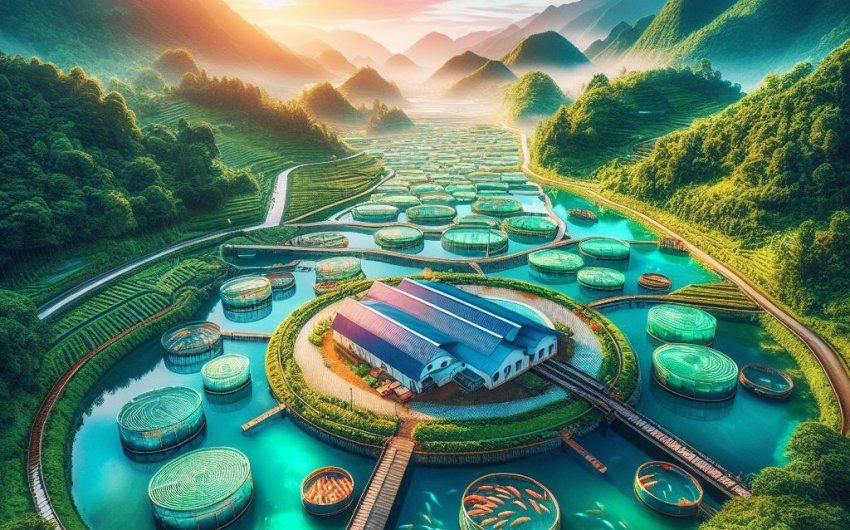
Exploring innovative ways to produce food that is both nourishing and kind to our planet leads us directly to the fascinating realm of aquaculture. This method of cultivating aquatic organisms, often called fish farming, offers a powerful solution to the growing demand for seafood while reducing pressure on wild fish populations. It’s a key player in building a more sustainable food system, providing fresh, healthy protein with a much smaller environmental footprint compared to many traditional farming practices.
What Exactly is Fish Farming and Why Is It Important?
Fish farming, or aquaculture, is essentially the controlled raising of aquatic animals and plants in water environments. Think of it like agriculture, but for fish, shellfish, and even aquatic plants like seaweed. It’s a way to grow food in water, from tiny plankton to large fish like salmon. But why is this practice gaining so much attention? The importance of fish farming stems from its ability to address several critical global challenges, especially concerning food security and environmental protection.
Defining Aquaculture and Its Diverse Forms
At its core, aquaculture is the controlled cultivation of aquatic organisms. This isn't just about fish; it includes a wide variety of life. We're talking about raising oysters, clams, shrimp, and even seaweed, all in carefully managed aquatic settings. The ways to do this are incredibly diverse, adapting to different species and environments.
One common form is pond aquaculture, where fish are raised in man-made ponds, similar to how crops are grown in fields. These ponds can be quite large, like those seen in catfish farming operations. Another important method is cage culture, where fish are kept in enclosures floating in natural bodies of water, such as lakes or oceans. This allows water to flow naturally through the cages, providing fresh oxygen.
Then there's recirculating aquaculture systems (RAS), which are like indoor, closed-loop farms. Water is constantly filtered and reused, greatly reducing water waste. This method also allows for farming in almost any location, even far from natural bodies of water. You can find small-scale versions of RAS for home use, often used for things like aquaponics kits. These systems are becoming more popular for their efficiency and minimal environmental impact. Each type of aquaculture has its own benefits and challenges, but all share the goal of producing aquatic food sources in a controlled environment.
Why Sustainable Fish Farming is Crucial for Our Planet
The world's population is growing, and with it, the demand for food, especially protein. Our oceans, however, are not limitless. Overfishing has severely depleted many wild fish stocks, leading to ecological imbalances and threatening the livelihoods of fishing communities. This is where sustainable fish farming steps in as a vital solution.
By raising fish in controlled environments, we can reduce the pressure on wild populations, allowing them to recover. It means we don't have to take as much from the ocean. Also, well-managed fish farms can be more efficient than traditional fishing. They can produce a large amount of protein in a smaller area, often with less environmental impact compared to raising livestock on land, which requires vast amounts of land, water, and feed.
Furthermore, sustainable aquaculture practices focus on minimizing pollution, managing waste, and preventing disease outbreaks. This is critical to ensure that farming doesn't harm the surrounding natural ecosystems. For example, using specialized aquaculture filtration systems helps keep water clean and healthy for the fish and the environment. It's about finding a balance, making sure we can feed people today without hurting the planet for tomorrow.
How Does Fish Farming Work? The Basics of Cultivation
Understanding the "how" of fish farming reveals a world of careful planning, scientific principles, and dedicated management. It's not just about throwing fish into water; it's a precise process designed to ensure healthy growth and efficient production.
From Hatchery to Harvest: The Lifecycle in a Fish Farm
The journey of a fish in a fish farm is a controlled process, typically starting long before they are ready for market. It often begins in a hatchery, which is like a nursery for fish. Here, eggs are carefully fertilized and incubated under optimal conditions. Once the fish hatch and grow into tiny larvae, they are fed specially formulated diets to ensure strong early development. This stage is critical for their health and survival.
As the young fish, often called fingerlings, grow larger, they are moved to grow-out systems. These systems vary greatly depending on the species and the type of farm. They could be large outdoor ponds, ocean pens, or advanced indoor tanks in a recirculating aquaculture system (RAS). Throughout this grow-out phase, the fish are continuously monitored for health, water quality, and growth rates. Their feed is carefully managed to ensure they get the right nutrients for efficient growth, minimizing waste.
When the fish reach their target size and weight, they are harvested. The harvesting methods are designed to be efficient and to minimize stress on the fish, ensuring the quality of the final product. This complete lifecycle, from hatchery to harvest, is a testament to the careful management and technological advancements in modern fish farming.
Managing Water Quality and Fish Health
At the heart of any successful fish farming operation is the meticulous management of water quality and fish health. Water is the fish's environment, so keeping it clean and stable is paramount. Farmers regularly monitor key water parameters like oxygen levels, temperature, pH, and ammonia. Low oxygen, for example, can stress fish and even lead to death. Specialized equipment, like dissolved oxygen meters for aquaculture, are essential tools for this monitoring.
Maintaining good water quality often involves filtration systems that remove waste products and aeration systems that add oxygen. In recirculating aquaculture systems (RAS), sophisticated biofilters break down harmful ammonia into less toxic forms.
Fish health management is equally important. This includes providing nutritious feed to boost their immune systems and implementing biosecurity measures to prevent the introduction and spread of diseases. Just like in traditional livestock farming, veterinarians specializing in aquatic animals often work with fish farms to ensure the well-being of the stock. Good management practices, coupled with preventative measures, help to minimize the need for antibiotics and promote healthy growth. This focus on water quality and fish health is a cornerstone of sustainable aquaculture.
What Are the Environmental Benefits of Sustainable Fish Farming?
When done correctly, sustainable fish farming offers significant advantages for the environment. It's not just about producing food; it's about doing so in a way that protects our natural resources and ecosystems. The careful planning and technological advancements in modern aquaculture aim to minimize its footprint.
Reducing Pressure on Wild Fish Stocks and Ocean Ecosystems
One of the most significant environmental benefits of sustainable fish farming is its ability to reduce pressure on wild fish stocks. Our oceans have been overfished for decades, leading to a dramatic decline in many popular species. This overfishing disrupts the delicate balance of ocean ecosystems, affecting food chains and the overall health of marine life. By raising fish in controlled environments, aquaculture provides an alternative source of seafood, meaning we don't have to take as many fish from the wild.
This gives wild populations a chance to recover and rebuild. When carefully managed, fish farms can help protect biodiversity and preserve the natural structure of ocean ecosystems. It's like having a garden to grow vegetables instead of constantly foraging in the wild, allowing the natural habitats to thrive. This shift in sourcing seafood is vital for the long-term health of our oceans.
Efficient Resource Use: Water, Land, and Feed
Compared to many traditional forms of agriculture, sustainable fish farming can be incredibly efficient in its use of resources.
- Water Efficiency: While fish farming needs water, advanced systems like recirculating aquaculture systems (RAS) drastically reduce water consumption. These systems filter and reuse over 90% of their water, minimizing the need for fresh water input. This is a huge advantage, especially in regions facing water scarcity. You can find various RAS water pumps designed for this purpose.
- Land Efficiency: Fish farms, especially tank-based or indoor operations, can produce a large amount of protein in a relatively small footprint. This contrasts sharply with land-based livestock farming, which often requires vast areas for grazing or growing feed crops. By using less land, aquaculture helps preserve natural habitats and reduces deforestation.
- Feed Efficiency: Fish are often very efficient at converting feed into protein. This means they need less feed per pound of edible product compared to many land animals. Innovations in aquaculture feed are also focusing on sustainable ingredients, reducing the reliance on wild-caught fish meals and incorporating plant-based proteins or insect meals. This continuous improvement in feed efficiency further lowers the environmental impact of fish farming.
These efficiencies contribute to a smaller overall environmental footprint, making sustainable fish farming a more environmentally responsible way to produce protein for a growing global population.
What Are the Challenges in Modern Fish Farming?
While fish farming offers many benefits, it also faces its share of challenges. Like any large-scale food production system, it has potential downsides that require careful management and continuous innovation to overcome. Addressing these challenges is key to ensuring that aquaculture remains truly sustainable.
Addressing Concerns About Pollution and Waste Management
One of the most common concerns about fish farming revolves around pollution and waste management. If not properly managed, fish farms can release excess feed, fish waste (feces and urine), and chemicals (like antibiotics or treatments) into the surrounding environment. In open cage systems, these wastes can accumulate on the seafloor, potentially harming local ecosystems, changing water chemistry, or encouraging the growth of harmful algae blooms.
However, modern sustainable aquaculture practices are constantly working to mitigate these issues. This involves:
- Optimizing Feed: Using highly digestible feed and precise feeding methods to ensure fish eat as much as possible, reducing uneaten feed waste.
- Waste Collection Systems: Implementing systems in closed or semi-closed farms to collect and treat solid waste, sometimes even turning it into fertilizer.
- Water Filtration: Employing advanced aquaculture water filters and biofilters, especially in recirculating aquaculture systems (RAS), to clean and reuse water, preventing discharge of pollutants.
- Site Selection: Carefully choosing farm locations to ensure good water flow and dispersion of any unavoidable effluents, minimizing impact on sensitive areas.
The goal is to operate farms as closed-loop systems as much as possible, or at least to manage open systems in a way that their environmental impact is minimal.
Preventing Disease Spread and Genetic Impacts
Another significant challenge in fish farming is the potential for disease spread and genetic impacts on wild fish populations. When many fish are raised in close proximity, diseases can spread quickly within a farm. If these diseases escape into natural waters, they could potentially infect wild fish, which may not have immunity. Similarly, if farmed fish escape, they could interbreed with wild populations, potentially weakening the genetic diversity or fitness of the wild stock, a phenomenon known as genetic pollution.
To combat these risks, sustainable fish farms employ several strategies:
- Biosecurity Measures: Strict protocols are in place to prevent pathogens from entering or leaving the farm. This includes disinfecting equipment, controlling access for visitors, and isolating new stock.
- Vaccination: Many farmed fish are vaccinated against common diseases, reducing the need for antibiotics.
- Stocking Densities: Managing the number of fish in a given space to reduce stress and the likelihood of disease transmission.
- Sterile Fish: For some species, farmers might use triploid fish (fish with three sets of chromosomes instead of two), which are sterile and cannot reproduce if they escape, thus preventing genetic mixing with wild populations.
- Improved Containment: Investing in robust net pens and monitoring systems to minimize escapes from open water farms. For instance, strong, durable fish farm netting is crucial for preventing escapes.
These proactive measures are vital for responsible aquaculture to ensure the health of both farmed and wild fish populations.
What Are the Different Types of Fish Commonly Farmed?
The world of fish farming is incredibly diverse, encompassing a wide array of aquatic species. While some are well-known dinner table staples, others might be surprising, reflecting the adaptability of aquaculture to various markets and environments. Understanding the types of fish commonly farmed gives insight into the global seafood supply.
Popular Finfish: Salmon, Tilapia, and Catfish
Among the most widely farmed finfish, salmon stands out, particularly Atlantic salmon. It's a high-value fish, popular for its rich flavor and omega-3 fatty acids. Salmon farming often takes place in large net pens in coastal waters, particularly in countries like Norway, Chile, and Canada. The techniques for raising farmed salmon have become increasingly sophisticated to address environmental concerns.
Tilapia is another incredibly popular farmed fish, especially in many developing countries and increasingly in North America and Europe. It's a hardy fish that can tolerate a wide range of conditions, making it relatively easy to farm in ponds, tanks, and even in some backyard aquaponics systems. Tilapia is known for its mild flavor and versatility, making it a staple in many diets.
Catfish farming is a huge industry, particularly in the Southern United States. Catfish are typically raised in large, shallow earthen ponds. They are efficient at converting feed into protein and are a popular choice for their mild, flaky white meat. The controlled environment of pond farming helps ensure a consistent, high-quality product. These three species represent a significant portion of global farmed finfish production, each with its unique farming methods and market demand.
Shellfish and Other Aquatic Delicacies: Oysters, Mussels, and Shrimp
Beyond finfish, aquaculture also plays a massive role in providing us with delicious shellfish and other aquatic delights.
Oysters are farmed extensively around the world. Oyster farming often involves growing them on lines or in cages in coastal waters. These bivalves are filter feeders, meaning they clean the water as they eat, which can actually be beneficial for the local marine environment. Farmers often use specialized oyster farming nets or racks.
Mussels are another environmentally friendly farmed shellfish. Like oysters, mussels are filter feeders and require no external feed, relying on natural plankton in the water. They are typically grown on ropes suspended from buoys or rafts in sheltered coastal areas. Mussel farming has a very low environmental impact and is considered highly sustainable.
Shrimp are one of the most widely consumed seafoods globally, and a significant portion comes from farming. Shrimp farms are often located in coastal areas, using ponds or more advanced indoor systems. While shrimp farming has faced some past criticisms regarding environmental impact (like mangrove destruction), modern, responsible shrimp aquaculture is moving towards more sustainable practices, including closed systems and better waste management.
Beyond these, there's also significant farming of species like clams, scallops, and even seaweed. Seaweed farming is particularly exciting because it's highly sustainable, requires no freshwater or land, and can even absorb carbon dioxide from the water. These diverse farmed products highlight the incredible versatility and potential of aquaculture to contribute to a varied and sustainable global food supply.
Where Does Fish Farming Take Place? From Land to Sea
Fish farming operations are incredibly diverse in their locations and setups. They can be found in various environments, from vast open waters to highly controlled indoor facilities. This flexibility allows aquaculture to adapt to different geographical conditions and resource availability.
Coastal and Offshore Aquaculture Systems
Coastal aquaculture often involves operations located in bays, estuaries, or sheltered coastal waters. This is where you'll typically find net pens or cages, particularly for species like salmon and some types of shellfish. The advantage of coastal locations is easy access to natural seawater, which provides oxygen and helps disperse some waste. However, these systems can be vulnerable to storms, water quality changes from land-based pollution, and potential interactions with wild marine life.
Moving further out, offshore aquaculture involves farming in deeper, more exposed waters away from the coast. This method offers benefits like better water circulation, which helps with waste dispersion, and less impact on sensitive coastal habitats. However, it also presents challenges, such as harsher weather conditions, more complex logistics for feeding and monitoring, and higher operational costs. Think of large, robust offshore aquaculture cages designed to withstand strong currents. Both coastal and offshore systems are key for producing a significant portion of the world's farmed fish.
Land-Based Recirculating Aquaculture Systems (RAS)
A revolutionary development in fish farming is the rise of land-based recirculating aquaculture systems (RAS). These are closed, indoor facilities where fish are raised in tanks, and the water is continuously filtered, treated, and reused. This means an RAS farm can be located almost anywhere, even far from the coast, in urban areas, or regions with limited water resources.
The benefits of RAS are numerous:
- Environmental Control: Farmers have precise control over water temperature, oxygen levels, and other parameters, optimizing growing conditions for the fish.
- Reduced Water Usage: As mentioned earlier, RAS systems reuse up to 99% of their water, making them incredibly water-efficient.
- Biosecurity: The closed nature of RAS helps prevent disease outbreaks and the escape of farmed fish into wild populations.
- Waste Capture: Waste products can be effectively collected and often repurposed, for example, as fertilizer, reducing environmental discharge.
- Year-Round Production: Indoor facilities are not affected by external weather conditions, allowing for consistent, year-round production.
While RAS requires a higher initial investment and more technical expertise, their environmental advantages and ability to produce fresh seafood closer to consumers make them a highly sustainable and increasingly popular option in modern aquaculture. Equipment like specialized RAS biofilters are vital components of these systems.
How Can Consumers Support Sustainable Fish Farming?
As consumers, our choices at the grocery store or in restaurants have a powerful ripple effect. By making informed decisions, we can actively support sustainable fish farming and encourage the industry to adopt even better practices. It’s about becoming a conscious eater.
Looking for Certifications and Labels
One of the easiest and most effective ways to support sustainable fish farming is to look for certifications and labels when buying seafood. These labels are designed to help consumers identify products that have been produced responsibly, meaning they meet certain environmental and social standards.
Some of the most respected certifications for farmed seafood include:
- Aquaculture Stewardship Council (ASC) Certification: The ASC label is a global standard for farmed seafood. It signifies that the farm minimizes its environmental impact (like water pollution and chemical use), respects its workers, and considers local communities. When you see the ASC logo, you know the product comes from a responsible farm.
- Best Aquaculture Practices (BAP) Certification: BAP is another globally recognized program that certifies farms, hatcheries, feed mills, and processing plants. It covers environmental responsibility, social accountability, food safety, and animal welfare.
- Monterey Bay Aquarium Seafood Watch Recommendations: While not a certification label itself, the Seafood Watch program provides widely respected recommendations, classifying seafood as "Best Choices," "Good Alternatives," or "Avoid." They have specific recommendations for farmed fish based on their farming methods. You can often find their recommendations online or even as a Seafood Watch app.
By choosing products with these labels, you are sending a clear message to retailers and producers that you value sustainable aquaculture, which in turn encourages more farms to adopt these beneficial practices.
Asking Questions and Staying Informed
Beyond looking for labels, becoming an active and informed consumer involves asking questions and continually educating yourself. Don't be afraid to ask your fishmonger, grocery store seafood counter staff, or restaurant server where their seafood comes from and how it was produced. A knowledgeable staff member should be able to tell you if the fish is wild-caught or farmed, and ideally, if it's farmed, what practices were used.
Staying informed means keeping up with the latest developments in aquaculture and seafood sustainability. Read articles from reputable sources, follow organizations dedicated to ocean health and sustainable food systems, and be open to learning about new species and farming methods. The more you know, the better decisions you can make. Understanding concepts like traceability – knowing the journey of your seafood from farm to fork – empowers you to make truly responsible choices that support the growth of a more sustainable seafood industry. This proactive approach helps drive demand for responsibly farmed products.