
Modern Front Yard Landscaping You Can DIY
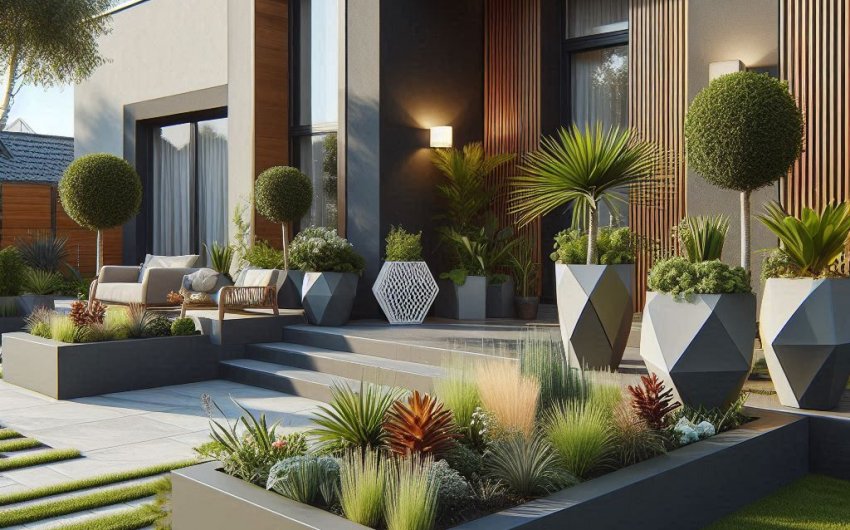
Your front yard is the first impression visitors get of your home. It's also the first thing you see when you arrive home! If you're tired of a boring lawn and overgrown shrubs, and dream of a sleek, stylish, and easy-to-maintain outdoor space, then modern front yard landscaping might be just what you need. And the best part? You don't need to hire expensive professionals to achieve a stunning, contemporary look. Many of the key elements of modern landscape design are perfectly suited for DIY projects.
This guide will walk you through inspiring ideas and practical tips for creating a beautiful modern front yard that reflects your style and enhances your home's curb appeal. We'll focus on clean lines, simple plant palettes, and smart material choices that you can implement yourself. Get ready to transform your front yard into a striking, low-maintenance masterpiece!
Why go modern with your front yard?
Modern landscaping isn't just a trend; it's a design philosophy that offers numerous benefits, especially for a front yard. It's about creating a harmonious, uncluttered, and often more sustainable space.
What defines modern landscaping?
Modern landscape design is characterized by:
- Clean lines and geometric shapes: Think straight edges, rectangles, squares, and circles. Less emphasis on curvy, winding paths and more on clear, defined forms.
- Minimalist aesthetic: "Less is more." Focus on a few key elements, rather than an abundance of plants or decor.
- Purposeful use of materials: A strong emphasis on hardscaping materials like concrete, steel, gravel, and large format pavers.
- Simple plant palettes: Often fewer plant varieties, but used in mass plantings to create impact. Emphasis on architectural plants with strong forms.
- Balance and repetition: Creating harmony through repeating elements, textures, or colors.
- Low maintenance: A common goal for modern designs, achieved through careful plant selection and material choices.
What are the benefits for my front yard?
- Enhanced Curb Appeal: A clean, updated look instantly boosts your home's appearance and can increase property value.
- Low Maintenance: Many modern designs incorporate drought-tolerant plants, gravel, and other features that require less watering, mowing, and weeding. This is a huge time-saver!
- Timeless Style: While it's "modern," the principles of clean lines and simplicity often mean these designs age very well.
- Highlights Your Home: A streamlined landscape doesn't compete with your house but rather enhances its architecture, drawing attention to its best features.
- Sustainable: Often incorporates xeric landscaping principles, reducing water consumption.
What's the first step in DIY modern front yard design?
Just like any good project, a successful modern front yard transformation starts with a solid plan. Don't skip this step!
How do I assess my current space?
- Draw a map: Grab some graph paper and a tape measure. Sketch out your entire front yard, including the house, driveway, existing pathways, major trees, and any utilities (like sprinklers or gas lines). Note where the sun hits at different times of day.
- Identify challenges: Do you have a steep slope? Poor drainage? Too much shade in one area? These need to be addressed in your plan.
- Determine what to keep/remove: Are there any existing plants or features that fit your modern vision? Or do you need a complete overhaul?
What are my needs and desires?
Think about how you use your front yard and what you want from it.
- Functionality: Do you need a wider pathway? More seating? Parking? How important is privacy?
- Maintenance Level: Be honest about how much time you're willing to spend. This will heavily influence your plant and material choices.
- Budget: Set a realistic budget for materials and any tools you might need. Break the project into phases if necessary to manage costs.
What's my style?
Look for inspiration! Browse magazines, Pinterest, and local gardens. What specific elements of modern landscaping appeal to you?
- Do you love sleek concrete planters or natural stone?
- Are you drawn to vibrant splashes of color or a more restrained green and gray palette?
- Do you prefer symmetrical designs or asymmetrical balance?
What are the key elements of DIY modern front yard landscaping?
Modern landscape design relies on a few core principles and materials to achieve its signature look. Many of these are quite achievable for the average DIYer.
Hardscaping: The Backbone of Modern Design
Hardscaping (non-living elements) forms the skeletal structure of a modern landscape. It defines spaces and creates clean lines.
Pathways and Walkways
- Large Format Pavers: Instead of small, interlocking pavers, opt for large, square or rectangular concrete, bluestone, or porcelain pavers. Lay them with minimal gaps filled with gravel or grass. You can find large concrete stepping stones at home improvement stores.
- Gravel Paths: A simple, cost-effective option. Use a durable weed barrier underneath and choose a clean, consistent gravel like pea gravel or crushed granite. Create crisp edges with metal or plastic landscape edging.
- Poured Concrete: For a truly sleek look, a clean slab of poured concrete can be very modern. Consider adding interesting finishes or scoring patterns.
Defined Beds and Edges
- Metal Edging: Black steel or aluminum edging creates razor-sharp lines between planting beds and lawn/gravel. It's a favorite for its sleek, understated look. You can buy steel landscape edging in long rolls.
- Corten Steel Planters: Weathering steel develops a beautiful rust-like patina that perfectly complements a modern aesthetic. You can find ready-made Corten steel planters or use Corten steel sheets for raised beds.
- Concrete Blocks/Borders: Simple, clean concrete blocks can be stacked to create low walls or raised beds. Look for smooth, contemporary styles.
Privacy Screens and Fences
- Horizontal Slat Fences: A hallmark of modern landscaping. Horizontal wooden slats (cedar or redwood are popular) create a clean, contemporary look, often with small gaps for airflow and light.
- Metal Panels: Perforated metal sheets or artistic metal screens can add privacy and a sculptural element.
- Gabion Walls: Cages filled with rocks offer a unique, industrial-meets-natural texture. This is a more involved DIY project but very impactful.
Plant Selection: Architectural and Low-Maintenance
Modern front yards typically favor fewer plant varieties, but those chosen are used in bold masses or as sculptural focal points. Drought-tolerant plants are often preferred for their resilience and ease of care.
Architectural Plants
These plants have strong forms and striking silhouettes that stand out.
- Succulents and Cacti: Agave, Yucca, Aloe, and large Echeveria offer incredible texture and geometric shapes. Many are very drought-tolerant.
- Ornamental Grasses: Provide movement, texture, and often beautiful seed heads. Varieties like Feather Reed Grass, Blue Fescue, or Black Mondo Grass are popular.
- Cycads: Sago Palms or Dioons offer a prehistoric, spiky look.
- Evergreen Shrubs: Choose varieties with clean forms, like Boxwood (clipped into geometric shapes), columnar conifers, or certain types of Loropetalum.
Mass Plantings
Instead of one of everything, plant large groups of the same plant for a strong, cohesive statement.
- Lavender: Beautiful purple flowers, fragrant, and drought-tolerant. Plant in rows or large drifts.
- Rosemary: A hardy, aromatic shrub that can be shaped.
- Groundcovers: Creeping Jenny for a pop of chartreuse, or low-growing Sedum varieties to fill in spaces with interesting texture.
- Nandina domestica: Modern varieties like 'Firepower' or 'Gulf Stream' offer beautiful year-round foliage color and a compact habit.
Focal Point Plants
A single, stunning plant can draw the eye and act as a centerpiece.
- Japanese Maple: Delicate foliage and beautiful fall color, perfect for adding a touch of elegance.
- Dwarf Conifers: Unique shapes and year-round interest.
- Agave or Large Yucca: For a bold, sculptural statement, especially in a large modern planter.
Tips for Plant Selection:
- Limit your palette: Choose 3-5 main plant types for a clean, cohesive look.
- Consider texture: Mix fine-textured grasses with bold-leaved succulents.
- Year-round interest: Include evergreens and plants with interesting winter form or berries.
- Zone appropriate: Always select plants that thrive in your USDA Plant Hardiness Zone and local climate.
Lighting: Enhancing the Modern Vibe
Modern landscape lighting is usually subtle, functional, and designed to highlight architectural features or pathways.
- Uplighting: Place hidden spotlights at the base of architectural plants, trees, or textured walls to create dramatic shadows.
- Path Lighting: Sleek, low-profile path lights to safely illuminate walkways. Choose modern fixtures that blend into the landscape. You can find modern landscape path lights that are also solar-powered.
- Integrated Lighting: LED strip lights under benches or along the edges of steps for a subtle, contemporary glow.
- Minimalism: Avoid overly ornate or bright lights. Less is often more.
What are some DIY projects for a modern front yard?
Many elements of a modern front yard are surprisingly achievable for the average homeowner with some basic tools and a willingness to learn.
DIY Concrete Pavers or Stepping Stones
- Process: Buy large concrete forms or make your own from wood. Mix concrete (wear protective gear!), pour, level, and let cure.
- Benefits: Highly customizable, cost-effective, and creates a very modern look. You can find concrete paver molds for various shapes.
Building Simple Raised Planter Beds
- Materials: Use Corten steel sheets (cut to size and bolted together), smooth concrete blocks, or even stacked timber (ensure straight cuts).
- Process: Lay out your desired shape, construct the walls, ensure proper drainage, and fill with good soil.
- Benefits: Adds height and structure, defines planting areas, and makes gardening easier.
Installing Gravel Paths and Xeriscaping
- Process: Dig down a few inches, lay a heavy-duty weed barrier fabric, secure with pins, and then spread your chosen decorative gravel evenly. Use metal edging to keep it neat.
- Benefits: Low maintenance, excellent drainage, modern aesthetic, and perfect for drought-tolerant landscaping. A heavy duty weed barrier fabric is crucial.
Creating a Horizontal Slat Screen or Fence
- Process: Install sturdy posts. Attach horizontal lumber slats (cedar or redwood are great for outdoors) with even spacing using a spacer block for consistency.
- Benefits: Provides modern privacy, acts as a backdrop for plants, and is a relatively straightforward carpentry project.
Mass Planting and Smart Grouping
- Process: Once beds are defined and soil prepared, plant large groups of the same plant variety. Think in blocks or sweeping curves rather than individual scattered plants.
- Benefits: Creates a strong visual impact, simplifies maintenance, and provides a clean, contemporary look.
Final considerations for your DIY modern front yard
- Irrigation: Even drought-tolerant plants need regular watering during their establishment period. Consider installing a simple drip irrigation system for your beds. It's efficient and easy to put on a timer. You can find DIY drip irrigation kits.
- Drainage: Ensure your new hardscaping and planting beds have proper drainage to prevent water pooling and plant root rot.
- Maintenance Plan: Even "low-maintenance" doesn't mean "no maintenance." Plan for occasional weeding, pruning, and refreshing mulch/gravel.
- Start Small: If the entire project feels too big, pick one zone or one element to tackle first. Success with a small project can build confidence for larger ones.
Transforming your front yard into a modern landscape is an exciting and achievable DIY project. By focusing on clean lines, purposeful materials, and architectural plants, you can create a stunning, low-maintenance outdoor space that perfectly complements your home and welcomes you with contemporary style every single day.