
Long Blooming Perennials You’ll Love
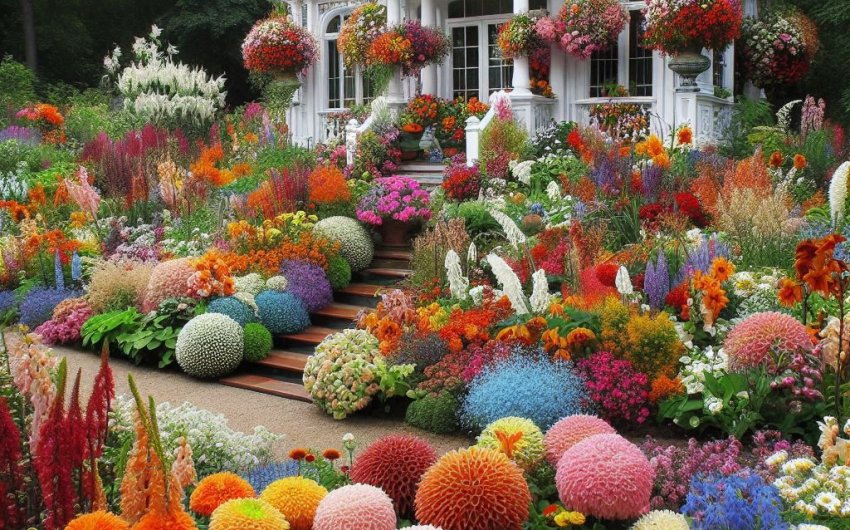
Long blooming perennials are the workhorses of the garden, providing continuous color and interest for weeks or even months, significantly extending your garden's peak display. These reliable plants offer beauty with less effort than annuals, returning year after year to delight both gardeners and pollinators.
Why Choose Long Blooming Perennials for Your Garden?
Opting for long blooming perennials is a smart strategy for any gardener looking to maximize color and minimize effort in their landscape. They provide sustained beauty that keeps on giving.
- Extended Color Display: Unlike plants that bloom for only a few weeks, these perennials provide continuous flowers, keeping your garden vibrant for longer periods.
- Less Work, More Reward: Once established, perennials return year after year, saving you the effort and expense of replanting annually.
- Cost-Effective: While the initial purchase might be more than annuals, the fact that they return means significant long-term savings.
- Environmental Benefits: Attract pollinators (bees, butterflies, hummingbirds) with their extended bloom times, supporting local ecosystems. Many are low-maintenance, reducing the need for excessive water or fertilizers.
- Improved Garden Structure: Create a stable, consistent backbone for your garden beds, around which you can rotate annuals or other shorter-blooming plants.
- Resilience: Often more robust and adaptable to local conditions once established, with stronger root systems.
- Season-Long Interest: Many provide attractive foliage even when not in bloom, offering textural and color interest.
What Factors Contribute to Long Blooming Perennials?
Several characteristics allow certain perennials to have exceptionally long flowering periods, making them ideal choices for your garden.
1. Continuous Bud Production
- Key Trait: The most important factor. Instead of producing all their flower buds at once, these plants continuously develop new buds over an extended period.
- Mechanism: This means as old flowers fade, new ones are already forming, ensuring a constant succession of blooms.
2. Deadheading Response
- Encourages Rebloom: Many long blooming perennials respond exceptionally well to deadheading (removing spent flowers). This prevents the plant from putting energy into seed production and redirects it into creating more flowers.
- Examples: Daylilies, Coreopsis, Bee Balm, Coneflowers.
3. Sterility or Low Seed Production
- Hybrid Vigor: Many modern hybrids are bred to be sterile or produce very little viable seed. Since they aren't expending energy on reproduction, they put more into continuous flowering.
- Energy Focus: This allows the plant to focus its energy on producing new blooms rather than maturing seeds.
4. Adaptability to Growing Conditions
- Toughness: Often, these plants are robust and adaptable to a range of soil types, light conditions, and temperatures, allowing them to perform well even if conditions aren't perfectly ideal.
- Stress Resistance: Less prone to "sulk" or stop blooming due to minor environmental stresses.
5. Genetic Predisposition
- Breeding: Plant breeders specifically select and develop varieties that exhibit extended bloom times. This is why many newer cultivars of classic perennials have significantly longer flowering periods than their older counterparts.
What Are Some Top Long Blooming Perennials You'll Love?
These are some of the most reliable and beloved long blooming perennials, offering continuous color and relatively easy care for many growing zones.
1. Daylilies (Hemerocallis spp.)
- Bloom Time: Early summer through late summer, with reblooming varieties extending into fall.
- Why they pop: Hardy, adaptable, and a wide array of colors, sizes, and flower forms. Many modern cultivars are bred for continuous rebloom.
- Care: Full sun to partial shade, well-draining soil. Deadhead spent flower stalks (scapes) to encourage rebloom. Divide every 3-5 years.
- Examples: 'Stella de Oro' (classic rebloomer), 'Happy Returns', 'Going Bananas'.
- Find Daylily Plants.
2. Coneflower (Echinacea purpurea and cultivars)
- Bloom Time: Mid-summer to early fall.
- Why they pop: Daisy-like flowers with prominent central cones, available in a spectrum of colors (purple, pink, white, yellow, orange). Attracts pollinators and birds. Very drought-tolerant once established.
- Care: Full sun, well-draining soil. Deadhead to encourage more blooms, though leaving some spent heads provides winter interest and food for birds.
- Examples: 'Magnus', 'PowWow Wild Berry', 'Cheyenne Spirit'.
- Get Coneflower Seeds.
3. Coreopsis (Tickseed - Coreopsis verticillata & grandiflora)
- Bloom Time: Early summer to early fall.
- Why they pop: Abundant, cheerful, daisy-like flowers, often yellow but also pink and red. Fine, airy foliage. Excellent for mass plantings.
- Care: Full sun, well-draining soil. Tolerates heat and some drought. Deadhead to encourage continuous bloom.
- Examples: 'Moonbeam' (threadleaf), 'Zagreb' (threadleaf), 'Early Sunrise' (large flower).
- Search for Coreopsis Plants.
4. Salvia (Perennial Sage - Salvia nemorosa, S. sylvestris)
- Bloom Time: Late spring to fall, with deadheading.
- Why they pop: Spikes of vibrant blue, purple, pink, or white flowers that attract hummingbirds and butterflies. Drought-tolerant.
- Care: Full sun, well-draining soil. Shear back spent flower spikes by about half after the first flush to encourage prolific rebloom.
- Examples: 'May Night', 'Caradonna', 'Amethyst Falls'.
- Find Perennial Salvia Plants.
5. Catmint (Nepeta faassenii)
- Bloom Time: Late spring through fall.
- Why they pop: Clouds of lavender-blue flowers and aromatic, silvery-green foliage. Very low maintenance, drought-tolerant, deer-resistant, and attracts bees.
- Care: Full sun, well-draining soil. Shear back by half after the first bloom flush to tidy and encourage rebloom.
- Examples: 'Walker's Low', 'Six Hills Giant'.
- Look for Catmint Plants.
6. Lavender (Lavandula spp.)
- Bloom Time: Late spring to late summer, depending on type and deadheading.
- Why they pop: Iconic fragrant purple (or white/pink) flower spikes and silvery-green foliage. Drought-tolerant, deer-resistant, attracts pollinators.
- Care: Full sun, well-draining (even poor) soil. Good air circulation. Prune after flowering to maintain shape and encourage bushiness.
- Examples: 'Munstead' (English), 'Hidcote' (English), 'Phenomenal' (Lavandin).
- Find Lavender Plants.
7. Yarrow (Achillea millefolium and cultivars)
- Bloom Time: Early summer to early fall.
- Why they pop: Flat-topped flower clusters in a range of colors (yellow, red, pink, white) on sturdy stems. Feathery, aromatic foliage. Very tough, drought-tolerant once established. Attracts beneficial insects.
- Care: Full sun, well-draining soil. Deadhead to prolong bloom. Can be divided every few years.
- Examples: 'Moonshine', 'Paprika', 'Terra Cotta'.
- Get Yarrow Seeds.
8. Bee Balm (Monarda didyma and cultivars)
- Bloom Time: Mid-summer to early fall.
- Why they pop: Unique, shaggy flower heads in shades of red, pink, purple, and white. Highly attractive to hummingbirds and bees. Aromatic foliage.
- Care: Full sun to partial shade, moist, well-draining soil. Good air circulation is key to prevent powdery mildew. Deadhead to encourage rebloom.
- Examples: 'Jacob Cline', 'Raspberry Wine', 'Pardon My Purple'.
- Look for Bee Balm Plants.
9. Shasta Daisy (Leucanthemum x superbum)
- Bloom Time: Early summer to early fall.
- Why they pop: Classic white daisy flowers with yellow centers, bringing a cheerful, fresh look to any border. Great for cutting.
- Care: Full sun, well-draining soil. Deadhead spent blooms to encourage more. Divide every 2-3 years to maintain vigor.
- Examples: 'Becky', 'Snowcap', 'Crazy Daisy'.
- Find Shasta Daisy Plants.
10. Gaura (Gaura lindheimeri)
- Bloom Time: Late spring through fall (very long bloomer).
- Why they pop: Delicate, airy pink or white flowers that flutter on long, wiry stems, giving a wispy, ethereal effect. Drought-tolerant and low maintenance.
- Care: Full sun, well-draining soil. Tolerates heat and humidity. Can be trimmed back by half in mid-summer if it gets leggy to encourage new growth.
- Examples: 'Whirling Butterflies', 'Siskiyou Pink'.
- Search for Gaura Plants.
How Do You Care for Long Blooming Perennials to Maximize Bloom Time?
Even the most prolific bloomers benefit from strategic care to ensure they keep flowering abundantly throughout the season.
1. The Right Plant, Right Place
- Sunlight: Ensure your chosen perennial receives the recommended amount of sun (full sun, partial sun, shade). Insufficient light can reduce flowering.
- Soil: Plant in soil that meets its needs (well-draining, moist, rich). Amend with compost as needed.
- Hardiness Zone: Choose plants suited for your USDA Hardiness Zone to ensure they survive winter.
2. Deadheading
- Key Practice: Removing spent flowers is the most effective way to encourage rebloom in many perennials. This prevents the plant from putting energy into seed production.
- Method: Snip off the faded flower stem just above a set of leaves or a new side bud. For plants with many small flowers (like Coreopsis), a light shearing of the whole plant may be easier.
- Exceptions: Some plants are "self-cleaning" (flowers drop off naturally) or are grown for their seed heads (e.g., some Coneflowers for birds).
3. Consistent Watering
- Establishment: All newly planted perennials need consistent watering during their first growing season to establish strong root systems.
- Mature Plants: Even drought-tolerant perennials can benefit from occasional deep watering during prolonged dry spells to keep them actively growing and blooming.
4. Fertilization (Moderate)
- Avoid Over-Fertilizing: Too much nitrogen can lead to lush foliage at the expense of flowers.
- Balanced Approach: Top-dress with a layer of Organic Compost in spring, or apply a balanced Slow Release Organic Fertilizer if a soil test indicates a deficiency.
5. Pruning and Shearing
- Mid-Season Cutback (Optional): Some perennials (e.g., Salvia, Catmint, Coreopsis) can benefit from a more aggressive cutback (by 1/2 or 1/3) after their first flush of blooms. This rejuvenates the plant, prevents flopping, and encourages a stronger second bloom.
- Winter Pruning: Decide whether to cut back herbaceous perennials in fall (for neatness, to remove disease) or leave them for winter interest and wildlife (e.g., seed heads for birds).
6. Division
- Maintain Vigor: Many perennials become less floriferous and may die out in the center after a few years. Dividing them (typically every 3-5 years) rejuvenates the plants and provides new plants.
- Timing: Usually done in spring or fall, depending on the plant.
How Do Long Blooming Perennials Attract Pollinators?
Long blooming perennials are ecological powerhouses, providing continuous food sources for pollinators, which are vital for healthy gardens and ecosystems.
- Extended Nectar/Pollen Source: Their prolonged flowering period means a consistent supply of food for bees, butterflies, hummingbirds, and other beneficial insects from spring through fall. This is crucial for sustaining pollinator populations throughout their active season.
- Biodiversity Support: A diverse array of long-blooming flowers attracts a wider variety of pollinators, each with specific preferences. This contributes to a healthier and more resilient garden ecosystem.
- Habitat Provision: The continuous foliage and sturdy structures of perennials offer shelter, nesting sites, and overwintering spots for beneficial insects.
- Reduced Pesticide Need: By creating a robust, balanced ecosystem, long blooming perennials often reduce the reliance on synthetic pesticides, making the garden safer for pollinators.
- Specific Attractors:
- Bee Balm (Monarda): Irresistible to hummingbirds and a wide range of bees.
- Salvia: A hummingbird and butterfly magnet with its tubular flowers.
- Coneflower (Echinacea): Loved by butterflies and provides seeds for birds in fall.
- Yarrow (Achillea): Attracts beneficial predatory insects like hoverflies and lacewings that feed on aphids.
- Lavender (Lavandula): A huge draw for bees.
By prioritizing long blooming perennials, you're not just adding beauty to your garden; you're actively contributing to the health and survival of essential pollinator populations, fostering a vibrant and buzzing backyard.
Troubleshooting Common Issues with Long Blooming Perennials
Even these garden workhorses can face challenges. Here's how to keep your long blooming perennials happy and productive.
1. Reduced or No Blooms
- Cause:
- Insufficient Light: Not enough sun for flowering.
- Over-fertilization (too much nitrogen): Promotes leafy growth at the expense of flowers.
- Lack of Deadheading: Plant is putting energy into seed production.
- Overcrowding/Needs Division: Plant is too mature and congested.
- Stress: Drought, extreme heat, or disease.
- Solution: Check sun exposure. Reduce nitrogen fertilizer. Deadhead diligently. Divide crowded plants. Ensure proper watering.
2. Leggy or Floppy Growth
- Cause: Not enough light (stretching for sun), too much nitrogen, or natural growth habit.
- Solution: Move to a sunnier spot. Reduce nitrogen fertilizer. For naturally leggy plants, consider mid-season "Chelsea chop" (pruning by 1/3 to 1/2 in late spring/early summer) to encourage bushier growth, or provide staking.
3. Powdery Mildew
- Cause: High humidity, poor air circulation, susceptible varieties (common on Bee Balm).
- Solution: Ensure good air circulation (proper spacing). Choose resistant varieties. Water at the base, not overhead. Use organic fungicides like neem oil or baking soda spray if necessary.
4. Yellowing Leaves
- Cause: Often indicates nutrient deficiency, overwatering (root rot), or underwatering.
- Solution: Check soil moisture. Improve drainage if soggy. Consider a balanced organic fertilizer after a soil test.
5. Pests
- Cause: Aphids, spider mites, slugs, etc., can affect perennials.
- Solution: Inspect regularly. Use organic pest control methods like hand-picking, insecticidal soap, or neem oil. Encourage beneficial insects.
Designing with Long Blooming Perennials for Continuous Color
Strategic design maximizes the impact of your long blooming perennials, creating a vibrant tapestry of color throughout the growing season.
1. Layering for Height and Texture
- Back of Border: Place tallest perennials (e.g., some Yarrow, Bee Balm, taller Salvia) at the back.
- Middle: Use medium-height plants (e.g., Coneflowers, Daylilies, larger Coreopsis).
- Front/Edging: Incorporate low-growing varieties (e.g., Catmint, Creeping Thyme, shorter Sedum) to soften edges.
- Texture: Mix different leaf textures (fine, coarse, spiky, broad) to add visual interest even when not in bloom.
2. Color Schemes
- Monochromatic: Use different shades of the same color (e.g., various purples from Lavender, Salvia, Coneflower) for a sophisticated, calming effect.
- Complementary Colors: Use colors opposite on the color wheel (e.g., purple Coneflowers with yellow Coreopsis) for high contrast and energy.
- Analogous Colors: Use colors next to each other on the color wheel (e.g., pink Bee Balm, purple Salvia, blue Catmint) for a harmonious flow.
- Repetition: Repeat key plants or colors throughout the border to create rhythm and unity.
3. Succession of Blooms
- Even long blooming perennials have peak times. Combine early, mid, and late-season long bloomers to ensure continuous color from spring to fall.
- Late Spring/Early Summer: Catmint, early Salvia, some Coreopsis.
- Mid-Summer: Daylilies, Bee Balm, Shasta Daisy, main Coneflower flush.
- Late Summer/Fall: Late-blooming Daylilies, continued Coneflower, Yarrow.
4. Integrating Other Plants
- Annuals: Use annuals to fill in gaps or provide extra bursts of seasonal color where perennials are not in full bloom.
- Shrubs: Add evergreen shrubs for winter interest and to provide a sturdy backdrop.
- Bulbs: Plant spring-flowering bulbs (tulips, daffodils) for early season color before perennials fully emerge.
By thoughtfully designing with long blooming perennials, you can create a garden that bursts with vibrant, enduring color, offering beauty and joy from spring's awakening right through autumn's embrace. They are the true backbone of a low-maintenance, high-impact garden.