
Backyard Layouts for Large Open Spaces
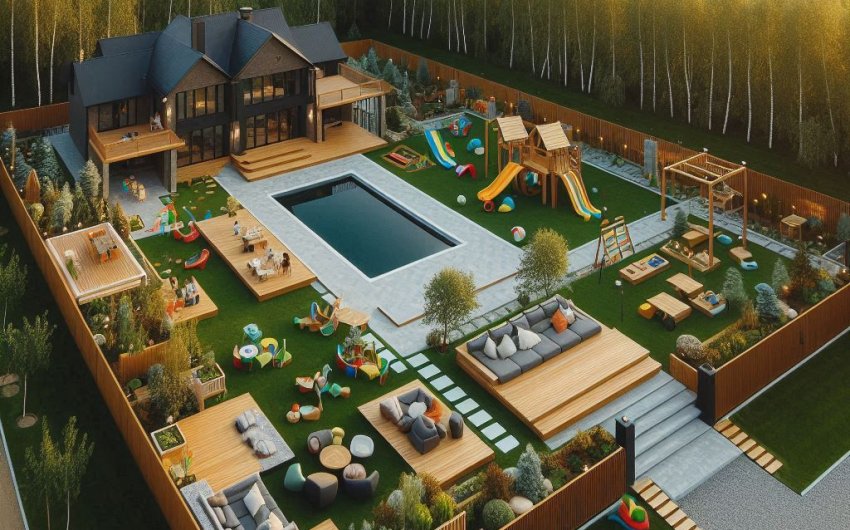
Having a large backyard is a fantastic opportunity. Instead of a cramped patch of grass, you have a vast canvas just waiting for your personal touch. But a big, open space can also feel a bit overwhelming. How do you fill it? How do you make it feel inviting and functional, not just like an empty field? The key is smart backyard layout design.
This guide will show you how to transform your large open space into a multi-functional outdoor oasis. We'll explore ideas for creating distinct "zones" for different activities, making your backyard feel cohesive, beautiful, and endlessly enjoyable. Get ready to turn that big expanse into the backyard of your dreams!
Why is a good layout crucial for large backyards?
An expansive yard offers incredible potential, but without a clear plan, it can feel overwhelming and underutilized. A thoughtful backyard layout is essential for making the most of your space.
How does it make sense of a big space?
- Breaks up monotony: A large, unbroken lawn can feel boring and uninviting. Dividing it into distinct outdoor living zones adds visual interest and excitement.
- Creates flow and purpose: A well-planned layout guides people through the space, making it easy to move from one activity to another. Each zone has a clear purpose.
- Enhances usability: Instead of one big, vague area, you'll have dedicated spots for dining, lounging, playing, and more, making your backyard much more functional.
- Reduces wasted space: Ensures that every part of your large backyard is contributing to the overall enjoyment and aesthetic.
Can it make a large space feel inviting?
Surprisingly, large spaces can sometimes feel less cozy than smaller ones if not designed correctly. A good layout prevents this.
- Defines intimate areas: By creating "rooms" outdoors, you can carve out cozy, more private spots even within a vast area.
- Adds human scale: Large open areas can feel impersonal. Defined zones bring the space down to a more comfortable, human scale.
- Encourages exploration: A multi-zone layout makes people want to explore and discover what each area has to offer.
Does it increase property value?
Absolutely! A meticulously designed backyard landscape with functional zones is a significant asset.
- Curb appeal: A well-planned outdoor space dramatically boosts your home's visual appeal.
- Extended living space: Effectively adds "rooms" to your home, making it feel larger and more luxurious.
- High demand: Outdoor living areas are highly sought after by homebuyers, often providing an excellent return on investment.
What's the first step in planning my large backyard layout?
Before you start digging or buying furniture, it's essential to do some careful planning. This initial step sets the stage for a successful and enjoyable backyard transformation.
How do I assess my space?
- Measure and sketch: Grab a tape measure and graph paper (or use an online design tool). Measure the entire backyard. Note down the location of your house, any existing structures (sheds, trees), slopes, and areas of sun and shade throughout the day. This is your backyard blueprint.
- Identify existing features: Are there old trees you want to keep? A natural slope? A drainage issue? Incorporate these into your plan.
- Consider utilities: Note where underground pipes, electrical lines, or septic systems are located. Always call 811 before digging if you're planning any major excavation.
What are my family's needs and wants?
This is the most important part! Think about how you and your family will actually use the space.
- Activities: Do you love to entertain? Do you have active kids or pets? Are you a passionate gardener? Do you need a quiet retreat? List all the activities you envision happening in your backyard.
- Priorities: What's most important to you? A big lawn for games? A sprawling garden? A luxurious outdoor kitchen?
- Budget: Be realistic about how much you're willing to spend. This will influence your material choices and the scope of your project.
What's my style?
Consider the overall aesthetic you want to achieve. Do you prefer:
- Modern and minimalist: Clean lines, geometric shapes, perhaps concrete and steel.
- Rustic and natural: Wood, stone, lush informal plantings.
- Mediterranean: Terracotta, olive trees, herbs, warm colors.
- Tropical oasis: Lush foliage, vibrant flowers, water features.
- Family-friendly fun: Play areas, durable surfaces, comfortable seating.
Your home's architectural style can also guide your outdoor design choices for a cohesive look.
How do I create distinct zones in a large backyard?
The magic of designing a large open space lies in breaking it down into purposeful outdoor living zones. Each zone can serve a different function while still feeling connected to the whole.
What are common backyard zones?
Most large backyards benefit from at least a few of these:
The Dining Zone
This is your outdoor eating area.
- Location: Ideally close to the house or kitchen for easy access, but can also be further out if you have an outdoor kitchen.
- Surfaces: A patio (pavers, concrete, flagstone), a deck, or a dedicated gravel area works well.
- Furniture: A large outdoor dining set with comfortable chairs.
- Enhancements: An outdoor kitchen or BBQ station, a pergola or umbrella for shade, and string lights for evening ambiance.
The Lounging/Conversation Zone
A relaxed area for unwinding and chatting.
- Location: Often adjacent to the dining zone, or in a quieter, more secluded spot.
- Surfaces: Can be on a patio, deck, or a plush outdoor rug on the grass.
- Furniture: Deep-seated outdoor sofas, club chairs, and coffee tables.
- Enhancements: A firepit or outdoor fireplace, outdoor cushions and throws, and soft lighting.
The Play Zone (for kids and pets)
A dedicated area for active fun.
- Location: Can be further away from quiet zones, potentially visible from the house.
- Surfaces: Grass, wood chips, rubber mulch, or sand.
- Equipment: A DIY kids playground, swings, sandbox, or even just open lawn for games. For pets, consider a dedicated run or agility course.
- Enhancements: Shade structure, storage for toys, and durable, easy-to-clean materials.
The Garden Zone
For green thumbs and fresh produce.
- Location: Needs good sunlight, often away from high-traffic areas.
- Elements: Raised garden beds, a greenhouse, a potting bench, and perhaps a small shed for tools.
- Enhancements: A small seating area for enjoying the garden, a compost bin, and efficient irrigation.
The Water Feature/Relaxation Zone
A tranquil spot for peace and quiet.
- Location: Often in a secluded corner or an area with natural shade.
- Elements: A pond, fountain, or bird bath. A small bench or hammock for quiet contemplation.
- Enhancements: Serene plantings, smooth river rocks, and soft ambient lighting.
The Utility/Storage Zone
A hidden area for practical necessities.
- Location: Tucked away, ideally out of sight from main living areas.
- Elements: Shed, compost bin, trash cans, recycling bins, extra firewood storage.
- Enhancements: Screens or fences to camouflage, easy access for necessary tasks.
How do I connect the zones?
Seamless transitions between zones are key to a flowing backyard layout.
- Pathways: Use materials like pavers, gravel, stepping stones, or even a mown grass path to connect different areas. Paths create a sense of journey and lead people through the space.
- Planting: Use repeating plant themes or elements to tie zones together. For example, a continuous border of a specific shrub that weaves between areas.
- Visual cues: An outdoor rug on a patio, a change in paving material, or a small pergola can signal a transition to a new zone.
- Open lines of sight: While defining zones, try to maintain some open lines of sight between them so the backyard still feels connected and spacious.
What design elements enhance a large backyard?
Beyond the zones themselves, specific design elements can make your large backyard feel coherent, inviting, and truly spectacular.
How do I add structure and definition?
- Hardscaping: Patios, decks, pergolas, and retaining walls create permanent, defined spaces. Choose materials that complement your home and desired style.
- Arbors and Pergolas: These structures add vertical interest, define entryways into zones, and provide shade. A wooden pergola kit can be a great DIY option.
- Fencing and Walls: Low garden walls, decorative fences, or privacy screens can divide zones, create backdrops, and add visual interest.
- Raised Garden Beds: These instantly define a gardening area and add a neat, structured look. You can find metal raised garden beds or use wood.
What about plantings and greenery?
Plants are the "soft furnishings" of your outdoor rooms.
- Trees: Strategically planted trees provide shade, vertical interest, and can frame views or screen undesirable ones. They're essential for breaking up large open spaces.
- Shrubs: Use shrubs to create natural "walls" between zones, provide privacy, or add year-round structure.
- Flower Beds and Borders: Add vibrant color and texture. Plant in masses for a big impact in a large space.
- Ornamental Grasses: Provide movement, texture, and are often drought-tolerant. They're excellent for filling large areas without being too demanding.
- Container Plants: Use large pots filled with colorful annuals or sculptural plants to add focal points and bring greenery onto paved areas.
How do I use lighting effectively?
Layered lighting is key to making your large backyard usable and magical after dark.
- Task Lighting: For the dining or cooking zone (e.g., overhead lights on a pergola).
- Accent Lighting: To highlight specific features like trees, sculptures, or a water feature (e.g., landscape spotlights).
- Pathway Lighting: For safety and guidance along paths (e.g., low-voltage path lights or solar pathway lights).
- Ambient Lighting: For general atmosphere (e.g., string lights, lanterns, a firepit).
What focal points should I include?
Every good design needs something to draw the eye.
- Firepit: Often the natural centerpiece of a lounging zone.
- Water Feature: A fountain, pond, or waterfall adds soothing sounds and visual appeal.
- Outdoor Sculpture or Art: A large piece of outdoor art or a striking sculpture.
- Distinctive Tree: A beautiful, mature tree can be a natural focal point.
- Feature Planter: An oversized, stunning planter filled with dramatic plants.
What are some common challenges and how to overcome them?
Designing a large backyard comes with its own set of hurdles, but they are all solvable with smart planning.
How do I handle large expanses of lawn?
- Embrace it (selectively): If you need a large area for sports or pets, keep a significant portion as lawn. However, make sure it's bordered and defined by other zones or plantings.
- Break it up: Create curves, add island beds, or run a pathway through the middle of the lawn to make it feel less like an empty field.
- Alternate surfaces: Replace some lawn with gravel, mulch, or drought-tolerant groundcovers to reduce maintenance and water usage.
What about slopes or uneven terrain?
- Terracing: Use retaining walls to create flat, usable levels on a slope. This can also provide built-in seating or garden beds.
- Steps and Ramps: Connect different levels with aesthetically pleasing steps or accessible ramps.
- Embrace the grade: Sometimes, a natural slope can be a design asset. Use it for a natural slide for kids, or a cascading water feature.
How do I ensure privacy in an open space?
- Perimeter plantings: Use tall, dense shrubs or trees along property lines to create a living privacy screen.
- Privacy screens/fences: Decorative screens or taller fences can define zones and block views from neighbors.
- Pergolas with climbing plants: Create a living roof for privacy over a seating area.
- Strategic placement: Place your most private zones (like a hot tub area) in less visible parts of the yard.
What about maintenance for such a large area?
- Choose low-maintenance plants: Opt for drought-tolerant, disease-resistant, and native plants that thrive in your climate.
- Reduce lawn area: As discussed, less lawn means less mowing, watering, and fertilizing.
- Smart irrigation: Install a drip irrigation system for garden beds and zones that need water. This is far more efficient than sprinklers. You can find drip irrigation kits for various garden sizes.
- Mulch: Apply a thick layer of mulch in planting beds to suppress weeds and retain moisture, reducing watering needs.
Designing a backyard layout for a large open space is an exciting journey. By dividing your vast area into purposeful zones, connecting them with thoughtful pathways, and enhancing them with key design elements, you can create a backyard that is not only beautiful but also incredibly functional and enjoyable for years to come. It’s time to unlock the full potential of your expansive outdoor canvas!