
Big Rock Landscaping Ideas for Any Yard
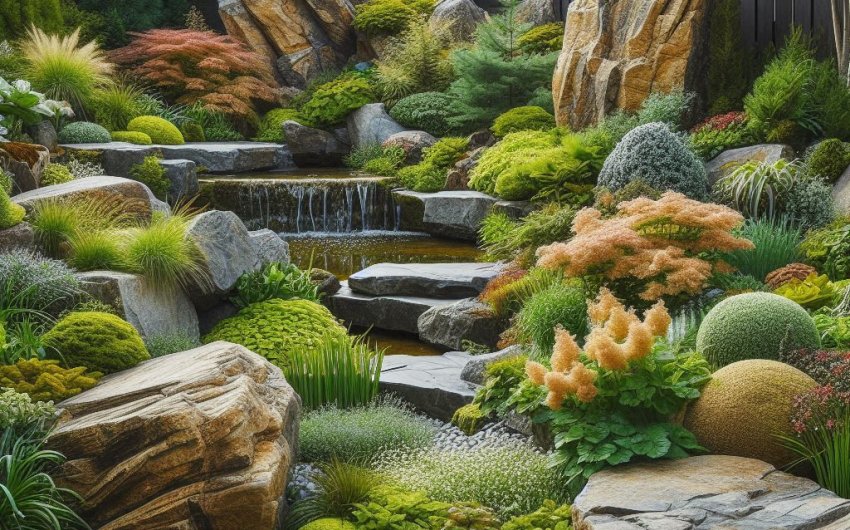
Tired of a flat, uninspired yard? Dreaming of adding texture, drama, and a touch of natural grandeur to your outdoor space? Look no further than big rock landscaping! Incorporating large stones, often called boulders, into your garden design is a timeless and incredibly impactful way to create a landscape that truly stands out. These geological features are more than just heavy objects; they are natural sculptures, capable of transforming ordinary spaces into dynamic, textured, and truly artistic environments.
Learning how to landscape with big rocks means understanding their aesthetic power and practical uses. Whether you have a sprawling estate or a compact urban yard, big rocks can be adapted to fit. They offer permanence, a deep connection to nature, and an immediate sense of maturity to any landscape. This guide will walk you through a wealth of big rock landscaping ideas for any yard, covering everything from selecting the right stones and strategic placement to integrating them seamlessly with plants and other features. Get ready to add some serious natural impact and artistic flair to your outdoor living space!
Why Integrate Big Rocks into Your Landscape?
Beyond just looking impressive, big rocks (boulders) offer a multitude of benefits that elevate your landscape design.
Do Big Rocks Add a Sense of Permanence and History?
Absolutely! Big rocks are inherently stable and long-lasting. Unlike plants that grow and change, or constructed elements that can degrade, boulders are essentially immortal. They look as if they've been a part of the landscape for ages, providing an immediate sense of maturity, stability, and history to your garden. This permanence grounds your design and makes your outdoor space feel established and natural.
Can Big Rocks Create Striking Focal Points?
Yes, a thoughtfully placed big rock instantly becomes a powerful focal point. Its sheer size, unique texture, and distinctive shape naturally draw the eye, giving your garden a strong anchor. They offer year-round interest and structure, particularly in winter when many plants are dormant. A boulder acts as a natural sculpture, providing a dramatic centerpiece without requiring constant attention.
Do Big Rocks Provide Texture and Contrast?
Definitely. The raw, natural surfaces of big rocks offer incredible texture – rough, smooth, craggy, or layered. This inherent texture provides a beautiful contrast to the soft foliage of plants, creating visual excitement and depth in your garden beds. The varied colors (grays, browns, reds, blacks, whites) and natural patterns found in different rock types also add subtle yet powerful visual interest, enhancing the overall aesthetic of your landscape.
Can Big Rocks Help with Drainage and Slopes?
Yes, big rocks are highly functional in challenging terrains.
- Erosion Control: Strategically placed boulders can help stabilize slopes, preventing soil erosion caused by rain and runoff. They act as natural barriers, slowing down water flow.
- Natural Retaining Walls: Larger, flatter boulders can be dry-stacked (without mortar) to create informal, natural-looking retaining walls for low to medium slopes or to define raised garden beds. They help manage grade changes effectively.
- Drainage Channels: Arranging big rocks can help create natural swales or dry creek beds that effectively manage and direct rainwater runoff away from sensitive areas, preventing pooling.
Are Big Rocks Low Maintenance?
Compared to many other landscape features, big rocks are remarkably low maintenance. Once they are properly placed and settled, they don't require watering, fertilizing, or pruning. A quick rinse with a hose is often all they need to stay clean. They are a durable, long-term solution that adds significant impact to your landscape without adding to your chore list.
Choosing the Right Big Rocks for Your Landscape
Selecting the ideal big rocks is a critical step for achieving a natural, harmonious, and impactful landscape design.
1. Match Your Region's Natural Stone (Authenticity is Key)
- Harmony: The most effective way to make big rocks look like an organic part of your landscape is to choose stones that are native to your region or closely resemble the local geology. This ensures your landscape blends seamlessly with the surrounding environment.
- Local Sourcing: Visit local quarries or reputable landscape supply yards. Their inventory will likely reflect the dominant rock types in your area. Sourcing locally often also reduces transportation costs.
2. Consider Size, Shape, and Texture (The Visual Impact)
- Size Matters Most: For "big rock landscaping," don't be afraid to go truly big! A single, well-placed large boulder often looks far more natural and impactful than several smaller rocks. A good rule of thumb for natural placement is to ensure at least one-third (and often up to one-half) of the boulder's mass is buried in the ground to make it look like a natural outcrop.
- Scale: Always consider the scale of your yard. A massive boulder might overwhelm a tiny urban garden, while a few smaller ones might get lost in a sprawling landscape.
- Shape:
- Natural Irregularity: Embrace the natural, unique shapes of boulders. Look for interesting contours, subtle curves, flat sides (for stability), or craggy edges.
- Avoid Uniformity: A mix of shapes within an arrangement typically looks more natural than a series of identical rocks.
- Texture:
- Rough/Craggy: These textures add dramatic contrast and are excellent for rugged or naturalistic designs.
- Smooth/Rounded: Suggests water erosion, making them ideal for Zen gardens, dry creek beds, or modern, serene designs.
- Layered/Stratified: Rocks with distinct layers can create a sense of geological history and unique visual appeal.
3. Color and Veining (Subtle Enhancements)
- Complementary Colors: Choose boulders whose natural colors (various shades of gray, brown, red, black, even greenish tints) complement your home's exterior, existing hardscaping, and plant palette.
- Natural Features: Appreciate the natural veins, mineral deposits, moss, or lichen growth on the boulder; these add character and enhance its natural beauty.
How to Landscape with Big Rocks: Placement Strategies
The art of big rock landscaping lies in their strategic placement. They should look as though they were naturally there, not just dropped into your yard.
1. The "Bury Most of It" Rule (The Golden Rule)
- Achieving Naturalism: This is arguably the most crucial principle. To make a boulder look natural, bury approximately one-third to one-half of its total mass in the ground. This gives the impression that it's a deep-seated part of the landscape, as if it naturally emerged from the earth.
- Enhanced Stability: Burying a significant portion of the boulder also dramatically increases its stability, preventing it from rolling, shifting, or becoming a hazard.
2. Create Natural Groupings (The Power of Odd Numbers)
- Dynamic Composition: Boulders often look best when arranged in odd-numbered groups (e.g., 3, 5, 7). This creates a more dynamic, natural, and visually pleasing composition than even numbers.
- Vary Size and Shape: Within a grouping, use boulders of different sizes and complementary shapes. A common approach is to have one dominant large boulder with a few smaller, supporting stones around it.
- Tell a Story: Arrange them so they appear to be part of a natural outcrop, as if they tumbled down a hillside together or form a small, natural cluster. Avoid lining them up in a uniform row.
3. Utilize Boulders as Striking Focal Points
- Strategic Placement: Place a single, particularly striking bold boulder at the end of a pathway, within a prominent garden bed, near a water feature, or in an open lawn area where it can command attention.
- Background Consideration: Think about the backdrop against which the boulder will be viewed. Dark, evergreen shrubs can make a lighter boulder stand out, while lighter foliage can highlight a darker stone.
4. Integrate Boulders into Slopes and Retaining Walls
- Slope Stabilization: On gentle to moderate slopes, strategically place boulders at intervals to help slow down water runoff, reduce soil erosion, and hold plantings in place.
- Dry-Stack Walls: For low grade changes or to define raised garden beds, larger, flatter boulders can be stacked without mortar to create informal, natural-looking retaining walls. Ensure these walls have a solid, compacted base and proper drainage. (See retaining wall ideas for more detail on this).
- Terracing: Use boulders to define the edges of tiered garden beds on a hillside, making the sloped area more functional and aesthetically pleasing.
5. Consider Functionality Beyond Aesthetics
- Natural Seating: A large, flat-topped boulder can serve as an informal and unique seating spot in your garden.
- Rustic Steps: Arranged in a staggered, slightly recessed pattern on a gentle incline, boulders can form rustic, natural-looking steps.
- Defining Spaces: Use boulders to subtly delineate different zones within your yard, such as separating a lawn area from a flower bed or marking the edge of a pathway.
Integrating Big Rocks with Plants and Other Features
Big rocks rarely exist in isolation in nature, and they shouldn't in your garden either. Their true beauty and impact are amplified when integrated thoughtfully with other landscape elements.
1. Soften Hard Edges with Strategic Planting
- Cascading Plants: Plant low-growing, trailing, or cascading plants around the base of and between boulders to soften their hard edges and create a seamless transition into the surrounding landscape.
- Groundcovers: Creeping thyme, sedum varieties, vinca, or moss can spread over portions of the boulder, creating a living, textured surface that mimics natural growth.
- Perennials: Choose tough, drought-tolerant perennials that thrive in rocky or well-drained conditions, such as coneflowers, lavender, salvia, various ornamental grasses (like fountain grass or little bluestem), or yarrow.
- Small Shrubs: Dwarf conifers, spreading junipers, or low-growing evergreen shrubs can provide year-round greenery and anchor the boulders within the plant bed.
2. Create Specialized Rock Gardens
- Alpine or Succulent Gardens: Boulders are foundational for creating a rock garden filled with drought-tolerant plants like succulents, cacti, or various alpine plant varieties that thrive in well-drained, rocky environments. The rocks provide necessary drainage and a natural aesthetic.
- Zen Gardens: Combine meticulously placed boulders with raked gravel or sand for a contemplative, minimalist, and serene aesthetic. The boulders represent mountains or islands.
3. Enhance Water Features
- Waterfalls and Ponds: Boulders are indispensable for creating natural-looking waterfalls, cascades, and defining the edges and forms of garden ponds. Their natural shapes help to direct water flow and create splash points.
- Dry Creek Beds: Arrange boulders of varying sizes along with smaller river rocks and gravel to form a dry creek bed. This serves as an effective drainage solution during rain and a visually striking landscape feature year-round.
4. Strategically Place Lighting for Evening Drama
- Uplighting: Place subtle landscape uplights at the base of your boulders to cast dramatic shadows and highlight their unique texture and form at night.
- Spotlighting: Use small spotlights to draw attention to particularly interesting features or a grouping of boulders.
- Integrated Lighting: For more complex installations, consider embedding small LED lights directly around the base of the boulders.
Practical Tips for Working with Big Rocks
Moving and placing big rocks is a substantial undertaking. Safety, proper technique, and sometimes professional assistance are paramount.
1. Prioritize Safety (Crucial!)
- Never Lift Alone: Never attempt to lift or move big rocks that are beyond your physical capability. Even a seemingly manageable rock can weigh hundreds of pounds.
- Use Proper Equipment: For anything larger than you can comfortably roll with a rock bar or heavy-duty rock dolly, consider renting appropriate machinery like a skid steer or a small excavator.
- Hire a Professional: For very large boulders or complex placements on slopes, it is highly recommended to hire a professional landscaping company with experience and the right equipment. The cost of professional installation is often far less than potential injury or damage.
- Wear Protective Gear: Always wear sturdy work gloves, steel-toed boots, and eye protection.
2. Prepare the Site Properly
- Excavation: Dig out the area where the boulder will sit. Remember the "bury most of it" rule, so the hole needs to be deep enough to achieve that natural look.
- Stable Base: For larger boulders or those forming a retaining wall, create a compactable base of crushed gravel or road base under the boulder. This provides stability and helps with drainage.
- Proper Sloping: Ensure the ground slopes away from the boulder or any structures to prevent water from pooling.
3. Consider Drainage (Again, It's That Important!)
- Prevent Pooling: When placing boulders, ensure that you're not creating pockets where water can get trapped and stagnate.
- Gravel Layer: The gravel base you place beneath the boulder (and within a retaining wall backfill) significantly aids in drainage.
4. Experiment with Placement (Pre-Visualization)
- Small Scale: Before attempting to move a massive boulder, use smaller rocks of similar shapes and sizes (or even cardboard cutouts) to experiment with different arrangements and placements in your intended area. Take photos from various angles.
- "Roll" the Boulder: Once the boulder is near its final spot, rotate it to find its most aesthetically pleasing face and its most stable resting position. This involves careful leverage, not brute force.
5. Ongoing Maintenance (Minimal)
- Basic Cleaning: Once properly installed, big rocks require very little maintenance. Occasionally, you might hose them off to remove accumulated dirt or debris.
- Moss/Lichen Growth: Over time, moss or lichen may grow on the boulders. Decide if you prefer this natural, aged look (which many do!) or if you wish to remove it with a stiff brush and water.
By understanding the transformative power of big rocks in landscaping, and by approaching their selection and integration with thoughtful design and a strong emphasis on safety, you can truly elevate your yard into a unique, impactful, and lasting outdoor masterpiece. Embrace the grandeur of nature in your own backyard!