
10 Must-Have Flowers for a Stunning Cut Flower Garden
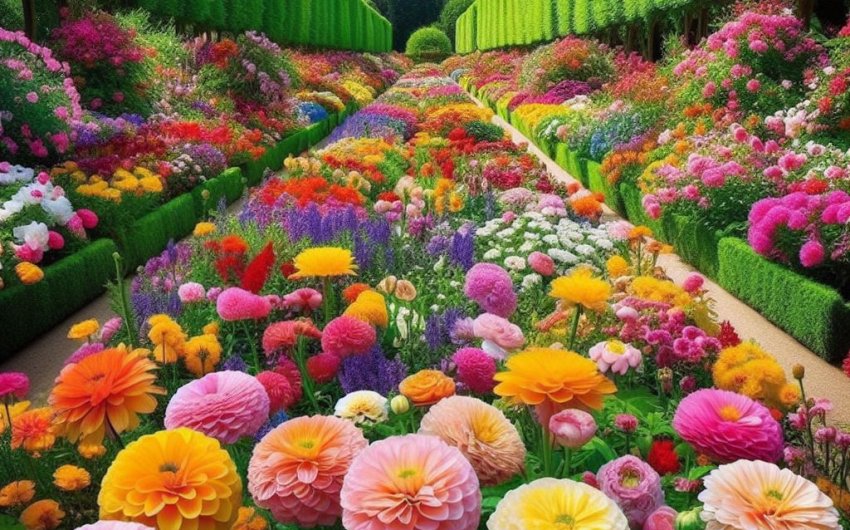
For a stunning cut flower garden that consistently provides beautiful bouquets, focus on incorporating 10 must-have flowers known for their prolific blooming, excellent vase life, and diverse forms. These reliable choices form the backbone of a successful cutting garden, ensuring you always have fresh blooms to enjoy.
What Makes a Flower a "Must-Have" for Cutting?
To build a stunning cut flower garden, understanding what makes a flower a "must-have" for cutting is crucial. It's not just about beauty; it's about specific characteristics that ensure a bountiful harvest and long-lasting bouquets.
What is a Good Vase Life and Why is it Important?
A good vase life refers to how long a cut flower remains fresh and vibrant in a vase of water, typically measured in days. It is incredibly important for cut flowers because it directly impacts your enjoyment and the value of your homegrown blooms.
- Longevity: A flower with a good vase life (often 5-10 days or more) means your bouquets stay beautiful for an extended period, making your effort worthwhile.
- Freshness: It ensures the flowers remain turgid (firm), vibrant in color, and continue to absorb water effectively, resisting wilting and premature fading.
- Economic Value: If you're growing for sale or events, good vase life is a key selling point. Even for home use, it maximizes the "return" on your gardening investment.
- Arrangement Stability: Flowers that last well provide a stable foundation for mixed arrangements, as you don't have to replace them frequently.
Selecting flowers known for their longevity is a primary consideration for a stunning cut flower garden.
Why are Prolific Blooming and Long Stems Desirable?
Prolific blooming and long, sturdy stems are highly desirable characteristics for cut flowers, directly contributing to a bountiful harvest and ease of arrangement. These traits ensure you have an abundance of usable material for your bouquets.
- Prolific Blooming (Continuous Production):
- Abundance: "Prolific" means the plant produces a large number of flowers over a long season, often responding to cutting by producing even more.
- Continuous Harvest: Ensures you have a steady supply of fresh blooms throughout the growing season, avoiding gaps in your bouquets.
- Less Waiting: You don't have to wait long between harvests from the same plant.
- Long Stems:
- Versatility in Arrangements: Long stems provide flexibility in flower arrangements, allowing for taller, more dramatic designs and easy layering with other flowers.
- Easy to Handle: They are easier to cut, handle, and place in a vase.
- Optimal Cutting: Long stems mean you can make the appropriate "deep cut" (cutting low on the plant) to encourage the plant to produce more strong stems.
- Sturdy Stems:
- Support: Strong stems hold the flower head upright, preventing drooping in the vase.
- Ease of Arranging: Easier to work with in bouquets without bending or breaking.
- Weather Resistance: Sturdy stems in the garden are less prone to damage from wind or rain.
Prioritizing flowers with these traits ensures you have an endless supply of high-quality material for a stunning cut flower garden.
What Other Qualities Make a Flower Ideal for Cutting?
Beyond vase life, prolific blooming, and long stems, several other qualities make a flower ideal for cutting, contributing to its versatility, beauty, and overall value in a bouquet. These traits enhance the appeal of your homegrown blooms.
- Variety of Forms and Textures: Having a mix of flower shapes (round, spiky, feathery, daisy-like) and textures (smooth, ruffled, papery) is crucial for creating dynamic and visually interesting bouquets.
- Diverse Color Palette: Choose flowers in a wide range of colors, or focus on a specific color scheme, to allow for diverse arrangements.
- Disease Resistance: Plants that are naturally resistant to common diseases (like powdery mildew or black spot) perform better in the garden and reduce the need for chemical interventions.
- Fragrance (Optional but Desirable): Some cut flowers (e.g., sweet peas, peonies) add a delightful aroma to arrangements, enhancing the sensory experience.
- Ease of Growth: For a stunning cut flower garden, it helps to choose flowers that are relatively easy to grow from seed or transplant, especially for beginners.
- Minimal Shedding: Flowers that don't drop petals excessively keep arrangements tidier.
- Ability to Withstand Handling: Flowers should be reasonably robust to handle harvesting, arranging, and transport without damage.
- Pinch or Support Responsiveness: Flowers that respond well to pinching (for bushiness) or support systems (for straight stems) are more valuable.
Considering these qualities ensures your cut flower garden is both productive and yields flowers perfectly suited for beautiful bouquets.
What Are the 10 Must-Have Flowers for a Stunning Cut Flower Garden?
To help you design your stunning cut flower garden, here are 10 must-have flowers renowned for their exceptional qualities that make them perfect for cutting. This curated list provides a diverse range of forms, colors, and ease of growth.
1. Zinnia: The Prolific Powerhouse for Endless Blooms
Zinnia (Zinnia elegans) is arguably the most prolific and indispensable flower for a stunning cut flower garden, offering an incredible array of colors and forms on sturdy stems, and producing endless blooms from summer until frost.
- Why it's a Must-Have:
- Prolific Bloomer: The more you cut zinnias, the more they produce, making them a true "cut-and-come-again" flower.
- Vase Life: Excellent vase life, often 7-10 days.
- Color & Form: Available in a rainbow of colors (except true blue) and diverse forms (single, double, dahlia-flowered, cactus-flowered, pompon).
- Ease of Growth: Very easy to grow from zinnia seeds (direct sow or transplant).
- Attracts Pollinators: A magnet for butterflies.
- Best Varieties for Cutting: 'Benary's Giant' series, 'Queen Lime' series, 'State Fair'.
- Care Tip: Pinch young plants to encourage bushier growth and more cutting stems.
Zinnias are a foundational flower that every cutting gardener should grow for abundant and vibrant bouquets.
2. Cosmos: The Airy, Elegant Filler
Cosmos (Cosmos bipinnatus) is an elegant, airy filler flower that brings a delicate charm and profusion of blooms to any stunning cut flower garden, providing long, slender stems in a range of colors.
- Why it's a Must-Have:
- Graceful Form: Their daisy-like flowers and feathery foliage add a light, ethereal touch to bouquets.
- Prolific Bloomer: Blooms continuously from summer to frost, especially with frequent cutting.
- Long Stems: Naturally produces long, sturdy stems perfect for arrangements.
- Color Variety: Available in shades of pink, purple, white, yellow, and orange.
- Ease of Growth: Easy to grow from cosmos seeds.
- Best Varieties for Cutting: 'Sensation Mix', 'Cupcakes', 'Double Click'.
- Care Tip: Pinch young plants to encourage branching.
Cosmos are indispensable for adding a touch of romance and lightness to your homegrown arrangements.
3. Snapdragon: Vertical Interest and Texture
Snapdragon (Antirrhinum majus) provides stunning vertical interest and unique texture to a stunning cut flower garden, with its tall, spiky blooms in a breathtaking array of colors. It's a reliable bloom that adds height and structure to bouquets.
- Why it's a Must-Have:
- Vertical Element: Essential for adding height and a linear dynamic to arrangements.
- Vase Life: Excellent vase life, often 7-10 days.
- Color Range: Comes in almost every color except true blue.
- Re-bloomer: Many varieties will produce side shoots and re-bloom after the main spike is cut.
- Cool Season Tolerant: Can tolerate cooler temperatures, often providing early and late season blooms.
- Best Varieties for Cutting: 'Rocket' series, 'Madame Butterfly' series, 'Potomac' series.
- Care Tip: Pinch young plants (when 4-6 inches tall) to encourage multiple strong stems. Provide support for tall varieties (e.g., netting).
Snapdragons are crucial for creating dynamic and professional-looking floral designs.
4. Celosia: Unique Texture and Bold Color
Celosia (Celosia argentea) is a must-have for a stunning cut flower garden for its unique, otherworldly textures and incredibly vibrant, long-lasting colors, bringing an exotic and eye-catching element to arrangements.
- Why it's a Must-Have:
- Exceptional Texture: Available in distinctive forms: 'Crested' (cockscomb), 'Plumed' (feathery), and 'Wheat' (spiky).
- Vibrant Color: Offers intense, saturated colors that hold well in arrangements and can even dry beautifully.
- Long Vase Life: Extremely long vase life, often 10-14 days or more.
- Warm Weather Lover: Thrives in heat, providing color when some other flowers fade.
- Best Varieties for Cutting: 'Cramer's Amazon', 'Chief' series, 'Flamingo Feather', 'Bombay' series.
- Care Tip: Pinching can encourage more blooms, but some varieties are best grown for a single large central stem.
Celosia provides an unparalleled sculptural and colorful element to your homegrown bouquets.
5. Sunflowers: Bold Impact and Cheerful Giants
Sunflowers (Helianthus annuus) are iconic for a stunning cut flower garden, bringing bold impact, cheerful color, and impressive height to any arrangement. Modern breeding has also introduced multi-branching varieties perfect for cutting.
- Why it's a Must-Have:
- Dramatic Impact: Their large, cheerful blooms make a statement.
- Color & Size: Classic yellows, but also available in shades of orange, red, bronze, and bicolor, in various head sizes.
- Ease of Growth: Very easy to grow from sunflower seeds (direct sow).
- Fast Growing: Provides quick results for enthusiastic gardeners.
- Multi-Branching Varieties: New cultivars offer multiple stems per plant, ideal for cutting.
- Best Varieties for Cutting: 'ProCut' series (single stem), 'Autumn Beauty' (multi-branching), 'Lemon Queen'.
- Care Tip: For single-stem varieties, plant closely. For multi-branching, pinch at about 12 inches tall for more blooms. Provide support for very tall varieties.
Sunflowers are essential for adding a burst of sunshine and rustic charm to your bouquets.
6. Sweet Peas: Fragrance and Delicate Beauty
Sweet Peas (Lathyrus odoratus) are a must-have for a stunning cut flower garden due to their enchanting fragrance and delicate, ruffled blooms, bringing unparalleled sensory appeal to any arrangement.
- Why it's a Must-Have:
- Exceptional Fragrance: Highly scented, filling a room with their sweet perfume.
- Delicate Beauty: Intricate, ruffled flowers in a range of pastel and vibrant colors.
- Prolific Bloomer: The more you cut, the more they produce.
- Vining Habit: Requires support (trellis, netting) but yields abundant long stems.
- Best Varieties for Cutting: 'Spencer' types (large, ruffled blooms), 'Old Spice' (intensely fragrant heirloom).
- Care Tip: Provide sturdy vertical support. Keep consistently moist. Harvest frequently.
Sweet peas offer a touch of classic elegance and an intoxicating aroma that elevates any bouquet.
7. Ammi majus (False Queen Anne's Lace): Airy Filler
Ammi majus, commonly known as False Queen Anne's Lace, is a graceful and essential filler flower for a stunning cut flower garden, providing delicate, lacy white umbels that add an airy, wild, and natural touch to arrangements.
- Why it's a Must-Have:
- Lacy Texture: Creates a soft, cloud-like texture that complements bolder blooms.
- Versatile Filler: Works with almost any flower style or color palette.
- Ease of Growth: Easy to grow from Ammi majus seeds (direct sow).
- Long Vase Life: Provides a sturdy structure for bouquets.
- Best Varieties for Cutting: Simply 'Ammi majus'.
- Care Tip: Direct sow in spring or fall. Provide support for very tall varieties, as they can get leggy.
Ammi majus is invaluable for adding natural texture and a touch of wild elegance to your homegrown arrangements.
8. Eucalyptus: Essential Foliage and Aroma
Eucalyptus (Eucalyptus cinerea, E. gunnii, etc.) is a must-have for a stunning cut flower garden not for its flowers, but for its essential, long-lasting foliage and distinctive aroma, providing a modern, silvery-blue element that elevates any bouquet.
- Why it's a Must-Have:
- Stunning Foliage: Silvery-blue, often round or oval leaves add unique color and texture.
- Long Vase Life: Exceptionally long-lasting in arrangements, often drying beautifully.
- Aromatic: Releases a refreshing, clean scent.
- Modern Aesthetic: Provides a popular contemporary look to bouquets.
- Versatile: Pairs well with almost any flower.
- Best Varieties for Cutting: 'Silver Drop', 'Baby Blue', 'True Blue'. (Often grown as an annual in colder climates, or a tender perennial).
- Care Tip: Pinch young plants to encourage more branching and abundant foliage. Can be grown from eucalyptus seeds or small plants.
Eucalyptus is an indispensable foliage element that brings a professional and stylish finish to your bouquets.
9. Rudbeckia (Black-Eyed Susan): Cheerful and Hardy
Rudbeckia, particularly varieties of Black-Eyed Susan (Rudbeckia hirta, R. fulgida), is a cheerful and hardy perennial (or annual/biennial) that is a must-have for a stunning cut flower garden, providing vibrant color and a sunny disposition.
- Why it's a Must-Have:
- Cheerful Blooms: Classic daisy-like flowers, typically bright yellow with a dark center, bring a burst of sunny color.
- Long Bloom Season: Blooms from mid-summer into fall.
- Hardy and Resilient: Extremely tough plants that tolerate various conditions.
- Good Vase Life: Lasts well in arrangements.
- Attracts Pollinators: A favorite of bees and butterflies.
- Best Varieties for Cutting: 'Indian Summer', 'Prairie Sun', 'Sahara'.
- Care Tip: Deadhead spent blooms to encourage more flowering. Can self-seed.
Rudbeckia provides a reliable, long-lasting splash of cheerful yellow that anchors summer and fall bouquets.
10. Dahlias: Exquisite Form and Endless Variety
Dahlias are truly exquisite and diverse, making them a must-have for a stunning cut flower garden for their endless variety of forms, sizes, and colors, providing show-stopping blooms from mid-summer until the first hard frost.
- Why it's a Must-Have:
- Unrivaled Diversity: Available in an astonishing array of forms (dinnerplate, ball, pompon, cactus, waterlily) and colors.
- Show-Stopping Blooms: Produce some of the most dramatic and beautiful flowers for arrangements.
- Prolific Bloomer: Produces abundantly once established, especially with frequent cutting.
- Good Vase Life: Many varieties have excellent vase life.
- Best Varieties for Cutting: Depends on desired form, but look for 'Cafe au Lait', 'Karma Sangria', 'Cornell'.
- Care Tip: Requires pinching when young, frequent harvesting, and often staking or netting for support. In cold climates, tubers must be dug and stored over winter. Can be grown from dahlia tubers.
Dahlias are the undisputed queens of the late-season cutting garden, providing unparalleled beauty and variety.
How Do You Plan and Care for a Continuous Cut Flower Harvest?
To fully harness the potential of these 10 must-have flowers for a stunning cut flower garden, you need to combine careful planning with consistent care techniques. This ensures a continuous, high-quality harvest for all your bouquets.
How Do You Plan for a Succession of Blooms?
Planning for a succession of blooms is a vital strategy to ensure your stunning cut flower garden provides fresh flowers throughout the entire growing season, rather than having bursts of bloom followed by lulls. It involves strategic planting timelines.
- Start Early/Cool Season Flowers:
- Hardy Annuals: Sow seeds of cool-season tolerant annuals (e.g., Snapdragons, Sweet Peas, Ammi majus, Nigella) indoors 6-8 weeks before the last frost, or direct sow outside in early spring/fall for earliest blooms.
- Perennials/Biennials: Rely on perennials (e.g., Peonies, Delphiniums, Foxgloves) for your initial spring and early summer flush.
- Mid-Season Warmth Lovers:
- Summer Annuals: Once the danger of frost has passed and soil is warm, sow or transplant your heat-loving annuals (Zinnias, Cosmos, Celosia, Sunflowers). These will be your main summer producers.
- Succession Planting: For many prolific annuals (Zinnias, Cosmos, Snapdragons, Celosia), make small plantings every 2-4 weeks. This ensures that as one batch finishes its peak, another is coming into bloom. For example, plant a short row of zinnias every 3 weeks from late spring until mid-summer.
- Extend the Season:
- Fall Planting: In milder climates, plant some cool-season annuals in late summer/early fall for a late-season or early-spring bloom.
- Hardy Perennials: Continue to rely on hardy perennials like Rudbeckia and Echinacea for fall blooms.
By meticulously planning your planting schedule, you guarantee a continuous supply of blooms galore for your cutting garden.
What are the Best Practices for Harvesting to Encourage More Blooms?
Best practices for harvesting to encourage more blooms are crucial for maximizing the yield from your stunning cut flower garden. Frequent, strategic cutting actually stimulates the plant to produce more flowers.
- Cut Deeply: When harvesting, make your cut low on the plant, just above a strong leaf node or a developing side shoot. Don't just snip off the flower head. This encourages the plant to send up new, longer stems.
- Use Sharp, Clean Tools: Always use clean, sharp pruning snips or floral shears. Dull tools can crush stems, hindering water uptake. Sterilize between plants to prevent disease spread.
- Harvest Frequently: This is the golden rule for many annuals. The more you cut flowers like Zinnias, Cosmos, and Celosia, the more they will produce. This prevents the plant from putting energy into seed production.
- Harvest at the Right Stage: Cut flowers when they are just beginning to open, but not fully open, to ensure the longest vase life. Check for open petals but no visible pollen on most blooms.
- Place Immediately in Water: Have a bucket of water with flower food (or a DIY solution) ready in the garden. Plunge freshly cut stems directly into the water to prevent air bubbles from forming in the stems.
- Remove Lower Foliage: Remove any leaves that will fall below the water line in your collection bucket to prevent rotting and bacterial growth.
Consistent, strategic harvesting ensures your plants remain productive and your garden continuously offers blooms galore.
How Do You Manage Pests and Diseases Naturally in a Cutting Garden?
Managing pests and diseases naturally is paramount in a cutting garden, especially since these flowers often go indoors. Organic methods protect your blooms, your home, and the environment, ensuring a truly stunning cut flower garden.
- Good Cultural Practices (Prevention is Key!):
- Healthy Soil: Start with rich, well-draining soil, heavily amended with compost. Healthy soil grows strong plants resistant to pests and diseases.
- Proper Spacing: Don't overcrowd plants. Good air circulation helps prevent fungal diseases.
- Watering: Water deeply at the base of plants in the morning. Avoid overhead watering late in the day. A soil moisture meter can help.
- Sanitation: Promptly remove and discard (do not compost diseased material) any diseased foliage or spent blooms. Keep the garden area clean.
- Rotate Crops: Rotate annual crops each year to prevent disease buildup in the soil.
- Physical and Mechanical Control:
- Hand-Picking: Inspect plants regularly and hand-pick larger pests (e.g., caterpillars, slugs).
- Strong Water Spray: For aphids or spider mites, a strong blast of water from a hose can dislodge them.
- Sticky Traps: Use yellow sticky traps for garden pests to monitor and catch flying insects like whiteflies or thrips.
- Organic Sprays (Targeted):
- Insecticidal Soap: Effective against soft-bodied pests like aphids, spider mites, mealybugs. Use a natural insecticidal soap spray.
- Neem Oil: Acts as an insecticide, repellent, and growth disruptor for a wider range of pests. Use a neem oil spray for plants.
- Diatomaceous Earth: For crawling pests, sprinkle food-grade diatomaceous earth on soil (only effective when dry).
- Encourage Beneficial Insects: Plant flowers that attract beneficial insects (e.g., dill, cosmos, yarrow) that prey on pests.
An Integrated Pest Management (IPM) approach ensures your flowers are healthy, beautiful, and safe for your home, providing blooms galore for your cutting garden.