
From Seed to Vase: A Beginner's Guide to Growing Cut Flowers
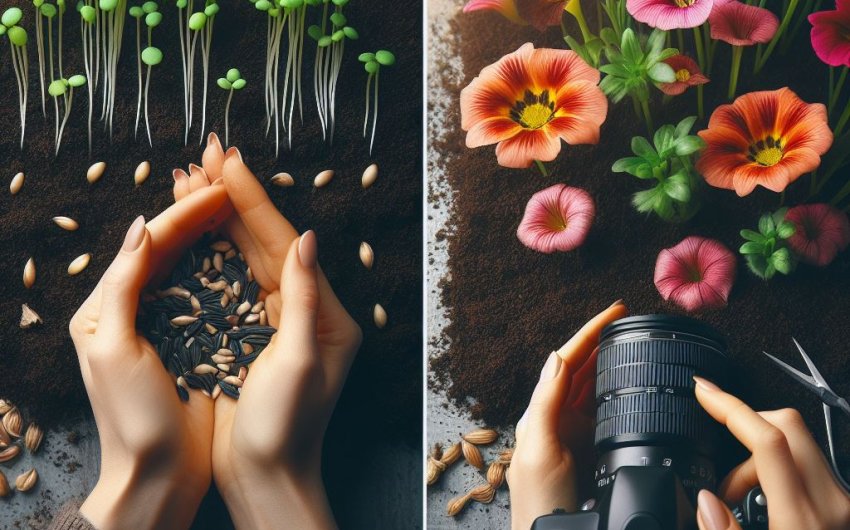
To successfully navigate from seed to vase and grow beautiful cut flowers, beginners should focus on careful planning, selecting easy-to-grow varieties, and understanding the basic principles of planting, nurturing, and harvesting. This comprehensive guide will walk you through every step of growing cut flowers, ensuring a rewarding harvest of blooms for your home.
What is a Cut Flower Garden and Why Start One?
A cut flower garden is a dedicated planting space specifically designed for growing flowers to be harvested and brought indoors for arrangements and bouquets. For beginners, starting one offers immense satisfaction and a continuous supply of fresh, beautiful blooms.
What are the Key Benefits of Growing Your Own Cut Flowers?
Growing your own cut flowers offers numerous key benefits that extend beyond just aesthetics, enhancing your home, saving money, and connecting you deeply with nature. It's a rewarding hobby for any gardener.
- Continuous Supply of Fresh Blooms: The most immediate and satisfying benefit. A well-tended cut flower garden provides a steady stream of beautiful, fresh flowers throughout the growing season, eliminating the need to buy them.
- Cost Savings: Regularly purchasing bouquets from florists can become expensive. Growing your own is far more economical, especially if you enjoy having fresh flowers in your home frequently.
- Wider Variety and Unique Blooms: You gain access to a much wider range of flower varieties, colors, and forms than are typically found at commercial florists or grocery stores. Many heirloom, specialty, or unique color variations are only available if you grow them yourself.
- Unbeatable Freshness and Longevity: Homegrown flowers, when cut at their peak and properly conditioned, often last significantly longer in a vase than store-bought flowers that have traveled long distances.
- Control Over Chemicals: You have complete control over how your flowers are grown, allowing you to cultivate truly organic and chemical-free blooms that are safe for your home and family.
- Therapeutic Hobby: Gardening, especially tending to vibrant flowers, is a proven stress-reducer and a deeply satisfying activity that fosters a connection to the natural world.
- Thoughtful Gifts: Freshly cut bouquets from your own garden make personal, heartfelt gifts for friends, family, and neighbors.
- Supports Pollinators: Many cut flowers also provide valuable nectar and pollen for beneficial insects and pollinators in your garden, contributing to local biodiversity.
The joy and abundance of growing cut flowers from seed to vase are truly unmatched.
How Does a Dedicated Garden Maximize Your Bloom Harvest?
A dedicated cut flower garden maximizes your bloom harvest because it is specifically designed and managed with the sole purpose of producing as many high-quality flowers as possible, rather than simply being part of a decorative landscape. This focused approach leads to a much more abundant and continuous yield.
- Optimized Spacing: Flowers intended for cutting are typically planted closer together in rows or blocks than they would be in a traditional ornamental garden. This maximizes the number of plants you can grow in a given space, similar to a vegetable patch.
- Ease of Access and Harvesting: Laying out beds in rows with clear pathways allows for easy access to cut flowers without damaging other plants. This encourages frequent harvesting, which for many flowers, actually stimulates more bloom production.
- Tailored Fertility and Nutrients: Cut flower beds are often heavily amended with compost and fertilized regularly with a flower garden fertilizer to support continuous, energy-intensive blooming.
- "Cut-and-Come-Again" Encouragement: Many annual cut flowers (e.g., zinnias, cosmos, sweet peas) produce more blooms the more you cut them. A dedicated plot encourages this practice without leaving unsightly gaps in your display beds.
- Support Systems: It's easier to implement support systems (netting, staking) in a dedicated cutting garden to keep tall flowers upright and stems straight for better vase life.
- Succession Planting: A dedicated plot makes it straightforward to practice succession planting, ensuring a continuous harvest throughout the season by planting new batches of seeds every few weeks.
By intentionally designing for production, a dedicated garden becomes a highly efficient "flower factory," providing ample blooms to take from seed to vase.
What Are the First Steps for Planning Your Cut Flower Garden?
The first steps for planning your cut flower garden are crucial for beginners, laying the foundation for success before you even put a seed in the ground. Careful thought about location, size, and what you want to grow will streamline your gardening journey.
Where is the Best Location to Start Your Garden?
Choosing the best location to start your cut flower garden is the most critical planning decision, as flowers, especially those grown for cutting, have specific environmental needs that directly impact their growth and prolificacy.
Ideal location characteristics:
- Full Sun: This is paramount. Select a spot that receives at least 6-8 hours of direct, unobstructed sunlight per day. Most flowering plants need intense sun to produce abundant, healthy blooms. Less sun will result in fewer, smaller flowers and leggier plants.
- Well-Drained Soil: Flowers thrive in soil that drains well. Avoid low-lying areas where water might collect, as this can lead to root rot.
- Protection from Strong Winds (Optional): While not strictly necessary, a location with some protection from strong winds (e.g., near a fence, hedge, or building) can prevent damage to tall flower stalks.
- Accessible: Choose a location that is easy to reach for planting, weeding, watering, and, most importantly, frequent harvesting. You'll be visiting this garden often!
- Near a Water Source: Easy access to a garden hose or watering can is highly beneficial, as cut flowers (especially annuals) are often heavy drinkers.
Careful site selection creates the foundation for a productive and thriving cut flower garden, right from seed to vase.
How Do You Prepare the Soil for Optimal Flower Growth?
Preparing the soil for optimal flower growth is one of the most critical steps in starting your cut flower garden. Rich, well-draining, and fertile soil is essential to support the vigorous growth and abundant blooming required for continuous harvesting.
Steps for soil preparation:
- Clear the Area: Remove all weeds, rocks, and debris from your chosen garden plot.
- Soil Test (Recommended): Consider a soil test kit to understand your soil's current pH and nutrient levels. This guides your amendments. Most flowers prefer a slightly acidic to neutral pH (6.0-7.0).
- Loosen the Soil: Dig or till the soil to a depth of at least 8-12 inches (20-30 cm). This improves aeration and allows roots to grow deep.
- Incorporate Organic Matter: This is the most important step. Thoroughly mix in generous amounts of high-quality compost or well-rotted manure (2-4 inches deep) into the entire bed.
- Benefits: Organic matter drastically improves soil structure, drainage, water retention, and provides a slow-release source of nutrients.
- Adjust pH (if needed): Based on your soil test, add agricultural lime (to raise pH) or elemental sulfur/peat moss (to lower pH) as recommended.
- Add Balanced Fertilizer (Optional): If your soil test indicates deficiencies, or if you want an extra boost, incorporate a balanced granular fertilizer (e.g., 5-10-5 or 10-10-10) before planting.
Investing in thorough soil preparation upfront will provide the optimal growing conditions for a continuous display of flowers, nurturing them from seed to vase.
Which Easy-to-Grow Flowers are Best for Beginners?
For beginners diving into growing cut flowers, selecting easy-to-grow flowers is paramount for a rewarding and confidence-building experience. These resilient varieties are forgiving of mistakes and offer abundant blooms with minimal fuss.
| Flower Name | Type | Light Needs | Key Features (for cutting) |
|---|---|---|---|
| Zinnia (Zinnia elegans) | Annual | Full Sun | Prolific, many colors/forms, long vase life, cut-and-come-again. Easy from zinnia seeds. |
| Cosmos (Cosmos bipinnatus) | Annual | Full Sun | Airy, elegant, long stems, many colors, cut-and-come-again. Easy from cosmos seeds. |
| Sunflower (Helianthus annuus) | Annual | Full Sun | Bold impact, cheerful, multi-branching varieties for cuts. Easy from sunflower seeds. |
| Marigold (Tagetes erecta/patula) | Annual | Full Sun | Cheerful, good fillers, pest-repelling. Easy from seed. |
| Bachelors Buttons (Centaurea cyanus) | Annual | Full Sun | Delicate cornflower-like blooms, easy to grow. |
| Celosia (Celosia argentea) | Annual | Full Sun | Unique textures (plume, cockscomb), vibrant colors, long vase life. Easy from seed. |
| Rudbeckia (Rudbeckia hirta) | Annual/Perennial | Full Sun | Cheerful daisy-like, tough, long bloom time. Easy from seed. |
| Snapdragon (Antirrhinum majus) | Annual | Full Sun to Partial Sun | Vertical spikes, many colors, re-blooms with cutting. |
Starting with a selection of these dependable flowers will set you up for success in your cut flower garden, ensuring beautiful bouquets from seed to vase.
How Do You Plant Your Cut Flowers Effectively?
Once your garden bed is prepared, planting your cut flowers effectively ensures strong root development, optimal spacing, and a good start for abundant bloom production. This step sets your plants up for success as they grow from seed to vase.
What is the Difference Between Direct Sowing and Transplanting?
Understanding the difference between direct sowing and transplanting is crucial for successful cut flower gardening, as different flowers thrive with different planting methods. Each has its own advantages and timing considerations.
- Direct Sowing:
- Method: Planting seeds directly into the prepared garden bed where they will grow to maturity.
- Best for:
- Hardy annuals with fast germination (e.g., Zinnias, Cosmos, Sunflowers, Marigolds, Ammi majus, Nigella).
- Flowers that dislike root disturbance (e.g., Poppies, Larkspur, Sweet Peas).
- Larger seeds that are easy to handle.
- Timing: After the last spring frost, when soil temperatures are warm enough for germination (check seed packet for specifics). Some hardy annuals can be fall-sown.
- Pros: Less labor-intensive, less transplant shock, often stronger root systems initially.
- Cons: Slower to bloom, vulnerable to pests and diseases as young seedlings, requires careful weeding.
- Transplanting (Starting Seeds Indoors):
- Method: Starting seeds indoors in seedling trays under controlled conditions, then moving the young plants (seedlings) to the outdoor garden.
- Best for:
- Tender annuals that need a longer growing season (e.g., Lisianthus, Celosia, Snapdragons).
- Flowers with long germination times or difficult germination.
- To get an early start on the growing season.
- Timing: Start indoors typically 6-8 weeks before the last expected spring frost. Transplant outdoors after all danger of frost has passed and plants have been hardened off.
- Pros: Earlier blooms, protected from early pests/diseases, stronger plants when transplanted.
- Cons: Requires indoor setup (grow lights, heat mats), more labor-intensive, potential for transplant shock.
Choose the appropriate method for each flower to ensure optimal growth and bloom production.
How Do You Properly Space and Support Cut Flowers?
Properly spacing and supporting cut flowers are critical techniques that prevent overcrowding, promote strong, straight stems, and maximize the yield of usable blooms for your arrangements. These practices are essential for an abundant harvest.
- Spacing:
- Closer Planting: Cut flowers are often planted closer together than ornamental plants. This encourages them to grow taller, reaching for light, which results in longer, straighter stems – ideal for cutting.
- Refer to Seed Packets: Always follow the specific spacing recommendations on your seed packets or plant tags, but know that for cutting, you can often plant at the lower end of the recommended range.
- Block Planting: Planting in blocks (e.g., a grid) rather than single rows maximizes production in a given area.
- Support Systems:
- Why Support is Needed: Many tall cut flowers have heavy blooms and can easily flop over in wind or rain, resulting in bent or broken stems that are unusable for bouquets.
- Horticultural Netting: The most common and effective method for rows or blocks.
- Install sturdy stakes (metal T-posts or strong bamboo) at the ends of your beds.
- Stretch horticultural netting horizontally between the stakes.
- Install the first layer of netting when plants are 6-12 inches tall. Add subsequent layers as plants grow (e.g., every 6-12 inches).
- Plants grow through the netting, which supports their stems.
- Staking: Individual staking can be used for very tall or heavy-headed flowers (e.g., Dahlias, some Delphiniums).
- Corral/Grid: Use stakes and twine to create a "corralling" grid around groups of plants.
Proper spacing and timely support systems ensure your cut flowers grow upright with beautiful, straight stems, perfect for a long vase life.
What is Hardening Off and Why is it Important for Seedlings?
Hardening off is the gradual process of acclimating indoor-started seedlings to outdoor conditions (sun, wind, cooler temperatures) before permanently planting them in the garden. It is incredibly important because it prevents transplant shock and ensures the seedlings thrive outdoors.
- Why it's Important:
- Transplant Shock: Seedlings grown indoors are pampered. Moving them directly outside to harsh sun, wind, and fluctuating temperatures can cause severe stress, stunting growth, scorching leaves, or even killing the plant.
- Builds Resilience: Hardening off strengthens plant tissues, toughens cell walls, and makes them more resilient to the outdoor environment.
- Step-by-Step Hardening Off Process (Typically 1-2 Weeks):
- Start Gradually: About 1-2 weeks before transplanting, begin by placing seedlings outdoors in a sheltered, shady spot for 1-2 hours on a mild day.
- Increase Exposure: Each day, gradually increase the time they spend outdoors and expose them to slightly more direct sunlight and wind.
- Nighttime: Bring them indoors at night, especially if temperatures are still cool.
- Final Days: Towards the end of the hardening-off period, leave them outdoors overnight (if nighttime temperatures are safe) and expose them to full sun for several hours.
- Monitor: Watch your seedlings for signs of stress (wilting, leaf scorch) and adjust exposure accordingly.
- Tools: A cold frame is an excellent tool for hardening off, providing a protected environment.
Hardening off is a crucial step for any indoor-started seedlings, ensuring a smooth transition and robust growth from seed to vase.
How Do You Nurture Your Cut Flowers for Abundant Blooms?
To ensure a continuous supply of beautiful flowers for your bouquets, nurturing your cut flowers for abundant blooms involves consistent care practices: proper watering, balanced feeding, and strategic pruning. These actions keep plants healthy and highly productive.
What are the Best Watering and Fertilizing Practices?
Best watering and fertilizing practices are crucial for nurturing cut flowers, supporting their vigorous growth and the intense energy demands of continuous blooming. Consistent moisture and balanced nutrition are key for a prolific harvest.
- Watering:
- Consistent Moisture: Cut flowers, especially annuals, need consistent and adequate moisture, particularly during dry spells. Do not let them completely dry out.
- Deep Watering: Water deeply and thoroughly at the base of the plants, encouraging deep root growth. Aim for about 1 inch (2.5 cm) of water per week from rain or irrigation.
- Avoid Overhead Watering: Water early in the morning to allow foliage to dry, which helps prevent fungal diseases. Overhead watering can damage delicate blooms.
- Drip Irrigation/Soaker Hoses: Highly recommended for efficiency, delivering water directly to the roots and keeping foliage dry. A drip irrigation kit for flower garden is a great investment.
- A soil moisture meter can help you gauge when to water.
- Fertilizing:
- Heavy Feeders: Cut flowers are often heavy feeders due to their constant blooming.
- Balanced Start: Incorporate a balanced granular flower garden fertilizer (e.g., 5-10-5 or 10-10-10) into the soil at planting time.
- Regular Feeding (During Blooming): Once plants start blooming, provide regular supplemental feeding every 2-4 weeks.
- Liquid Feed: Use a liquid flower fertilizer (e.g., higher in phosphorus for blooms).
- Organic Options: Top dress with compost or apply compost tea.
- Avoid Excessive Nitrogen: Too much nitrogen will promote leafy growth at the expense of flowers.
- Reduce in Fall: Stop fertilizing in late summer/early fall to allow perennials to harden off for winter.
Optimal watering and feeding ensure your cut flowers have the energy and nutrients needed for peak production.
How Does Pinching and Deadheading Promote More Blooms?
Pinching and deadheading are crucial pruning techniques that promote more blooms and bushier growth in many cut flowers, ensuring a continuous and abundant harvest for your bouquets. These methods redirect the plant's energy.
- Pinching:
- What it is: Removing the central growing tip of a young plant.
- Why it's done: This encourages the plant to produce multiple side branches instead of one main stem. This results in a bushier plant with more (but often slightly smaller) flowers, and crucially, longer, more usable stems for cutting.
- When to Pinch: For many annuals (e.g., Zinnias, Cosmos, Snapdragons, Dahlias), once the plant has 3-5 sets of true leaves, pinch off the central tip just above a leaf node.
- Method: Use clean, sharp pruning snips to make a clean cut.
- Deadheading:
- What it is: Removing spent or faded flowers from the plant.
- Why it's done: If spent flowers are left on the plant, it will put its energy into producing seeds. By removing them, you trick the plant into producing more flowers in an attempt to make seeds.
- When to Deadhead: As soon as a flower begins to fade.
- Method: Cut the spent flower stem back to a strong side shoot or leaf node.
- Note: In a dedicated cutting garden, you'll be frequently harvesting, which often acts as a form of continuous deadheading!
Pinching and deadheading are simple but powerful techniques for ensuring a prolific and long-lasting display of blooms.
How Do You Manage Pests and Diseases Naturally?
Managing pests and diseases naturally is essential in a cut flower garden, especially since these flowers are brought indoors. Organic methods protect your blooms, your home, and the environment, ensuring healthy plants from seed to vase.
- Prevention (First Line of Defense):
- Healthy Soil: Build rich, well-draining soil with plenty of compost. Healthy plants are more resistant.
- Proper Spacing: Don't overcrowd. Good air circulation prevents fungal diseases.
- Watering: Water at the base in the morning. Avoid overhead watering.
- Sanitation: Promptly remove and discard (do not compost diseased material) any diseased foliage or spent blooms. Keep the garden area clean.
- Rotate Crops: Rotate annual crops each year to prevent disease buildup.
- Physical and Mechanical Control:
- Hand-Picking: Regularly inspect plants and hand-pick larger pests (e.g., caterpillars, slugs).
- Strong Water Spray: For aphids or spider mites, a strong blast of water from a hose can dislodge them.
- Sticky Traps: Use yellow sticky traps for garden pests to monitor and catch flying insects like whiteflies or thrips.
- Organic Sprays (Targeted):
- Insecticidal Soap: Effective against soft-bodied pests like aphids, spider mites, mealybugs. Use a natural insecticidal soap spray.
- Neem Oil: Acts as an insecticide, repellent, and growth disruptor for a wider range of pests. Use a neem oil spray for plants.
- Diatomaceous Earth: For crawling pests, sprinkle food-grade diatomaceous earth on soil (only effective when dry).
- Encourage Beneficial Insects: Plant flowers that attract beneficial insects (e.g., dill, cosmos, yarrow) that prey on pests.
An Integrated Pest Management (IPM) approach ensures your flowers are healthy, beautiful, and safe for your home.
How Do You Harvest and Care for Cut Flowers for the Longest Vase Life?
The final, rewarding stage of growing cut flowers from seed to vase is learning how to harvest and care for them for the longest vase life. Proper technique ensures your homegrown bouquets stay fresh and beautiful for as long as possible.
What is the Best Time and Method for Harvesting Flowers?
The best time and method for harvesting flowers are critical for maximizing their vase life, ensuring your homegrown blooms remain vibrant and fresh for an extended period. Timing and clean cuts are paramount.
- Best Time to Harvest:
- Early Morning: The ideal time. Flowers are fully hydrated, turgid (firm), and haven't yet been stressed by the heat of the day.
- Late Evening: A second-best option if morning isn't possible. Avoid cutting in the middle of the day when plants are often stressed and less hydrated.
- Optimal Stage of Bloom:
- Most Flowers: Cut when the flower is just beginning to open, about 1/3 to 1/2 open, showing good color but not yet fully expanded. Flowers will continue to open in the vase.
- Exceptions:
- Dahlias, Zinnias, Sunflowers: Cut when fully open.
- Gladiolus, Snapdragons: Cut when 1-3 bottom florets are open.
- Check Pollen: If you see pollen on the petals, the flower is generally past its prime for cutting and its vase life will be shorter.
- Harvesting Method:
- Sharp, Clean Tools: Always use clean, sharp pruning snips or florists' shears. Dull tools can crush stems, which impedes water uptake. A floral snip tool is perfect.
- Angled Cut: Make a clean, angled cut at least 8-12 inches (20-30 cm) below the bloom, preferably just above a leaf node or a strong side shoot. An angled cut prevents the stem from sitting flat on the bottom of the vase, allowing better water absorption.
- Place Immediately in Water: Have a bucket of water (preferably with flower food) ready in the garden. Immediately plunge harvested stems into water to prevent air bubbles from forming in the vascular system, which can block water uptake.
Proper harvesting techniques are the first essential step for ensuring a long and beautiful vase life.
How Do You Condition Cut Flowers for Longevity?
Conditioning cut flowers correctly is a vital post-harvest step for longevity, maximizing their ability to absorb water and stay fresh. This crucial process helps your homegrown blooms last as long as possible in the vase.
- Remove Lower Foliage: Immediately after cutting, remove all leaves that would fall below the water line in your vase. Submerged leaves will rot, contaminating the water and significantly shortening vase life.
- Re-Cut Stems (Optional but Recommended): For best results, especially for soft-stemmed flowers, place the stem end underwater in a sink or bowl and make a fresh cut, about 1 inch (2.5 cm) off the bottom, at an angle. This prevents air bubbles from entering the vascular system, which can block water uptake.
- Use Floral Preservative/Food: Prepare your vase with fresh, cool water and a packet of floral preservative/food. This typically contains:
- Sugar: Provides energy for the flowers.
- Acidifier: Lowers the water's pH, helping stems absorb water more efficiently.
- Bactericide: Inhibits the growth of bacteria in the water, which can clog stems.
- DIY Solution: If you don't have commercial floral food, a simple solution of 1 teaspoon sugar, 1 teaspoon household bleach (as a bactericide), and 2 teaspoons lemon juice (as an acidifier) per quart of water can work.
- Place in Cool Spot for Hydration (The "Hardening" Step): Place your freshly cut and prepared flowers in the vase in a cool, dark spot (e.g., basement, cool room) for several hours (or ideally overnight) to allow them to fully hydrate and "harden." This process allows them to absorb maximum water before being displayed.
- Avoid Direct Sun/Heat: During conditioning, keep flowers away from direct sunlight and heat sources.
These conditioning steps significantly extend the beauty and freshness of your homegrown bouquets.
What are the Best Practices for Displaying and Maintaining Bouquets?
Best practices for displaying and maintaining bouquets ensure that once conditioned, your beautiful cut flowers stay vibrant and last as long as possible, making your efforts of growing cut flowers from seed to vase truly worthwhile.
- Clean Vases: Always use a thoroughly clean vase. Bacteria from previous arrangements can quickly contaminate fresh water and shorten vase life. Wash with soap and water, or a weak bleach solution, and rinse thoroughly.
- Fresh Water Daily: Change the water in your vase daily or every other day. If using floral food, refresh the entire solution every 2-3 days.
- Re-Cut Stems: Every time you change the water, give the flower stems a fresh cut (at an angle, about 1/2 inch off the bottom). This re-opens the vascular system, allowing for better water uptake.
- Remove Spent Blooms/Leaves: Promptly remove any faded or wilting flowers or yellowing leaves from the arrangement. These can release ethylene gas, which hastens the decay of other blooms.
- Keep Away from Heat and Fruit: Display bouquets out of direct sunlight, away from heat sources (vents, electronics, fireplaces), and away from ripening fruit (which releases ethylene gas that accelerates aging in flowers).
- Consider Flower Groupings: Be aware that some flowers (e.g., daffodils, hyacinths) release sap that can be harmful to other flowers. Condition these separately for several hours before adding them to a mixed bouquet.
By following these simple display and maintenance tips, you can extend the joy of your homegrown cut flowers for days, transforming your efforts from seed to vase into long-lasting beauty.