
How to Make Natural Fertilizers with Household Items?
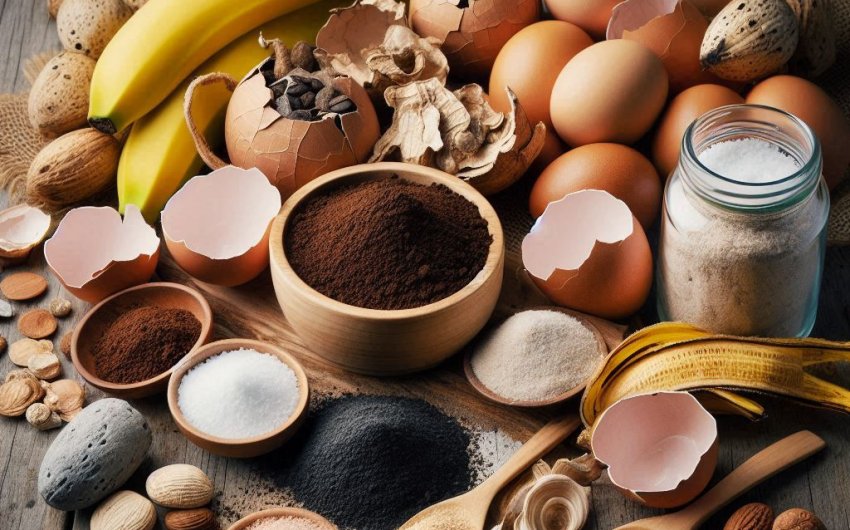
You can make natural fertilizers with household items by repurposing common organic waste like coffee grounds, banana peels, eggshells, and even leftover cooking water. These everyday scraps, when properly prepared, provide essential nutrients that promote healthy plant growth and enrich your garden soil.
Why Make Your Own Natural Fertilizers?
Creating your own natural fertilizers with household items offers a multitude of benefits, from reducing waste to fostering a healthier garden ecosystem.
Cost Savings: Grow More for Less
- Free Nutrients: Many household "waste" products contain valuable nutrients that you would otherwise pay for in commercial fertilizers. This significantly reduces your gardening expenses.
- Budget-Friendly Gardening: Every item you repurpose from your kitchen means less money spent at the garden center.
Environmental Benefits: Reduce, Reuse, Recycle
- Waste Reduction: Diverting food scraps from landfills reduces methane gas emissions and lessens your overall household waste footprint.
- Sustainable Gardening: Using natural, homemade fertilizers supports sustainable and organic gardening practices. You're recycling resources and returning them to the earth in a beneficial way.
- Reduced Chemical Runoff: Avoiding synthetic chemical fertilizers prevents harmful runoff into waterways, protecting local ecosystems.
Improved Soil Health: Feed the Microbes
- Organic Matter: Natural fertilizers, especially those derived from food scraps, add organic matter to the soil. This improves soil structure, aeration, and water retention.
- Microbial Life: Organic matter is food for beneficial soil microbes, fungi, and earthworms. A thriving microbial community creates a healthy, living soil that makes nutrients more available to plants.
- Slow Release: Natural fertilizers release nutrients slowly over time, providing a steady supply for plants and reducing the risk of nutrient burn common with synthetic fertilizers.
Healthier Plants: Stronger and More Resilient
- Balanced Nutrition: While homemade fertilizers might not have precise NPK ratios, they offer a broad spectrum of macronutrients (Nitrogen, Phosphorus, Potassium) and micronutrients (calcium, magnesium, trace elements) that are vital for robust plant growth.
- Enhanced Disease Resistance: Healthy plants grown in rich, living soil are generally more resilient to pests and diseases.
- Better Yields and Flavor: Properly nourished plants produce higher yields of more flavorful fruits and vegetables.
Table: Benefits of Homemade Natural Fertilizers
| Benefit | Description | Impact on Your Garden & Life |
|---|---|---|
| Cost Savings | Utilizes free household "waste" for nutrients | Reduces gardening expenses, saves money |
| Environmental | Reduces landfill waste, sustainable practice | Lower carbon footprint, healthier planet |
| Soil Health | Adds organic matter, feeds microbes, slow release | Improved soil structure, living ecosystem |
| Healthier Plants | Balanced nutrition, improved resilience | Stronger plants, better yields, tastier produce |
What Household Items are Good Sources of Nitrogen?
Nitrogen (N) is crucial for leafy green growth and overall plant vigor. You can find excellent sources right in your kitchen.
Coffee Grounds: A Common Powerhouse
Coffee grounds are a readily available and fantastic source of nitrogen for your plants.
- Nutrient Content: Typically 2% nitrogen by volume, along with some potassium and phosphorus, and various micronutrients like magnesium and copper.
- How to Use:
- Direct Application: Sprinkle a thin layer of used coffee grounds around the base of acid-loving plants (like blueberries, azaleas, hydrangeas, or some roses) or leafy greens. Rake them lightly into the topsoil. Do not apply a thick layer, as they can compact and prevent water penetration.
- Compost Ingredient: Add coffee grounds to your compost pile. They are a "green" (nitrogen-rich) material that helps heat up the pile.
- Liquid Fertilizer (Compost Tea): Steep used coffee grounds in water for a few days to make a diluted "coffee tea." Dilute it further (e.g., 1 part coffee tea to 4 parts water) before watering plants.
- Benefits: Improves soil structure, attracts earthworms, and can deter some pests like slugs and snails (when applied directly).
- Considerations: Use sparingly for non-acid-loving plants, as large amounts can temporarily lower soil pH.
Tea Bags/Loose Tea Leaves: Gentle Feed
Like coffee grounds, tea bags or loose tea leaves provide a gentle boost of nitrogen.
- Nutrient Content: Contain nitrogen, phosphorus, potassium, and trace minerals. They are also slightly acidic.
- How to Use:
- Direct Application: Tear open used tea bags and sprinkle the leaves around plants, or mix dried loose tea leaves into the soil.
- Compost Ingredient: Add used tea bags (remove staples if present) and loose tea leaves to your compost bin.
- Benefits: Adds organic matter, improves soil structure.
Green Tea (Brewed): Liquid Boost
Brewed green tea, when diluted, can offer a mild nitrogen boost.
- How to Use: Let brewed green tea cool. Dilute it with water (e.g., 1 part tea to 5 parts water) and use it to water plants. Avoid using sugary or milk-added tea.
- Benefits: Gentle, readily available nitrogen source.
Table: Household Nitrogen Sources
| Item | Key Nutrient | How to Use (Examples) | Notes |
|---|---|---|---|
| Coffee Grounds | Nitrogen | Sprinkle around plants, add to compost, make "tea" | Use sparingly for non-acid-lovers, avoid thick layers |
| Tea Leaves | Nitrogen | Mix into soil, add to compost | Remove staples from tea bags |
| Green Tea (Brewed) | Nitrogen | Diluted liquid feed | Ensure no sugar or milk is added |
What Household Items Provide Phosphorus and Potassium?
Phosphorus (P) supports root and flower development, while Potassium (K) is vital for overall plant health, fruit production, and disease resistance. Your kitchen often has good sources of both.
Banana Peels: Potassium Powerhouse
Banana peels are an excellent natural source of potassium, which is essential for fruiting plants. They also contain small amounts of phosphorus, calcium, and magnesium.
- How to Use:
- Chopped and Buried: Chop banana peels into small pieces (this speeds up decomposition). Bury them directly in the soil around heavy feeders like tomatoes, peppers, or roses. Burying them prevents pests.
- Banana Peel Tea: Soak chopped banana peels in water for 1-2 weeks. Strain the liquid and use it to water plants. Dilute if the solution is very strong.
- Dried and Powdered: Dry banana peels (in the sun or a low oven) until brittle. Grind them into a powder using a coffee grinder or blender. Sprinkle the powder around plants or mix into soil.
- Compost: Add peels to your compost pile.
- Benefits: Boosts flowering and fruiting.
- Considerations: Peels take time to break down, so plan ahead.
Wood Ash: Potassium and Calcium (Use with Caution)
Wood ash from untreated wood (fireplace, wood stove) is a good source of potassium and calcium.
- Nutrient Content: High in potassium (K) and calcium (Ca). It's also alkaline.
- How to Use:
- Light Dusting: Lightly dust around potassium-loving plants like tomatoes, peppers, or fruit trees.
- Mix into Soil: Incorporate small amounts into the soil when preparing beds.
- Benefits: Boosts fruiting, provides calcium.
- Considerations: Only use ash from untreated wood. Never use ash from charcoal briquettes or treated lumber. Wood ash is highly alkaline, so it will raise soil pH. Use it sparingly, especially if your soil is already alkaline. Avoid using around acid-loving plants. A soil pH test is recommended before applying.
Potato Boiling Water: Gentle Liquid Feed
The water you use to boil potatoes can be repurposed for your garden.
- Nutrient Content: Contains trace amounts of potassium, phosphorus, and other minerals that leach from the potatoes into the water.
- How to Use: Let the water cool completely. Use it to water your plants.
- Benefits: A gentle, free liquid feed.
Unused Vegetable Scraps (General): Broad Spectrum
Most other vegetable scraps (carrot peels, leafy greens, squash remnants) are rich in a variety of nutrients, including phosphorus and potassium.
- How to Use:
- Compost: The best way to utilize a wide range of vegetable scraps is through composting. This breaks down the material into a rich, balanced soil amendment.
- Buried: Small, finely chopped pieces can be buried directly in the soil, away from plant stems, to decompose slowly.
Table: Household Phosphorus & Potassium Sources
| Item | Key Nutrients | How to Use (Examples) | Notes |
|---|---|---|---|
| Banana Peels | Potassium, some P, Ca | Chop & bury, make "tea," dry & powder, compost | Takes time to decompose |
| Wood Ash | Potassium, Calcium | Light dusting, mix into soil | ONLY untreated wood, highly alkaline, use sparingly |
| Potato Water | Trace K, P | Cool and use as liquid feed | Gentle, free |
| Vegetable Scraps | P, K, various minerals | Compost, bury small pieces | Best for composting for balanced nutrients |
What Household Items Provide Calcium and Other Micronutrients?
Calcium (Ca) is vital for strong cell walls and preventing blossom end rot in fruiting vegetables. Other micronutrients like magnesium and various trace elements are also essential for overall plant health.
Eggshells: Excellent Calcium Source
Eggshells are almost pure calcium carbonate, making them an excellent source of calcium for your garden.
- Nutrient Content: Primarily calcium.
- How to Use:
- Clean and Dry: Rinse eggshells thoroughly and let them air dry completely.
- Crush/Powder: Crush them into small pieces or, ideally, grind them into a fine powder using a coffee grinder or blender. The finer the powder, the faster the calcium becomes available to plants.
- Mix into Soil: Sprinkle the powdered eggshells around calcium-loving plants (e.g., tomatoes, peppers, squash to prevent blossom end rot), or mix them directly into the soil when planting.
- Compost: Add crushed eggshells to your compost pile. They break down slowly, so crushing them helps.
- Benefits: Prevents blossom end rot, strengthens cell walls, can slightly raise soil pH.
- Considerations: Calcium takes time to become available in the soil, so apply preventatively.
Epsom Salts (Magnesium Sulfate): Magnesium Boost
While not a food scrap, Epsom salts are a common household item that can provide a quick boost of magnesium and sulfur, crucial micronutrients.
- Nutrient Content: Magnesium, Sulfur.
- How to Use:
- Foliar Spray: Dissolve 1 tablespoon of Epsom salts in 1 gallon of water. Spray directly onto plant foliage (underside too) early in the morning or late in the afternoon to avoid scorching.
- Soil Drench: Dissolve 2 tablespoons of Epsom salts in 1 gallon of water and drench the soil around plants, especially those showing signs of magnesium deficiency (yellowing between leaf veins while veins remain green).
- Benefits: Promotes lush green foliage, boosts flower and fruit production, prevents magnesium deficiency.
- Considerations: Use sparingly and only if a magnesium deficiency is suspected or for plants known to benefit (e.g., tomatoes, peppers, roses). Too much can create nutrient imbalances. A Bag of Epsom Salts is affordable and versatile.
Leftover Milk (Diluted): Calcium and Protein
Expired or leftover milk can be used, but must be diluted.
- Nutrient Content: Calcium, some nitrogen, and other trace elements.
- How to Use: Dilute milk with water at a 1:1 ratio. Use this diluted mixture to water plants. Avoid pouring undiluted milk onto soil, as it can cause foul odors, attract pests, and potentially encourage fungal growth.
- Benefits: Provides calcium and a mild nitrogen boost.
- Considerations: Use only for soil drenching, not foliar spray. Use sparingly to avoid odors or mold.
Aquarium Water (Freshwater): Gentle Nutrients
If you have a freshwater aquarium, the water from tank cleanings is a fantastic natural fertilizer.
- Nutrient Content: Contains nitrogen (from fish waste), phosphorus, and other trace elements.
- How to Use: Use the removed aquarium water directly to water your houseplants or outdoor garden plants.
- Benefits: A gentle, balanced, and free source of nutrients.
- Considerations: Only use freshwater aquarium water. Avoid saltwater or water from tanks with sick fish treated with medications.
Table: Household Calcium & Micronutrient Sources
| Item | Key Nutrients | How to Use (Examples) | Notes |
|---|---|---|---|
| Eggshells | Calcium | Crush/powder & mix into soil, add to compost | Takes time to become available, prevent blossom end rot |
| Epsom Salts | Magnesium, Sulfur | Foliar spray or soil drench (diluted) | Use sparingly, for specific deficiencies |
| Leftover Milk | Calcium, Nitrogen | Diluted soil drench (1:1 with water) | Avoid undiluted, use sparingly |
| Aquarium Water | N, P, various trace elements | Use directly for watering plants | Only freshwater, no medications used |
How Do You Safely Apply Natural Household Fertilizers?
Applying your homemade natural fertilizers correctly is just as important as making them. Improper application can harm plants or attract unwanted pests.
General Application Rules
- Moderation is Key: With natural fertilizers, it's always better to use less than too much. You can always add more later.
- Observe Your Plants: Pay attention to how your plants respond. Healthy green growth means they're happy. Yellowing, stunted growth, or burnt leaf tips might indicate an issue.
- Avoid Direct Contact with Stems: Don't pile organic materials directly against plant stems, as this can encourage rot or pests. Leave a small gap.
- Water After Application (Solids): If applying dry materials like coffee grounds, eggshell powder, or wood ash, lightly water the area afterward. This helps the nutrients begin to break down and integrate into the soil.
- Dilute Liquids: Always dilute liquid fertilizers (like banana peel tea or coffee tea) before applying, especially to houseplants.
Composting: The Ultimate Natural Fertilizer
- The Best Method: Composting is arguably the safest and most effective way to turn many household scraps into a balanced, nutrient-rich soil amendment. It allows all the organic materials to break down naturally, creating a stable, easy-to-use product.
- What to Compost: Most fruit and vegetable scraps, coffee grounds, tea bags, eggshells, shredded paper, leaves, grass clippings.
- What NOT to Compost: Meat, dairy, oily foods (attract pests), pet waste (pathogens), diseased plants (spreads disease).
- How to Use Compost: Once decomposed, mix compost into your garden beds, use it as a top-dressing, or blend it into potting mixes. A Compost Bin Outdoor is a great tool.
Preventing Pests and Odors
- Burying Scraps: When applying food scraps directly (like banana peels), always bury them an inch or two (2.5-5 cm) under the soil surface. This prevents them from attracting fruit flies, rodents, or other unwanted critters, and also minimizes odors.
- Fine vs. Coarse: Finer materials (like powdered eggshells or coffee grounds) break down faster and are less likely to attract pests than large chunks.
- Avoid Animal Products: Do not use meat scraps, bones, or dairy products directly in your garden, as they will attract pests and can create unpleasant odors. Stick to plant-based materials for direct application.
Understanding Soil pH
- Impact of Additions: Some natural fertilizers can alter soil pH. For example, coffee grounds and tea leaves are slightly acidic, while wood ash is alkaline.
- Monitor pH: If you plan to use large quantities of these materials, consider getting a soil pH test kit to monitor your soil's acidity or alkalinity. Most vegetables prefer a slightly acidic to neutral pH (6.0-7.0). A Soil pH Test Kit is an inexpensive tool.
- Balance: By being aware of the pH impact, you can balance your additions (e.g., if you add a lot of coffee grounds, you might need some wood ash later if your soil becomes too acidic).
By knowing how to make natural fertilizers with household items and applying them safely, you can enrich your garden, reduce waste, and grow healthier, more vibrant plants, all while embracing a sustainable and eco-friendly gardening approach.