
How to Use Coffee Grounds in Your Garden?
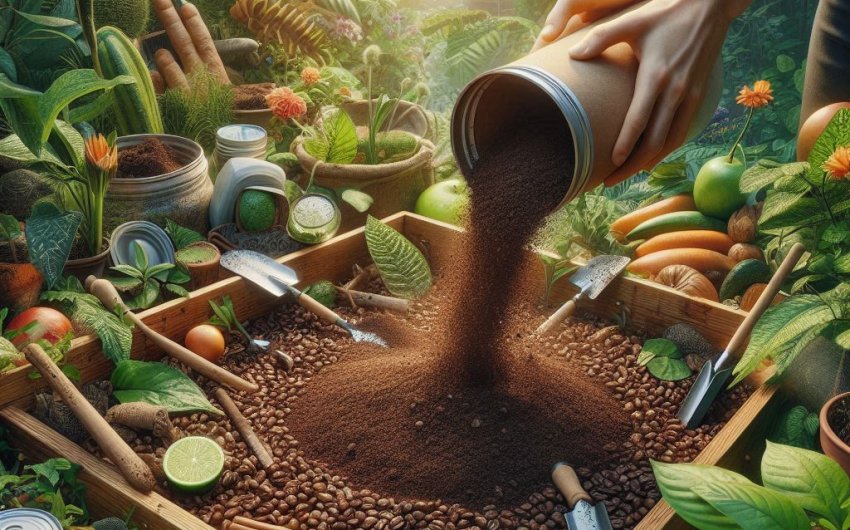
To use coffee grounds in your garden, primarily add them to your compost pile or sparingly as a soil amendment for acid-loving plants. They offer valuable organic matter and a slow release of nitrogen, improving soil structure and supporting microbial life when applied correctly.
Why Use Coffee Grounds in Your Garden?
Using coffee grounds in your garden is a fantastic way to recycle a common kitchen waste product and provide numerous benefits to your plants and soil. Far from being just discarded waste, coffee grounds are a valuable organic resource that can significantly enhance your gardening efforts.
1. Nutrient Boost (Slow Release):
- Nitrogen Source: Used coffee grounds are surprisingly rich in nitrogen (approximately 2% by weight), a crucial nutrient for healthy leafy growth. They also contain smaller amounts of phosphorus, potassium, and various micronutrients like calcium, magnesium, and copper.
- Slow Release: Unlike synthetic fertilizers, these nutrients are released slowly as the coffee grounds decompose, providing a steady, gentle feed for your plants over time, reducing the risk of nutrient burn.
2. Enhances Soil Structure:
- Organic Matter: Coffee grounds are a form of organic matter. When incorporated into soil, they help to:
- Improve Drainage: For heavy clay soils, they loosen compaction and create better air and water pathways.
- Increase Water Retention: For sandy soils, they improve the ability to hold onto moisture and nutrients.
- Boost Aeration: Their granular texture helps create air pockets in the soil, which is vital for healthy root growth.
3. Feeds Beneficial Microbes:
- Microbial Activity: Coffee grounds are a food source for a vast ecosystem of beneficial microorganisms (bacteria, fungi, earthworms) in the soil. These microbes play a vital role in decomposing organic matter, cycling nutrients, and protecting plants from diseases. A thriving microbial community means healthier soil.
4. Attracts Earthworms:
- Worm Magnets: Earthworms love coffee grounds! They consume the grounds, further breaking them down and incorporating them into the soil through their burrowing and casting activities, which also improves aeration and drainage.
5. Pest Deterrent (Anecdotal/Specific Cases):
- Slugs and Snails: Some gardeners report that a barrier of coffee grounds around plants can deter slugs and snails, possibly due to their abrasive texture or the caffeine content.
- Cats: The strong smell of coffee can sometimes deter cats from using garden beds as litter boxes.
6. pH Adjustment (Slightly Acidic, in moderation):
- Used vs. Fresh: While fresh coffee grounds are acidic (pH 5.5-6.8), used coffee grounds are much closer to neutral (around pH 6.5-6.8) because most of the acid is extracted during brewing. However, continuous, heavy application can still slightly lower soil pH over time, which can be beneficial for acid-loving plants.
By understanding these multifaceted benefits, you can confidently integrate using coffee grounds in your garden as a sustainable and effective way to nourish your plants and build healthier soil.
What Nutrients Do Coffee Grounds Provide to Plants?
When you're considering how to use coffee grounds in your garden, it's helpful to understand the specific nutrients they provide to plants. While often touted for their nitrogen, they offer a more diverse nutrient profile than many realize, though always as a slow-release source.
Primary Nutrient:
- Nitrogen (N):
- Quantity: Used coffee grounds contain approximately 2% nitrogen by dry weight, making them a valuable organic source of this macronutrient.
- Benefit: Nitrogen is essential for vigorous leafy growth, green foliage, and overall plant vitality. It's a key component of chlorophyll.
- Release: The nitrogen in coffee grounds is "bound" in organic form and is released slowly as the grounds decompose. This means it won't give an immediate "nitrogen boost" like a synthetic fertilizer but provides a steady, gentle supply over time.
Secondary Nutrients:
- Phosphorus (P):
- Quantity: About 0.3% by dry weight.
- Benefit: Important for root development, flowering, and fruiting.
- Potassium (K):
- Quantity: About 0.3% by dry weight.
- Benefit: Contributes to overall plant health, water regulation, and disease resistance.
Micronutrients:
- Calcium (Ca): Important for cell wall development and overall plant structure.
- Magnesium (Mg): Crucial for photosynthesis (it's part of the chlorophyll molecule).
- Copper (Cu): Involved in enzyme activation and photosynthesis.
- Boron (B): Important for cell wall formation, flowering, and fruit development.
- Iron (Fe): Essential for chlorophyll formation and enzyme function.
- Zinc (Zn): Involved in plant hormone production and enzyme activity.
Other Beneficial Compounds:
- Organic Matter: Beyond specific nutrients, coffee grounds provide significant organic matter, which fundamentally improves soil structure, water retention, and aeration.
- Humic Substances: As coffee grounds decompose, they contribute to humic substances in the soil, which improve nutrient availability and soil structure.
- Beneficial Microbes: They also stimulate microbial activity, which further aids in nutrient cycling.
While coffee grounds offer a good range of nutrients, especially nitrogen, they should be viewed as a supplemental soil amendment and compost ingredient, not a complete fertilizer. They contribute to a holistic approach to feeding your soil, which in turn feeds your plants, enhancing the overall health of your garden.
What is the pH of Coffee Grounds and How Does it Affect Soil?
Understanding the pH of coffee grounds is crucial when considering how to use coffee grounds in your garden, as it dictates which plants will benefit most and how much you can safely apply. There's a common misconception that all coffee grounds are highly acidic.
The pH Difference: Used vs. Fresh Coffee Grounds
Fresh (Unbrewed) Coffee Grounds:
- pH Range: Typically acidic, with a pH of around 5.5 to 6.8.
- Why: Brewing extracts many of the acids that give coffee its flavor. Unbrewed grounds retain these acids.
- Usage Caution: Due to their higher acidity and concentration of caffeine and other compounds, fresh (unbrewed) coffee grounds should generally not be applied directly and heavily to plants or soil. They can potentially inhibit plant growth or alter pH too drastically. Use only in very small amounts, primarily as a compost additive if at all.
Used (Brewed) Coffee Grounds:
- pH Range: After brewing, most of the acidity has been leached out, making used coffee grounds much closer to neutral, typically ranging from pH 6.5 to 6.8. Some studies even find them slightly alkaline after brewing.
- Why: The compounds that give coffee its characteristic flavor and much of its acidity are water-soluble and end up in your cup. What's left in the grounds is mostly the organic material and insoluble compounds.
- Usage: This near-neutral pH makes used coffee grounds much safer and more versatile for direct garden application or composting.
How pH Affects Soil (and Plant Suitability):
- Slightly Acidic to Neutral Tendency: While largely neutral after brewing, continuous, very heavy application of used coffee grounds over time can still slightly lower the soil pH. This is generally a slow process.
- Beneficial for Acid-Loving Plants: This slight acidifying tendency (or their neutral pH in combination with other acidic materials) makes them potentially beneficial for acid-loving plants like:
- Blueberries
- Azaleas
- Rhododendrons
- Camellias
- Hydrangeas (can help promote blue flowers if aluminum is present)
- Evergreens (conifers)
- Strawberries
- Roses
- General Garden Use: For most vegetable gardens and other plants that prefer a slightly acidic to neutral pH (6.0-7.0), moderate application of used coffee grounds is perfectly fine and will not drastically alter pH.
- Avoid on Alkaline-Loving Plants: Avoid applying large quantities to plants that strictly prefer alkaline soil, such as lavender, some clematis, or specific desert plants.
The key takeaway is that used coffee grounds are largely pH neutral, making them a safe and versatile amendment for most gardens. However, it's always wise to use them in moderation and to observe your plants' reactions.
How to Use Coffee Grounds in Your Compost Pile? (Recommended Method)
The absolute best way to use coffee grounds in your garden is to add them to your compost pile. This is the most effective and safest method to harness their benefits, as the composting process balances their properties and breaks them down efficiently.
Why Composting is Ideal:
- pH Balancing: The composting process itself helps to neutralize the slight acidity of even fresh coffee grounds, thanks to the buffering capacity of other organic materials (like woody "browns") and the activity of a diverse microbial community.
- Nutrient Cycling: Worms and microbes in the compost pile efficiently break down the complex organic compounds in coffee grounds, making their nitrogen, phosphorus, potassium, and micronutrients readily available for plants in the finished compost.
- Improved Structure: Coffee grounds add a good granular texture to the compost, preventing compaction and improving aeration within the pile.
- Worm and Microbe Food: They are a favorite food source for composting worms (like Red Wigglers) and beneficial microbes, which thrive on the nitrogen and organic matter. This speeds up the overall composting process.
- Odor Control: When properly incorporated into a balanced compost pile, coffee grounds don't create foul odors. In fact, their strong smell can sometimes help mask other unpleasant odors.
- Pest Deterrence (in bin): Some composters report that adding coffee grounds helps deter flies from their compost bins.
How to Add Coffee Grounds to Your Compost:
- Collect Them: Save your used coffee grounds from your daily brew. Many coffee shops will also give away used grounds for free; just ask!
- Consider Fresh vs. Used: While used grounds are best, even a small amount of fresh (unbrewed) grounds can be added to the compost pile in moderation, as the composting process will neutralize their acidity.
- Mix with "Browns": Treat coffee grounds as a "green" (nitrogen-rich) material. To maintain a healthy carbon-to-nitrogen ratio, always mix them with a good amount of "brown" (carbon-rich) materials like:
- Shredded newspaper (black and white only)
- Shredded cardboard
- Dried leaves
- Straw
- Wood chips
- Layer or Bury: When adding them to the pile, either layer them evenly with other materials or bury them within the pile to prevent them from clumping and to deter pests.
- Don't Overdo It (in proportion): While they are great, coffee grounds shouldn't be the only "green" material you add. Aim for a diverse mix of greens and browns.
By making your compost pile the primary destination for your coffee grounds, you ensure they are transformed into a balanced, nutrient-rich, and highly beneficial amendment for all your garden needs.
How to Use Coffee Grounds Directly in Garden Beds?
While composting is the ideal method, you can also use coffee grounds directly in garden beds, but with some important considerations and in moderation. This direct application focuses on soil amendment and mild pest deterrence.
1. As a Soil Amendment (Lightly Broadcast):
- Purpose: To gradually improve soil structure, add organic matter, and provide a slow release of nutrients.
- Application: After preparing your garden bed, lightly sprinkle a thin layer (no more than 1/2 inch) of used coffee grounds over the soil surface.
- Incorporate: Gently rake or scratch the grounds into the top 1-2 inches of soil. Do not create thick layers or large clumps, as this can impede water penetration and potentially lead to anaerobic conditions.
- Frequency: Apply periodically, perhaps once a month or every few months, rather than in one heavy application.
- Benefit: This is good for general soil improvement.
2. For Acid-Loving Plants (More Targeted Application):
- Purpose: To slightly lower soil pH over time and provide nutrients.
- Application: For plants like blueberries, azaleas, rhododendrons, or hydrangeas, you can lightly sprinkle a small amount of used coffee grounds around their base, keeping them a few inches away from the main stem. Gently mix into the topsoil or top with a thin layer of mulch.
- Monitor pH: If you regularly apply coffee grounds to acid-loving plants, it's wise to test your soil pH periodically to ensure it's not becoming too acidic.
- Recommendation: While useful, Espoma Organic Soil Acidifier is a more direct way to lower pH.
3. As a Mulch (Thin Layer):
- Purpose: To suppress weeds and retain moisture.
- Application: Apply a very thin layer (no more than 1/4 inch) of used coffee grounds as mulch around plants.
- Combine with Other Mulch: It's best to mix coffee grounds with other, coarser mulch materials like wood chips or shredded leaves. A thick layer of pure coffee grounds can become a compacted, impenetrable crust when dry, preventing water from reaching roots.
- Avoid Overuse: Do not use thick layers of coffee grounds as a standalone mulch.
4. As a Pest Deterrent (Anecdotal):
- Slugs and Snails: Some gardeners report success by creating a thin barrier or ring of used coffee grounds around slug- and snail-prone plants. The abrasive texture and caffeine are thought to deter them.
- Cats: The strong scent may deter cats from digging in garden beds.
- Limitations: Effectiveness varies and needs frequent reapplication, especially after rain or watering. Not a guaranteed solution.
Important Cautions for Direct Application:
- Moderation is Key: Never apply large, thick layers of coffee grounds directly to garden beds.
- Avoid Compaction: Ensure they are lightly incorporated or mixed with other materials to prevent crusting and poor water penetration.
- Observe Your Plants: Pay attention to how your plants react. If you see signs of stress (e.g., stunted growth, yellowing), reduce or stop applying.
- Used Grounds Only: Primarily use used coffee grounds, as fresh grounds are more acidic and concentrated in potentially inhibitory compounds.
By applying these methods with moderation and awareness, you can effectively use coffee grounds directly in garden beds to enrich your soil and support your plants.
How to Use Coffee Grounds for Seed Starting and Seedlings? (With Caution)
Using coffee grounds for seed starting and seedlings can be beneficial due to their nutrient content and organic matter, but it requires extreme caution and moderation. Seedlings are delicate, and too much of a good thing can quickly become harmful.
1. In Potting Mix for Older Seedlings (Light Mix):
- Purpose: To provide a very gentle, slow-release nutrient boost and improve potting mix structure.
- Application: This is not recommended for initial seed starting for tiny, germinating seeds. Wait until seedlings have developed their first true leaves and are a few inches tall.
- Ratio: Add only a very small amount of well-dried, used coffee grounds to your regular seed-starting or potting mix. A ratio of 1 part coffee grounds to 10-20 parts potting mix is a safe starting point. Mix thoroughly.
- Why: The small nutrient boost can support their early growth.
- Caution: Too much can still be too strong or too dense for delicate roots.
2. As a Top-Dressing for Established Seedlings:
- Purpose: To provide a very light, slow feed and potentially deter fungus gnats.
- Application: Once your seedlings are established (several inches tall) and thriving, sprinkle a very thin, barely visible layer of well-dried, used coffee grounds on the surface of the potting mix.
- Why Dried: Wet grounds can mold or compact on the surface.
- Benefits: May offer a subtle nutrient boost as they decompose and could help deter fungus gnats (which dislike dry soil and potentially the coffee odor).
- Caution: Never apply a thick layer. If they crust, they can impede water penetration.
3. Liquid Coffee Ground Fertilizer (Weak Brew):
- Purpose: To provide a very diluted liquid feed.
- Preparation: Place a cup of used coffee grounds in a bucket of water (e.g., 5 gallons). Let it steep for a few hours or overnight. Strain the "coffee ground tea" thoroughly.
- Dilution: The resulting liquid is already quite diluted. You can use it as is, or dilute it further with plain water (e.g., 1 part tea to 1 part water) for very young seedlings.
- Application: Use this liquid to water your seedlings.
- Benefits: Provides soluble nutrients gently.
- Caution: Avoid direct application of solid grounds from this tea to small seedlings.
Important Cautions for Seed Starting & Seedlings:
- Never Use Fresh Coffee Grounds: The acidity and caffeine concentration are too strong for delicate seedlings.
- Avoid Overuse: Less is truly more when it comes to seedlings. They have very fragile root systems.
- Monitor Closely: Observe your seedlings carefully for any signs of stress (yellowing, stunted growth, unusual odors). If seen, stop application and flush with plain water.
- Fungal Risk: Wet coffee grounds on the surface can sometimes encourage mold growth, which is generally harmless but can indicate too much moisture.
While not a standard practice for all gardeners, with extreme moderation and careful observation, using coffee grounds for seed starting and seedlings can provide a subtle, organic boost to their growth.
What are the Potential Downsides of Using Coffee Grounds in the Garden?
While using coffee grounds in your garden offers many benefits, it's essential to be aware of the potential downsides and risks to avoid inadvertently harming your plants or disrupting your garden's ecosystem. Proper application and moderation are key to mitigating these issues.
1. Compaction and Water Repellency:
- Problem: If applied in thick layers or left to dry out in clumps, coffee grounds can form a dense, impenetrable crust.
- Why: This crust can prevent water from reaching the soil and roots below, leading to severe dehydration for plants. It also restricts airflow to roots.
- Solution: Always mix coffee grounds thoroughly into soil or compost. If using as a top dressing or mulch, apply in very thin layers (no more than 1/4 inch) and/or mix with coarser mulching materials like shredded bark or straw.
2. Risk of Over-Acidification (Less Common with Used Grounds, but Possible with Overuse):
- Problem: While used coffee grounds are largely neutral, continuous, very heavy application can still subtly lower soil pH over a long period.
- Why: Even a small acidic tendency, when applied in very large volumes, can accumulate.
- Solution: Use in moderation. If you're using large quantities, especially on plants that prefer neutral to alkaline soil, consider adding a sprinkle of agricultural lime occasionally or getting a soil pH test periodically.
3. Nutrient Imbalance (Nitrogen Overload):
- Problem: Coffee grounds are relatively high in nitrogen. If used excessively as a direct fertilizer without balancing other nutrients, it can lead to a nitrogen imbalance.
- Why: Too much nitrogen can cause lush, leafy growth at the expense of flowering and fruiting. It can also make plants more susceptible to some pests.
- Solution: Remember they are a supplement, not a complete fertilizer. Use them as part of a balanced soil feeding program. Composting them first is the best way to ensure balanced nutrient release.
4. Attracting Pests (Less Common, But Possible):
- Problem: While often cited as pest deterrents (slugs, cats), in some cases, certain pests (like fungus gnats, especially if the grounds are wet and exposed) or even rodents (if mixed with sugary residues) might be attracted to coffee grounds.
- Why: Wet, exposed grounds can grow mold or fermentation smells that appeal to some insects.
- Solution: Always bury coffee grounds under soil or compost to prevent odors and discourage flies. Use dried grounds for top-dressing.
5. Caffeine Effects (Minimal with Used Grounds):
- Problem: Fresh coffee grounds contain higher levels of caffeine and diterpenes, which can inhibit germination or slow growth in some plants.
- Why: These compounds are natural plant inhibitors.
- Solution: Primarily use used coffee grounds, as most of these compounds are leached out during brewing. If using fresh grounds, use them in very minimal amounts, primarily in compost.
By being mindful of these potential downsides and practicing moderation, along with proper incorporation methods, you can safely and effectively enjoy the many benefits of using coffee grounds in your garden.
How to Safely Store Coffee Grounds for Garden Use?
Proper storage of coffee grounds is crucial when planning how to use coffee grounds in your garden to prevent mold, odors, and attraction of pests before they make it into your soil or compost.
Why Proper Storage is Important:
- Prevents Mold Growth: Wet coffee grounds are highly susceptible to developing mold quickly. While some mold in compost is fine, moldy grounds can be unsightly and indicate conditions that might attract pests if left exposed.
- Avoids Foul Odors: If left in a sealed, anaerobic (no oxygen) container when wet, coffee grounds can develop a sour, fermented, or putrid smell.
- Deters Pests: Improperly stored coffee grounds (especially wet ones) can attract fruit flies or other unwanted insects.
- Optimizes Usage: Properly stored grounds are easier to handle and apply evenly.
Best Storage Methods:
Aerate and Dry (Recommended for Direct Application):
- Method: Spread your used coffee grounds out in a thin layer on a baking sheet, old newspaper, or a flat surface in a well-ventilventilated area. Let them air dry completely. Stir them occasionally to break up clumps and promote even drying.
- Pros: Prevents mold and clumping. Dried grounds are easier to sprinkle evenly. Less prone to odors.
- Cons: Takes a little time and space.
- Storage: Once thoroughly dry, store them in an open container (like a bucket or cardboard box) or a loosely covered container to maintain airflow. An old coffee container with holes poked in the lid works well.
Store in a Breathable Container (for Composting):
- Method: If you plan to add them directly to your compost pile soon, you can store wet grounds in a container that allows some airflow.
- Examples: A small kitchen compost pail with a charcoal filter, a plastic container with a loosely fitting lid, or even a paper bag.
- Pros: Simple, requires minimal effort.
- Cons: Still some risk of mold or fermentation odors if left too long or if very wet.
Freeze (for Longer Storage):
- Method: If you collect large quantities (e.g., from a coffee shop) and can't use them immediately, you can freeze used coffee grounds.
- Application: Spread them out on a baking sheet to flash freeze first, then transfer to freezer bags or containers. This prevents them from clumping into a solid block.
- Pros: Prevents spoilage indefinitely, kills any potential mold spores or insect eggs.
- Cons: Takes up freezer space.
What to Avoid for Storage:
- Airtight Containers (Wet Grounds): Do not seal wet coffee grounds in an airtight container for more than a day or two. This will lead to anaerobic decomposition, foul odors, and potential harmful bacteria.
- Leaving in the Brewer/Filter Too Long: Empty your coffee maker shortly after brewing.
By implementing these safe storage practices, your coffee grounds will be ready to provide maximum benefit when you're ready to use coffee grounds in your garden, ensuring they contribute positively to your soil and plants.