
What Are the Signs of Nutrient Deficiency in Vegetable Plants?
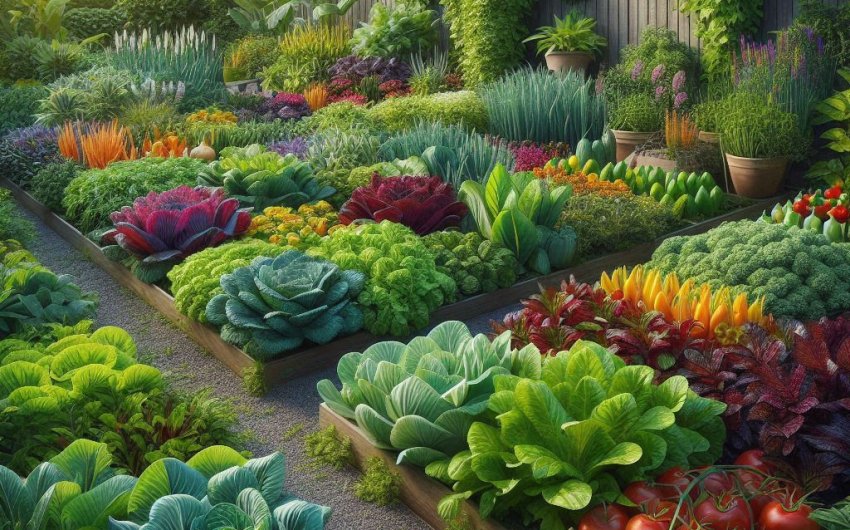
The signs of nutrient deficiency in vegetable plants often manifest as changes in leaf color, stunted growth, or poor fruit development. Recognizing these visual cues early is crucial for diagnosing and correcting the problem to ensure a healthy harvest.
What Are the Most Common Nutrient Deficiencies in Vegetable Plants?
Vegetable plants require a range of essential nutrients to thrive, divided into macronutrients (needed in larger amounts) and micronutrients (needed in smaller amounts). Deficiencies in either category can show distinct signs. The most common nutrient deficiencies are typically with nitrogen, phosphorus, potassium, magnesium, and calcium.
Macronutrient Deficiencies
These are the "big three" and usually the first nutrients gardeners consider.
- Nitrogen (N): Essential for leafy growth and overall plant vigor.
- Signs: Yellowing of older leaves (chlorosis), starting at the tips and moving inward. The whole plant may appear pale green and stunted. New growth might be weak.
- Impact: Poor leaf development, reduced yields, overall weak plant.
- Phosphorus (P): Crucial for root development, flowering, and fruiting.
- Signs: Purplish or reddish tint on older leaves and stems, especially on the undersides. Stunted growth, delayed maturity, and poor fruit or flower production. Leaves may appear stiff.
- Impact: Weak roots, few flowers, small or no fruit.
- Potassium (K): Important for general plant health, disease resistance, and fruit quality.
- Signs: Yellowing or browning along the edges of older leaves, often appearing as a "scorched" look. Leaves may also develop brown spots. Weak stems and poor fruit development.
- Impact: Reduced disease resistance, poor fruit size and flavor, weak plants.
Secondary Macronutrient Deficiencies
These are needed in moderate amounts.
- Calcium (Ca): Vital for cell wall formation, root growth, and fruit quality.
- Signs: Distorted or stunted new growth, often with hooked or curled leaf tips. Blossom end rot in tomatoes, peppers, and squash (a dark, sunken spot on the blossom end of the fruit). Yellowing between veins of new leaves.
- Impact: Deformed new leaves, fruit disorders, reduced shelf life.
- Magnesium (Mg): Essential for chlorophyll production (the green pigment in leaves) and photosynthesis.
- Signs: Yellowing between the veins of older leaves (interveinal chlorosis), while the veins remain green. Leaves may also become brittle and fall off prematurely.
- Impact: Reduced photosynthesis, overall weak plant, poor yield.
- Sulfur (S): Involved in protein synthesis and chlorophyll formation.
- Signs: General yellowing of younger leaves, sometimes resembling nitrogen deficiency but appearing on new growth first. Stunted growth.
- Impact: Poor growth, pale appearance.
Micronutrient Deficiencies
Though needed in small amounts, these are just as critical.
- Iron (Fe): Key for chlorophyll production and enzyme function.
- Signs: Severe yellowing between the veins of new leaves, with veins remaining sharply green. Can affect the entire plant in severe cases.
- Impact: Reduced photosynthesis, pale plants. Often confused with magnesium deficiency but shows on new leaves.
- Boron (B): Important for cell division, fruit set, and sugar transport.
- Signs: Stunted, distorted new growth. Terminal buds may die. Hollowing of stems (e.g., in broccoli). Poor fruit set or misshapen fruit.
- Impact: Deformed growth, poor fruit.
- Manganese (Mn): Involved in photosynthesis and enzyme activation.
- Signs: Yellowing between the veins of new leaves, similar to iron but often with small dead spots appearing.
- Impact: Reduced growth, pale leaves.
- Zinc (Zn): Critical for enzyme activity and growth regulation.
- Signs: Stunted growth with very short internodes (distance between leaf nodes). Leaves may be small, narrow, and often appear mottled or show yellowing between veins, especially on younger leaves.
- Impact: Very small plants, poor yield.
- Copper (Cu): Essential for photosynthesis and respiration.
- Signs: Wilting of new shoots, sometimes with a blue-green tint. Stunted growth.
- Impact: Poor vigor.
- Molybdenum (Mo): Crucial for nitrogen utilization.
- Signs: Yellowing or pale green older leaves, sometimes with "whiptail" in brassicas (narrow, strap-like leaves).
- Impact: Nitrogen deficiency symptoms.
- Chlorine (Cl): Plays a role in photosynthesis and osmotic regulation.
- Signs: Rare in garden plants due to its abundance. Wilting, chlorosis, bronze leaves, root tip thickening.
- Impact: Not typically a concern for gardeners.
How Can I Tell the Difference Between Nutrient Deficiencies and Other Plant Problems?
Diagnosing plant problems can be tricky, as many issues share similar symptoms. Nutrient deficiencies can look a lot like overwatering, underwatering, pest infestations, diseases, or even environmental stress. Careful observation and ruling out other possibilities are key.
Distinguishing from Watering Issues
- Underwatering: Leaves will often wilt, turn crispy, and brown from the edges inward, but typically all leaves are affected, not just older or newer ones first. The soil will be very dry.
- Overwatering: Leaves may turn yellow and drop, but often appear droopy and soft. Root rot is common, making the plant look generally unhealthy and weak. The soil will be consistently soggy. Nutrient uptake is hindered in waterlogged soil.
Distinguishing from Pests and Diseases
- Pest Damage: Look for visible insects (aphids, spider mites, whiteflies), sticky residue (honeydew), chewed holes, stippling, or distorted growth unique to certain pests. A Garden Insect Identifier Guide can be helpful.
- Disease Symptoms: Fungal diseases often present as spots, powdery mildew, rusts, or wilting affecting parts of the plant. Viral diseases cause mosaic patterns, distorted growth, or ringspots. Often, the discoloration isn't uniform or confined to specific leaf ages like nutrient deficiencies. A Plant Disease Diagnostic Kit might be useful for serious cases.
Distinguishing from Environmental Stress
- Temperature Extremes: Heat stress can cause wilting and scorching. Cold stress can lead to purplish discoloration or general stunting.
- Light Issues: Too little light causes pale, leggy growth (etiolation). Too much direct sun can cause sunburn, leading to bleached or browned spots.
- Soil pH Imbalance: This is a major underlying cause of nutrient deficiencies. Even if nutrients are present in the soil, they might be "locked up" and unavailable to the plant if the pH is too high or too low. Different nutrients are available at different pH ranges. For example, iron deficiency often occurs in high pH (alkaline) soils, even if iron is present. A Soil pH Testing Kit is an essential tool.
How Can Soil Testing Help Identify Nutrient Deficiencies?
Soil testing is the most accurate way to identify nutrient deficiencies and excesses in your garden soil before plant symptoms even appear. It provides a detailed report of your soil's current nutrient levels and pH.
What a Soil Test Reveals
A professional soil test typically measures:
- pH Level: Indicates how acidic or alkaline your soil is, which directly impacts nutrient availability.
- Macronutrient Levels: Nitrogen (N), Phosphorus (P), and Potassium (K).
- Secondary Macronutrient Levels: Calcium (Ca), Magnesium (Mg), and Sulfur (S).
- Micronutrient Levels: Iron (Fe), Manganese (Mn), Zinc (Zn), Copper (Cu), Boron (B), Molybdenum (Mo), and sometimes Chloride (Cl).
- Organic Matter Content: A healthy indicator of soil fertility.
Steps to Get a Soil Test
- Collect Samples: Use a clean trowel or shovel. Take samples from several spots across your garden area, mixing them together in a clean bucket to get a representative sample. Avoid sampling from unusual spots like compost piles or near fertilizer spills. Aim for a depth of 6-8 inches for most vegetables.
- Prepare Sample: Air dry the mixed soil sample. Do not bake it.
- Submit Sample: Send it to your local university extension office or a reputable private lab. They will provide instructions on sample size and mailing.
- Interpret Results: The lab report will provide current nutrient levels and usually include recommendations for amendments to correct any deficiencies or imbalances.
Understanding your soil test results allows for targeted nutrient application, preventing over-fertilization and ensuring your plants get exactly what they need.
What Are the Best Ways to Correct Nutrient Deficiencies in Vegetable Plants?
Once you've identified a nutrient deficiency, either through visual symptoms or a soil test, correcting it involves providing the missing nutrient in an available form. The approach depends on the specific deficiency and its severity.
Adjusting Soil pH First
Before adding any specific nutrients, it's crucial to ensure your soil pH is in the optimal range for vegetable plants, which is typically 6.0 to 7.0 (slightly acidic to neutral). If the pH is off, nutrients may be present but unavailable to the plants.
- To raise pH (make less acidic): Add limestone (calcium carbonate or dolomitic lime).
- To lower pH (make less alkaline): Add elemental sulfur or peat moss.
Always follow soil test recommendations for application rates.
Correcting Specific Macronutrient Deficiencies
- Nitrogen Deficiency:
- Solution: Apply a nitrogen-rich fertilizer (e.g., blood meal, fish emulsion, or a synthetic fertilizer with a high first number in the N-P-K ratio).
- Organic options: Composted manure, Alfalfa Meal, or Compost Tea.
- Application: Top-dress or dilute for liquid feeding.
- Phosphorus Deficiency:
- Solution: Use a phosphorus-rich fertilizer (e.g., bone meal, rock phosphate, or a synthetic fertilizer with a high middle number).
- Organic options: Bone Meal Fertilizer.
- Application: Work into the soil before planting, or side-dress established plants. Phosphorus moves slowly in the soil.
- Potassium Deficiency:
- Solution: Apply a potassium-rich fertilizer (e.g., greensand, kelp meal, or a synthetic fertilizer with a high third number).
- Organic options: Kelp Meal Fertilizer, wood ash (use cautiously, as it also raises pH).
- Application: Top-dress or side-dress.
Correcting Secondary Macronutrient Deficiencies
- Calcium Deficiency:
- Solution: For existing plants, a foliar spray of calcium chloride can provide a quick fix for blossom end rot, though addressing the soil issue is best. Amend soil with gypsum (calcium sulfate) or crushed eggshells (slow release). Ensure consistent watering, as fluctuating soil moisture often contributes to calcium uptake issues.
- Organic options: Garden Gypsum.
- Magnesium Deficiency:
- Solution: Apply Epsom salts (magnesium sulfate) as a foliar spray (1 tablespoon per gallon of water) or soil drench (1-2 tablespoons per plant).
- Organic options: Espoma Organic Garden-Tone often contains magnesium.
- Sulfur Deficiency:
- Solution: Elemental sulfur, gypsum, or sulfate-based fertilizers. Organic matter also contains sulfur.
Correcting Micronutrient Deficiencies
Micronutrients are needed in very small amounts, so over-application can be toxic. Use caution and follow recommendations.
- Iron Deficiency:
- Solution: Apply chelated iron to the soil or as a foliar spray. Address high soil pH if that's the underlying cause.
- Boron Deficiency:
- Solution: Apply borax (sodium tetraborate) sparingly. Very small amounts are needed.
- Manganese Deficiency:
- Solution: Apply manganese sulfate to the soil or as a foliar spray.
- Zinc Deficiency:
- Solution: Apply zinc sulfate.
- Copper Deficiency:
- Solution: Apply copper sulfate.
For general micronutrient support, consider a balanced micronutrient blend or organic options like seaweed extract or compost. Dyna-Gro Grow 7-9-5 is a popular balanced liquid fertilizer that includes many micronutrients.
What are Preventative Measures to Avoid Nutrient Deficiencies?
Preventing nutrient deficiencies is far easier than correcting them after they appear. A proactive approach focuses on building healthy soil, providing consistent care, and understanding your garden's specific needs.
Improve Soil Health Annually
- Add Organic Matter: Incorporate compost, aged manure, or other organic materials into your garden beds every year. Organic matter improves soil structure, water retention, drainage, and gradually releases a wide range of nutrients as it decomposes. It also buffers pH fluctuations.
- Practice Crop Rotation: Rotating crops helps prevent the depletion of specific nutrients from the same soil areas year after year. Different plant families have different nutrient requirements.
- Use Cover Crops: Planting cover crops (e.g., clover, vetch, rye) during off-seasons protects soil from erosion, suppresses weeds, and adds organic matter and sometimes nitrogen (legumes) when tilled in.
Fertilize Wisely and Regularly
- Follow Soil Test Recommendations: This is the most important step. Don't guess. Apply fertilizers based on what your soil actually needs.
- Use Balanced Fertilizers: A balanced all-purpose fertilizer (e.g., 5-5-5 or 10-10-10) can provide general nutrient support if your soil test indicates overall low levels. For specific plants, choose formulations like a Tomato and Vegetable Food.
- Consider Slow-Release Fertilizers: These release nutrients gradually over time, providing a steady supply and reducing the risk of nutrient leaching.
- Supplement with Organic Amendments: In addition to compost, regularly top-dress with worm castings or apply liquid organic fertilizers like fish emulsion or kelp meal throughout the growing season. FoxFarm Grow Big Liquid Plant Food is an excellent liquid option.
Maintain Proper Watering and Drainage
- Consistent Watering: Both overwatering and underwatering can impair nutrient uptake. Ensure your plants receive consistent, appropriate moisture.
- Good Drainage: Well-ddraining soil prevents waterlogging, which can lead to root rot and oxygen deprivation, both of which hinder nutrient absorption. Raised beds can be helpful for areas with poor drainage.
Choose the Right Plants for Your Soil
- Soil pH Preferences: Research the preferred pH range for the vegetable plants you want to grow. Some plants, like blueberries, prefer acidic soil, while others, like most vegetables, prefer slightly acidic to neutral.
- Nutrient Demands: Understand which plants are "heavy feeders" (e.g., corn, tomatoes, squash) and require more nutrients, especially nitrogen, throughout their growth cycle.
By being observant of your vegetable plants and understanding the visual cues of nutrient deficiency, you can effectively diagnose and address these issues, leading to a much more productive and satisfying gardening experience.