
How Can I Improve Soil Drainage in My Vegetable Garden?
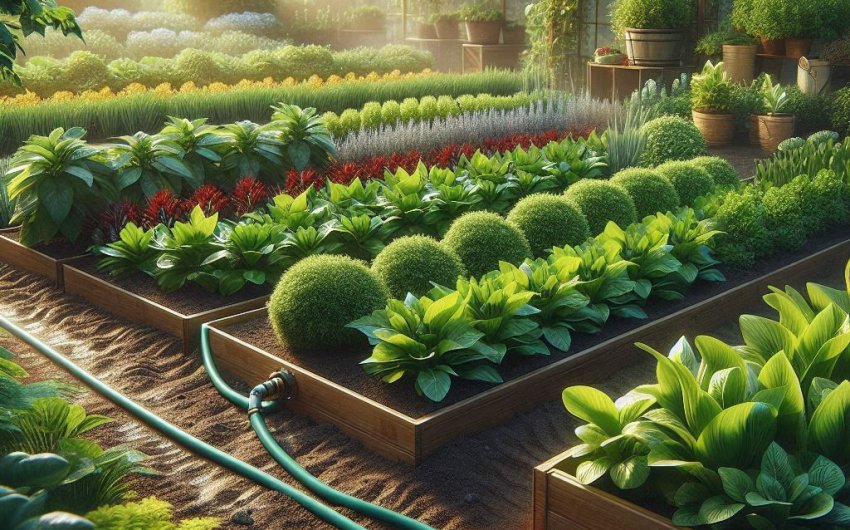
Improving soil drainage in a vegetable garden is essential for ensuring that your plants thrive. Poor drainage can lead to several issues, including root rot, stunted growth, and diseases that can severely harm your crops. Luckily, there are several ways to enhance soil drainage in your vegetable garden without making it a complicated process.
In this article, we’ll explore some practical and effective techniques to improve soil drainage, the tools and materials you'll need, and why drainage matters for your vegetable garden’s health and productivity.
1. Understand Your Soil Type
The first step to improving drainage in your vegetable garden is to assess your soil type. Different soil types have different drainage capacities, and understanding your soil's composition will help you choose the right method to improve it.
- Clay Soil tends to be heavy and compact, causing poor drainage. Water gets trapped easily in the tiny spaces between clay particles, leading to waterlogging.
- Sandy Soil, on the other hand, drains too quickly, which can leave your plants without enough water.
- Loamy Soil is considered ideal for most vegetable gardens because it balances water retention and drainage well.
If you're unsure of your soil type, a simple test can help. Take a handful of moist soil and squeeze it in your hand. If it forms a solid clump, you likely have clay soil. If it falls apart easily, it’s sandy soil. Loamy soil will form a loose, crumbly ball.
Once you identify your soil type, you can take steps to improve its drainage. For those looking to perform this test more effectively, consider getting a soil testing kit.
2. Add Organic Matter
Organic matter is one of the best ways to improve soil structure and drainage. By adding compost, manure, or leaf mold to your garden, you can help loosen compacted soil and improve its ability to drain excess water.
- Compost improves both clay and sandy soils by increasing water retention in sandy soils and enhancing drainage in clay soils.
- Well-rotted manure not only provides essential nutrients for your vegetables but also helps break up heavy soil.
- Leaf mold, which is simply decayed leaves, creates spaces in the soil where water can drain freely.
To add organic matter, spread a 2- to 3-inch layer over the surface of your garden bed and work it into the top 6 to 8 inches of soil. This will improve drainage while also enriching your soil with nutrients.
Investing in a high-quality compost bin is a great way to have a consistent supply of organic material for your garden.
3. Create Raised Garden Beds
If your soil consistently struggles with drainage, especially in areas with heavy rainfall, creating raised beds can offer an excellent solution. Raised garden beds allow you to control the type of soil used and improve drainage significantly.
- Raised beds allow excess water to drain more easily since the bed's height prevents water from pooling.
- You can fill the raised bed with a mix of well-draining soil, compost, and other organic matter to ensure optimal growing conditions.
To build a raised bed, use materials like wood, stone, or bricks to construct a frame, and fill it with your chosen soil mixture. Ensure the bed is at least 12 inches deep to accommodate the roots of most vegetables. Consider getting raised bed garden kits for an easier setup.
4. Improve Soil Aeration
Compacted soil can severely restrict drainage by eliminating the air pockets through which water would normally pass. Aeration is the process of loosening the soil to create space for air and water to move more freely.
- Regular tilling can help break up compacted soil and improve aeration.
- Using tools like a garden fork or broadfork allows you to manually aerate your soil by pushing them into the ground and lifting slightly to loosen the soil.
- For larger areas, a rotary tiller can make the job easier by mechanically loosening the soil.
Aerating your garden every season will help maintain good drainage, improve root development, and ensure your vegetable plants thrive.
5. Use Soil Amendments
Soil amendments are materials added to soil to improve its properties, particularly drainage. Several natural and synthetic amendments can help improve the drainage in your vegetable garden.
- Sand is often added to clay soil to improve drainage, but it must be done carefully. Too much sand can turn your soil into a cement-like mixture.
- Perlite and vermiculite are lightweight materials that help soil retain moisture while improving aeration and drainage.
- Gypsum can be used in clay soils to break up compacted soil, making it easier for water to pass through.
When using amendments, make sure to incorporate them into the soil properly. Spread them evenly across the surface and work them into the top layer with a garden rake or tiller.
6. Install Drainage Pipes or Trenches
In cases where poor drainage is a significant problem, installing a drainage system can provide a long-term solution. By adding pipes or trenches, you can direct excess water away from your garden beds.
French Drain
A French drain is a trench filled with gravel or rock, with a perforated pipe at the bottom that directs water away from the garden. It’s a great solution for gardens that regularly suffer from standing water after heavy rains.
Soakaway
A soakaway is a similar concept, where a pit filled with gravel allows water to drain into the ground slowly. This prevents water from pooling in your garden.
These systems can be labor-intensive but are very effective in improving long-term soil drainage. You can find drainage pipe kits that make the installation process easier and more efficient.
7. Mulch to Regulate Moisture
Mulching can help with soil drainage by preventing soil compaction and regulating moisture levels. Organic mulches, such as straw, wood chips, or bark mulch, not only protect the soil surface but also improve soil structure over time as they break down.
- Organic mulches improve drainage by creating spaces in the soil that allow water to pass through.
- Inorganic mulches, like gravel, can also help drainage by reducing compaction and facilitating water movement.
Apply a 2- to 3-inch layer of mulch around your vegetable plants, ensuring that the mulch doesn't touch the stems to avoid rot. Mulching also helps to suppress weeds, which can compete with your plants for water and nutrients.
8. Plant Cover Crops
Cover crops can play an essential role in improving soil drainage. These crops, such as clover, rye, and vetch, help prevent soil compaction and erosion while adding organic matter to the soil when they decompose.
- Cover crops help improve the soil’s structure, allowing better water penetration.
- They also contribute to soil fertility by fixing nitrogen and breaking up compacted layers.
When using cover crops, plant them at the end of your growing season. After they have grown, you can cut them down and till them into the soil to improve its organic content and drainage. Consider getting cover crop seeds for an easy way to get started.
9. Slope Your Garden Beds
Creating a slight slope in your garden can help direct water away from areas that tend to get waterlogged. By grading the soil in a gentle slope, excess water will flow away from the garden bed instead of pooling around your plants.
- Start by determining which direction the water naturally flows in your garden and design your garden beds accordingly.
- Ensure that the slope isn’t too steep to prevent soil erosion, but is enough to direct water away efficiently.
Using a garden level can help you create an even slope that ensures water drains properly.
10. Choose Well-Draining Soil Mixes
When building a new vegetable garden or raised bed, starting with a well-draining soil mix can save you time and effort down the road. Many garden centers offer pre-made soil mixes designed for vegetable gardens with improved drainage and nutrient content.
- A good well-draining soil mix should contain a combination of loam, sand, compost, and perlite or vermiculite.
- You can also create your own mix by combining garden soil with equal parts of compost and sand or perlite.
Using a pre-made garden soil mix can be a convenient way to ensure your garden starts off with excellent drainage.
11. Plant Drainage-Improving Vegetables
Some plants naturally improve soil drainage by breaking up compacted soil with their deep roots. Incorporating these plants into your garden can help enhance the overall drainage system.
- Carrots and parsnips have long taproots that penetrate deep into the soil, helping to loosen it and create channels for water to flow.
- Radishes, particularly daikon radishes, are also excellent for breaking up compacted soil.
- Turnips and beets can serve a similar function while also providing you with a harvest.
Growing these root vegetables in rotation with other crops can gradually improve the structure and drainage of your garden soil. Look into getting seeds for carrots, radishes, and other drainage-improving vegetables.
12. Install Soaker Hoses or Drip Irrigation
Overwatering can contribute to poor soil drainage. Instead of using overhead watering systems that can flood the soil, opt for soaker hoses or drip irrigation systems. These methods provide water directly to the base of the plants and prevent water from accumulating on the surface.
- Soaker hoses slowly release water into the soil, giving it time to absorb and preventing runoff.
- Drip irrigation systems can be customized to deliver water only where it’s needed, reducing the risk of overwatering and improving drainage.
Using a soaker hose or drip irrigation kit can be an efficient way to water your garden without overwhelming the soil.