
What is Crop Rotation and Why is It Important for Vegetable Gardens?
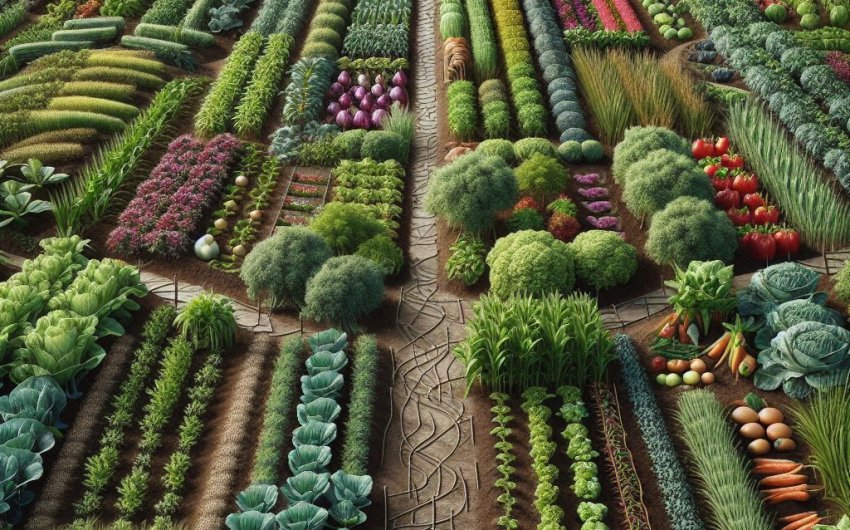
Crop rotation is an essential practice in sustainable agriculture and gardening, particularly when it comes to growing vegetables. By systematically changing the types of crops grown in a specific area over different growing seasons, crop rotation helps promote soil health, prevent diseases, manage pests, and increase yields. In this blog, we will explore the key aspects of crop rotation and why it is so crucial for vegetable gardens.
What is Crop Rotation?
At its core, crop rotation refers to the planned sequence of planting different types of crops in the same area across different seasons. Rather than growing the same vegetable continuously in the same spot, gardeners rotate different crops based on their specific needs and characteristics.
For example, you might plant carrots one year, followed by beans the next, and then switch to lettuce in the third year. The aim is to reduce the buildup of pests, diseases, and nutrient deficiencies that can occur when the same plant is grown repeatedly in the same location.
The Basic Principles of Crop Rotation
There are several key principles that guide crop rotation practices:
- Diversity: One of the most important aspects of crop rotation is planting different types of vegetables that belong to different plant families. This ensures a variety of nutrients are utilized and replaced in the soil.
- Soil Nutrient Management: Different vegetables require different nutrients. For example, leafy vegetables like spinach need a lot of nitrogen, while root crops like potatoes rely more on potassium. By rotating crops, you give the soil time to recover and replenish certain nutrients.
- Pest and Disease Control: Many pests and diseases are plant-specific. If a certain type of vegetable is grown continuously in the same place, pests or diseases that affect that vegetable can become established and thrive. Rotating crops interrupts this cycle.
- Resting the Soil: Some crops, like legumes (e.g., peas and beans), have the ability to fix nitrogen in the soil. By incorporating these crops into your rotation, you can improve soil fertility naturally without needing synthetic fertilizers.
How Does Crop Rotation Work?
Crop rotation usually follows a cycle that can last for several years. Most crop rotation plans are based on a three or four-year cycle, depending on the types of crops and the garden’s size.
Here's a simple example of a three-year rotation:
- Year 1 - Leafy Greens and Vegetables: These plants tend to be heavy feeders that consume large amounts of nitrogen. Lettuce, cabbage, and broccoli are common crops in this group.
- Year 2 - Root Vegetables: After growing nitrogen-hungry plants, follow them with root crops like beets, carrots, and onions. These plants need fewer nutrients than leafy greens but still thrive on the residual nitrogen.
- Year 3 - Legumes: Finally, plant legumes such as peas and beans. These plants will restore nitrogen to the soil, replenishing what was used by the previous crops.
By rotating through these stages, you ensure a balance between nutrient extraction and replenishment in the soil.
The Benefits of Crop Rotation for Vegetable Gardens
1. Improved Soil Health
One of the most significant advantages of crop rotation is that it promotes soil health. Each type of vegetable draws different nutrients from the soil. When you grow the same vegetable in the same place season after season, you deplete the soil of certain key nutrients.
For instance, tomatoes are heavy feeders that require large amounts of nitrogen, while root vegetables like radishes or turnips require different nutrients like phosphorus and potassium. By alternating these crops, you allow the soil to recover and replenish the nutrients that each plant uses up.
When nitrogen levels become too low, this can lead to poor plant growth, but by incorporating nitrogen-fixing plants like beans or peas into your rotation, you naturally restore this essential nutrient.
Interested in nitrogen-fixing crops like beans? Explore options for your garden here.
2. Pest Control
Pests are often very specific to certain plant families. For example, cabbage worms will primarily attack plants in the cabbage family (known as Brassicas), which includes vegetables like broccoli, cauliflower, and kale.
If you plant broccoli in the same location year after year, the larvae of pests can survive in the soil and continue to plague your plants each season. By switching to a different crop—like carrots or beans—the pests lose their food source, and their population declines.
Crop rotation interrupts pest life cycles, reducing their ability to cause harm to your plants without needing harmful chemical interventions. By rotating crops strategically, gardeners can significantly reduce pest pressure in their vegetable gardens.
Looking for pest-resistant vegetables for your crop rotation plan? Check out pest-resistant varieties here.
3. Disease Prevention
Plant diseases can devastate a vegetable garden, and many soil-borne diseases are particularly persistent. Some diseases live in the soil and can infect plants over multiple seasons. For instance, the fungus that causes clubroot thrives in the soil where Brassica plants like cabbage or kale have been grown.
By rotating crops, you limit the likelihood of disease buildup because you’re not planting susceptible crops in the same area each season. This helps keep soil-borne diseases at bay and protects your plants from long-term damage.
Incorporating crop rotation into your gardening routine minimizes the chance of specific diseases getting out of control and becoming a serious issue.
Need tools to manage plant diseases in your garden? Get the right disease management solutions here.
4. Weed Suppression
Weeds can become a major nuisance in vegetable gardens, often competing with plants for sunlight, water, and nutrients. However, through crop rotation, you can manage weeds more effectively.
Certain crops, such as squash and pumpkins, grow thick vines and large leaves, effectively shading the soil and suppressing weed growth. Other crops, like corn or beans, are taller and can be interplanted with smaller crops to crowd out weeds.
By varying the types of crops grown each year, you change the way light reaches the soil surface, making it more difficult for weeds to become established.
Looking for vine crops to suppress weeds in your vegetable garden? See vine vegetable options here.
5. Balanced Nutrient Use
Different vegetables have unique nutrient needs, and crop rotation helps distribute the nutrient demand across various plant families. For instance, leafy greens like lettuce demand a lot of nitrogen, while fruiting vegetables like tomatoes and peppers require high levels of potassium.
Rotating crops ensures that no single nutrient is overused. For example, after growing nitrogen-hungry crops, you can follow them with legumes like peas, which help replenish the soil with nitrogen. This natural balance reduces the need for synthetic fertilizers and promotes healthier, more fertile soil in the long term.
Interested in boosting soil fertility naturally? Check out legume seed varieties here.
6. Higher Yields
Crop rotation is directly linked to increased garden productivity. Since different plants deplete and replenish the soil in various ways, crop rotation leads to healthier soil, which in turn supports healthier plant growth.
Gardening with a focus on rotation allows plants to receive the nutrients they need without the depletion that occurs with monoculture (growing the same crop repeatedly). The more nutrient-rich and well-balanced your soil is, the better your vegetables will grow, which ultimately leads to higher yields.
Looking to increase vegetable yields in your garden? Find high-yield vegetable seeds here.
7. Efficient Use of Space
For those with limited gardening space, crop rotation offers a way to make the most of every square foot. By carefully planning a rotation schedule, gardeners can ensure that their soil remains productive year after year without falling prey to soil degradation, disease, or pest infestation.
For instance, after growing carrots in a particular bed, you might plant lettuce the following season, utilizing space efficiently while promoting soil recovery. This method allows even small gardens to produce a wide variety of vegetables over time.
Need to maximize space in your small garden? See compact vegetable options here.
Planning a Crop Rotation Schedule
Step 1: Divide Crops Into Categories
Before starting your crop rotation, it helps to divide your crops into categories. Here’s a basic breakdown:
- Heavy Feeders: Cabbage, broccoli, cauliflower, tomatoes, and corn.
- Light Feeders: Carrots, onions, garlic, and beets.
- Nitrogen Fixers: Beans, peas, and lentils.
Once you’ve divided your crops, you can rotate them in a way that maximizes nutrient balance in the soil.
Ready to organize your garden for crop rotation? Find a selection of plant categorization tools here.
Step 2: Map Out a 3 to 4-Year Rotation Plan
A simple crop rotation plan can span three or four years. Here’s an example of a three-year plan:
- Year 1: Grow leafy vegetables like lettuce, spinach, and cabbage, which are heavy feeders.
- Year 2: Plant root crops such as onions, carrots, and turnips, which consume fewer nutrients.
- Year 3: Grow legumes like peas and beans to fix nitrogen into the soil.
You can adjust this plan based on your specific garden setup and the vegetables you prefer to grow.
Need a crop planning tool? Check out garden planning solutions here.
Step 3: Keep a Garden Journal
Tracking what you’ve planted each year and how well it grew is a great way to refine your crop rotation plan over time. A garden journal helps you identify which rotations work best and which areas of the garden need improvement.
Start tracking your garden’s success today with a garden journal here.