
How to Extend the Growing Season for Your Vegetable Garden?
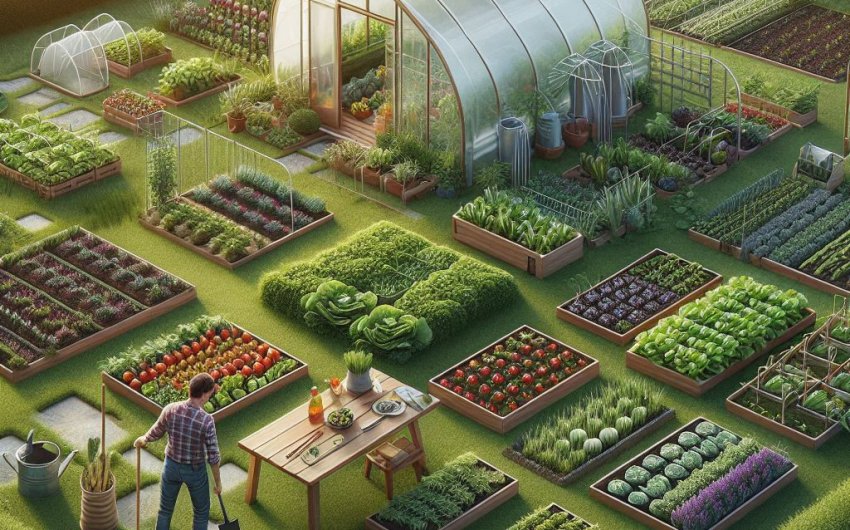
You can extend your vegetable garden's growing season by protecting plants from early and late frosts and optimizing their growing conditions. This involves using various season extension techniques and understanding your local climate.
What is Season Extension in Vegetable Gardening?
Season extension in vegetable gardening refers to the use of various methods and tools to prolong the period during which you can grow and harvest crops outdoors. It helps gardeners start earlier in spring, continue through unexpected cold snaps, and keep harvesting later into the fall or even winter.
Why is Extending the Growing Season Beneficial?
Extending your vegetable garden's growing season offers numerous advantages:
- Increased Yields: More time to grow means more harvests. You can fit in more planting cycles.
- Greater Variety: Grow crops that need a longer time to mature. You can also grow plants specific to cooler or warmer periods.
- Fresh Produce Longer: Enjoy fresh, homegrown vegetables for a greater part of the year. This reduces reliance on store-bought produce.
- Cost Savings: Less money spent at the grocery store on vegetables you can grow yourself.
- Gardening Enjoyment: Spend more time doing what you love, even when the weather isn't perfect.
- Experimentation: Try new planting times or crops that might not fit a traditional season.
How Can Row Covers Help Extend the Growing Season?
Row covers are one of the simplest and most effective tools for extending the growing season. They create a microclimate around your plants, offering protection from cold, wind, and even some pests.
What are the Types of Row Covers?
Row covers come in different materials and weights, each serving a specific purpose:
- Lightweight (Floating) Row Covers:
- Material: Spun-bonded polypropylene.
- Features: Very light, allows 85-95% light transmission. Can be laid directly over plants ("floated"). Offers 2-4°F (1-2°C) frost protection. Excellent for pest exclusion.
- Uses: Early spring warming, insect barrier, mild frost protection.
- Medium-weight Row Covers:
- Material: Thicker spun-bonded polypropylene.
- Features: Allows 70-85% light transmission. Offers 4-8°F (2-4°C) frost protection. Still somewhat light but often needs support.
- Uses: Moderate frost protection, extending the season into cooler fall weather.
- Heavy-weight Row Covers:
- Material: Densest spun-bonded polypropylene.
- Features: Allows 50-70% light transmission. Offers 8-10°F (4-6°C) or more frost protection. Requires support hoops.
- Uses: Significant frost protection, winter protection for hardy crops, deep season extension.
You can find various options, such as the Agfabric Floating Row Cover.
How to Use Row Covers Effectively:
- Preparation: Prepare your garden bed and plant your seeds or transplants.
- Support (optional but recommended): For heavier covers or long-term use, use hoops made from PVC pipe, metal, or flexible tubing. Space hoops every 4-6 feet (1.2-1.8 meters).
- Draping: Lay the row cover over the plants or hoops.
- Securing: Anchor the edges of the row cover firmly to the ground. Use soil, rocks, sandbags, or landscape pins. This prevents wind from blowing it away and traps warmth.
- Ventilation: On warm, sunny days, especially with medium or heavy covers, lift the sides for ventilation to prevent overheating. This is less critical with lightweight covers.
- Watering: Water can usually penetrate row covers, but check soil moisture regularly.
| Row Cover Type | Light Transmission | Frost Protection | Support Needed? | Primary Use Case |
|---|---|---|---|---|
| Lightweight | 85-95% | 2-4°F (1-2°C) | No (can float) | Pest barrier, mild frost |
| Medium-weight | 70-85% | 4-8°F (2-4°C) | Recommended | Moderate frost, fall growing |
| Heavy-weight | 50-70% | 8-10°F (4-6°C) | Yes | Winter protection, deep cold |
What are Cold Frames and How Do They Work?
Cold frames are unheated, bottomless boxes with a transparent lid that allows sunlight in. They are excellent for hardening off seedlings, protecting tender plants from frost, and growing cold-hardy crops through the winter. They are essentially mini-greenhouses.
Benefits of Using a Cold Frame:
- Seed Starting: Get a head start on warm-season crops. Sow seeds earlier than you would outdoors.
- Hardening Off: Gradually introduce seedlings to outdoor conditions before transplanting. This prevents transplant shock.
- Winter Harvests: Grow cold-hardy greens like lettuce, spinach, and kale throughout the winter in many climates.
- Protection: Shield plants from frost, snow, and strong winds.
- Energy Efficiency: They rely on passive solar gain, requiring no external heating.
Consider a Palram Plant Inn Raised Garden Bed with Cold Frame.
How to Build or Set Up a Cold Frame:
- Location: Choose a sunny, well-drained spot, ideally facing south, to maximize sun exposure.
- Materials: The frame can be made from wood, brick, concrete blocks, or even bales of straw. The lid typically consists of old windows, polycarbonate sheets, or reinforced plastic sheeting.
- Size: Build it large enough to hold the plants you intend to grow but small enough to easily access.
- Lid: Ensure the lid is hinged or easily removable for ventilation. The lid should be slightly sloped to shed water and maximize solar gain.
- Ventilation: This is crucial. On sunny days, especially if temperatures rise above 45°F (7°C), prop open the lid to prevent overheating and to allow air circulation. Close it again before sunset to trap warmth.
- Insulation: You can bank straw bales or soil around the outside of the cold frame for added insulation, especially in very cold climates.
How Can Greenhouses Extend the Growing Season Significantly?
Greenhouses offer the most comprehensive and significant way to extend your vegetable garden's growing season. They provide a controlled environment that allows for year-round cultivation in many regions, or at least a much longer season than unassisted outdoor growing.
Types of Greenhouses for Home Gardeners:
- Lean-to Greenhouses: Attached to an existing building, saving on construction costs and potentially sharing heat.
- Freestanding Greenhouses: Stand-alone structures, offering more flexibility in placement and often better air circulation.
- Hoop Houses (Polytunnels): Simple, arch-shaped structures covered with greenhouse film. More affordable and easier to build than traditional rigid greenhouses. Excellent for larger garden spaces.
For a good starter option, look at the Outsunny Walk-in Greenhouse.
Key Components of a Greenhouse for Season Extension:
- Structure: Can be made from aluminum, steel, or wood. Aluminum is popular for its durability and light weight.
- Glazing Material:
- Polycarbonate Panels: Durable, good insulation, diffuse light (reduces scorching), relatively lightweight. Available in single, double, or triple wall.
- Polyethylene Film: Affordable, common for hoop houses. Less durable than polycarbonate, needs replacement every few years.
- Glass: Excellent light transmission, aesthetically pleasing, but expensive and prone to breakage.
- Ventilation: Critical for temperature and humidity control.
- Vents: Roof vents and side vents are essential. Automatic vent openers can be very helpful.
- Fans: Exhaust fans can provide forced air ventilation, especially in larger greenhouses.
- Heating (Optional): For true year-round growing in cold climates.
- Electric Heaters: Convenient for smaller spaces.
- Propane/Natural Gas Heaters: More powerful for larger greenhouses.
- Passive Solar Heating: Use thermal mass (water barrels, rocks) to absorb heat during the day and release it at night.
- Shading (Optional): In hot climates or during intense summer sun, shade cloth prevents overheating and scorching.
- Watering System: Drip irrigation or soaker hoses save time and water.
Greenhouse Management for Maximum Season Extension:
- Temperature Control: Monitor temperatures closely. Vent during warm days, heat during cold nights.
- Humidity Management: Good ventilation helps reduce humidity, preventing fungal diseases.
- Light: Ensure adequate light, especially in winter. Supplemental lighting may be needed.
- Pest and Disease Control: Greenhouses can be prone to specific pests and diseases due to enclosed conditions. Implement IPM (Integrated Pest Management) strategies.
How Do Water-Based Season Extenders Work?
Water has unique thermal properties that make it an excellent tool for season extension. It can absorb and release heat slowly, creating a stable microclimate around plants.
What are Wall O' Waters?
Wall O' Waters are ingenious devices designed to protect individual plants from cold. They consist of a ring of clear plastic tubes that you fill with water.
- How they work: During the day, the water in the tubes absorbs solar energy, heating up. At night, as air temperatures drop, the water slowly releases this stored heat, radiating it back towards the plant. This creates a protective, warm zone around the plant.
- Benefits:
- Offers significant frost protection, often down to 16°F (-9°C).
- Allows planting tender crops (tomatoes, peppers, melons) several weeks earlier in spring.
- Provides insulation against cold winds.
- Eliminates the need for bringing plants indoors during sudden cold snaps.
You can often find Wall O' Water plant protectors online.
How to Use Wall O' Waters:
- Assemble: Arrange the plastic tubes into a circular teepee shape.
- Fill: Slowly fill each tube with water. They will stand upright as they fill.
- Planting: Place a young transplant in the center of the Wall O' Water.
- Maintenance: The water typically stays in place for the season. Monitor your plant's growth. Once all danger of frost has passed, you can carefully remove the Wall O' Water or leave it in place until the plant outgrows it.
Other Water-Based Methods:
- Black Water Barrels: Paint large barrels or containers black and fill them with water. Place them in your greenhouse or cold frame. They act as thermal mass, absorbing heat during the day and radiating it at night, helping to stabilize temperatures.
- Compost Piles (Hot Beds): An active, decomposing compost pile generates heat. You can build a cold frame directly on top of a "hot bed" (a layered bed of fresh manure and other organic materials) to provide bottom heat for early seed starting.
How Can Mulching Extend the Growing Season and Improve Soil?
Mulching is a simple yet powerful technique for extending the vegetable garden's growing season while simultaneously improving soil health. It helps regulate soil temperature, conserve moisture, and suppress weeds.
How Does Mulch Help Extend the Season?
- Soil Warming (Spring): Dark-colored mulches, like black plastic or dark compost, absorb solar radiation and transfer heat to the soil, warming it faster in spring. This allows earlier planting of warm-season crops.
- Soil Insulation (Fall/Winter): Organic mulches (straw, leaves, wood chips) act as an insulating blanket. They protect plant roots from freezing temperatures, allowing cool-season crops to continue growing later into the fall and even survive winter for a spring harvest. They also prevent soil heaving due to freeze-thaw cycles.
- Moisture Retention: Mulch reduces water evaporation from the soil, meaning you water less frequently. This is beneficial during dry spells that can occur at any time of year.
- Weed Suppression: By blocking sunlight, mulch reduces weed growth, competing less with your vegetables for water and nutrients.
Types of Mulch for Season Extension:
- Organic Mulches:
- Straw: Excellent insulator for winter protection, lightweight, breaks down into compost.
- Leaves: Free and abundant in autumn, great insulator. Shredded leaves decompose faster.
- Compost: Adds nutrients to the soil while providing some insulation and moisture retention.
- Wood Chips/Bark: Longer-lasting, good for perennial beds or pathways, but can sometimes tie up nitrogen if mixed into soil.
- Inorganic Mulches:
- Black Plastic Sheeting: Excellent for warming soil quickly in spring for heat-loving crops (tomatoes, peppers, melons). Suppresses weeds completely.
- Clear Plastic Sheeting: Even more effective at warming soil than black plastic (solarization effect), but allows weeds to grow underneath. Best used for soil warming then removed or covered.
- Red Plastic Mulch: Anecdotal evidence suggests it may boost tomato yields by reflecting certain light wavelengths.
- Landscape Fabric: A woven material that allows water and air to pass through but blocks weeds. Can also help with some soil warming.
Tips for Effective Mulching:
- Apply at the Right Time: For spring warming, apply dark mulches after the soil has begun to warm naturally. For fall/winter insulation, apply organic mulches before hard frosts arrive.
- Thickness: Apply organic mulches at a depth of 2-4 inches (5-10 cm). Avoid piling mulch against plant stems, which can encourage rot.
- Monitor Soil Moisture: Even with mulch, always check soil moisture before watering.
- Plastic Mulch Considerations: While effective for warming, plastic mulches prevent water from penetrating directly and can hinder beneficial insect activity. They also need to be removed and disposed of. Use drip irrigation under plastic mulch.
How Does Crop Selection Impact Season Extension?
Choosing the right plants is fundamental to successfully extending your vegetable garden's growing season. Some plants naturally tolerate colder temperatures or mature quickly, making them ideal candidates for early spring or late fall harvests.
What are Cold-Hardy Crops?
Cold-hardy crops are plants that can withstand frost and continue to grow in cooler temperatures. Many of these actually taste better after a light frost.
Examples of Cold-Hardy Vegetables:
- Leafy Greens: Spinach, kale, collard greens, Swiss chard, arugula, mesclun, various lettuces (especially romaine and butterhead types).
- Root Vegetables: Carrots, radishes, parsnips, turnips, beets. Many improve in sweetness after frost.
- Brassicas: Broccoli, cabbage, Brussels sprouts (which need cool weather to develop well).
- Alliums: Leeks, some varieties of onions.
What are Quick-Maturing Crops?
Quick-maturing crops have a short "days to maturity" (DTM) period. This allows you to plant them early in spring, get a harvest, and then plant another crop (succession planting) before the intense summer heat, or plant them late in summer for a fall harvest.
Examples of Quick-Maturing Vegetables:
- Radishes: As little as 21-30 days.
- Lettuce: 30-60 days depending on variety.
- Spinach: 30-45 days.
- Arugula: 20-40 days.
- Bush Beans: 50-60 days.
- Baby Carrots: 50-60 days.
Strategies for Crop Selection and Succession Planting:
- Early Spring Plantings: Focus on cold-hardy and quick-maturing crops. Use row covers or cold frames to get them started even earlier.
- Succession Planting: Plant small batches of quick-maturing crops every 2-3 weeks. When one batch is harvested, plant another. This ensures a continuous supply.
- Late Summer/Fall Plantings: As summer crops begin to fade, sow seeds of cold-hardy vegetables for fall and winter harvests. Aim to plant these about 6-8 weeks before your first anticipated hard frost.
- Overwintering: Some cold-hardy crops can be overwintered under heavy row covers or in cold frames for a very early spring harvest. This includes kale, spinach, leeks, and some carrots.
How Can Indoor Seed Starting Help Extend the Growing Season?
Indoor seed starting is a foundational technique for extending the vegetable garden's growing season, especially for heat-loving plants in cooler climates. It allows you to give plants a significant head start before outdoor conditions are favorable.
Why Start Seeds Indoors?
- Early Start: Sow seeds weeks or even months before the last frost date. This gives plants like tomatoes, peppers, and eggplants a longer growing period to produce fruit.
- Stronger Transplants: Grow sturdy, healthy seedlings in a controlled environment, making them more resilient when transplanted outdoors.
- Cost Savings: Buying seed packets is much cheaper than purchasing established transplants from a nursery.
- Greater Variety: Access to a wider selection of seed varieties than typically available as nursery starts.
- Enjoyment: The simple pleasure of watching seeds germinate and grow.
Essential Supplies for Indoor Seed Starting:
- Seed Starting Mix: A fine-textured, sterile, soilless mix designed for seeds. It provides good drainage and aeration. Espoma Organic Seed Starter Mix is a great choice.
- Seed Starting Trays/Pots: Flats, cell packs, peat pots, or even recycled containers with drainage holes.
- Light Source: Crucial for strong seedlings.
- Grow Lights: Full-spectrum LED grow lights are ideal. Fluorescent shop lights (T5 or T8) also work. Position lights just a few inches above the seedlings to prevent leggy growth.
- Sunny Window: May work for very low-light plants but often leads to leggy seedlings stretching for light.
- Heat Mat (Optional but Recommended): Provides bottom heat, which greatly aids germination for many seeds.
- Spray Bottle: For gentle watering.
- Labels: To keep track of what you've planted.
Steps for Successful Indoor Seed Starting:
- Read Seed Packets: Pay attention to germination time, light requirements, and when to start indoors before the last frost date.
- Prepare Containers: Fill clean containers with moistened seed starting mix.
- Sow Seeds: Plant seeds at the recommended depth. A general rule is to plant seeds at a depth twice their diameter.
- Water Gently: Mist the surface or bottom water to avoid disturbing tiny seeds.
- Provide Warmth: Place trays on a heat mat if using, or in a warm location (70-75°F / 21-24°C is ideal for most).
- Provide Light: Once seeds sprout, immediately provide strong light for 12-16 hours per day. Keep grow lights just a few inches above the seedlings, adjusting as they grow.
- Watering: Keep the soil consistently moist but not soggy. Allow the very top layer to dry slightly between waterings.
- Fertilizing (Lightly): Once seedlings develop their first true leaves, you can start fertilizing with a very diluted liquid fertilizer (1/4 to 1/2 strength) once every week or two.
- Thinning: If you sowed multiple seeds per cell, thin to the strongest seedling once they have a few sets of true leaves.
- Hardening Off: This critical step acclimates seedlings to outdoor conditions before transplanting.
What is Hardening Off and Why is it Important?
Hardening off is the process of gradually acclimating your indoor-grown seedlings to outdoor conditions before transplanting them into the vegetable garden. It is an essential step to prevent transplant shock and ensure your young plants thrive.
Why Hardening Off is Crucial:
Indoor environments are very different from outdoors. Inside, temperatures are stable, light is consistent, humidity is higher, and there's no wind. Suddenly moving tender seedlings outdoors exposes them to:
- Direct Sunlight: Intense UV radiation can scorch leaves.
- Temperature Fluctuations: Wider swings between day and night.
- Wind: Can damage stems and leaves, and increase water loss.
- Lower Humidity: Causes increased transpiration and water stress.
Hardening off allows plants to develop a thicker cuticle (outer layer) on their leaves, strengthen their stems, and adjust to the rigors of the outdoor environment.
Steps for Hardening Off Seedlings:
Start this process 7-14 days before you plan to transplant your seedlings permanently outdoors. Choose a calm, overcast day for the first outing if possible.
- Day 1-3 (Shady, Sheltered Spot): Place your seedlings in a sheltered, shady location outdoors for 2-3 hours on the first day. This could be under a porch, a tree, or in a cold frame with the lid mostly closed. Gradually increase the time outdoors each day.
- Day 4-7 (Partial Sun): Move them to a spot that receives partial sun for a few hours, increasing their exposure to direct sunlight gradually. Continue increasing the time they spend outdoors each day.
- Day 8-10 (More Sun, Longer Hours): Move them to a location with more direct sun exposure. They can stay out for most of the day now, bringing them in at night if temperatures are still cool.
- Day 11-14 (Full Sun, Overnight): If nighttime temperatures are consistently above freezing (and ideal for your specific plant), they can stay out overnight in their final planting location, or near it.
- Monitor and Adjust: Always keep an eye on your seedlings. If they start to wilt or show signs of stress, bring them in or move them to a more sheltered spot immediately.
- Watering: Continue to keep them well-watered during the hardening-off process, as they will dry out faster outdoors.
By carefully hardening off, your seedlings will be robust and ready to thrive when they finally make their way into the vegetable garden, fully prepared for their extended season.
How Can Hoop Houses and High Tunnels Maximize Season Extension?
Hoop houses (also known as polytunnels) and high tunnels are larger, unheated structures that provide significantly more space and protection than cold frames, making them excellent tools to maximize your vegetable garden's growing season. They essentially create a larger, walk-in version of a cold frame.
What are Hoop Houses and High Tunnels?
- Hoop House: Typically a simpler, less expensive structure made of flexible hoops (metal or PVC) covered with a single layer of greenhouse-grade polyethylene film. They are often less permanent.
- High Tunnel: A more robust and usually taller version of a hoop house. Often constructed with stronger metal frames and sometimes a double layer of film for better insulation. Many are designed to be moved to different parts of the garden.
Benefits of Hoop Houses and High Tunnels for Season Extension:
- Significant Climate Modification: Elevate temperatures by 10-20°F (5-11°C) or more above ambient outdoor temperatures.
- Protection from Elements: Shield crops from frost, snow, hail, heavy rain, and strong winds.
- Pest and Disease Reduction: The physical barrier helps exclude many common pests, and controlled humidity can reduce certain diseases.
- Earlier Planting & Later Harvests: Allows for planting tender crops several weeks to months earlier in spring and continuing harvests deep into fall or even winter.
- Warmer Soil: The enclosed environment warms the soil faster and keeps it warmer, encouraging root growth.
- Water Conservation: Reduces evaporation from the soil.
For a larger backyard setup, consider a Quictent Heavy Duty Galvanized High Tunnel.
Key Management Practices for Hoop Houses/High Tunnels:
- Ventilation: This is the most crucial aspect. On sunny days, even in winter, temperatures inside can skyrocket.
- Roll-up Sides: Many designs feature roll-up sides, allowing you to open them on warm days and close them at night.
- End Walls: Openable doors or vents at the ends provide cross-ventilation.
- Monitoring: Use thermometers to track internal temperatures and vent as needed.
- Watering: While the structures protect from rain, you will need to actively water your plants inside. Drip irrigation or soaker hoses are highly recommended for efficiency.
- Snow Load: In areas with heavy snow, be prepared to remove snow from the exterior to prevent structural damage.
- Crop Selection: Maximize space by growing tall crops (tomatoes, cucumbers) that benefit from the height, and interplanting with shorter, cool-season crops (lettuce, spinach).
- Pest Management: While excluded from outside, pests introduced accidentally can thrive in the protected environment. Inspect plants regularly and use organic pest control methods if necessary.
- Soil Health: Continuous cropping inside a high tunnel can deplete soil nutrients. Regularly amend with compost and consider crop rotation within the tunnel.
What are Other Techniques to Extend the Growing Season?
Beyond major structures, several smaller yet effective techniques can help you extend the vegetable garden's growing season. These methods complement the larger strategies and add layers of protection and efficiency.
Season Extension Through Site Selection:
- Sunny Location: Choose the sunniest spot in your garden. More sun means warmer soil and air. A south-facing slope or wall can greatly enhance warmth.
- Wind Breaks: Plant hedges, build fences, or strategically place structures to block prevailing cold winds. Wind can severely dry out and chill plants.
- Thermal Mass: Incorporate elements that absorb heat during the day and release it at night.
- Stone Walls: South-facing stone walls near a garden bed will radiate warmth.
- Water Barrels: Large, dark-colored water barrels placed within or near the garden can act as heat sinks.
- Raised Beds: Raised beds warm up faster in spring and drain better than in-ground beds, which is beneficial for extending the season. Fill them with a good quality, well-draining soil mix.
Innovative Season Extension Tools:
- Cloches: Individual bell-shaped covers (glass or plastic) placed over single plants to provide mini-greenhouse protection. Great for very early starts of tender plants.
- Hot Caps: Similar to cloches, often made from waxed paper or plastic, offering temporary frost protection.
- Plastic Milk Jugs: Cut off the bottom of a clear plastic milk jug and place it over a young plant. Remove the cap for ventilation on warm days. A very cheap, temporary cloche.
- Floating Agribon: A brand name for lightweight spun-bonded row cover, very effective for providing a few degrees of frost protection and pest exclusion.
- Winter Sowing: A method of sowing seeds outdoors in recycled clear plastic containers (like milk jugs or soda bottles) during winter. The containers act as mini-greenhouses, allowing seeds to germinate naturally when conditions are right in spring. This is particularly good for cold-hardy annuals and perennials.
Cultural Practices for Extended Growing:
- Soil Health: Rich, well-drained soil that is amended with plenty of organic matter warms faster in spring, retains moisture better, and supports vigorous plant growth throughout a longer season.
- Proper Watering: Even with protection, plants need consistent watering. Overwatering in cold conditions can lead to root rot. Underwatering can cause stress.
- Planting Density: While you want to maximize space, avoid overcrowding plants. Good air circulation helps prevent diseases, especially in protected environments.
- Pest and Disease Monitoring: With an extended season, pests and diseases have more opportunities. Regularly inspect your plants and address issues promptly.
- Succession Planting: As mentioned earlier, strategic planting of multiple batches of quick-maturing crops over time ensures a continuous harvest through late spring, summer, and into fall.
- Harvesting: Regularly harvesting crops encourages plants to produce more, extending their productive life.
By combining these various techniques, from large structures like hoop houses to simple practices like mulching and selecting the right plants, you can significantly prolong the period you enjoy fresh produce from your vegetable garden.