
The Best Organic Fertilizers for Vegetable Gardens
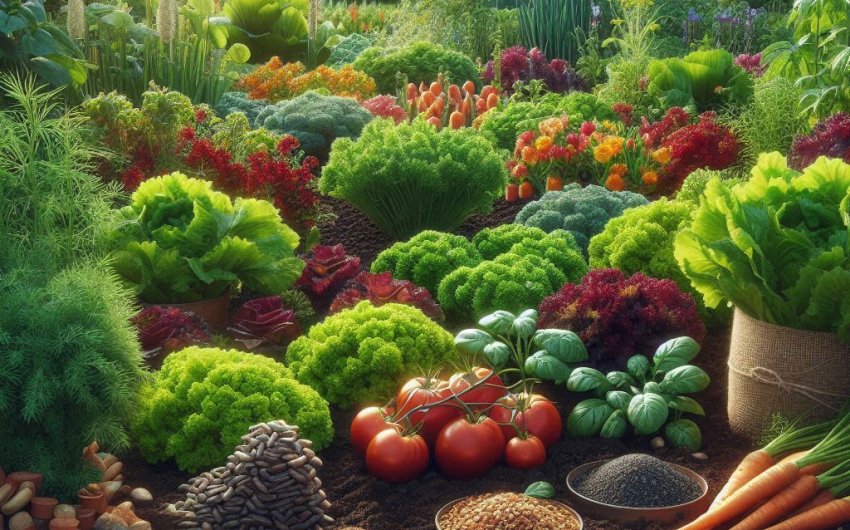
The best organic fertilizers for vegetable gardens focus on enhancing long-term soil health and providing a slow, steady release of nutrients, rather than just feeding the plant directly. Key options include compost, aged manures, worm castings, and various plant- and animal-derived meals.
Why Choose Organic Fertilizers for Your Vegetable Garden?
Choosing organic fertilizers for vegetable gardens is a fundamental decision that impacts not just your plants, but the long-term health of your soil, the surrounding environment, and even the nutritional quality of your harvest. It's a holistic approach that works with nature, rather than against it.
1. Nurtures Soil Health and Microbial Life
- Feeds the Soil, Not Just the Plant: Unlike synthetic fertilizers that provide immediately available nutrients directly to plants, organic fertilizers nourish the vast ecosystem of beneficial microorganisms (bacteria, fungi, protozoa, earthworms) in the soil. These microbes break down organic matter, slowly releasing nutrients in a form that plants can naturally absorb.
- Improves Soil Structure: Organic matter (like compost, manures) enhances soil tilth, creating stable aggregates that improve aeration, drainage in heavy clay soils, and water retention in sandy soils. This leads to healthier roots and more resilient plants.
- Increases Organic Matter: Consistent use of organic fertilizers, especially compost and manures, steadily builds the organic matter content of your soil. Organic matter is crucial for nutrient cycling, moisture retention, and overall soil vitality.
2. Slow and Steady Nutrient Release
- Reduces Nutrient Leaching: Organic fertilizers release nutrients slowly as they decompose, mimicking natural processes. This steady supply means less nutrient runoff into waterways, preventing pollution and ensuring plants get a consistent feed over time.
- Less Risk of Over-Fertilization: Because of their slow release, organic fertilizers are much less likely to "burn" plants (cause root or leaf damage from excessive salts) compared to concentrated synthetic fertilizers.
- Natural Pace: Plants absorb nutrients when they need them, at a rate determined by microbial activity and environmental conditions. This gentle feeding promotes robust, natural growth.
3. Environmentally Friendly
- Reduced Chemical Footprint: Eliminates the use of synthetic chemicals derived from fossil fuels or energy-intensive manufacturing processes.
- Prevents Water Pollution: Minimizes runoff of excess nitrates and phosphates into rivers, lakes, and oceans, which can lead to harmful algal blooms and ecosystem damage.
- Supports Biodiversity: A healthy, organic soil ecosystem supports a wider array of beneficial insects and wildlife, contributing to overall biodiversity in your garden.
4. Healthier Food (Potential Benefits)
- Nutrient Density: While research is ongoing, many proponents believe that vegetables grown in healthy, organically enriched soil may have higher concentrations of certain vitamins, minerals, and phytonutrients.
- No Chemical Residues: Eliminates concerns about synthetic fertilizer residues on your produce.
5. Sustainable Gardening Practices
- Closed-Loop System: Encourages practices like composting kitchen scraps and yard waste, turning them back into valuable garden resources.
- Long-Term Investment: Investing in soil health through organic practices builds a resilient, productive garden that improves year after year, reducing the need for constant external inputs.
Choosing organic fertilizers for vegetable gardens is an investment in the long-term health and productivity of your soil, ensuring a vibrant garden and delicious, homegrown produce for years to come.
What Are the Essential Nutrients for Vegetable Gardens?
Understanding the essential nutrients is foundational when selecting the best organic fertilizers for vegetable gardens. Plants require a balanced diet of macro and micronutrients, each playing a vital role in their growth, health, and ability to produce abundant harvests.
Macronutrients (Needed in Larger Quantities)
These are the "big three" found on fertilizer labels (N-P-K ratios).
- Nitrogen (N):
- Role: Promotes lush, green, leafy growth. Essential for photosynthesis and protein formation.
- Signs of Deficiency: Yellowing of older leaves, stunted growth, pale green foliage.
- Organic Sources: Blood meal, fish emulsion, fresh compost, aged manures, alfalfa meal.
- Phosphorus (P):
- Role: Critical for root development, flowering, fruiting, and seed formation. Essential for energy transfer within the plant.
- Signs of Deficiency: Purplish tint on leaves (especially undersides), stunted growth, poor flowering/fruiting.
- Organic Sources: Bone meal, rock phosphate, aged manures, compost.
- Potassium (K):
- Role: Important for overall plant vigor, disease resistance, water regulation, and fruit quality. Helps plants withstand stress.
- Signs of Deficiency: Yellowing or browning of leaf edges (older leaves first), weak stems, poor fruit development.
- Organic Sources: Greensand, kelp meal, wood ash (use sparingly and with caution, as it raises pH), compost.
Secondary Macronutrients (Needed in Moderate Quantities)
- Calcium (Ca):
- Role: Essential for cell wall formation, root development, and fruit quality (e.g., prevents blossom end rot in tomatoes).
- Signs of Deficiency: Blossom end rot, distorted new growth, stunted roots.
- Organic Sources: Bone meal, eggshells (ground), gypsum, crushed oyster shells.
- Magnesium (Mg):
- Role: Core component of chlorophyll (essential for photosynthesis), aids in nutrient uptake.
- Signs of Deficiency: Yellowing between veins of older leaves (interveinal chlorosis).
- Organic Sources: Epsom salts (magnesium sulfate), compost, dolomite lime.
- Sulfur (S):
- Role: Component of proteins and enzymes, important for chlorophyll formation and plant metabolism.
- Signs of Deficiency: Overall pale green or yellowish young leaves, stunted growth.
- Organic Sources: Gypsum, elemental sulfur (also lowers pH).
Micronutrients (Needed in Trace Amounts)
Though needed in small quantities, these are equally vital. Deficiencies can severely impact plant health.
- Iron (Fe): Essential for chlorophyll production. Deficiency causes interveinal chlorosis (yellowing between green veins) in younger leaves.
- Manganese (Mn): Involved in photosynthesis and enzyme activation. Deficiency causes similar symptoms to iron.
- Zinc (Zn): Important for hormone production and plant growth. Deficiency causes stunted growth and small leaves.
- Boron (B), Copper (Cu), Molybdenum (Mo), Chlorine (Cl): Other crucial trace elements.
How to Ensure Balanced Nutrition
- Soil Test: The most accurate way to know your soil's existing nutrient levels and pH. A soil test kit from your local extension office is invaluable.
- Organic Matter (Compost): A continuous supply of high-quality compost is the best way to ensure a broad spectrum of balanced nutrients and healthy microbial life that makes these nutrients available.
- Specific Amendments: Use specific organic fertilizers to address known deficiencies identified by a soil test or visible plant symptoms.
By providing a comprehensive range of nutrients through the best organic fertilizers for vegetable gardens, you empower your plants to grow strong, resist disease, and yield bountiful, delicious harvests.
What Are the Top Organic Fertilizers for General Garden Use?
For consistent soil health and robust plant growth across your entire vegetable garden, certain organic fertilizers stand out as indispensable workhorses. These provide a broad spectrum of nutrients and, more importantly, nurture the soil ecosystem.
1. Compost
- The Gold Standard: Compost is undoubtedly the king of organic fertilizers for vegetable gardens. It's a miracle worker for soil health.
- Nutrient Profile: Provides a balanced, slow-release supply of macro- and micronutrients. The exact NPK varies (around 1-1-1 to 3-1-2), depending on source materials.
- Benefits: Improves soil structure (drainage in clay, water retention in sand), feeds beneficial microbes, buffers pH, and suppresses diseases.
- Application:
- Pre-planting: Work 2-4 inches into the top 6-8 inches of soil.
- Top-dressing: Spread 1-2 inches over beds annually or biennially.
- Side-dressing: Apply a thin layer around individual plants during the growing season.
- Source: Homemade compost from kitchen scraps and yard waste, or purchase high-quality finished compost.
2. Aged Manure
- Nutrient Profile: Varies by animal. Chicken manure is highest in nitrogen (around 3-2-2). Cow and horse manure are more balanced (around 0.5-0.2-0.5).
- Benefits: Excellent source of organic matter, improves soil structure, provides a wide range of nutrients.
- Important: Must be aged (composted). Fresh manure can burn plants due to high ammonia content and may contain pathogens or weed seeds. Look for manure that's been aged for at least 6 months to 1 year.
- Application: Work 1-2 inches into garden beds in fall or early spring, allowing time for further breakdown.
- Consider a bag of Composted Cow Manure.
3. Worm Castings (Vermicompost)
- Nutrient Profile: Highly concentrated, balanced nutrients that are readily available to plants (around 2-1-1 to 3-1-1). Rich in beneficial microbes.
- Benefits: Acts as a superfood for soil and plants. Improves germination, root growth, and disease resistance. Odorless and easy to use.
- Application:
- Seed starting: Mix a small amount into seed-starting mix.
- Transplanting: Place a handful in the bottom of planting holes.
- Top-dressing: Sprinkle 1/4 to 1/2 inch around plants or over beds.
- Compost tea: Steep in water to make a nutrient-rich liquid feed.
- Consider Worm Castings Organic Fertilizer.
4. Alfalfa Meal
- Nutrient Profile: Good source of nitrogen (around 2-1-2 to 3-1-3) and other micronutrients, plus growth stimulants.
- Benefits: Provides a gentle, steady release of nitrogen.
- Application: Work into the soil before planting, or side-dress established plants. Often used for roses and heavy feeders.
5. Blood Meal
- Nutrient Profile: High in nitrogen (around 12-0-0).
- Benefits: Provides a quick burst of nitrogen for leafy growth.
- Application: Use sparingly for plants that need a nitrogen boost. Avoid using near brassicas if clubroot is an issue. Can attract some animals.
6. Bone Meal
- Nutrient Profile: High in phosphorus (around 3-15-0 or higher) and calcium.
- Benefits: Excellent for root development, flowering, and fruiting.
- Application: Incorporate into soil at planting time, especially for root crops, fruiting vegetables, and bulbs. Slow-release.
7. Kelp Meal (Seaweed)
- Nutrient Profile: Low NPK (around 1-0-2), but rich in trace minerals, vitamins, and plant hormones.
- Benefits: Enhances overall plant vigor, disease resistance, and improves soil structure.
- Application: Mix into soil or use as a liquid feed (seaweed extract).
A healthy vegetable garden benefits most from a combination of these elements, with compost being the foundation. By understanding and utilizing the best organic fertilizers for vegetable gardens, you build long-term soil fertility.
How Do I Apply Organic Fertilizers to My Vegetable Garden?
Proper application of organic fertilizers for vegetable gardens is just as important as choosing the right ones. Unlike synthetic fertilizers that are often granular and applied precisely, organic applications often involve integrating them into the soil, top-dressing, or creating liquid feeds.
1. Soil Preparation Before Planting
This is the most crucial time to incorporate bulk organic amendments.
- Compost: Spread a generous layer of 2 to 4 inches of finished compost over the entire garden bed.
- Aged Manure: If using aged manure, spread a layer of 1 to 2 inches.
- Granular Amendments: Incorporate bone meal, rock phosphate, alfalfa meal, or greensand at recommended rates.
- Integration: Gently fork or rake these amendments into the top 6-8 inches of your existing garden soil. The goal is to mix them thoroughly with the native soil without deep tilling that can disrupt the soil structure.
- Timing: Ideally, apply in the fall or early spring, giving organic materials time to break down and integrate before planting.
2. Top-Dressing
Top-dressing involves applying a thin layer of organic material over the soil surface around existing plants or over the entire bed.
- Material: Best done with finished compost or worm castings.
- Application:
- Around established plants: Spread a 1/4 to 1/2 inch layer around the base of individual plants, extending out to the drip line. Avoid piling material directly against the stem, as this can encourage rot.
- Over entire bed: For a continuous boost, spread a thin layer over the entire bed.
- Frequency: Can be done annually or biannually for maintenance, or periodically during the growing season for heavy feeders.
- Benefits: Slowly releases nutrients, improves soil structure from the top down, conserves moisture, and suppresses weeds.
3. Side-Dressing
Side-dressing is applying fertilizer along the side of a plant row or around individual plants that are already growing.
- Material: Granular organic fertilizers (blood meal for leafy greens, bone meal for fruiting plants, or a balanced organic blend) or compost.
- Application:
- Granular: Sprinkle a small amount of granular fertilizer in a band a few inches away from the plant stem or along the row, avoiding direct contact with the stem.
- Compost/Manure: Apply a shallow layer of compost or aged manure.
- Gently Incorporate: Lightly scratch the fertilizer into the top inch or two of soil, then water thoroughly to help the nutrients begin to break down and move into the root zone.
- Timing: Typically done when plants are beginning to establish, during heavy fruiting, or when plants show signs of needing a boost.
4. Liquid Feeds (Compost Tea, Fish Emulsion, Seaweed Extract)
These provide a quicker, but still gentle, nutrient boost, often used for young plants or during periods of rapid growth/fruiting.
- Preparation: Dilute according to product instructions. For homemade compost tea, steep finished compost in water for 24-48 hours.
- Application: Use a watering can or sprayer to apply to the soil around the plants. Foliar feeding (spraying on leaves) can also be done, especially for micronutrients, but soil application is usually more effective for major nutrients.
- Frequency: Can be applied every 2-4 weeks during the active growing season.
- Timing: Best applied in the morning or late afternoon to allow absorption before intense sun or evaporation.
General Application Tips
- Soil Test First: Always do a soil test to know what nutrients your garden actually needs. This prevents over-application and ensures you're targeting specific deficiencies.
- Water In: Always water thoroughly after applying granular organic fertilizers to help them break down and make nutrients available to the plants.
- Avoid Contact with Stems: Keep granular fertilizers a few inches away from plant stems to prevent potential burn.
- Patience: Remember that organic fertilizers work slowly. You won't see immediate results like with synthetic fertilizers. Consistent application builds long-term soil health.
By following these application guidelines, you effectively integrate the best organic fertilizers for vegetable gardens into your soil, leading to a thriving and productive growing space.
How Do Organic Fertilizers Improve Soil Structure?
The unique advantage of organic fertilizers for vegetable gardens lies not just in their nutrient content, but in their profound ability to transform and improve soil structure. This is a long-term benefit that synthetic fertilizers cannot replicate, and it's key to a resilient, productive garden.
What is Soil Structure?
Soil structure refers to how individual soil particles (sand, silt, clay) are aggregated or clumped together. Healthy soil structure resembles a crumbly cottage cheese or sponge, full of spaces (pores) for air and water.
- Good Structure: Many stable aggregates, ample pore space for air and water, easy for roots to penetrate, good drainage, resistant to compaction.
- Poor Structure (Compacted/Crumbly): Few stable aggregates, limited pore space, poor drainage, hard for roots to grow, prone to compaction.
How Organic Fertilizers Enhance Soil Structure
Organic fertilizers, primarily through their organic matter content and the stimulation of microbial life, improve soil structure in several key ways:
- Creation of Soil Aggregates:
- "Glue" Effect: As organic matter decomposes, it releases sticky substances (like polysaccharides, humic acids, and glomalin from fungal hyphae). These substances act as natural glues, binding individual soil particles together into stable aggregates.
- Earthworm Activity: Organic matter is food for earthworms. Their burrowing creates channels, and their castings (excrement) are rich in stable aggregates, further improving structure and porosity.
- Increased Pore Space:
- Aeration and Drainage: As aggregates form, they create larger, more stable pore spaces within the soil. These pores allow essential oxygen to reach plant roots and beneficial microbes, and facilitate excellent drainage, preventing waterlogging.
- Water Retention: Paradoxically, these same pores, while improving drainage, also hold tiny films of water (capillary water) for plants to access, improving moisture retention during dry spells.
- Improved Tilth and Workability:
- Looser Soil: Soil with good structure is light, crumbly, and easy to work. You can easily push your hand or a shovel into it. This reduces the effort needed for planting and cultivation.
- Reduced Compaction: Soil with stable aggregates is much more resistant to compaction from foot traffic or heavy rain, maintaining its airy structure.
- Buffering Capacity:
- Organic matter can help buffer extreme changes in soil pH, making the soil more stable and forgiving.
How Organic Fertilizers Do It (The Living Soil)
The magic isn't just the raw material; it's the biological processes it sparks:
- Microbial Food Source: Organic fertilizers provide food for the vast and diverse soil food web. Bacteria, fungi, protozoa, nematodes, and arthropods break down the organic material.
- Mycorrhizal Fungi: These beneficial fungi form symbiotic relationships with plant roots. Their extensive hyphae (filaments) physically extend into the soil, binding soil particles together and extracting nutrients for the plant, further enhancing structure.
- Nutrient Cycling: As microbes decompose organic matter, they convert nutrients into plant-available forms, creating a slow-release, natural nutrient delivery system.
By consistently adding organic fertilizers for vegetable gardens, especially compost and aged manures, you don't just feed your plants; you cultivate a living, breathing soil that continuously improves its own structure, leading to a healthier, more productive, and resilient garden ecosystem.
Can I Make My Own Organic Fertilizers for My Vegetable Garden?
Yes, absolutely! Making your own organic fertilizers for vegetable gardens is one of the most rewarding and sustainable practices in gardening. It allows you to create nutrient-rich amendments from common household and yard waste, reducing waste and saving money.
1. Composting (The Ultimate DIY Fertilizer)
- What it is: The process of decomposing organic materials (kitchen scraps, yard waste) into a dark, crumbly, nutrient-rich soil amendment.
- Why it's great: Provides a balanced, slow-release source of macro- and micronutrients. Improves soil structure, aeration, and water retention. Introduces beneficial microbes.
- How to make it:
- Choose a compost bin or pile: Can be simple wire bins, commercial tumblers, or open piles. Consider a Composter Tumbler Dual Chamber for efficiency.
- Layer "Greens" and "Browns":
- Greens (Nitrogen-rich): Fruit and vegetable scraps, coffee grounds, grass clippings, fresh weeds.
- Browns (Carbon-rich): Dry leaves, shredded paper/cardboard, straw, wood chips.
- Aim for a ratio of roughly 2 parts brown to 1 part green by volume.
- Add Water: Keep the pile consistently moist, like a wrung-out sponge.
- Turn Regularly: Turn the pile every 1-2 weeks to aerate it and speed up decomposition.
- Be Patient: Finished compost takes anywhere from 2 months to a year, depending on conditions.
- What NOT to compost: Meat, dairy, oily foods, pet waste, diseased plants, chemically treated materials.
2. Composted Manure
- What it is: Animal manure (cow, horse, chicken, rabbit) that has been aged and broken down.
- Why it's great: Excellent source of nitrogen and other nutrients, adds organic matter.
- How to make it: Collect fresh manure and pile it in a dedicated area. Turn it periodically and keep it moist. It needs to age for at least 6 months to 1 year (ideally longer) before use to prevent burning plants and reduce pathogens/weed seeds.
- Caution: Always use composted manure, never fresh.
3. Worm Castings (Vermicompost)
- What it is: The excrement of earthworms as they digest organic matter.
- Why it's great: Highly concentrated, balanced nutrients that are readily available to plants, rich in beneficial microbes. Odorless.
- How to make it: Set up a worm bin. Add kitchen scraps and bedding (shredded newspaper, cardboard). The worms do the work.
- Consider a Worm Composting Bin to get started.
4. Compost Tea
- What it is: A liquid fertilizer made by steeping finished compost or worm castings in water.
- Why it's great: Provides a gentle nutrient boost and beneficial microbes that can be applied directly to plant roots or as a foliar spray.
- How to make it:
- Place a shovel-full of finished compost or worm castings in a permeable bag (like a burlap sack or old pillowcase).
- Suspend the bag in a bucket of dechlorinated water (let tap water sit out for 24 hours to off-gas chlorine).
- Let it steep for 1-3 days. You can aerate it with an aquarium pump for "aerated compost tea" (ACT).
- Dilute the tea with more water until it's the color of weak tea before applying.
5. Other Simple Homemade Options
- Banana Peel Fertilizer: Chop up banana peels (rich in potassium) and bury them around potassium-loving plants like tomatoes and peppers.
- Eggshell Meal: Crush dried eggshells into a fine powder (rich in calcium). Work into the soil to prevent blossom end rot. Takes a long time to break down.
- Coffee Grounds: Slightly acidic and add nitrogen. Work into the topsoil. Avoid large clumps.
Making your own organic fertilizers for vegetable gardens is a rewarding journey that connects you deeply to the cycles of nature in your backyard. It's a key step towards true garden sustainability.