
How to Start a Vegetable Garden in a Shaded Area?
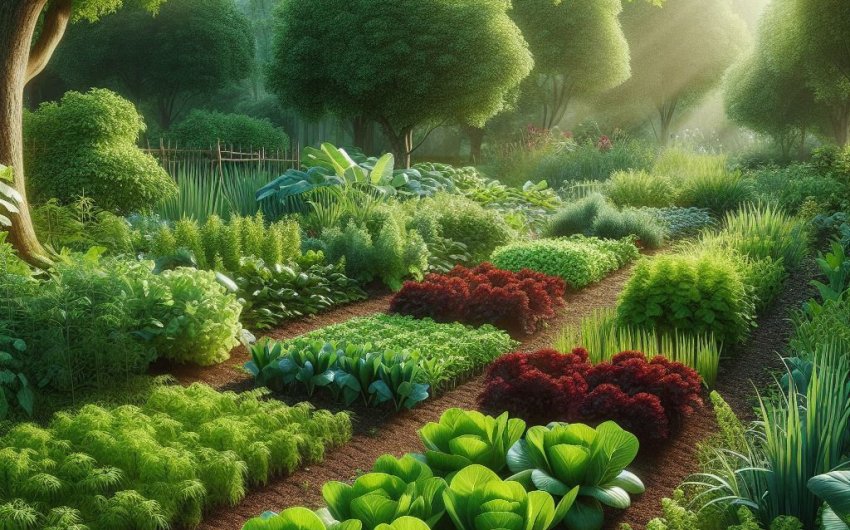
Starting a vegetable garden in a shaded area is entirely possible by selecting the right shade-tolerant crops, maximizing available light, and enhancing soil quality. While full sun (6+ hours) is ideal for most vegetables, many leafy greens, root vegetables, and herbs can thrive with less.
How Much Light Do Vegetables Really Need?
Understanding light requirements is fundamental when gardening, especially in shaded areas. While "full sun" is often stated as a blanket requirement for vegetables, the reality is more nuanced, and many crops can still produce a worthwhile harvest with less.
Defining Sunlight Categories
Gardeners typically categorize sunlight exposure into a few key levels:
- Full Sun: At least 6-8 hours of direct sunlight per day. This is the ideal for most fruiting vegetables like tomatoes, peppers, corn, and squash, allowing them to produce abundant harvests and ripen properly.
- Partial Sun: 4-6 hours of direct sunlight per day, often with some shade during the hottest part of the afternoon. This is sufficient for many leafy greens and root vegetables, and can even be beneficial for some fruiting plants in hot climates (e.g., afternoon shade for tomatoes).
- Partial Shade: 2-4 hours of direct sunlight per day, usually in the morning or late afternoon, with filtered or indirect light for the rest of the day. Many leafy greens, some root vegetables, and most herbs can tolerate or even thrive in these conditions.
- Full Shade: Less than 2 hours of direct sunlight per day, or indirect/filtered light all day. This is the most challenging condition for vegetables. While some greens might survive, yields will be significantly reduced, and many vegetables will simply fail to thrive.
Why Light is Crucial for Vegetables
Light is literally food for plants; it's the energy source for photosynthesis, the process by which plants convert light energy into chemical energy (sugars) for growth and development.
- Fruiting Vegetables (High Light Needs): Plants that produce fruits (tomatoes, peppers, squash, beans, corn, cucumbers, melons) are the most demanding of sunlight. They need a lot of energy to develop flowers, pollinate, and mature their fruits. Less light means fewer flowers, poor pollination, and small, underdeveloped, or even no fruit.
- Root Vegetables (Moderate Light Needs): These vegetables (carrots, radishes, beets, potatoes) develop their edible part underground. While they don't need to ripen fruit, they still require sufficient light for their foliage to grow robustly and store energy in their roots. Less light leads to smaller, tougher roots.
- Leafy Greens (Lower Light Needs): Vegetables grown for their leaves (lettuce, spinach, kale, chard, collards) are the most tolerant of shade. They need light to produce lush foliage, but they don't require the intense energy necessary for fruit development. In fact, some leafy greens actually prefer some afternoon shade in hot climates to prevent bolting (going to seed prematurely) and bitterness.
- Herbs (Varying Needs): Most culinary herbs generally prefer full sun, but many, especially those grown for their leaves (mint, parsley, cilantro, chives), can tolerate partial shade. Mediterranean herbs (rosemary, thyme, oregano, lavender) demand full sun.
Before you start planting, it's vital to observe your chosen garden spot throughout the day to accurately assess its sunlight exposure. This will directly influence what you can successfully grow in your shaded area.
What Vegetables Grow Best in Partial Sun or Partial Shade?
Even if your garden doesn't get full sun all day, you have plenty of delicious options for your vegetable patch. Many vegetables, especially those grown for their leaves or roots, thrive in partial sun or partial shade.
Leafy Greens (Excellent for Shade)
These are your best bets for a shady garden, often yielding more tender leaves than when grown in full sun, especially in hot climates.
- Lettuce:
- Light Needs: Partial sun to partial shade (4-6 hours direct sun, or dappled shade all day).
- Why it works: Full sun often causes lettuce to bolt and become bitter, while shade keeps it cool and prevents premature bolting, leading to sweeter, tender leaves.
- Varieties: Loose-leaf varieties like 'Black Seeded Simpson' or 'Buttercrunch' are particularly forgiving.
- Spinach:
- Light Needs: Partial sun to partial shade (4-6 hours direct sun).
- Why it works: Similar to lettuce, spinach bolts quickly in heat and full sun. Shade extends its harvest season.
- Varieties: 'Bloomsdale Long Standing' or 'Tyee'. Consider heat-tolerant alternatives like Malabar spinach or New Zealand spinach for very hot, shady spots.
- Kale:
- Light Needs: Partial sun (4-6 hours direct sun).
- Why it works: While it prefers more sun, kale can produce well in partial sun, often yielding slightly more tender leaves.
- Varieties: 'Lacinato' (Dinosaur kale) or 'Red Russian'.
- Swiss Chard:
- Light Needs: Partial sun (4-6 hours direct sun).
- Why it works: Very heat tolerant for a leafy green and performs admirably in partial shade without bolting.
- Varieties: 'Bright Lights' (for colorful stems) or 'Fordhook Giant'.
- Arugula:
- Light Needs: Partial sun (4-6 hours direct sun).
- Why it works: Full sun makes it bolt and become overly spicy. Shade helps retain its milder, peppery flavor.
- Mustard Greens & Collards:
- Light Needs: Partial sun (4-6 hours direct sun).
- Why it works: Strong, flavorful greens that tolerate more shade than many.
Root Vegetables (Moderate Shade Tolerance)
These need sunlight for leaf development, which in turn fuels root growth, but can still produce in partial sun.
- Carrots:
- Light Needs: Partial sun (4-6 hours direct sun).
- Why it works: While full sun makes for bigger roots, you can still get decent carrots in partial sun. Roots may be smaller.
- Varieties: 'Danvers 126' or 'Nantes' types. Ensure loose, stone-free soil.
- Radishes:
- Light Needs: Partial sun (4-6 hours direct sun).
- Why it works: Quick-growing and don't need intense sun for long periods. Can bolt in full sun during hot spells.
- Varieties: 'Cherry Belle' or 'French Breakfast'.
- Beets:
- Light Needs: Partial sun (4-6 hours direct sun).
- Why it works: Grow well in partial sun, producing both edible roots and greens.
- Varieties: 'Detroit Dark Red' or 'Chioggia'.
- Potatoes:
- Light Needs: Partial sun to full sun (at least 4-6 hours direct sun).
- Why it works: Will produce smaller yields in partial sun, but still possible. Best if they get morning sun.
- Varieties: Early varieties may do better.
Herbs (Many Prefer Shade)
Many herbs actually prefer some shade, especially in hot climates, to prevent scorching and prolong their harvest.
- Mint: Thrives in partial shade, even moist shade. Can be invasive, so grow in containers.
- Cilantro: Prefers partial shade, especially in warmer climates, as full sun makes it bolt rapidly.
- Parsley: Grows well in partial shade.
- Chives: Tolerates partial shade.
- Tarragon: French tarragon prefers some shade.
Fruiting Vegetables (Limited Success, but Possible)
These require the most light, but some can produce some fruit in partial sun, particularly if they get morning sun.
- Bush Beans:
- Light Needs: Partial sun (at least 4-5 hours direct sun).
- Why it works: Will produce, but yields will be lower than in full sun.
- Peas:
- Light Needs: Partial sun (4-6 hours direct sun).
- Why it works: Prefer cooler temperatures, so partial shade can be beneficial in warmer spring/early summer.
- Broccoli & Cauliflower:
- Light Needs: Partial sun (4-6 hours direct sun).
- Why it works: Can still produce heads, but they may be smaller than in full sun. Afternoon shade is beneficial to prevent bolting.
When choosing vegetables for a shaded garden, remember that "less light" often means "less yield." However, with the right selection, you can still enjoy a productive and delicious harvest from your shadier spots.
How Do I Prepare the Soil for a Shaded Vegetable Garden?
Even more than in a sunny garden, high-quality soil is paramount for a shaded vegetable patch. Plants in shade often have to compete with tree roots for nutrients and moisture, and good soil helps them thrive.
1. Amend with Abundant Organic Matter
- Why it's Crucial: Organic matter is the backbone of healthy soil. It improves almost every aspect of soil quality, which is especially important in shade.
- Benefits:
- Improves Drainage: Loosens heavy clay soils, preventing waterlogging.
- Increases Water Retention: Helps sandy soils hold onto moisture, which can be critical if competing with tree roots.
- Enhances Aeration: Provides air pockets that roots need to breathe.
- Adds Nutrients: Slowly releases essential nutrients as it decomposes.
- Feeds Soil Life: Supports a healthy ecosystem of beneficial microbes and earthworms.
- Materials to Use:
- Compost: Well-rotted compost is ideal. You can use homemade compost or purchase high-quality bagged compost. Miracle-Gro Organic Choice Garden Soil is a good option.
- Aged Manure: Provides nutrients and organic matter. Ensure it's fully composted to avoid burning plants.
- Leaf Mold: Decomposed leaves are excellent for improving soil structure and retaining moisture.
- How to Apply: Incorporate a generous layer (4-6 inches deep) of organic matter into the top 6-12 inches of your garden bed.
2. Address Root Competition
If your shaded garden is near large trees, you'll likely face root competition. Tree roots are very efficient at taking up water and nutrients.
- Raised Beds: The most effective solution is to build raised garden beds. This creates a physical barrier that prevents tree roots from invading your vegetable growing space, at least for a while.
- Use sturdy materials like wood, stone, or cinder blocks.
- Line the bottom of the raised bed with a thick layer of root barrier fabric or several layers of cardboard before adding soil to further deter tree roots.
- Root Pruning: For minor root competition, you can periodically prune any tree roots that invade your garden space. Dig a trench along the edge of your garden and cut any invading roots with a sharp spade. Do not do this too close to the tree trunk, and only for minor roots, as excessive root pruning can harm the tree.
3. Test Soil pH
- Importance: Different vegetables prefer different soil pH ranges. A soil test will tell you your starting point.
- Testing: Use a simple soil test kit or send a sample to your local agricultural extension office for a more detailed analysis.
- Amendments:
- Most vegetables prefer a slightly acidic to neutral pH (6.0-7.0).
- If your soil is too acidic (low pH), add agricultural lime.
- If your soil is too alkaline (high pH), add elemental sulfur or peat moss.
- Apply amendments gradually over time, as directed by your soil test results.
4. Ensure Good Drainage
While organic matter helps, if you have very heavy, compacted clay soil, or if the area is naturally low-lying and collects water, you need to ensure proper drainage.
- Raised Beds: Again, raised beds naturally improve drainage.
- Aeration: For in-ground beds, regular digging and incorporation of coarse organic matter (like aged wood chips or straw) can help open up the soil structure.
- Avoid Compaction: Once your soil is prepared, avoid walking on the garden beds to prevent re-compacting the soil. Use stepping stones or narrow paths.
By diligently preparing your soil, you create an optimal foundation for your shade-loving vegetables, helping them overcome the challenges of reduced light and potential root competition.
How Do I Maximize Light in a Shaded Garden?
Even if your garden is naturally shaded, there are several clever ways to maximize the amount of light that reaches your plants, improving their growth and yield. Every bit of extra light makes a difference.
1. Pruning Overhanging Trees and Shrubs
- Impact: This is often the most effective way to increase natural light.
- How To:
- Limb Up Trees: Remove the lowest branches of large trees that are casting direct shade over your garden bed. This allows light to filter underneath.
- Thin Out Canopies: For dense tree canopies, selectively remove some interior branches to create a more open canopy. This allows dappled sunlight to filter through.
- Trim Overgrown Shrubs: Cut back any nearby shrubs or hedges that are casting shade.
- Professional Help: For large or established trees, consult a certified arborist. They can prune safely and effectively without harming the tree's health or structural integrity.
2. Reflective Surfaces
Light bounces! Using reflective materials can direct more light onto your plants.
- White or Light-Colored Walls/Fences: If your garden is near a wall or fence, paint it white or a very light color. This will reflect ambient light back onto your plants.
- Aluminum Foil or Mylar: For individual plants or small areas, you can strategically place sheets of aluminum foil or reflective Mylar (often used in hydroponics setups) on the ground around plants or attach them to stakes to bounce light upwards and onto the undersides of leaves.
- White Gravel or Pavers: Using light-colored gravel or pavers as pathways or mulches can subtly reflect light.
3. Strategic Placement
- Observe Sun Patterns: Spend a full day (or even several days) observing how the sun moves across your garden. Note exactly where the spots are that receive the most direct morning or afternoon sun, and for how long.
- Plant Accordingly:
- Place plants that need the most light (e.g., peas, bush beans, or partial-sun root crops) in the spots that get the longest duration of direct sunlight.
- Reserve the shadiest spots for deep shade-loving greens like spinach or lettuce that can truly tolerate minimal direct sun.
- Morning Sun is Best: If you only get a few hours of direct sun, prioritize morning sun. Morning sun is less intense than afternoon sun and is often sufficient to kickstart photosynthesis for many plants. Afternoon shade can even be beneficial in very hot climates.
4. Vertical Gardening and Raised Beds
- Elevate Plants: Growing in raised beds naturally lifts plants a bit higher, potentially exposing them to more light if the shade source is low-lying.
- Verticality: While not directly increasing sunlight, vertical gardening techniques (trellises, stacked planters) can help plants reach for available light or create microclimates.
5. Choose Dwarf Varieties
- Compact Growth: Opt for smaller, more compact or dwarf varieties of vegetables. These typically need less light to fill out and produce than larger, sprawling plants.
By thoughtfully applying these light-maximizing strategies, you can significantly enhance the productivity of your shaded vegetable garden, proving that a little ingenuity goes a long way.
What Are Watering and Fertilizing Strategies for Shaded Gardens?
Watering and fertilizing in a shaded vegetable garden require a slightly different approach than in full-sun gardens. Reduced sunlight affects evaporation and plant growth rates, necessitating adjustments to avoid overwatering and optimize nutrient delivery.
Watering Strategies
Plants in shaded areas generally require less frequent watering than those in full sun because:
Reduced Evaporation: Less direct sun and often cooler temperatures mean less water evaporates from the soil surface.
Lower Transpiration: Plants in shade typically transpire (release water vapor through leaves) at a slower rate because they are not working as hard photosynthetically.
Key Principles:
- Check Soil Moisture First: This is paramount. Stick your finger 2-3 inches (5-7 cm) into the soil. Water only when it feels dry at that depth. Do not water on a strict schedule.
- Water Deeply, Less Frequently: When you do water, water thoroughly until it penetrates the root zone. This encourages deep root growth.
- Water in the Morning: Always water in the early morning. This allows the foliage to dry completely before nightfall, reducing the risk of fungal diseases that thrive in cool, damp conditions.
- Monitor for Root Competition: If you are gardening near large trees, their roots will aggressively compete for water. You might find that you still need to water more frequently in these areas despite the shade. Regularly check soil moisture in different spots.
- Mulch: A layer of mulch (2-4 inches) is essential in a shaded garden. It helps retain moisture, keeps soil temperatures more consistent, and suppresses weeds, all of which reduce water stress on your plants. Organic Garden Mulch can be purchased in bags.
Fertilizing Strategies
Plants in shade grow more slowly than those in full sun. This means they generally require less fertilizer and a more cautious approach to feeding.
- Start with Rich Soil: Begin with well-amended soil rich in organic matter. This provides a slow, steady release of nutrients and often means you won't need much supplemental fertilizer initially.
- Fertilize Less Frequently: Instead of a regular schedule (e.g., every 2 weeks), fertilize every 4-6 weeks, or even less often, depending on plant performance.
- Choose Balanced or Nitrogen-Focused Fertilizers (for leafy greens):
- For leafy greens that you're growing in shade, a balanced fertilizer (e.g., 5-5-5 or 10-10-10) or one slightly higher in nitrogen (the first number in the NPK ratio) can encourage lush leaf growth.
- For fruiting plants (if you're attempting them), they'll still need phosphorus and potassium for flowers and fruit, but overall nutrient demand will be lower.
- Dilute Fertilizers: If using liquid fertilizers, consider diluting them to half-strength or even quarter-strength to avoid over-fertilization, which can burn roots or cause excessive leggy growth.
- Organic Fertilizers: Opt for organic fertilizers like compost tea, fish emulsion, or granular organic blends. These release nutrients slowly and are less likely to cause nutrient burn. Espoma Garden-tone Organic Plant Food is a good all-purpose choice.
- Observe Your Plants: The best indicator of nutrient needs is your plant itself. Yellowing leaves (often a sign of nitrogen deficiency) or stunted growth might indicate a need for a light feeding.
By being mindful of reduced evaporation and slower growth rates, you can tailor your watering and fertilizing regimen to suit the specific needs of your shaded vegetable garden, preventing common problems and promoting healthy growth.