
What Vegetables Can I Grow in a Small Backyard Vegetable Garden?
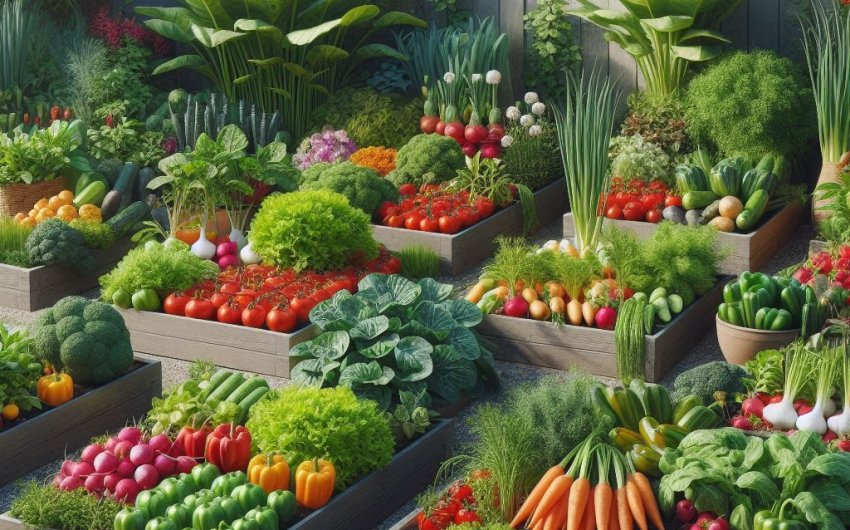
A small backyard vegetable garden can yield an impressive harvest if you select the right crops. Even with limited space, you can cultivate a wide variety of vegetables that thrive in compact environments. Choosing the right crops ensures that your garden is productive and that you have fresh, organic vegetables all year round. Below, we'll explore the best vegetables to grow in a small backyard, offering tips on how to maximize your space and resources.
1. Tomatoes
Tomatoes are one of the most popular vegetables for small backyard gardens. They’re relatively easy to grow, and there are several compact varieties like cherry tomatoes that are perfect for smaller spaces. You can plant them in raised beds, containers, or even vertical planters to save space. These fast-growing plants thrive in sunny spots with well-drained soil.
To ensure optimal growth, provide your tomatoes with stakes or cages for support. You can find these essential gardening supplies here.
Growing Tips:
- Plant tomato seedlings in a location that gets at least six hours of direct sunlight daily.
- Water consistently but avoid overwatering, as soggy soil can cause root rot.
- Use an organic fertilizer to promote fruiting.
2. Lettuce
If you're looking for a fast-growing crop, lettuce is an excellent choice. This leafy green grows well in shallow containers, making it ideal for small spaces. You can plant different varieties such as romaine, butterhead, and leaf lettuce to enjoy a mix of textures and flavors. Plus, lettuce is a cool-weather crop, so you can grow it during early spring or fall.
You can easily start your own lettuce garden by picking up a packet of seeds here.
Growing Tips:
- Plant lettuce seeds in partial shade, especially if you live in a hot climate.
- Harvest the outer leaves first, leaving the inner leaves to continue growing.
- Water regularly, keeping the soil moist but not saturated.
3. Radishes
Radishes are a fantastic option for small backyard gardens because they mature quickly and don’t require much space. These root vegetables thrive in containers or narrow garden beds. In just three to four weeks, you’ll have crispy, spicy radishes ready for your salads. They are great for succession planting, meaning you can sow new seeds every two weeks for a continuous harvest.
Start growing your own batch of radishes by getting quality seeds here.
Growing Tips:
- Plant radish seeds directly in the garden as they don’t transplant well.
- Thin out seedlings to prevent overcrowding and encourage larger radishes.
- Harvest early to avoid bitterness or woody textures.
4. Carrots
Carrots are another great root vegetable for small gardens, particularly if you choose shorter or rounder varieties like Thumbelina or Paris Market. These varieties don't require deep soil and can be grown in containers or raised beds. Carrots are also relatively low-maintenance and can be sown directly into the ground.
Want to grow delicious carrots at home? Get your seeds here.
Growing Tips:
- Plant carrot seeds in well-drained, loose soil free from rocks and debris.
- Ensure consistent watering for even root growth.
- Thin seedlings to about an inch apart to give each carrot room to develop.
5. Spinach
Spinach is a versatile green that grows quickly and easily in small spaces. It thrives in cool weather, so you can plant it early in the spring or in the fall. The plant is compact and can be grown in containers, garden beds, or even vertical gardens. Spinach is rich in vitamins and minerals, making it a nutritious addition to any meal.
Start growing healthy, leafy spinach by purchasing seeds or seedlings here.
Growing Tips:
- Plant spinach in partial shade if your garden gets intense sunlight.
- Harvest the outer leaves first to keep the plant producing longer.
- Keep the soil moist but well-drained to prevent wilting.
6. Peppers
Peppers come in many varieties, from sweet bell peppers to spicy jalapeños, and they are perfect for small backyard gardens. These plants grow upright and can thrive in containers or raised beds. Peppers need warm weather to produce fruit, so wait until all danger of frost has passed before planting them outdoors.
Looking to add some spice to your garden? Get pepper seeds and supplies here.
Growing Tips:
- Plant pepper seedlings in a sunny spot with at least six hours of sunlight.
- Stake your plants to provide support as they grow taller.
- Water regularly but allow the soil to dry out slightly between waterings to prevent overwatering.
7. Zucchini
Although zucchini plants can grow large, they are incredibly prolific and well-suited for small backyard gardens if managed properly. Vertical trellises or compact bush varieties can help you maximize space. A single zucchini plant can produce several pounds of produce throughout the growing season, so it's a great addition if you want high yields.
Grow bountiful zucchini by getting started with seeds or seedlings here.
Growing Tips:
- Train zucchini plants to grow vertically by using trellises or cages.
- Harvest zucchini when they are about 6 to 8 inches long for the best flavor.
- Water deeply once or twice a week, depending on the weather.
8. Cucumbers
Cucumbers are another vegetable that can be grown vertically to save space. Varieties like bush cucumbers or those that climb up trellises are perfect for small backyards. Cucumbers require a lot of sun and water, but they are relatively low-maintenance once established.
For a fresh cucumber harvest, you can start planting by picking up seeds here.
Growing Tips:
- Plant cucumbers in rich, well-drained soil with plenty of organic matter.
- Mulch around the plants to retain moisture and prevent weeds.
- Harvest regularly to encourage more fruit production.
9. Beans
Beans, especially pole beans, are perfect for small gardens because they grow vertically. They need minimal space on the ground but can produce a generous harvest. Varieties like snap beans and green beans can be grown on trellises or poles, making them ideal for compact spaces.
You can find everything you need to start growing beans here.
Growing Tips:
- Plant beans in a sunny spot with well-drained soil.
- Use a trellis or poles to support climbing varieties like pole beans.
- Harvest frequently to promote ongoing production.
10. Herbs
No small backyard garden is complete without a selection of fresh herbs. Basil, parsley, cilantro, thyme, and oregano are all excellent options that can be grown in containers or small garden beds. Herbs not only enhance the flavor of your meals, but they also attract beneficial insects to your garden, helping with pollination.
Want fresh herbs at your fingertips? Start growing your own here.
Growing Tips:
- Plant herbs in well-drained soil and give them plenty of sunlight.
- Trim your herbs regularly to encourage bushier growth.
- Many herbs are perennial, meaning they will grow back year after year if cared for properly.
11. Kale
Kale is a hardy green that can be grown in small spaces, even in colder weather. It’s extremely versatile and packed with nutrients, making it a popular choice for home gardeners. You can grow kale in containers, raised beds, or directly in the garden. It’s a cut-and-come-again crop, meaning you can harvest the outer leaves while the inner leaves keep growing.
Start growing nutrient-packed kale by ordering your seeds here.
Growing Tips:
- Plant kale in cooler weather for the best flavor and texture.
- Water regularly to keep the leaves tender and sweet.
- Harvest the leaves as they mature, starting with the outermost ones.
12. Beets
Beets are an excellent choice for small backyard gardens because both the roots and the greens are edible. They’re compact and grow quickly, so you can harvest beets in as little as six weeks. These root vegetables can be grown in containers or shallow garden beds, making them versatile for smaller spaces.
Get your beet garden started by purchasing seeds here.
Growing Tips:
- Plant beet seeds in well-drained soil that is rich in organic matter.
- Thin the seedlings once they sprout to ensure room for the roots to develop.
- Harvest beets when they are about the size of a golf ball for the best flavor.
13. Garlic
Garlic is a low-maintenance crop that takes up very little space and can be planted in the fall for a summer harvest. It requires minimal care but offers a great return on investment in terms of flavor and utility. Garlic can be planted around the edges of garden beds, making it perfect for maximizing space in small areas.
If you're ready to grow your own garlic, you can get started here.
Growing Tips:
- Plant garlic cloves in the fall about six weeks before the first frost.
- Water regularly until the cold weather sets in, then reduce watering.
- Harvest garlic when the tops start to turn brown and dry out.
14. Onions
Onions are another excellent vegetable to grow in small spaces. Whether you're planting green onions or bulb onions, they require very little room and can be planted in containers, raised beds, or garden rows. Onions are great for companion planting and can be grown alongside other vegetables like lettuce and carrots.
Get started with your own onion garden here.
Growing Tips:
- Plant onion sets or seeds in a sunny spot with well-drained soil.
- Water consistently but avoid overwatering, as onions are prone to rot in soggy soil.
- Harvest green onions early or allow bulb onions to mature fully for a larger yield.