
Overcoming Common Challenges: Solutions for Pests and Diseases in Your Cut Flower Garden
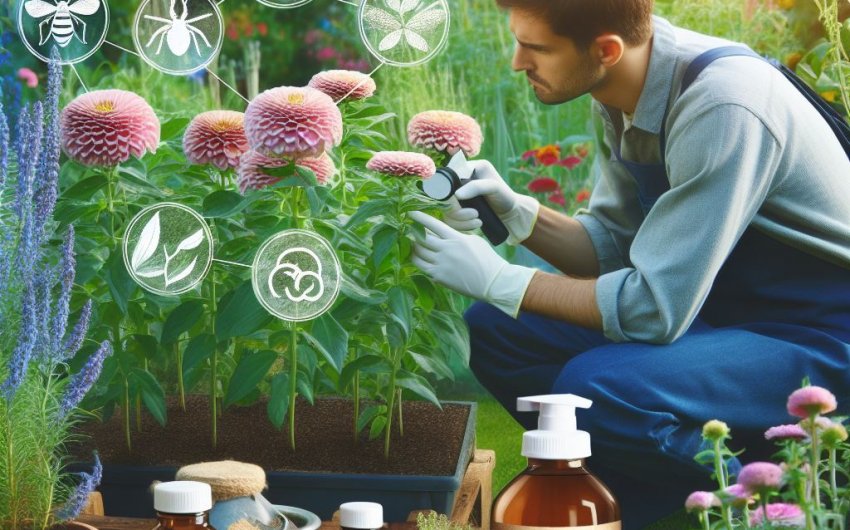
To effectively begin overcoming common challenges like pests and diseases in your cut flower garden, the most crucial first step is to correctly identify the specific problem affecting your plants. By accurately diagnosing the issue, you can then implement targeted, sustainable solutions for pests and diseases that protect your blooms and maintain garden health.
Why is Early Identification Key to Overcoming Challenges?
Early identification is absolutely key to overcoming challenges posed by pests and diseases in your cut flower garden, allowing for swift, effective, and often less intensive interventions. Catching problems early significantly increases your chances of saving affected plants and preventing widespread issues.
How Does Early Detection Prevent Widespread Infestations?
Early detection dramatically prevents widespread infestations in your cut flower garden by allowing you to take action when pest populations are small and localized, before they multiply and spread throughout your plants. This is the cornerstone of effective pest management.
- Small Population Control: When you spot only a few aphids or early signs of spider mites, they are much easier to physically remove or treat with targeted organic sprays. Waiting until they've exploded means a larger, more difficult battle.
- Reduced Spread: Pests reproduce rapidly. Detecting them early prevents them from spreading to neighboring plants, saving your entire cutting garden from becoming infested.
- Less Damage: Treating early means less damage to your flowers and foliage, ensuring more high-quality blooms for cutting.
- Less Intensive Treatment: Small infestations often respond to simple physical removal or a mild organic solution. Widespread infestations may require more aggressive, repeated treatments.
- Protection of Beneficials: Early, localized treatments are less likely to harm beneficial insects that might be present elsewhere in your garden.
- Cost Savings: Less pest damage means less lost crop, and fewer expensive treatments.
Making regular inspection a habit is the most valuable tool for effective solutions for pests and diseases in your cut flower garden.
How Does Accurate Diagnosis Lead to Effective Treatment?
Accurate diagnosis is paramount to effective treatment for any pest or disease problem in your cut flower garden. Misidentifying an issue can lead to using the wrong treatment, which is ineffective at best and potentially harmful at worst.
- Targeted Solutions: Each pest and disease has specific vulnerabilities. Knowing if you have powdery mildew versus black spot, or aphids versus spider mites, allows you to choose the exact solutions for pests and diseases that will work.
- Example: Insecticidal soap works on soft-bodied insects but not fungal diseases. A fungicide works on fungi but not insects.
- Prevents Wasted Effort: Applying the wrong treatment wastes your time, money, and can delay the correct treatment, allowing the problem to worsen.
- Avoids Harm to Plants: Some treatments (e.g., certain organic sprays) might be effective against one pest but harmful to a different plant or beneficial insect. Accurate diagnosis prevents unintended damage.
- Informs Cultural Practices: Understanding why a disease is present (e.g., high humidity for powdery mildew) helps you adjust cultural practices (e.g., improve air circulation) for long-term prevention.
- Manages Expectations: Knowing the exact issue allows you to understand the prognosis and set realistic expectations for recovery.
Invest time in identifying the problem correctly; it's the foundation of successful overcoming common challenges in your cut flower garden.
What Are Common Pests in Cut Flower Gardens and Their Solutions?
Common pests in cut flower gardens can quickly damage blooms and foliage, but a range of effective, often natural, solutions for pests and diseases exist. Recognizing these invaders and understanding their vulnerabilities is key to protecting your harvest.
How Do You Identify and Get Rid of Aphids?
Aphids are tiny, soft-bodied insects that can rapidly infest cut flower gardens, sucking sap from new growth and causing distorted leaves, stunted plants, and sticky honeydew. You can get rid of aphids effectively with organic methods once identified.
- Identification:
- Appearance: Small (1/16 to 1/8 inch), pear-shaped insects, often green, black, white, pink, or brown. They cluster on new shoots, buds, and undersides of leaves. Some may have wings.
- Damage: Crinkled, curled, or distorted new leaves; stunted growth; sticky, clear honeydew residue on leaves and stems; presence of black sooty mold (growing on honeydew).
- Natural Solutions for Aphids:
- Strong Water Spray: For light infestations, a strong blast of water from a hose can physically dislodge aphids from plants. Repeat every few days. A garden hose with a sprayer is effective.
- Hand-Picking/Squishing: For small clusters, simply squish them with your fingers (wear gloves) or wipe them off with a damp cloth.
- Insecticidal Soap: A highly effective organic spray. Mix organic insecticidal soap spray with water (or use a ready-to-use product) and spray thoroughly, covering all aphids. It kills on contact. Repeat every 5-7 days.
- Neem Oil: Acts as a repellent and growth disruptor. Mix neem oil spray for plants with water and a few drops of mild soap as an emulsifier. Spray thoroughly, ensuring contact. Repeat every 7-10 days.
- Beneficial Insects: Introduce live ladybugs or lacewing larvae, which are voracious aphid predators.
- Prevention: Regularly inspect plants. Avoid over-fertilizing (which encourages tender new growth).
Vigilance and quick action with these natural methods will keep aphids from ruining your cut flower harvest.
How Do You Identify and Control Spider Mites?
Spider mites are tiny arachnids that can quickly multiply in hot, dry conditions in your cut flower garden, causing stippling, discoloration, and fine webbing on plants. Learning to control spider mites effectively requires early detection and consistent effort.
- Identification:
- Appearance: Very tiny (less than 1/50 inch), usually reddish-brown or yellowish specks. Often hard to see with the naked eye; look for them with a magnifying glass or tap a leaf over white paper.
- Damage: Tiny, discolored (yellow, white, bronze) dots or stippling on leaves; overall yellowing or browning of leaves; most notably, fine, delicate webbing on leaf undersides, between leaves, or on stems.
- Natural Solutions for Spider Mites:
- Strong Water Spray: A powerful blast of water, especially on the undersides of leaves, can physically dislodge mites and disrupt their webs. Repeat daily for several days.
- Insecticidal Soap: Highly effective against spider mites. Spray thoroughly, ensuring full coverage, especially on undersides of leaves. Repeat every 5-7 days for 2-3 weeks.
- Neem Oil/Horticultural Oil: These smother mites. Apply neem oil spray for plants or horticultural oil spray thoroughly, covering all surfaces. Repeat every 7-10 days. Apply in the evening to avoid leaf burn in sun.
- Increase Humidity: Spider mites thrive in dry conditions. Misting plants regularly or placing them on pebble trays can deter them.
- Predatory Mites: Introduce beneficial predatory mites (e.g., Phytoseiulus persimilis), which specifically prey on spider mites.
- Prevention: Maintain good air circulation. Increase humidity around susceptible plants. Regularly inspect new plants.
Consistent treatment is key to eradicating spider mites and preventing them from destroying your cut flowers.
How Do You Identify and Manage Thrips?
Thrips are tiny, slender insects that damage cut flower gardens by rasping on plant tissue and sucking out sap, leading to silvery streaks, distorted growth, and often malformed flowers. Learning to manage thrips is important as they are fast-moving and can jump.
- Identification:
- Appearance: Very small (1/25 inch), slender insects, usually black, brown, yellow, or white. Often move quickly when disturbed. You'll need a magnifying glass.
- Damage: Distinctive silvery or bronze streaks on leaves (where they've scraped cells); tiny black dots (their fecal matter); distorted, curled, or stunted new growth; buds that fail to open or malformed, discolored flowers.
- Natural Solutions for Thrips:
- Strong Water Spray: Physically dislodge thrips from plants with a strong stream of water, focusing on undersides of leaves.
- Insecticidal Soap: Spray thoroughly, ensuring direct contact with all thrips. Repeat every 5-7 days.
- Neem Oil: Apply neem oil spray for plants thoroughly, especially to new growth and flower buds. Repeat every 7-10 days.
- Sticky Traps: Place blue or yellow sticky traps for thrips directly among your plants to monitor and catch adult thrips.
- Pruning: Remove and discard heavily infested leaves or flower buds.
- Beneficial Insects: Introduce predatory mites (e.g., Amblyseius cucumeris) or minute pirate bugs, which feed on thrips.
- Prevention: Inspect new plants carefully. Ensure good air circulation.
Thrips are persistent, so consistent treatment and monitoring are essential for protecting your cut flowers.
How Do You Identify and Eliminate Slugs and Snails?
Slugs and snails are common garden pests that can quickly devastate cut flower gardens, leaving irregular holes in leaves and flowers, and distinctive slime trails. Learning to eliminate slugs and snails involves both physical barriers and natural deterrents.
- Identification:
- Appearance: Soft-bodied mollusks. Slugs are shell-less; snails carry a spiral shell. They range in size from tiny to several inches.
- Damage: Large, irregular holes with smooth edges on leaves and flower petals, especially tender new growth. Often visible during damp weather or at night.
- Key Sign: Shiny, silvery slime trails left on plants, soil, or hard surfaces.
- Natural Solutions for Slugs and Snails:
- Hand-Picking: The most direct method. Go out at dawn, dusk, or after rain with a flashlight and hand-pick slugs and snails. Drop them into a bucket of soapy water.
- Beer Traps: Bury shallow dishes (e.g., tuna cans) flush with the soil surface and fill them with beer. Slugs and snails are attracted to the yeast, crawl in, and drown.
- Diatomaceous Earth (DE): Create a barrier by sprinkling a ring of food-grade diatomaceous earth around susceptible plants. It dehydrates them. Only works when dry.
- Copper Barriers: Install copper flashing or wire around garden beds. Slugs and snails receive a mild electric shock when they cross copper.
- Less Mulch Around Bases: Keep mulch away from the immediate base of susceptible plants, as mulch provides cover.
- Iron Phosphate Baits: Organic slug and snail baits containing iron phosphate are safe for pets and wildlife, and are very effective. Organic slug and snail bait is readily available.
- Prevention: Maintain a clean garden. Water in the morning. Reduce dense, damp hiding spots.
Consistent effort with these natural methods will protect your cut flowers from slug and snail damage.
What Are Common Diseases in Cut Flower Gardens and Their Solutions?
Common diseases in cut flower gardens can quickly mar the beauty of your blooms and weaken plants, but preventative measures and organic solutions for pests and diseases can effectively manage them. Understanding common fungal and bacterial issues is key.
How Do You Identify and Treat Powdery Mildew?
Powdery mildew is a common fungal disease that can severely affect cut flower gardens, appearing as a white, powdery coating on leaves, stems, and sometimes even flowers. You can treat powdery mildew effectively with organic methods.
- Identification:
- Appearance: Distinctive patches of white, powdery growth on the surface of leaves (often starting on the undersides), stems, and sometimes buds or petals. It looks like the plant has been dusted with flour.
- Damage: Leaves may yellow, curl, or distort. Severe cases can stunt growth, reduce flowering, and weaken the plant.
- Conditions: Thrives in humid conditions with poor air circulation, and often exacerbated by cool nights and warm days.
- Natural Solutions for Powdery Mildew:
- Improve Air Circulation: Space plants appropriately. Prune dense foliage to allow air to flow through the plant canopy.
- Water Correctly: Water plants at the base in the morning, avoiding overhead watering that wets foliage. Ensure good drainage.
- Remove Affected Parts: Prune off and discard (do not compost) any severely infected leaves or stems immediately.
- Baking Soda Spray: Mix 1 tablespoon of baking soda and 1 teaspoon of mild liquid soap (e.g., castile soap) in 1 gallon of water. Spray thoroughly on affected plants, coating all surfaces. Repeat every 5-7 days.
- Neem Oil: Can help in mild cases, acting as a preventative and inhibiting fungal growth. Use a neem oil spray for plants.
- Milk Spray: Mix 1 part milk (any type) with 9 parts water and spray on plants. The milk proteins have fungicidal properties.
- Organic Fungicides: Use a copper-based or sulfur-based organic fungicide for flowers as directed.
- Prevention: Choose powdery mildew-resistant varieties. Plant in full sun.
Consistent application of these natural methods will help manage powdery mildew and protect your beautiful cut flowers.
How Do You Identify and Manage Black Spot on Roses?
Black spot is a common and persistent fungal disease that primarily affects roses in cut flower gardens, appearing as distinct black spots with yellow halos on leaves, leading to leaf drop and weakened plants. Learning to manage black spot is crucial for healthy roses.
- Identification:
- Appearance: Circular black spots (1/4 to 1/2 inch) with irregular, often yellow margins, primarily on the upper side of leaves. Infected leaves often turn yellow and drop prematurely, starting from the bottom of the plant.
- Conditions: Thrives in warm, humid conditions with extended periods of leaf wetness.
- Natural Solutions for Black Spot:
- Good Air Circulation: Space roses adequately. Prune to open up the plant's center to allow air to flow through the foliage.
- Water Correctly: Water at the base of the plant in the morning, ensuring leaves dry quickly. Avoid overhead watering. Use a drip irrigation kit for roses to keep foliage dry.
- Sanitation: Crucial step. Promptly remove and discard (do not compost) all affected leaves from the plant and fallen leaves from the ground. This breaks the disease cycle.
- Baking Soda Spray: Similar to powdery mildew. Mix 1 tablespoon of baking soda and 1 teaspoon of mild liquid soap in 1 gallon of water. Spray preventatively and after rain.
- Neem Oil: Acts as a preventative by inhibiting spore germination. Apply a neem oil spray for roses every 7-10 days.
- Organic Fungicides: Copper-based or sulfur-based organic fungicides for roses can be used preventatively or at the first sign of disease.
- Prevention: Choose black spot-resistant rose varieties. Plant in full sun.
Consistent cultural practices and preventative sprays are essential for managing black spot in your cut flower garden.
How Do You Identify and Control Rust Disease?
Rust disease is a common fungal infection in cut flower gardens, appearing as distinctive orange, yellow, or reddish-brown powdery spots or pustules on the undersides of leaves, leading to defoliation and weakened plants. Learning to control rust disease involves early detection and hygiene.
- Identification:
- Appearance: Small, rusty-orange, yellow, or reddish-brown pustules (like tiny blisters) on the undersides of leaves. The top of the leaves may show yellow or orange spots corresponding to the pustules below.
- Damage: Heavily infected leaves may turn yellow, shrivel, and drop prematurely. Severe infestations can weaken the plant and reduce flowering.
- Conditions: Favors cool, humid conditions and long periods of leaf wetness.
- Natural Solutions for Rust Disease:
- Remove Affected Leaves: Immediately remove and destroy (do not compost) any leaves showing signs of rust.
- Improve Air Circulation: Space plants adequately. Prune dense foliage to allow air to flow.
- Water Correctly: Water at the base of the plant in the morning. Avoid overhead watering.
- Sanitation: Clean up all plant debris from around affected plants, especially in fall to reduce overwintering spores.
- Neem Oil: Can be used as a preventative or early treatment. Apply a neem oil spray for plants regularly.
- Baking Soda Spray: As with powdery mildew, a baking soda solution can sometimes help.
- Organic Fungicides: Copper- or sulfur-based organic fungicides for rust can be effective.
- Prevention: Choose rust-resistant varieties. Ensure good drainage.
Consistent vigilance and good garden hygiene are vital for managing rust disease in your cut flower garden.
How Do You Prevent Damping-Off Disease in Seedlings?
Preventing damping-off disease in seedlings is crucial for any cut flower gardener starting seeds, as this fungal disease causes young seedlings to suddenly collapse and die at the soil line. This common plant problem can wipe out entire trays of seedlings quickly.
- Identification:
- Appearance: Healthy seedlings suddenly wilt, often with a constricted, water-soaked, or brown stem at the soil line. They then fall over and die.
- Conditions: Favors overly wet, poorly drained soil, cool temperatures, poor air circulation, and non-sterile growing media.
- Natural Solutions for Damping-Off:
- Sterile Seed Starting Mix: Always use a fresh, sterile seed starting mix. Do not use garden soil.
- Clean Containers: Wash and sterilize all seedling trays and pots with a 10% bleach solution (or hydrogen peroxide) before use.
- Proper Drainage: Ensure seed trays have adequate drainage holes.
- Avoid Overwatering: Keep seed starting mix moist, but never soggy. Allow the top to dry slightly between waterings. Use bottom watering to avoid wetting the stem directly.
- Good Air Circulation: Provide good airflow around seedlings (e.g., small fan on low setting) to reduce humidity.
- Optimal Temperature: Maintain the recommended germination temperature for your seeds. Avoid excessively cool, damp conditions.
- Thin Seedlings: Thin seedlings promptly to prevent overcrowding, which improves air circulation.
- Cinnamon/Chamomile Tea (Fungicidal): Lightly dust the soil surface with powdered cinnamon, or water seedlings with cooled, diluted (1:1 with water) chamomile tea, both of which have mild antifungal properties.
- Prevention: These preventative measures are highly effective in avoiding damping-off and ensuring healthy seedling starts.
Damping-off is best prevented, as treating it once it has started is very difficult.
What Are Overall Strategies for a Healthy, Resilient Cut Flower Garden?
To truly succeed at overcoming common challenges and cultivating a healthy, resilient cut flower garden, a holistic approach that integrates preventative measures, smart planning, and responsive, organic solutions for pests and diseases is essential.
How Do You Practice Integrated Pest Management (IPM)?
Practicing Integrated Pest Management (IPM) is the most comprehensive and sustainable strategy for pest and disease control in your cut flower garden, prioritizing prevention and natural methods while minimizing chemical intervention.
- Prevention (Key):
- Plant Health: Grow vigorous plants in healthy soil (amended with compost).
- Right Plant, Right Place: Choose disease-resistant varieties suited to your climate and garden conditions.
- Cultural Practices: Proper watering, fertilization, spacing, and pruning.
- Sanitation: Remove debris, clean tools.
- Monitoring: Regularly inspect plants (at least weekly) for early signs of pests or disease. Use sticky traps to monitor flying insects.
- Accurate Identification: Know exactly what pest or disease you are dealing with.
- Action Thresholds: Decide when intervention is necessary.
- Biological Controls:
- Attract Beneficial Insects: Plant a diverse array of flowers that provide nectar and pollen for ladybugs, lacewings, parasitic wasps, and hoverflies.
- Release Beneficials: For specific outbreaks, consider releasing live beneficial insects for pest control.
- Physical/Mechanical Controls: Hand-picking, strong water sprays, row covers, weeding.
- Organic Sprays (Last Resort, Targeted): Use only organic insecticides or fungicides (e.g., insecticidal soap, neem oil, horticultural oil) as a last resort, applied strategically and safely.
- Evaluation: Continuously assess the effectiveness of your methods and adjust your strategy.
IPM creates a resilient garden ecosystem where natural processes help keep pests and diseases in check, ensuring beautiful blooms.
What is the Importance of Building Healthy Soil?
The importance of building healthy soil cannot be overstated for creating a resilient cut flower garden, as robust soil is the fundamental defense against pests and diseases. Healthy soil is a living ecosystem that nurtures strong plants.
- Vigorous Plants: Plants grown in healthy, biologically active soil (rich in organic matter) develop strong root systems and are inherently more vigorous and able to withstand pest and disease attacks.
- Disease Suppression: A diverse and thriving soil food web (full of beneficial bacteria, fungi, protozoa, and earthworms introduced by compost) can actively suppress soil-borne pathogens, competing with them for resources or even producing antagonistic compounds.
- Nutrient Cycling: Healthy soil efficiently cycles nutrients, making them readily available to plants, preventing nutrient deficiencies that could weaken them.
- Improved Water Management: Good soil structure (from organic matter) ensures proper drainage and water retention, preventing root rot from overwatering or stress from underwatering.
- pH Buffering: Healthy soil buffers pH, optimizing nutrient availability.
- Habitat for Beneficials: Healthy soil provides habitat for beneficial insects and microorganisms.
Regularly incorporating organic compost and practicing no-till methods are key to building this foundational healthy soil.
How Does Plant Diversity and Rotation Help?
Plant diversity and rotation are crucial strategies that help create a resilient cut flower garden, disrupting pest and disease cycles and fostering a balanced ecosystem. These methods prevent problems before they take hold.
- Plant Diversity:
- Breaks Monoculture: Avoid planting large swathes of only one type of flower. A monoculture is a "fast-food buffet" for pests specific to that plant, allowing them to rapidly multiply.
- Confuses Pests: Diverse plantings make it harder for pests to find their preferred host plants.
- Attracts Beneficials: A wide variety of flowers (different shapes, sizes, colors) attracts a broader range of beneficial insects and pollinators, creating a natural pest control system.
- Ecological Balance: Supports a more complex and stable garden ecosystem.
- Crop Rotation (for Annuals):
- Breaks Disease Cycles: Many soil-borne diseases (and some pests) are specific to certain plant families. Planting the same crop in the same spot year after year allows these problems to build up.
- How it Works: Rotate different plant families (e.g., move zinnias to where cosmos were planted last year, then to where snapdragons were planted) around your garden beds each season.
- Benefits: Reduces disease and pest pressure, helps prevent specific nutrient depletion.
- Companion Planting (Beneficial Combinations):
- Concept: Strategically planting certain flowers or herbs next to each other because they mutually benefit each other (e.g., deterring pests, attracting beneficials).
- Examples: Marigolds are often said to deter nematodes. Nasturtiums can act as a "trap crop," drawing aphids away from other plants. Dill or cilantro (left to flower) attract parasitic wasps.
By embracing diversity and rotation, you empower your cut flower garden's natural defenses, ensuring vibrant and healthy blooms, and successfully overcoming common challenges from pests and diseases.