
Sustainable Practices for a Eco-Friendly Cut Flower Garden
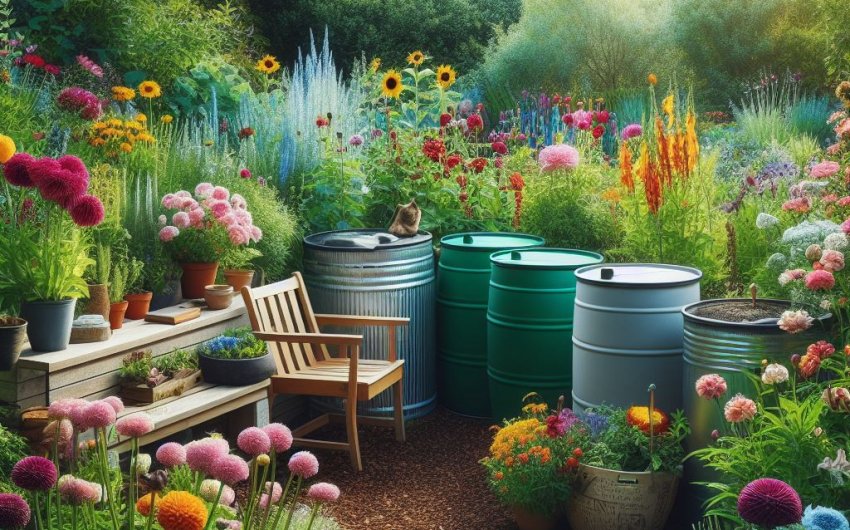
To cultivate a truly eco-friendly cut flower garden, adopt sustainable practices that prioritize soil health, conserve water, support biodiversity, and minimize reliance on external inputs. This holistic approach ensures your garden produces beautiful blooms with a minimal environmental footprint, benefiting both nature and your home.
Why Are Sustainable Practices Crucial for Cut Flower Gardens?
Sustainable practices are crucial for cut flower gardens because they address the environmental impacts associated with conventional floriculture, which can often be resource-intensive and harmful. Embracing sustainability transforms your garden into a part of the ecological solution.
What are the Environmental Impacts of Conventional Flower Growing?
Conventional flower growing often carries significant environmental impacts, stemming from practices that prioritize yield and aesthetics over ecological health. Understanding these impacts highlights the need for sustainable practices in your cut flower garden.
- Pesticide and Herbicide Use:
- Problem: Conventional growers often rely heavily on synthetic pesticides and herbicides to control pests and weeds.
- Impact: These chemicals can harm beneficial insects (especially pollinators), pollute water systems through runoff, degrade soil health, and pose risks to human health.
- High Water Consumption:
- Problem: Many cut flowers are thirsty, and conventional irrigation can be inefficient, leading to excessive water use.
- Impact: Contributes to water scarcity, especially in arid regions, and strains local water resources.
- Synthetic Fertilizers:
- Problem: Reliance on synthetic, chemical fertilizers for rapid growth.
- Impact: These are often energy-intensive to produce, can leach into groundwater, causing nutrient pollution and algal blooms (eutrophication), and don't build long-term soil health.
- Monoculture:
- Problem: Planting large areas of a single flower type.
- Impact: Reduces biodiversity, makes plants more susceptible to widespread pest/disease outbreaks (requiring more chemicals), and depletes specific soil nutrients.
- Energy Consumption & Carbon Footprint (Global Trade):
- Problem: Many cut flowers are grown in climate-controlled greenhouses (using significant energy) or flown in from distant countries.
- Impact: Contributes to greenhouse gas emissions through heating, cooling, and air freight, increasing the carbon footprint of your bouquet.
- Peat Moss Depletion:
- Problem: Many potting mixes use peat moss, a non-renewable resource harvested from peat bogs.
- Impact: Peat bogs are important carbon sinks and unique ecosystems. Their harvesting contributes to habitat destruction and CO₂ release.
By adopting sustainable practices in your own cut flower garden, you actively combat these widespread environmental issues.
How Do Sustainable Practices Benefit Soil Health and Fertility?
Sustainable practices fundamentally benefit soil health and fertility, creating a living, resilient, and nutrient-rich medium that supports vigorous plant growth without relying on synthetic inputs. Healthy soil is the cornerstone of an eco-friendly cut flower garden.
- Increased Organic Matter: Sustainable practices (like composting and mulching) continuously add organic matter to the soil. This improves soil structure, aeration, and water retention.
- Feeds the Soil Food Web: Organic matter is the food source for a vast community of beneficial microorganisms, earthworms, and other soil life. This thriving soil food web is crucial for nutrient cycling, disease suppression, and building stable soil aggregates.
- Natural Nutrient Cycling: Instead of supplying nutrients directly (like synthetic fertilizers), sustainable practices foster a dynamic ecosystem where microbes convert organic material into plant-available nutrients, creating a slow, steady, and balanced food source.
- pH Buffering: Organic matter helps to stabilize soil pH, making nutrients more available to plants.
- Reduced Compaction and Erosion: Healthy, aggregated soil is more resistant to compaction from foot traffic and erosion from wind and water.
- Enhanced Water Infiltration: Improved soil structure allows water to infiltrate deeper, reducing runoff and promoting efficient water use.
By prioritizing soil health, sustainable practices lay the groundwork for long-term garden productivity and resilience.
What are the Benefits for Local Ecosystems and Biodiversity?
Sustainable practices provide significant benefits for local ecosystems and biodiversity, transforming your cut flower garden into a vital haven that supports a wide range of beneficial organisms. This holistic approach builds a more resilient and vibrant natural environment.
- Pollinator Support: By avoiding pesticides and planting a diverse range of nectar- and pollen-rich flowers, sustainable gardens become crucial food sources and habitats for bees, butterflies, and other essential pollinators. This is key to creating a pollinator paradise.
- Beneficial Insect Attraction: A chemical-free, biodiverse garden attracts beneficial insects (e.g., ladybugs, lacewings, parasitic wasps) that naturally prey on garden pests, reducing the need for chemical interventions.
- Habitat Creation: Diverse plantings, mulching, and leaving some garden debris over winter can provide shelter, nesting sites, and overwintering spots for a variety of insects, amphibians, and small wildlife.
- Healthy Soil Food Web: As discussed, sustainable practices foster a thriving soil food web, which is itself a diverse ecosystem of microorganisms and invertebrates, essential for nutrient cycling and supporting above-ground life.
- Reduced Chemical Runoff: Eliminating synthetic pesticides and fertilizers prevents harmful chemicals from leaching into groundwater or running off into local waterways, protecting aquatic ecosystems.
- Native Plant Support: Incorporating native plants (which are often excellent pollinator hosts) into your cut flower garden further supports local insect and bird populations.
Through these benefits, sustainable practices ensure your garden is an integral and positive part of the wider local ecosystem.
What Are Core Sustainable Practices for Your Cut Flower Garden?
To truly foster an eco-friendly cut flower garden, implementing core sustainable practices is essential. These fundamental actions focus on waste reduction, soil nourishment, and chemical avoidance, ensuring a responsible and productive garden.
How Does Composting Reduce Waste and Enrich Soil?
Composting is perhaps the most fundamental sustainable practice for a cut flower garden, as it effectively reduces waste and richly enriches soil simultaneously. It transforms garden clippings and kitchen scraps into valuable "black gold."
- Waste Diversion: All your plant trimmings, spent flowers, dead leaves, and non-diseased plant debris from your cut flower garden, plus appropriate kitchen scraps, can be composted. This diverts a significant volume of organic waste from landfills.
- Soil Amendment: The resulting finished compost is a powerful soil amendment that:
- Improves Soil Structure: Loosens clay, adds body to sand.
- Adds Nutrients: Provides a slow-release, balanced source of macro- and micronutrients.
- Feeds Soil Life: Fosters a thriving soil food web of beneficial microorganisms and earthworms.
- Increases Water Retention: Helps soil hold more moisture, reducing irrigation needs.
- Buffers pH: Stabilizes soil pH.
- Nutrient Cycling: Composting creates a closed-loop system where nutrients from your garden waste are returned directly to your garden soil, reducing the need for external, often synthetic, fertilizers.
By consistently composting, you dramatically reduce your garden's waste output while continuously building its long-term health and fertility.
Why is Water Conservation Critical in an Eco-Friendly Garden?
Water conservation is critical in an eco-friendly cut flower garden to minimize resource use, especially in areas prone to drought or water scarcity. Efficient watering practices protect a precious resource and promote plant resilience.
- Reduced Water Usage: Conscious water conservation techniques aim to use less water while ensuring plants receive adequate hydration.
- Protecting Local Resources: In many regions, fresh water supplies are limited. Responsible water use reduces strain on municipal or well water systems.
- Energy Savings: Pumping and treating water requires energy. Less water use equals less energy consumption.
- Drought Resilience: Gardens designed for water conservation, with compost-rich soil and mulching, are inherently more resilient during periods of drought.
- Strategies for Water Conservation:
- Improve Soil with Compost: Compost significantly increases soil's water-holding capacity, so plants need less frequent watering. Using a soil moisture meter helps ensure you only water when needed.
- Mulching: Apply a thick layer of organic mulch (straw, shredded leaves, wood chips) around plants. This greatly reduces evaporation from the soil surface.
- Drip Irrigation/Soaker Hoses: Use efficient irrigation methods that deliver water directly to the root zone, minimizing evaporation and runoff from overhead sprinklers. A drip irrigation kit for flower garden is an excellent investment.
- Rainwater Harvesting: Collect rainwater in rain barrels to use for irrigation.
- Water at the Right Time: Water deeply in the early morning or late evening to minimize evaporation.
By prioritizing water conservation, your eco-friendly cut flower garden becomes a model of resource efficiency.
How Does Avoiding Synthetic Chemicals Protect the Environment?
Avoiding synthetic chemicals (pesticides, herbicides, fertilizers) is a cornerstone of sustainable practices, fundamentally protecting the environment, beneficial organisms, and human health. It's essential for an eco-friendly cut flower garden.
- Protects Pollinators and Beneficial Insects: Synthetic pesticides are indiscriminate killers, harming or killing bees, butterflies, ladybugs, and other vital beneficial insects. Avoiding them directly supports these crucial populations.
- Prevents Water Pollution: Synthetic fertilizers can leach into groundwater or run off into waterways, causing nutrient pollution (eutrophication) and harming aquatic ecosystems. Pesticides can also contaminate water supplies.
- Preserves Soil Health: Chemical overuse can degrade soil structure, kill beneficial soil microbes, and reduce the long-term fertility of the soil.
- Reduces Exposure Risks: Minimizes exposure to potentially harmful chemicals for gardeners, pets, and children who might interact with the garden.
- Fosters Natural Balance: By removing chemical interventions, you allow the garden's natural ecosystem to find its balance, with beneficial insects controlling pests, and healthy soil microbes cycling nutrients.
Embracing organic methods means your garden thrives naturally, truly living up to the ideals of an eco-friendly cut flower garden.
What Are Advanced Sustainable Techniques?
Once the core practices are established, advanced sustainable techniques can further optimize your eco-friendly cut flower garden, enhancing its resilience, productivity, and positive environmental impact. These strategies build upon fundamental principles for even greater sustainability.
How Does No-Till Gardening Improve Soil Health?
No-till gardening significantly improves soil health by minimizing disturbance, which protects the intricate soil structure and fosters a thriving underground ecosystem. It's an advanced sustainable practice that leads to more resilient and fertile soil.
- Protects Soil Structure: Tilling (digging, rototilling) breaks up the natural soil aggregates, disrupts fungal networks, and compacts deeper soil layers. No-till gardening preserves this delicate structure.
- Fosters Soil Food Web: By leaving the soil undisturbed, you allow beneficial fungi (like mycorrhizae) and bacteria to establish extensive networks. This thriving soil food web is crucial for nutrient cycling, disease suppression, and humus formation.
- Retains Moisture: Undisturbed soil with intact structure and surface organic matter (from mulching) retains moisture more effectively, reducing the need for irrigation.
- Prevents Erosion: No-till practices minimize soil erosion from wind and water, keeping valuable topsoil in place.
- Increases Organic Matter: Over time, top-dressed compost and decomposing mulch build up a rich layer of organic matter on the soil surface, continually enhancing fertility.
- Reduces Weed Seeds: By not bringing dormant weed seeds to the surface, no-till can reduce weed pressure over time (especially when combined with mulching).
- Carbon Sequestration: No-till helps soil store more atmospheric carbon, contributing to climate change mitigation.
Combining no-till methods with regular applications of compost is a powerful strategy for long-term soil regeneration in your eco-friendly cut flower garden.
What is the Role of Cover Cropping in a Cutting Garden?
Cover cropping plays an important role in a cutting garden as an advanced sustainable practice, benefiting soil health, suppressing weeds, and sometimes even fixing nitrogen, during periods when your main flower crops are not actively growing.
- Soil Protection: Planted during the off-season (fall or late summer), cover crops protect bare soil from erosion by wind and rain.
- Weed Suppression: They outcompete weeds, preventing them from establishing and going to seed, reducing future weed pressure.
- Adds Organic Matter: When terminated (cut down or lightly tilled in) before planting your main flowers, cover crops add a significant amount of organic matter back to the soil, enhancing its structure and fertility.
- Nitrogen Fixation: Leguminous cover crops (e.g., clover, vetch, fava beans) have a symbiotic relationship with soil bacteria that convert atmospheric nitrogen into a form usable by plants, acting as a natural fertilizer.
- Breaks Pest/Disease Cycles: Planting different cover crops can disrupt pest and disease cycles that might affect your flower crops.
- Deep Root Systems: Some cover crops have deep roots that break up compacted soil, bringing up nutrients from lower layers.
Choosing the right cover crop seeds for garden beds and incorporating them into your rotation provides year-round benefits for your soil.
How Do You Practice Integrated Pest Management (IPM)?
Practicing Integrated Pest Management (IPM) is an advanced and holistic approach to pest control that prioritizes prevention and natural methods, only resorting to targeted, least-toxic interventions when absolutely necessary. It's vital for an eco-friendly cut flower garden.
- Prevention (Most Important!):
- Healthy Plants: Vigorous plants (grown in compost-rich soil) are naturally more resistant to pests.
- Proper Cultural Practices: Correct watering, light, air circulation, and spacing.
- Sanitation: Remove plant debris, clean tools.
- Choose Resistant Varieties: Select flower varieties known for pest/disease resistance.
- Monitoring: Regularly inspect plants (weekly or daily) for early signs of pests. Use yellow sticky traps for garden pests to monitor flying insects.
- Identification and Thresholds: Correctly identify the pest and determine if its population level warrants intervention (action threshold).
- Biological Controls:
- Attract Beneficial Insects: Plant a diverse array of flowers that provide nectar and pollen for ladybugs, lacewings, parasitic wasps, and hoverflies, which prey on pests.
- Release Beneficials: For specific outbreaks, you can release live beneficial insects for pest control.
- Physical/Mechanical Controls: Hand-picking, strong water sprays, row covers, weeding.
- Organic Sprays (Last Resort, Targeted): Use only organic insecticides like insecticidal soap, neem oil, or horticultural oil. Apply in the evening to protect pollinators, and always follow directions carefully.
- Avoid Chemical Pesticides: Absolutely avoid synthetic, broad-spectrum pesticides that kill beneficials and harm pollinators.
IPM ensures that your pest control strategy is effective, safe, and truly sustainable for your garden ecosystem.
What Are the Environmental Impacts of Your Sustainable Cut Flower Garden?
By implementing sustainable practices throughout your cultivation, your eco-friendly cut flower garden contributes to numerous positive environmental impacts, serving as a beacon of ecological responsibility and local biodiversity.
How Does Your Garden Become a Pollinator Haven?
By implementing sustainable practices, your eco-friendly cut flower garden directly becomes a pollinator haven, providing crucial resources that support the health and survival of bees, butterflies, and other essential pollinators.
- Consistent Food Source: By planning for continuous blooms from early spring to late fall, your garden offers a steady supply of nectar (for energy) and pollen (for protein) when other floral resources may be scarce.
- Diverse Floral Resources: A variety of flower shapes, sizes, and colors (as you would grow for cutting) caters to the preferences of different pollinator species, supporting a wider range of bees and butterflies.
- Pesticide-Free Zone: By strictly avoiding synthetic pesticides, your garden provides a safe foraging environment free from harmful toxins that are a leading cause of pollinator decline.
- Habitat and Shelter: Incorporating native plants, leaving some plant debris over winter, and providing water sources (like shallow bee baths) offers essential nesting sites, overwintering habitats, and drinking spots.
- Educational Impact: A visibly thriving pollinator garden can educate neighbors and visitors about the importance of these insects and inspire others to adopt similar practices.
Your eco-friendly cut flower garden truly becomes a vital part of the local ecosystem, actively combating pollinator decline.
How Does Your Garden Contribute to Local Biodiversity?
Your eco-friendly cut flower garden actively contributes to local biodiversity by fostering a rich tapestry of life both above and below ground, moving beyond a monoculture to support a healthier, more complex ecosystem.
- Diverse Plant Life: A wide selection of cut flowers, especially when including native varieties, provides food and shelter for a broader range of insects, birds, and small wildlife.
- Soil Biodiversity: Sustainable practices (composting, no-till, organic matter) build a thriving soil food web, which is itself a diverse ecosystem of microorganisms, fungi, and invertebrates essential for nutrient cycling.
- Food Web Support: By supporting pollinators, beneficial insects, and a healthy soil, your garden provides the foundational elements for a more complex local food web, benefiting birds and other animals higher up the chain.
- Reduced Invasive Species: Focusing on diverse plantings (especially natives) and healthy soil helps native species thrive and can make the garden less susceptible to invasive plants.
- Genetic Diversity: By growing a variety of heirloom or open-pollinated flower seeds, you contribute to preserving genetic diversity in plants.
By prioritizing diversity and natural processes, your garden becomes a vibrant contributor to the local ecological fabric.
What is the Broader Impact of Sustainable Cut Flower Gardening?
The broader impact of sustainable cut flower gardening extends beyond your backyard, contributing to regional and global environmental health, promoting a shift towards more eco-conscious consumer choices, and inspiring others.
- Role Model: Your eco-friendly cut flower garden serves as a visible example of what's possible, inspiring neighbors, friends, and family to adopt similar sustainable practices in their own gardens or daily lives.
- Reduced Demand for Unsustainable Flowers: By growing your own, you reduce your personal demand for commercially grown cut flowers that may be produced using harmful pesticides, excessive water, or long-distance transportation.
- Education and Advocacy: As you learn and succeed, you become an advocate for sustainable gardening, sharing knowledge and encouraging broader community engagement in environmental stewardship.
- Economic Impact (Local): If you sell your sustainably grown cut flowers, you support a local, eco-conscious economy.
- Climate Change Mitigation: Your compost-rich soil sequesters carbon, and your pesticide-free environment supports pollinators, both contributing to climate change mitigation efforts.
- Resource Conservation: The holistic approach to conserving water and recycling nutrients becomes a model of efficient resource use.
By embracing sustainable practices for your eco-friendly cut flower garden, you not only cultivate beauty but also become an active participant in building a healthier, more resilient planet.