
Pollinator Paradise: How to Attract Bees and Butterflies to Your Cut Flower Garden
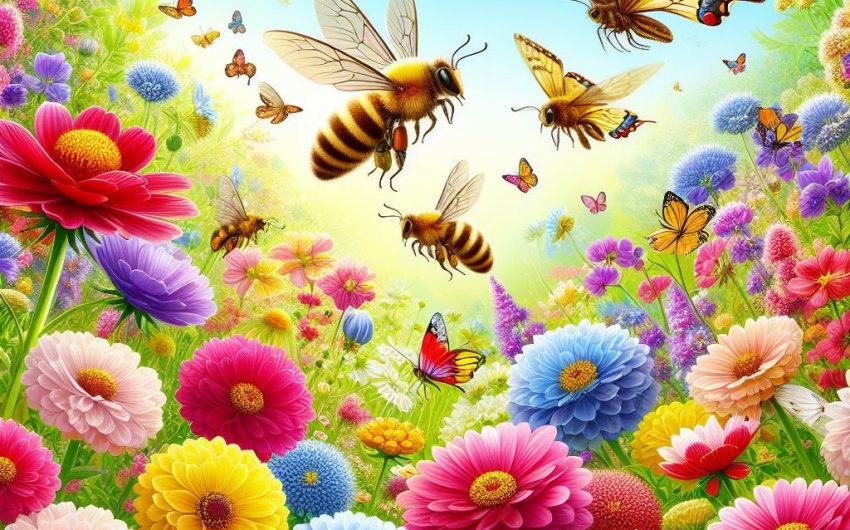
To create a thriving pollinator paradise and successfully attract bees and butterflies to your cut flower garden, focus on cultivating a diverse selection of nectar- and pollen-rich flowers with staggered bloom times, providing essential water and shelter, and adopting organic gardening practices. This holistic approach ensures your garden becomes a vital haven for these crucial insects.
Why Should You Attract Pollinators to Your Cut Flower Garden?
Attracting pollinators to your cut flower garden is incredibly beneficial, extending beyond just environmental stewardship to directly enhance the health and productivity of your garden itself. It transforms your cutting garden into a vibrant ecosystem.
What Role Do Bees and Butterflies Play in Ecosystems?
Bees and butterflies play absolutely critical roles in ecosystems, acting as vital pollinators that facilitate the reproduction of countless plant species. Their work is fundamental to biodiversity, food production, and the health of terrestrial environments.
- Pollination: Bees and butterflies are primary pollinators. As they forage for nectar and pollen, they inadvertently transfer pollen from one flower to another, enabling plants to produce fruits, vegetables, and seeds.
- Food Source: Approximately one-third of the world's food crops (including many fruits, vegetables, nuts, and coffee) depend on animal pollinators, largely bees and butterflies. Without them, our food supply would be drastically reduced.
- Biodiversity: Pollinators are essential for the reproduction of native wildflowers and other plants, which in turn support herbivores, carnivores, and entire food webs. This maintains ecological balance and biodiversity.
- Ecosystem Health: Healthy pollinator populations indicate a healthy ecosystem. They are often considered indicator species; declines in pollinator numbers can signal broader environmental problems.
- Economic Impact: The economic value of pollinators to agriculture globally is immense, estimated to be billions of dollars annually.
The survival of countless plant species and the stability of our food systems depend heavily on the tireless work of bees and butterflies.
How Do Pollinators Benefit Your Cut Flower Garden?
Pollinators directly benefit your cut flower garden by enhancing the health and vigor of your plants, even if your primary goal is cutting flowers for bouquets. Their presence creates a more robust and resilient garden ecosystem.
- Improved Plant Vigor: While most cut flowers don't need pollination to produce a bloom (they just won't form seeds), the overall presence of a healthy ecosystem with pollinators indicates a thriving environment. Plants grown in such conditions tend to be more vigorous.
- Seed Production (if desired): If you plan to save seeds from your cut flowers for next year's planting, bees and butterflies are essential for successful pollination and seed set.
- Pest Control (Indirect): A healthy, biodiverse garden that attracts pollinators also tends to attract a wider range of beneficial insects (e.g., ladybugs, lacewings) that prey on garden pests, reducing the need for chemical interventions.
- Enhanced Aesthetics: The sight of bees buzzing and butterflies flitting among your flowers adds an extra layer of beauty and life to your garden, making it a true pollinator paradise.
- Ecological Contribution: By providing food and habitat for pollinators, your cut flower garden contributes to vital conservation efforts, playing a role in supporting these declining populations.
Even for purely aesthetic purposes, the presence of pollinators indicates a healthier, more balanced garden environment.
Why Are Pollinator Populations Declining?
Pollinator populations are in alarming decline worldwide due to a combination of interconnected factors, posing a significant threat to ecosystems and global food security. Understanding these threats is crucial for inspiring conservation efforts.
Primary reasons for pollinator decline:
- Habitat Loss and Fragmentation: The conversion of natural landscapes (prairies, meadows, forests) into urban areas, agriculture, and infrastructure eliminates crucial nesting sites, overwintering habitats, and diverse floral resources.
- Pesticide Use (Especially Neonicotinoids): Systemic pesticides, particularly neonicotinoids, are highly toxic to bees and can be present in pollen and nectar, poisoning pollinators directly or through chronic exposure. Even non-lethal doses can impair their navigation and immune systems.
- Monoculture Agriculture: Large-scale planting of single crops (monocultures) reduces floral diversity, providing food for only a limited time of year and lacking the varied nutrients pollinators need.
- Climate Change: Changes in temperature and rainfall patterns can disrupt the delicate synchronicity between pollinator emergence and flower bloom times, leading to food shortages for pollinators.
- Diseases and Parasites: For bees, particularly honeybees, diseases (e.g., American foulbrood) and parasites (e.g., Varroa mites) pose significant threats, often exacerbated by other stressors.
- Invasive Species: Non-native plants can outcompete native plants that provide specific food or habitat for local pollinators.
By creating a pollinator paradise in your cut flower garden, you actively combat these threats on a local level, contributing to their survival.
What Flowers Do Bees and Butterflies Love Most?
To truly attract bees and butterflies to your cut flower garden, you need to cultivate a diverse array of flowers that specifically meet their nutritional needs. Different flower shapes, colors, and bloom times appeal to different types of pollinators.
What are the Best Nectar-Rich Flowers for Pollinators?
Nectar-rich flowers are essential for pollinators, providing the high-energy carbohydrates (sugars) that fuel their flight and daily activities. A continuous supply of these flowers ensures a constant food source for bees and butterflies.
Best nectar-rich flowers for a cut flower garden:
- Zinnia (Zinnia elegans): Especially single and semi-double varieties, with easily accessible pollen and nectar.
- Cosmos (Cosmos bipinnatus): Open, daisy-like flowers are perfect landing pads.
- Coneflower (Echinacea purpurea): Large, prominent cones provide abundant nectar.
- Bee Balm (Monarda didyma): Tubular flowers are perfect for long-tongued bees and butterflies.
- Phlox (Phlox paniculata): Clusters of fragrant flowers.
- Lantana (Lantana camara): Clusters of small, vibrant flowers are butterfly magnets.
- Lavender (Lavandula angustifolia): Highly attractive to bees for its abundant nectar.
- Verbena bonariensis (Tall Verbena): Small purple flowers on tall stems, very popular with butterflies.
- Borage (Borago officinalis): Blue, star-shaped flowers are extremely popular with bees.
- Butterfly Bush (Buddleja davidii): A classic butterfly magnet (can be invasive in some areas, choose sterile varieties).
These flowers are the energy providers, ensuring a buzzing and fluttering pollinator paradise.
Which Flowers Provide Abundant Pollen for Bees?
Beyond nectar, flowers that provide abundant pollen are crucial for bees, as pollen is their primary source of protein, fats, vitamins, and minerals, essential for raising their young. Ensuring both nectar and pollen sources is key.
Best pollen-rich flowers for a cut flower garden:
- Sunflowers (Helianthus annuus): Packed with pollen (and nectar).
- Marigolds (Tagetes spp.): Simple, open marigold varieties offer easily accessible pollen.
- Aster (Symphyotrichum spp.): Fall-blooming asters provide a late-season pollen source.
- Calendula (Calendula officinalis): Daisy-like flowers.
- Dill (Anethum graveolens): Umbelliferous (umbrella-shaped) flowers are excellent for a variety of small bees and beneficial insects.
- Yarrow (Achillea millefolium): Flat flowerheads provide easy access.
- Poppies (Papaver spp.): Offer copious amounts of pollen (though little nectar).
- Coreopsis (Coreopsis spp.): Daisy-like flowers.
A diverse selection of these pollen providers ensures the health of entire bee colonies, actively building a pollinator paradise.
What Flower Shapes and Colors Attract Different Pollinators?
Different flower shapes and colors attract different pollinators, as insects and birds have evolved specific preferences and physical adaptations. Designing a diverse garden maximizes your chances of attracting a wide range of beneficial visitors.
| Pollinator Type | Preferred Flower Shapes | Preferred Flower Colors |
|---|---|---|
| Bees (Honey & Bumble) | Open, flat, cup-shaped, tubular, clustered (easy landing) | Blue, purple, white, yellow (can't see red) |
| Butterflies | Flat clusters, single large blooms, tubular, composite (perching platforms, long proboscis access) | Red, orange, yellow, pink, purple, white |
| Hummingbirds | Long, tubular (to reach nectar deep inside) | Red, orange, pink (don't detect scent well) |
- Bees: Often prefer flowers with wide, open petals that serve as landing pads. They are attracted to UV patterns, which humans can't see, that guide them to nectar.
- Butterflies: Need landing platforms and appreciate clusters of flowers. They use their long proboscis to access nectar from tubular flowers.
- General Tip: Plant in large drifts or clumps of a single species (at least 3x3 feet) rather than scattering individual plants. This creates a more visible target for foraging pollinators.
By understanding these preferences, you can curate a truly welcoming pollinator paradise in your cut flower garden.
How Do You Design a Pollinator-Friendly Cut Flower Garden?
Designing a pollinator-friendly cut flower garden involves more than just selecting the right flowers; it's about creating a holistic habitat that provides continuous food, water, and shelter for bees and butterflies throughout their life cycles. This thoughtful design ensures your garden is a true haven.
How Do You Plan for Continuous Bloom Throughout Seasons?
Planning for continuous bloom throughout seasons is vital for a pollinator paradise, ensuring that bees and butterflies have a consistent food source from early spring to late fall. Gaps in bloom can force them to seek food elsewhere.
- Early Spring: Include early bloomers like Crocus, Snowdrops, Siberian Squill, and some early-flowering trees/shrubs (e.g., Willow, Redbud) even outside your cutting beds.
- Late Spring/Early Summer: Integrate spring bulbs (Daffodils, Tulips), Sweet Peas, Baptisia, and early-blooming perennials.
- Mid-to-Late Summer: This is typically the easiest to fill with popular annuals like Zinnias, Cosmos, Sunflowers, Bee Balm, and Echinacea.
- Fall: Crucial for migrating butterflies and late-season bees. Plant Asters, Goldenrod, Sedum, and Mums.
- Succession Planting: For annuals, implement succession planting by making small plantings every 2-4 weeks. This ensures fresh blooms are always available, providing a continuous food source.
- Native Plants: Incorporate native wildflowers and plants in a separate section of your garden. Natives are often the best food sources for local pollinator species.
By mapping out your bloom calendar, you ensure your garden is a reliable food source, making it a true pollinator paradise.
What is the Importance of Grouping and Diversity for Pollinators?
The importance of grouping and diversity for pollinators is immense, as these design principles create an efficient, attractive, and nutritionally robust food source that supports a wide range of bee and butterfly species.
- Grouping (Drifts or Clumps):
- Visibility: Planting flowers in large drifts or clumps (at least 3x3 feet / 1 meter square) makes them much more visible and attractive to foraging pollinators, who can spot large patches of color more easily.
- Efficiency: Once a pollinator finds a patch, it can efficiently forage on many flowers of the same type without expending energy searching elsewhere.
- Diversity (Species & Bloom Type):
- Varied Diet: Different pollinators have different nutritional needs. A diverse range of flower species ensures a balanced diet of different pollens and nectars.
- Attracts Many Species: Different flower shapes, sizes, and colors appeal to different pollinator species (e.g., long-tongued bees vs. short-tongued bees, butterflies). Diversity ensures you attract a wide array of visitors.
- Continuous Food: Diverse species often have staggered bloom times, contributing to the continuous food source discussed above.
- Pest Resistance: A diverse garden is often more resilient to pest outbreaks.
- Avoid Monocultures: Large areas of a single, non-diverse crop provide limited benefit to pollinators.
By designing for both grouping and diversity, you create a rich, inviting, and highly functional pollinator paradise.
How Do You Provide Water and Shelter for Pollinators?
Beyond flowers, providing water and shelter is crucial for attracting bees and butterflies to your cut flower garden, completing the habitat essential for their survival and thriving throughout their life cycles.
- Water Source:
- Shallow Water: Pollinators need shallow water sources to drink without drowning.
- Bee Bath: Fill a shallow dish with water and place pebbles or marbles in it, allowing bees to land safely and drink. A bee watering station is a great addition.
- Butterfly Puddling Station: Fill a shallow dish with wet sand or mud, and add a few rocks. Butterflies absorb minerals from the damp soil.
- Avoid Deep Water: Bird baths are often too deep for small insects.
- Shelter/Habitat:
- Brush Piles: A small pile of sticks, twigs, or leaves in a corner of your garden provides overwintering sites for some bees and butterflies.
- Bare Ground/Unmulched Areas: Many native ground-nesting bees need patches of bare, undisturbed soil for nesting.
- Hollow Stems: Leave some hollow-stemmed plants (e.g., coneflowers, sunflowers) standing over winter. Some bees will nest in these.
- Log Piles: Piles of decaying wood provide habitat for various insects.
- Bee Houses: Purchase or build native bee houses with hollow tubes for solitary tunnel-nesting bees.
- Host Plants for Butterflies: Plant specific host plants for butterfly larvae (caterpillars) in a less prominent area. For example, milkweed for Monarchs, dill/parsley for Swallowtails.
Providing these basic needs ensures your garden is a welcoming and complete habitat, not just a feeding station, truly creating a pollinator paradise.
What Organic Practices Support a Pollinator Paradise?
To genuinely create a pollinator paradise and ensure the safety of visiting bees and butterflies, adopting organic gardening practices is absolutely fundamental. Chemical-free methods protect pollinators from harmful toxins and foster a healthy, balanced ecosystem.
Why is Avoiding Pesticides Non-Negotiable?
Avoiding pesticides is non-negotiable for a pollinator paradise, as these chemicals are a leading cause of pollinator decline and directly threaten the health and survival of bees and butterflies. Chemical-free gardening is paramount for pollinator safety.
- Direct Toxicity: Many insecticides are designed to kill insects, and they don't discriminate between pests and pollinators. Bees and butterflies can be killed directly by contact or ingestion of sprayed plants.
- Systemic Pesticides (Neonicotinoids): These pesticides are absorbed by the plant and become present in its pollen and nectar. Pollinators can be poisoned when they feed on these contaminated flowers, even if the plant wasn't recently sprayed. This can lead to chronic exposure, impaired navigation, and colony collapse.
- Residual Effects: Pesticide residues can remain on plants for days, weeks, or even months, continuing to pose a threat to pollinators long after application.
- Contamination of Habitat: Pesticides can drift from treated areas, contaminating nearby flowers, water sources, and nesting sites.
- Harm to Larvae: Even if adults are not immediately killed, larvae (caterpillars of butterflies, bee larvae) can be highly susceptible to chemical exposure.
- Disruption of Ecosystem: Pesticides can kill beneficial insects that control pests, leading to further pest outbreaks and an unhealthy imbalance in the ecosystem.
For the health and survival of bees and butterflies, commit to an entirely pesticide-free approach in your cut flower garden.
What are Natural Alternatives for Pest and Disease Control?
When avoiding pesticides is non-negotiable for a pollinator paradise, using natural alternatives for pest and disease control becomes essential. These organic methods protect your plants while ensuring the safety of visiting bees and butterflies.
- For Pests:
- Hand-Picking: Regularly inspect plants and physically remove larger pests (e.g., caterpillars, slugs). Drop them in soapy water.
- Strong Water Spray: A strong blast of water from a hose can dislodge aphids, spider mites, and whiteflies from leaves.
- Encourage Beneficial Insects: Plant flowers that attract natural predators (ladybugs, lacewings, parasitic wasps) which will feed on pest insects.
- Insecticidal Soap: Effective against soft-bodied pests on contact. Safe for pollinators once dry. Use a natural insecticidal soap spray.
- Neem Oil: Acts as a repellent and growth disruptor. Apply in the evening when pollinators are not active, or on cloudy days, to avoid harming them. Safe once dry. Use a neem oil spray for organic gardening.
- Diatomaceous Earth (Food Grade): For crawling pests. Apply to soil when dry; avoid applying to flowers if bees are present.
- For Diseases:
- Good Cultural Practices: Healthy soil, proper spacing, good air circulation, and watering at the base of the plant (not overhead) are the best defenses against fungal diseases.
- Sanitation: Promptly remove and discard any diseased plant material (do not compost diseased material).
- Resistant Varieties: Choose disease-resistant flower varieties.
- Organic Fungicides: For persistent issues, use organic fungicides like copper or sulfur sprays, or baking soda solutions (follow instructions carefully).
By prioritizing these natural pest and disease control methods, you create a safe haven for your pollinator paradise.
How Does Healthy Soil Support a Pollinator Paradise?
Healthy soil is the often-unseen foundation that supports a pollinator paradise, creating a thriving ecosystem both above and below ground. Rich, biologically active soil grows strong, resilient plants that provide abundant, nutrient-rich food for bees and butterflies.
- Stronger Plants = More Nectar/Pollen: Plants grown in healthy, compost-rich soil are more vigorous, produce more flowers, and are better able to create abundant, nutrient-dense nectar and pollen.
- Enhanced Root Systems: Healthy soil (with good structure, aeration, and beneficial microbes) promotes deep, robust root systems, which make plants more drought-tolerant and stress-resistant. This ensures they continue blooming even during challenging periods.
- Microbial Diversity: Compost introduces a vast diversity of beneficial soil microorganisms that enhance nutrient cycling, making essential minerals more available to plants, and contributing to overall plant health.
- Water Regulation: Healthy soil acts like a sponge, retaining moisture during dry spells and allowing excess water to drain well during heavy rains. This reduces plant stress and ensures consistent flower production.
- Habitat for Ground-Nesting Bees: Some native bee species nest in bare, undisturbed soil. Healthy, loose soil can provide suitable nesting sites.
- Reduced Need for Chemicals: When soil is healthy and balanced, plants are less susceptible to pests and diseases, reducing the need for chemicals that could harm pollinators.
By enriching your soil with organic compost or worm castings, you are investing in the long-term health of your entire garden ecosystem and directly supporting a thriving pollinator paradise.