
Beyond Beauty: Edible Flowers to Include in Your Cut Flower Garden
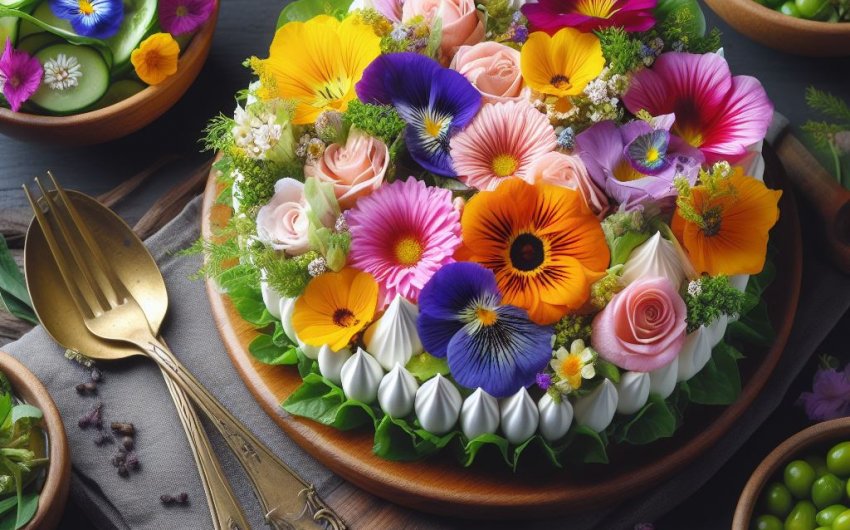
To truly expand your garden's utility beyond beauty, you can certainly include edible flowers in your cut flower garden, adding both visual appeal to your bouquets and delightful flavors to your culinary creations. This innovative approach allows you to harvest blossoms that are not only stunning in a vase but also safe and delicious for cooking and garnishing.
Why Grow Edible Flowers in Your Cut Flower Garden?
Growing edible flowers in your cut flower garden offers a dual purpose that enriches both your aesthetic and culinary experiences. It's about maximizing the value and versatility of your garden's bounty, taking it beyond beauty.
How Do Edible Flowers Enhance Culinary Experiences?
Edible flowers enhance culinary experiences by adding a delightful touch of color, unique flavors, and elegant garnishes to a wide array of dishes and beverages. They transform ordinary meals into gourmet presentations, appealing to both the eye and the palate.
- Visual Appeal: The vibrant colors and delicate forms of edible flowers instantly elevate the presentation of any dish, making it more appealing and sophisticated. They turn food into art.
- Unique Flavors: Many edible flowers offer distinct and subtle flavors, ranging from sweet and citrusy to peppery, spicy, or herbaceous. These nuanced tastes can add unexpected dimensions to both sweet and savory dishes.
- Elegant Garnishes: Used as garnishes, they add a touch of elegance and whimsy to salads, desserts, cocktails, and entrees, signaling freshness and attention to detail.
- Aromatics: Some edible flowers also contribute delicate aromas that enhance the overall sensory experience of a meal.
- Unexpected Ingredients: Incorporating edible flowers allows for creative experimentation in the kitchen, pushing culinary boundaries and surprising guests.
- Freshness: Picking fresh flowers from your garden just before serving ensures the utmost freshness and vibrancy.
From a simple salad to a fancy dessert, edible flowers truly elevate the dining experience beyond beauty.
What are the Benefits of a Dual-Purpose Garden (Cut & Edible)?
A dual-purpose garden (cut and edible flowers) offers numerous benefits, maximizing the output and versatility of your gardening efforts. It's an efficient way to grow more, provide more, and enjoy more from your outdoor space, taking your garden beyond beauty.
- Increased Productivity: You're getting two uses from one plant: blooms for your vase and petals for your plate. This optimizes your garden's yield per square foot.
- Space Efficiency: For smaller gardens, a dual-purpose approach is highly space-efficient, allowing you to grow a wider variety of usable plants in a limited area.
- Continuous Harvest: Many edible flowers are also "cut-and-come-again" bloomers, meaning the more you harvest (for cutting or eating), the more flowers the plant produces.
- Aesthetic and Culinary Integration: It fosters a seamless connection between your garden's beauty and your kitchen's creativity, inspiring new recipes and stunning presentations.
- Cost Savings: Reduces the need to buy both decorative flowers and specialty edible garnishes.
- Healthier Options: You have control over how the flowers are grown, ensuring they are organic and chemical-free for safe consumption.
- Educational Opportunity: It's a great way to learn about the edible landscape and educate others about the versatility of plants.
A dual-purpose garden is a smart and satisfying way to get the most out of your gardening space and efforts.
How Does Growing Edible Flowers Ensure Chemical-Free Ingredients?
Growing edible flowers ensures chemical-free ingredients for your culinary creations because you have complete control over their cultivation. This direct oversight is paramount for food safety and peace of mind.
- Avoidance of Pesticides: When you grow your own, you can choose to entirely avoid synthetic pesticides, herbicides, and fungicides. Many commercially grown flowers are treated with chemicals that are not safe for human consumption.
- Organic Practices: You can commit to organic gardening practices, using natural pest control methods and enriching your soil with organic compost or worm castings.
- Known Sourcing: You know exactly where your edible flowers come from, what they've been grown in, and what (if anything) they've been treated with. This eliminates uncertainty.
- Freshness: You can harvest flowers just before use, ensuring peak freshness and nutrient content.
- Avoidance of Contamination: You control the growing environment, minimizing exposure to external pollutants or unintended sprays.
By cultivating your own edible flowers, you guarantee a safe, pure, and delicious ingredient that truly goes beyond beauty into the realm of healthy eating.
What are the Best Edible Flowers to Include in Your Garden?
To start incorporating edible flowers into your garden, it's essential to choose varieties that are not only beautiful for cutting but also safe, flavorful, and easy to grow. This curated list offers excellent options for both visual and culinary delight, truly expanding your garden beyond beauty.
Which Sweet-Tasting Edible Flowers are Best for Desserts?
Sweet-tasting edible flowers are perfect for desserts, adding delicate flavors and stunning visual appeal to cakes, pastries, salads, and drinks. These blossoms offer a gourmet touch that delights the palate and the eye.
| Flower Name | Flavor Profile | Best Uses | Growing Notes | Pet-Friendly? |
|---|---|---|---|---|
| Pansy & Viola (Viola x wittrockiana / Viola tricolor) | Mild, slightly sweet, faintly herbaceous | Garnish for cakes/desserts, salads, candied flowers | Cool-season annual, easy from seed | Yes (non-toxic) |
| Rose (Rosa spp.) | Sweet, aromatic, fruity (petals) | Teas, jams, syrups, candied, dessert garnish | Perennial, choose fragrant varieties | No (mildly toxic) |
| Lavender (Lavandula angustifolia) | Floral, sweet, slightly earthy | Baked goods, custards, teas, syrups, ice cream | Perennial herb, needs full sun | No (mildly toxic) |
| Honeysuckle (Lonicera japonica) | Sweet, honey-like (flowers only) | Teas, syrups, cordial, garnish | Vining perennial, can be invasive | No (mildly toxic) |
| Elderflower (Sambucus canadensis) | Sweet, fragrant, musky (flowers only) | Cordial, syrup, fritters, champagne | Shrub/tree, forage or grow | Yes (non-toxic) |
| Begonia (Begonia x tuberhybrida) | Tart, lemony, crisp (petals) | Salads, dessert garnish, drinks | Tender perennial/annual, shade lover | No (mildly toxic) |
Always ensure you are using specifically identified, organically grown flowers for consumption.
What Peppery or Herbaceous Flowers Enhance Savory Dishes?
Peppery or herbaceous edible flowers are fantastic for enhancing savory dishes, adding a unique zest, a mild spicy kick, or an aromatic herbal note to salads, entrees, and garnishes. These blossoms are a delightful secret weapon for adventurous cooks.
| Flower Name | Flavor Profile | Best Uses | Growing Notes | Pet-Friendly? |
|---|---|---|---|---|
| Nasturtium (Tropaeolum majus) | Peppery, spicy, slightly sweet | Salads, sandwiches, garnish for meats/cheeses | Annual, easy from seed | Yes (non-toxic) |
| Calendula (Calendula officinalis) | Mild peppery, slightly bitter, saffron-like | Salads, rice dishes, scrambled eggs, soups (color) | Annual, easy from seed | Yes (non-toxic) |
| Borage (Borago officinalis) | Fresh cucumber-like, slightly salty | Salads, sandwiches, drinks, fish dishes | Annual, easy from seed | Yes (non-toxic) |
| Chive Blossoms (Allium schoenoprasum) | Mild onion/garlic, delicate | Salads, garnish, infused vinegars | Perennial herb, easy to grow | No (mildly toxic) |
| Dianthus (Dianthus barbatus) | Clove-like, spicy (petals) | Salads, garnish, infused sugar | Perennial, many varieties | Yes (non-toxic) |
| Bee Balm (Monarda didyma) | Minty, oregano-like (petals) | Teas, salads, garnish for poultry | Perennial, attracts pollinators | Yes (non-toxic) |
| Squash Blossoms (Cucurbita spp.) | Mild, slightly sweet, squash-like | Stuffed and fried, quesadillas, soups | Annual, harvest from squash plants | Yes (non-toxic) |
| Bachelor's Button (Centaurea cyanus) | Mild, slightly spicy, clove-like | Salads, soups, garnish | Annual, easy from seed | Yes (non-toxic) |
These edible flowers bring depth and vibrancy to savory cooking, truly taking your garden beyond beauty.
What Flowers are Best for Drink Garnishes or Infusions?
Flowers best for drink garnishes or infusions add a touch of elegance, color, and sometimes subtle flavor to cocktails, teas, and other beverages. They transform simple drinks into visually appealing and aromatic experiences.
| Flower Name | Flavor/Aroma Profile | Best Uses | Growing Notes | Pet-Friendly? |
|---|---|---|---|---|
| Borage (Borago officinalis) | Cucumber-like, slightly salty | Iced teas, cocktails, lemonade, infused water | Annual, easy from seed | Yes (non-toxic) |
| Pansy & Viola (Viola x wittrockiana / Viola tricolor) | Mild, sweet, faintly herbaceous | Ice cubes, cocktail garnish, infused water | Cool-season annual, easy from seed | Yes (non-toxic) |
| Rose (Rosa spp.) | Sweet, aromatic, fruity | Teas, rose water, cocktails, infused syrups | Perennial, choose fragrant varieties | No (mildly toxic) |
| Lavender (Lavandula angustifolia) | Floral, sweet, slightly earthy | Teas, lemonade, infused gin/vodka | Perennial herb, needs full sun | No (mildly toxic) |
| Hibiscus (Hibiscus sabdariffa) | Tart, cranberry-like | Iced teas, cocktails, infused rum | Annual/Perennial, heat lover | Yes (non-toxic) |
| Nasturtium (Tropaeolum majus) | Peppery, slightly sweet | Unique garnish for savory cocktails, infused vinegars | Annual, easy from seed | Yes (non-toxic) |
| Elderflower (Sambucus canadensis) | Sweet, fragrant, musky | Elderflower cordial, champagne, spritzers | Shrub/tree, forage or grow | Yes (non-toxic) |
| Chamomile (Matricaria recutita) | Apple-like, soothing (flowers) | Herbal teas | Annual, easy from seed | Yes (non-toxic) |
| Mint Blossoms (Mentha spp.) | Minty, refreshing | Garnish for mojitos, iced tea | Perennial herb, spreads readily | Yes (non-toxic) |
These edible flowers provide a refreshing and visually stunning addition to any beverage, making your garden a source of year-round refreshment beyond beauty.
How Do You Safely Grow and Harvest Edible Flowers?
To fully enjoy your edible flowers beyond beauty, it's paramount to understand how to safely grow and harvest them. Chemical-free practices, correct identification, and proper handling ensure they are safe and delicious for consumption.
What are Essential Safety Rules for Consuming Flowers?
Before consuming any flower, understanding essential safety rules is paramount to prevent accidental poisoning or adverse reactions. Never assume a flower is safe just because it's beautiful.
- Positive Identification: ONLY eat flowers that you can positively identify as edible. If there is any doubt, do NOT eat it. Many flowers look similar to toxic ones. Use a reliable plant identification guide.
- Grow Your Own (or Trust Source): The safest way to ensure flowers are chemical-free is to grow them yourself organically. If purchasing, ensure they are specifically labeled "edible" and "organic" from a reputable source. Never eat flowers from florists, nurseries, or public parks, as they are often treated with pesticides not safe for consumption.
- Chemical-Free Growing: Do not use any synthetic pesticides, herbicides, fungicides, or chemical fertilizers on flowers you intend to eat. Use organic pest control methods and enrich soil with organic compost.
- Harvest from Clean Areas: Pick flowers from areas free of pollution, car exhaust, or pet waste.
- Wash Thoroughly: Gently wash edible flowers under cool, running water just before use to remove any dirt or insects.
- Remove Stamens/Pistils/Calx (Optional): For some flowers (e.g., roses), removing the stamens, pistils, and the bitter white heel at the base of the petal can improve flavor and texture.
- Introduce Gradually: If you're new to edible flowers, introduce them in small quantities to check for any personal sensitivities or allergies.
- Avoid Allergies: If you have pollen allergies, be cautious with flowers, as pollen can sometimes trigger reactions.
- Only Eat Petals: For many flowers, only the petals are edible. Do not consume stems, leaves, or other parts unless you are certain they are safe.
These safety rules are non-negotiable when harvesting edible flowers to go beyond beauty in your culinary pursuits.
How Do You Prepare the Soil and Garden Bed for Edible Flowers?
Preparing the soil and garden bed for edible flowers is crucial to ensure healthy, vigorous plants that produce safe, flavorful blooms. Good soil is the foundation for a productive and chemical-free harvest.
Steps for soil and bed preparation:
- Choose a Sunny, Well-Drained Spot: Most edible flowers (like most cut flowers) require full sun (6-8+ hours daily) and well-drained soil to thrive. Avoid low-lying areas where water collects.
- Clear Weeds and Debris: Remove all existing weeds, rocks, and debris from the chosen area.
- Soil Test (Recommended): A soil test kit will reveal your soil's pH and nutrient levels, guiding appropriate amendments. Most edible flowers prefer a slightly acidic to neutral pH (6.0-7.0).
- Loosen the Soil: Dig or till the soil to a depth of at least 8-12 inches (20-30 cm) to improve aeration and allow roots to grow freely.
- Incorporate Organic Matter: This is the most important step for edible flowers. Mix in generous amounts of high-quality, finished organic compost or well-rotted manure (2-4 inches deep) into the entire bed.
- Benefits: Organic matter improves soil structure, drainage, water retention, and provides a slow-release source of nutrients without synthetic chemicals.
- Adjust pH (if needed): Based on your soil test, adjust pH using natural amendments like agricultural lime (to raise) or elemental sulfur/peat moss (to lower).
- No Synthetic Fertilizers Pre-Planting: Rely on the nutrients from your compost and healthy soil rather than synthetic pre-planting fertilizers.
Proper soil preparation ensures your edible flowers have a healthy, chemical-free start, ready to go beyond beauty.
When and How Do You Harvest Edible Flowers?
Knowing when and how to harvest edible flowers correctly ensures you gather them at their peak freshness and flavor, ready to elevate your dishes beyond beauty. Proper technique also encourages more blooms from the plant.
- Best Time to Harvest:
- Early Morning: The ideal time. Flowers are fully hydrated, vibrant, and at their freshest, with the best flavor and aroma.
- Just Before Use: For culinary purposes, harvest flowers just before you plan to use them.
- Optimal Stage of Bloom:
- Freshly Opened: Harvest flowers that have just fully opened and are in their prime. Avoid buds (flavor not developed) or fully mature, faded blooms (flavor can be bitter or absent).
- Harvesting Method:
- Clean Hands/Shears: Use clean hands or small, sharp pruning snips.
- Cut Only What You Need: Only pick the flowers you intend to use.
- Encourage More Blooms: For many edible flowers (e.g., nasturtiums, pansies, calendula), harvesting regularly (like deadheading) actually encourages the plant to produce more flowers. Cut the stem back to a healthy leaf node to promote new growth.
- Gently Handle: Edible flowers are delicate. Handle them gently to avoid bruising.
- Post-Harvest:
- Wash Gently: Just before use, gently rinse flowers under cool, running water and pat dry with a paper towel.
- Storage: Store unwashed flowers loosely in a plastic bag in the refrigerator for a few days if not using immediately. Place a damp paper towel in the bag for freshness.
Timely and careful harvesting preserves the delicate qualities of your edible flowers, ensuring they are perfect for your culinary adventures.
What Are Advanced Tips for Growing Edible Flowers?
For experienced gardeners or those ready to delve deeper, advanced tips for growing edible flowers enhance yields, diversify options, and refine cultivation practices. These strategies take your edible cut flower garden beyond beauty into a realm of sophisticated production.
How Can Succession Planting Maximize Your Edible Flower Harvest?
Succession planting is an advanced technique that maximizes your edible flower harvest by ensuring a continuous supply of fresh blooms throughout the growing season. This prevents periods of overabundance followed by gaps in production.
- Continuous Supply: Instead of planting all your seeds at once, sow small batches of annual edible flowers (e.g., Nasturtiums, Pansies, Calendula, Borage) every 2-4 weeks from early spring until mid-summer.
- Replace Waning Plants: As older plants begin to fade or bolt (go to seed), you'll have younger plants ready to take over and continue producing flowers.
- Optimizes Space: It makes efficient use of your garden beds by ensuring that space is continuously being utilized by productive plants.
- Seasonal Adaptation: Allows you to adapt to changing seasonal conditions, ensuring you have cool-season flowers (pansies) in spring/fall and warm-season flowers (nasturtiums) in summer.
- Planning Tools: Use a garden journal or a digital garden planner app to keep track of planting dates and projected harvest windows for each succession.
By implementing succession planting, you ensure a steady stream of edible flowers for both your kitchen and your vases.
What is the Role of Integrated Pest Management (IPM) for Edible Flowers?
Integrated Pest Management (IPM) plays a critical role for edible flowers, emphasizing sustainable, non-chemical approaches to pest control to ensure that your blooms remain safe for consumption. It's a holistic strategy that keeps your garden healthy.
- Prevention First:
- Healthy Soil: Strong, compost-rich soil grows vigorous plants that are naturally more resistant to pests.
- Proper Spacing/Air Circulation: Prevents diseases and deters pests.
- Crop Rotation: Reduces pest buildup in the soil.
- Sanitation: Remove diseased plant material and weeds.
- Monitoring: Regularly inspect plants for early signs of pests. Use yellow sticky traps for garden pests to monitor flying insects.
- Biological Controls: Encourage beneficial insects (ladybugs, lacewings) by planting a diverse range of flowers. You can even release live ladybugs for garden pest control.
- Physical Controls: Hand-picking pests, strong water sprays (for aphids), or row covers to exclude larger insects.
- Organic Sprays (as a last resort): If an infestation becomes severe, use only certified organic pest control sprays that are safe for edible plants. Examples include:
- Insecticidal Soap: Effective against soft-bodied pests.
- Neem Oil: Disrupts insect growth and acts as a repellent. (Always use food-grade versions or those certified for edibles).
- Diatomaceous Earth (Food Grade): For crawling pests.
The IPM approach ensures your edible flowers remain pristine and safe, truly embodying the spirit of beyond beauty and into wholesome eating.
How Can Season Extension Techniques Expand Your Edible Flower Options?
Season extension techniques are advanced strategies that expand your edible flower options by protecting plants from extreme temperatures, allowing you to grow varieties outside their typical season, and providing a longer harvest window. This is key for year-round culinary delight.
- Cold Frames:
- Use: Ideal for starting cool-season edible flowers (e.g., Pansies, Violas, Calendula) very early in spring, protecting them from late frosts. Can also overwinter hardy varieties in milder climates.
- Benefits: Warms soil, protects from wind and frost, extends the period of edible flower availability.
- A garden cold frame is a versatile tool.
- Low Tunnels:
- Use: Construct hoops over garden beds and cover with clear plastic sheeting or row cover fabric.
- Benefits: Creates a mini-greenhouse, significantly extending the season for cool-season annuals in spring and fall. Can also protect tender perennials.
- Floating Row Covers:
- Use: Lightweight fabric draped directly over plants.
- Benefits: Provides a few degrees of frost protection, deters pests, and offers light shade in summer for sensitive varieties.
- Greenhouses (Unheated or Heated):
- Use: An unheated greenhouse significantly extends spring and fall seasons. A heated greenhouse allows for true winter production of many edible flowers.
- Benefits: Maximize growing possibilities and yields.
By utilizing these season extension techniques, you can enjoy a continuous harvest of diverse edible flowers throughout the year, enriching your culinary creations beyond beauty.