
The Art of Arranging: Tips for Creating Stunning Bouquets from Your Cut Flower Garden
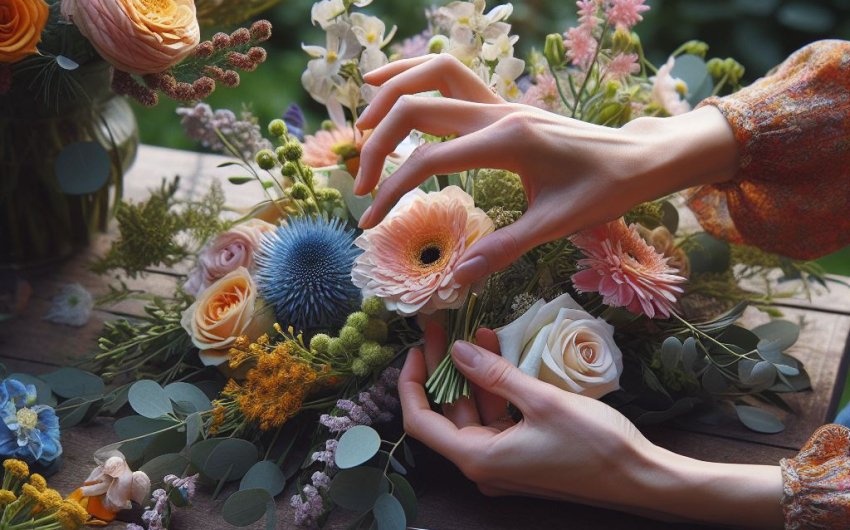
To truly master the art of arranging and create stunning bouquets from your cut flower garden, you need to understand fundamental design principles, select harmonious flowers, and employ proper techniques for conditioning and composition. This guide provides essential tips for creating stunning bouquets that will elevate your homegrown blooms into captivating floral displays.
What Are the Fundamental Principles of Floral Design?
To create stunning bouquets that showcase the art of arranging, it's essential to understand the fundamental principles of floral design. These guidelines provide a framework for balance, harmony, and visual impact, guiding your creative choices.
How Does Balance and Proportion Affect a Bouquet?
Balance and proportion fundamentally affect a bouquet by creating visual stability and ensuring that all elements relate harmoniously to each other and to the container. Achieving these principles prevents an arrangement from looking lopsided or top-heavy.
- Balance:
- Symmetrical Balance: Achieved when both sides of an arrangement are mirror images, creating a formal, orderly feel.
- Asymmetrical Balance: Achieved when elements on both sides differ but have equal visual weight, creating a more dynamic, natural, and informal feel.
- Visual Weight: Consider the size, color, and texture of flowers. Darker, larger, or more textured flowers have more visual weight.
- Proportion:
- Relationship to Container: The overall height, width, and depth of the arrangement should be in pleasing proportion to the vase. A common guideline is that the finished arrangement should be 1.5 to 2 times the height (or width, for wider vases) of the container.
- Relationship Between Elements: The size of individual flowers and foliage should be proportionate to each other and to the overall arrangement, avoiding one element overwhelming another.
- Impact on Bouquet:
- Without balance, a bouquet can look unstable, as if it's about to tip over.
- Without proper proportion, an arrangement can look awkward, too small for its vase, or so large that it loses definition.
Mastering balance and proportion is key to creating a visually pleasing and harmonious bouquet.
What is the Importance of Rhythm and Repetition in Arrangements?
Rhythm and repetition are crucial for creating stunning bouquets by guiding the viewer's eye through the arrangement and lending a sense of cohesion and natural flow. These principles ensure your design feels dynamic yet unified.
- Rhythm:
- Visual Flow: Rhythm creates a sense of movement, leading the eye from one part of the arrangement to another. This can be achieved through:
- Gradation: Gradually changing the size, color intensity, or texture of flowers.
- Radiation: Stems appearing to originate from a central point.
- Transition: Smooth changes between different elements.
- Opposition: Juxtaposing contrasting elements (e.g., tall and short, dark and light) to create visual tension.
- Energy: A strong rhythm gives the bouquet life and dynamism.
- Visual Flow: Rhythm creates a sense of movement, leading the eye from one part of the arrangement to another. This can be achieved through:
- Repetition:
- Unity and Harmony: Repeating certain elements (e.g., a specific flower type, a color, a texture, a shape) throughout the arrangement creates a sense of unity, harmony, and visual coherence.
- Emphasis: Repetition can draw attention to a particular flower or color, making it a focal point.
- Cohesion: It ties different parts of the bouquet together, preventing it from looking like a haphazard collection of flowers.
- Impact on Bouquet:
- Without rhythm, a bouquet can feel static and uninteresting, lacking direction.
- Without repetition, an arrangement can appear chaotic or disjointed, lacking a central theme.
By consciously incorporating rhythm and repetition, you can create captivating bouquets that engage the eye and tell a story, truly embodying the art of arranging.
How Do Dominance and Contrast Add Interest to Floral Designs?
Dominance and contrast are vital for adding interest and excitement to floral designs, ensuring that a bouquet has focal points and visual energy that captivate the viewer. These principles prevent arrangements from becoming monotonous.
- Dominance (Focal Point):
- Purpose: Dominance creates a focal point – an area or element in the arrangement that immediately draws the eye and holds its attention.
- How to Achieve: Use the largest, most vibrant, most unique, or most intensely colored flowers in a strategic location (often slightly off-center). Other flowers then recede slightly to support this dominant element.
- Impact on Bouquet: Without dominance, a bouquet can appear flat, lacking a clear starting point for the eye to rest on.
- Contrast:
- Purpose: Contrast creates visual excitement and separates elements, preventing the arrangement from blending into a uniform mass.
- How to Achieve: Use elements that differ in:
- Color: Complementary (e.g., blue and orange) or contrasting (e.g., bright yellow against deep purple).
- Form: Round blooms next to spiky flowers or airy fillers.
- Texture: Smooth petals next to fuzzy leaves or delicate lace.
- Size: Large blooms next to small fillers.
- Direction: Vertical lines against horizontal elements.
- Impact on Bouquet: Without contrast, a bouquet can look dull, monotonous, and undifferentiated, failing to engage the viewer.
By thoughtfully applying dominance and contrast, you can create dynamic and compelling bouquets that truly demonstrate the art of arranging.
What Flowers and Foliage Are Best for Stunning Bouquets?
To create stunning bouquets that exhibit the art of arranging, selecting the right flowers and foliage is paramount. A balanced mix of different types ensures your arrangements have structure, focal points, and texture.
What are the Best "Thrillers" (Focal Flowers)?
"Thrillers" are the best focal flowers for stunning bouquets, acting as the stars of your arrangement that immediately draw the eye and provide the main dramatic impact. These are typically your largest, most vibrant, or most uniquely shaped blooms.
Best "Thrillers" (Focal Flowers) from a cut flower garden:
- Dahlias: Unrivaled in variety of form and size (dinnerplate, ball, cactus, waterlily). Their intricate petals and bold colors make them natural showstoppers.
- Sunflowers: Bold, cheerful, and impactful. Large heads make a clear statement.
- Peonies: Luxurious, fragrant, and voluminous blooms in late spring/early summer.
- Lisianthus: Elegant, rose-like flowers with multiple blooms per stem. They have a sophisticated charm.
- Zinnias (large varieties): Varieties like 'Benary's Giant' or 'State Fair' produce large, impressive blooms that hold their own as focal points.
- Large Roses: Classic beauties that always command attention.
- Hydrangeas: Large, rounded clusters that create massive visual impact.
When selecting thrillers, choose flowers that are perfectly open (or nearly so, depending on species) and have strong, straight stems for maximum impact in your bouquet.
What are the Best "Fillers" (Supporting Flowers)?
"Fillers" are the best supporting flowers for stunning bouquets, providing volume, texture, and a sense of abundance that allows the focal flowers to shine without overwhelming the arrangement. They add depth and soften transitions.
Best "Fillers" (Supporting Flowers) from a cut flower garden:
- Cosmos: Delicate, airy, daisy-like blooms on long, slender stems. Adds a whimsical, natural touch.
- Baby's Breath (Gypsophila spp.): Classic tiny white flowers that create an airy, cloud-like effect.
- Statice (Limonium sinuatum): Papery, long-lasting clusters in various colors, excellent for texture.
- Gomphrena (Gomphrena globosa): Globe-shaped, papery flowers that add unique texture and hold color well.
- Ammi majus (False Queen Anne's Lace): Lacy white umbels that provide a rustic, wild texture.
- Bupleurum (Bupleurum rotundifolium): Chartreuse foliage with tiny yellow flowers that adds a fresh, light texture.
- Celosia (Plume or Wheat varieties): Feathery or spiky forms can serve as great textural fillers, especially smaller plumes.
- Solidago (Goldenrod): Feathery yellow plumes for late summer/fall bouquets.
Fillers are essential for creating lush, full bouquets that feel cohesive and abundant.
What are the Best "Spillers" or Greenery (Foliage)?
"Spillers" or greenery (foliage) are crucial for stunning bouquets, providing essential structure, contrast, and a natural backdrop that enhances the beauty of the flowers. They add depth, texture, and often a refreshing scent.
Best "Spillers" or Greenery from a cut flower garden:
- Eucalyptus: Silvery-blue, aromatic foliage. Popular for its modern aesthetic and long vase life. Varieties like 'Silver Drop' or 'Baby Blue'.
- Mint (Mentha spp.): Various mints offer fragrant, textured leaves that add freshness.
- Basil (Ocimum basilicum): Fragrant green or purple leaves, especially basil blooms, provide lovely texture and aroma.
- Scented Geraniums (Pelargonium spp.): Beautifully shaped leaves with various scents (e.g., rose, citrus).
- Dusty Miller (Senecio cineraria): Silvery-grey, velvety foliage adds softness and contrast.
- Ferns: Various hardy garden ferns (e.g., Autumn Fern, Tassel Fern) provide lush, green backdrop and delicate texture.
- Ninebark (Physocarpus opulifolius): 'Summer Wine' or 'Amber Jubilee' offer beautiful purple or bronze foliage.
- Hosta Leaves: Large, architectural leaves can provide a bold green foundation.
- Ivy (Hedera helix): Trailing ivy can create a cascading effect.
Foliage is the unsung hero of a bouquet, giving it life, depth, and a professional finish, truly completing the art of arranging.
How Do You Prepare and Condition Flowers for Arranging?
To truly excel at the art of arranging and ensure your creations are stunning bouquets, preparing and conditioning flowers correctly is a non-negotiable step. Proper post-harvest care maximizes their vase life and allows them to shine.
What is the Best Time and Method for Harvesting?
The best time and method for harvesting flowers are critical for extending their vase life, ensuring your homegrown blooms remain vibrant and fresh for an extended period. Timing and clean cuts are paramount for success.
- Best Time to Harvest:
- Early Morning: The absolute ideal time. Flowers are fully hydrated (turgid) and haven't yet been stressed by the heat of the day. This reduces post-harvest shock.
- Late Evening: A second-best option if morning isn't possible. Avoid cutting in the middle of the day when plants are often stressed and less hydrated.
- Optimal Stage of Bloom:
- Most Flowers: Cut when the flower is just beginning to open, about 1/3 to 1/2 open, showing good color but not yet fully expanded. Flowers will continue to open in the vase.
- Exceptions (Cut Fully Open): Dahlias, Zinnias, Sunflowers.
- Exceptions (Cut When Bottom Florets Open): Gladiolus, Snapdragons.
- Check Pollen: If you see pollen shedding on the petals, the flower is generally past its prime for cutting and its vase life will be shorter.
- Harvesting Method:
- Sharp, Clean Tools: Always use clean, sharp pruning snips or floral shears. Dull tools can crush stems, which impedes water uptake. A floral snip tool is perfect. Sterilize between different plant types to prevent disease spread.
- Angled Cut: Make a clean, angled cut (e.g., 45-degree angle) at least 8-12 inches (20-30 cm) below the bloom, preferably just above a leaf node or a strong side shoot. An angled cut maximizes the surface area for water absorption and prevents the stem from sitting flat on the bottom of the vase.
- Place Immediately in Water: Have a bucket of water (preferably with flower food) ready in the garden. Immediately plunge harvested stems into water to prevent air bubbles from forming in the vascular system, which can block water uptake.
Proper harvesting techniques are the very first essential step for ensuring a long and beautiful vase life for your bouquets.
What is the Step-by-Step Process for Conditioning Flowers?
Conditioning flowers is a vital step-by-step process for longevity, maximizing their ability to absorb water and stay fresh after harvesting. This crucial post-harvest care ensures your homegrown blooms last as long as possible in the vase.
- Remove Lower Foliage: As soon as you bring flowers indoors, immediately remove all leaves that would fall below the water line in your vase. Submerged leaves will rot, contaminating the water and significantly shortening vase life.
- Re-Cut Stems Underwater (Optional but Recommended): For best results, especially for soft-stemmed flowers, place the stem end underwater in a sink or bowl and make a fresh cut, about 1 inch (2.5 cm) off the bottom, at an angle. This prevents air bubbles from entering the vascular system, which can block water uptake. If not underwater, quickly transfer to water after cutting.
- Use Floral Preservative/Food: Prepare your vase with fresh, cool water and a packet of floral preservative/food. This typically contains:
- Sugar: Provides energy for the flowers.
- Acidifier: Lowers the water's pH, helping stems absorb water more efficiently.
- Bactericide: Inhibits the growth of bacteria in the water, which can clog stems.
- DIY Solution: If you don't have commercial floral food, a simple solution of 1 teaspoon sugar, 1 teaspoon household bleach (as a bactericide), and 2 teaspoons lemon juice (as an acidifier) per quart of water can work.
- Hydrate in a Cool Spot (The "Hardening" Step): Place your freshly cut and prepared flowers in the vase in a cool, dark spot (e.g., basement, cool room, garage) for several hours (or ideally overnight) to allow them to fully hydrate and "harden." This process allows them to absorb maximum water before being displayed.
- Avoid Stress During Conditioning: Keep flowers away from direct sunlight, heat sources, and ripening fruit (which emits ethylene gas) during the conditioning process.
These conditioning steps significantly extend the beauty and freshness of your homegrown bouquets, allowing you to showcase the art of arranging.
How Do You Handle Flowers with Milky Sap (Latex)?
Handling flowers with milky sap (latex) requires special care to prevent the sap from clogging stems and shortening vase life. This is a common issue with certain flower families, and knowing the right technique is crucial for a stunning bouquet.
- Problem: Some flowers, like Poppies, Euphorbia, Dahlias, and often certain varieties of Lilies, produce a white, milky sap (latex) when cut. This sap can quickly coagulate and block the xylem (water-conducting vessels) in the stem, preventing the flower from absorbing water and causing it to wilt prematurely.
- The Solution: "Searing" or "Dipping" the Stem End:
- Re-Cut Stems: Immediately after harvesting, re-cut the stems as usual.
- Searing with Hot Water: The most common method. Dip the bottom 1-2 inches of the cut stems into very hot (almost boiling) water for about 10-30 seconds. This seals the sap in the stem.
- Dipping in a Flame: For some flowers (e.g., Poppies), quickly passing the cut stem end through a flame for a few seconds can also seal the sap.
- Cool Water Bath: Immediately after searing or flaming, place the stems into a bucket of cool water with flower food to condition them.
- Why it Works: The heat coagulates the sap, preventing it from leaking out and clogging the stem. This allows the flower to then absorb water normally.
- Caution: Ensure only the very end of the stem is exposed to heat; protect the flower head from steam or flame.
Knowing how to properly handle sap-producing flowers ensures they hydrate effectively and contribute to your stunning bouquets for days.
What Are Practical Tips for Assembling Stunning Bouquets?
Beyond individual flower preparation, practical tips for assembling stunning bouquets involve applying design principles, using effective mechanics, and understanding flower placement to create cohesive and beautiful arrangements. This is where the art of arranging truly comes to life.
How Do You Prepare the Vase and Use Floral Mechanics?
To create stunning bouquets, preparing the vase and effectively using floral mechanics provides the necessary structure and support for your flowers, allowing them to be positioned exactly where you want them without flopping.
- Clean Vase: Always start with a thoroughly clean vase. Bacteria from previous arrangements can quickly contaminate fresh water and shorten vase life. Wash with soap and water, or a weak bleach solution, and rinse well.
- Fresh Water with Flower Food: Fill the vase with fresh, cool water and the appropriate amount of floral preservative/food.
- Choosing the Right Vase: Select a vase that is proportionate to your arrangement (typically 1.5-2 times the height of the container for height, or similar width for wider arrangements). Consider the opening – a narrower neck helps support stems.
- Floral Mechanics (for Structure):
- "Grid" Method (Tape Grid): Create a grid across the top of a wide-mouthed vase using clear floral tape (waterproof floral tape). This creates individual "pockets" to hold stems in place.
- Chicken Wire "Pillow": Crumple a piece of chicken wire into a loose ball and place it in the bottom of the vase. This provides a supportive mesh for stems.
- Floral Foam (Use with Caution): A dense foam that holds stems and water. Best for specific designs or short-term arrangements as it can degrade over time. Ensure proper saturation.
- Leaf/Foliage Collar: Use sturdy greenery around the rim of the vase to create a natural framework.
Proper vase preparation and mechanics provide the unseen support that makes the art of arranging appear effortless.
What is the "Spiral Method" for Creating Bouquets?
The "spiral method" is a classic technique for creating stunning bouquets that naturally creates a domed shape, provides structure, and allows stems to fall gracefully in a vase without needing extra mechanics. It's a hallmark of professional floristry.
Steps for the spiral method:
- Start with a Central Focal Point: Begin with 1-3 strong focal flowers (e.g., a large dahlia or zinnia) and one or two pieces of sturdy foliage. Hold these loosely in your non-dominant hand, crossing their stems. This forms the "heart" of your bouquet.
- Add Stems at an Angle: With your dominant hand, begin adding new stems, one by one.
- Place each new stem at an angle, always going in the same direction around the central stems.
- Angle the stems so they cross over the previous stems, creating a natural spiral.
- Ensure each stem touches the stems already in your hand.
- Rotate and Build: Continuously rotate the bouquet in your hand as you add flowers, always maintaining the spiral direction. This helps ensure even distribution.
- Add Variety: Incorporate a mix of thrillers, fillers, and spillers, distributing colors and textures evenly. Step back occasionally to assess.
- Maintain Loose Grip: Keep your non-dominant hand slightly loose around the stems, allowing them to naturally fall into the spiral. Only tighten your grip when you need to make an adjustment or to hold the shape.
- Secure: Once the bouquet reaches your desired size and shape, secure the stems tightly with floral tape or twine where your hand was holding them.
- Final Trim: Trim all stem ends to the same length (or varied lengths for a more natural look) for placing in the vase.
The spiral method results in a freestanding bouquet that looks beautiful from all angles, truly demonstrating the art of arranging.
How Do You Use Color and Texture to Create Visual Harmony?
Using color and texture is fundamental to creating stunning bouquets that exhibit visual harmony and captivating interest. Mastering these elements allows you to evoke specific moods and highlight the beauty of each bloom.
- Color Harmony:
- Monochromatic: Using different shades and tints of a single color (e.g., all pinks, from pale to fuchsia). Creates a sophisticated, calming effect.
- Analogous: Using colors that are next to each other on the color wheel (e.g., yellows, oranges, reds). Creates a harmonious, flowing feel.
- Complementary: Using colors opposite each other on the color wheel (e.g., blue and orange, yellow and purple). Creates vibrant contrast and energy.
- Triadic: Using three colors equally spaced on the color wheel.
- Neutral Palettes: Using whites, creams, and greens for an elegant, serene look.
- Texture Contrast:
- Rough vs. Smooth: Combine smooth petals (e.g., roses) with rough, spiky elements (e.g., celosia, thistle).
- Delicate vs. Bold: Pair delicate, airy fillers (e.g., baby's breath, cosmos) with bold, large focal flowers (e.g., dahlias, sunflowers).
- Fuzzy vs. Glossy: Mix soft, velvety leaves (e.g., Dusty Miller) with glossy foliage (e.g., Hosta leaves).
- Impact on Bouquet:
- Harmony: Thoughtful color and texture choices create a sense of unity and balance.
- Interest: Contrast prevents the bouquet from being dull, adding excitement and drawing the eye to different elements.
- Mood: Colors and textures evoke emotions (e.g., vibrant colors for joy, soft pastels for romance).
By strategically combining colors and textures, you transform a collection of flowers into a cohesive and emotionally resonant work of art, truly mastering the art of arranging from your cut flower garden.