
Creating a Butterfly Garden: Attract Beautiful Pollinators
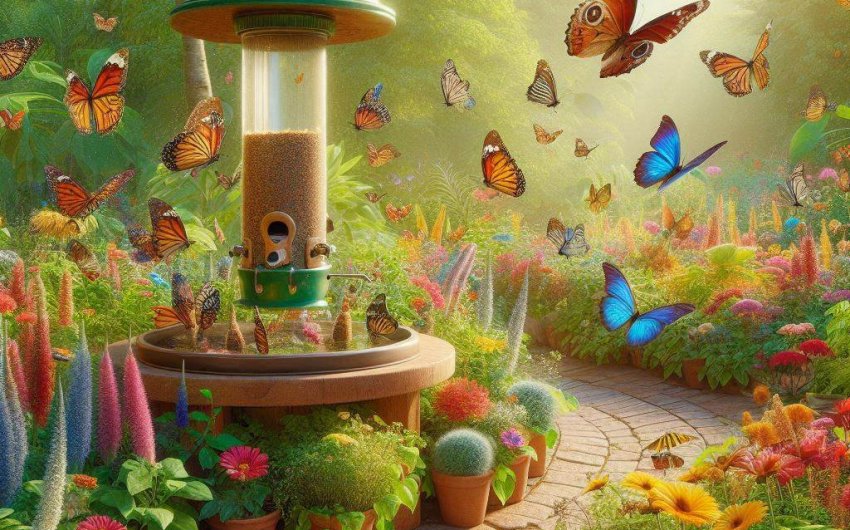
Creating a butterfly garden involves planting a diverse selection of nectar-rich flowers for adult butterflies and host plants for their caterpillars, along with providing essential elements like sun, water, and shelter. This holistic approach ensures you attract and sustain beautiful pollinators throughout their life cycle.
Why Create a Butterfly Garden?
Creating a butterfly garden is a delightful way to add beauty and movement to your outdoor space, but it's much more than just an aesthetic choice. It's a vital act of environmental stewardship, directly supporting pollinators that are crucial for healthy ecosystems and food production. Witnessing the intricate life cycle of butterflies unfold in your own backyard is an incredibly rewarding experience.
The Importance of Pollinators
Butterflies, along with bees, moths, and other insects, are essential pollinators. They transfer pollen from one flower to another, enabling plants to produce fruits, vegetables, and seeds.
- Food Security: Roughly one-third of the food we eat relies on animal pollination. Without pollinators, many of our favorite crops would cease to exist or yield significantly less.
- Ecosystem Health: Pollinators support biodiversity by ensuring the reproduction of wildflowers and other plants, which form the base of many food webs.
- Decline of Pollinators: Unfortunately, butterfly populations worldwide are in decline due to habitat loss, pesticide use, climate change, and disease. By creating a butterfly garden, you provide a much-needed sanctuary.
Benefits of a Butterfly Garden for You
- Aesthetic Beauty: Butterflies are inherently beautiful creatures, and their vibrant colors and graceful flight add a magical touch to any garden.
- Educational Opportunity: A butterfly garden is a living classroom, perfect for teaching children (and adults!) about metamorphosis, ecosystems, and the importance of conservation. You can observe caterpillars, chrysalises, and adult butterflies firsthand.
- Low Maintenance (Once Established): Many butterfly-attracting plants are native or hardy varieties that require less intensive care once established.
- Sense of Purpose: Knowing that your garden is providing essential resources for struggling pollinator populations can be deeply satisfying.
- Stress Reduction: Spending time in nature, observing wildlife, has been shown to reduce stress and improve well-being.
What Do Butterflies Need in a Garden?
To truly attract and sustain butterflies throughout their entire life cycle, a butterfly garden must provide more than just beautiful flowers. It needs to offer essential resources for adults, caterpillars, and even chrysalises. Think of it as creating a complete habitat.
1. Nectar Plants (Food for Adult Butterflies)
Adult butterflies feed on nectar, which provides them with energy.
- Diversity: Plant a wide variety of flowers with different shapes, sizes, and bloom times to ensure a continuous supply of nectar from spring through fall.
- Flower Color: Butterflies are attracted to bright colors, especially purple, red, pink, orange, yellow, and white.
- Landing Pads: Choose flowers with flat, open clusters or single blooms that provide an easy landing platform, such as Zinnias, Coneflowers, or Sedum.
- Native Plants: Prioritize native nectar plants for your region. They are adapted to your climate, often require less care, and are what local butterflies are accustomed to.
- Sunlight: Most nectar-rich flowers need at least 6 hours of direct sunlight per day to produce abundant nectar.
2. Host Plants (Food for Caterpillars)
This is a crucial, often overlooked, component of a successful butterfly garden. Adult butterflies lay their eggs only on specific host plants, which are the sole food source for their caterpillars. Without these plants, the butterfly life cycle cannot continue.
- Species-Specific: Different butterfly species have different host plant requirements. For example, Monarch caterpillars only eat Milkweed. Swallowtail caterpillars prefer Parsley, Dill, Fennel, or Rue.
- Accept Damage: Be prepared for host plants to be eaten! That's their purpose. Don't spray pesticides on them.
- Quantity: Plant enough host plants to sustain the caterpillars.
3. Water Source
Butterflies need to drink water, but they can't drink from open water like a bird bath.
- Puddling Area: Create a "puddling" station. This can be a shallow dish, a slightly depressed area in the soil, or a sandy patch.
- Rocks/Sand: Fill the dish or depression with sand or small rocks, and keep it consistently moist (not submerged) with water. Butterflies will land on the wet sand/rocks and absorb moisture and essential minerals.
4. Shelter and Resting Spots
Butterflies are delicate and need protection from strong winds, predators, and harsh weather.
- Shrubs and Tall Perennials: Provide dense shrubs, tall grasses, or perennial plants around the garden perimeter. These offer refuge from wind, a place to rest, and camouflage from predators.
- Sunny Rocks/Stones: Butterflies are cold-blooded and need to bask in the sun to warm their flight muscles. Place a few flat, dark-colored rocks in sunny spots for them to land on.
- Leaf Litter and Wood Piles: Overwintering butterflies or chrysalises may hide in undisturbed leaf litter, brush piles, or beneath loose bark. Consider leaving a small, tidy area of natural debris.
5. No Pesticides
- Avoid All Pesticides: This is non-negotiable. Even "organic" or "natural" pesticides can harm butterflies, their eggs, and caterpillars. Insecticides don't discriminate between "good" and "bad" bugs.
- Embrace Imperfection: Be prepared to tolerate some insect damage on your plants. Remember, a chewed leaf on a host plant means a caterpillar is thriving, which means a butterfly is on its way!
What Nectar Plants Attract Butterflies?
Nectar plants are the primary draw for adult butterflies, providing the energy they need to fly, mate, and lay eggs. A diverse selection ensures a continuous buffet throughout the seasons.
Top Nectar Plants (Common and Widely Available)
These are generally easy to grow and highly attractive to a variety of butterflies.
- Milkweed (Asclepias spp.): Crucial for Monarchs (both nectar and host). Choose native species for your region. Common Milkweed Seeds are a good start.
- Butterfly Bush (Buddleja davidii): A butterfly magnet! Comes in many colors. Can be invasive in some regions, so consider sterile or less aggressive varieties if available.
- Coneflower (Echinacea purpurea): Hardy, beautiful, and a long-blooming favorite for many pollinators.
- Zinnia (Zinnia elegans): Easy to grow from seed, comes in a huge range of bright colors, and blooms prolifically all summer long. Choose single-petal varieties over very dense doubles, as single petals are easier for butterflies to access nectar.
- Lantana: Heat-loving, drought-tolerant, and produces clusters of small, colorful flowers that butterflies adore.
- Sedum (Stonecrop, Hylotelephium spectabile): 'Autumn Joy' and similar varieties bloom in late summer/fall, providing crucial late-season nectar.
- Aster (Symphyotrichum spp.): Excellent late-season nectar source, available in many colors and sizes.
- Phlox (Phlox paniculata): Tall garden phlox produces large clusters of fragrant flowers.
- Bee Balm (Monarda didyma): Attracts not only butterflies but also bees and hummingbirds.
- Cosmos (Cosmos bipinnatus): Another easy-to-grow annual with cheerful, open flowers.
- Salvia (Salvia spp.): Many varieties, from annual to perennial, offer tubular flowers perfect for butterflies.
Selecting Nectar Plants for Continuous Bloom
- Spring Bloomers: Provide early-season energy for emerging butterflies. Examples: Lilac, Lenten Rose, Spring Phlox, Pansies (if mild).
- Summer Bloomers: The peak season for most butterflies. Examples: Butterfly Bush, Coneflower, Zinnia, Phlox, Bee Balm, Lavender, Lantana, Marigolds.
- Fall Bloomers: Crucial for migrating butterflies (like Monarchs) and those preparing for winter. Examples: Asters, Sedum, Goldenrod, Ironweed, Joe-Pye Weed.
What Host Plants Do Caterpillars Need?
Host plants are non-negotiable for a truly thriving butterfly garden. Without them, butterflies won't lay their eggs, and you won't complete the fascinating life cycle. Be prepared for these plants to be eaten!
Common Host Plants and the Butterflies They Attract
- Milkweed (Asclepias spp.):
- Butterflies: Monarchs are entirely dependent on milkweed.
- Notes: Plant several varieties of native milkweed specific to your region. Common Milkweed, Swamp Milkweed, and Butterfly Weed are popular choices.
- Parsley, Dill, Fennel, Rue (Apiaceae family):
- Butterflies: Black Swallowtails and Anise Swallowtails.
- Notes: Plant a generous patch, as caterpillars can defoliate plants quickly. These are also culinary herbs, so you can share with the caterpillars!
- Passion Vine (Passiflora spp.):
- Butterflies: Gulf Fritillaries, Zebra Longwings, and Variegated Fritillaries.
- Notes: A beautiful vining plant that also produces unique flowers.
- Hollyhock (Alcea rosea) and Mallow (Malva spp.):
- Butterflies: Painted Ladies (generalist, but use these), Gray Hairstreaks.
- Notes: Easy to grow and adds height to the garden.
- Willow (Salix spp.), Poplar (Populus spp.), Cherry (Prunus spp.), Birch (Betula spp.):
- Butterflies: Many species, including Tiger Swallowtails, Mourning Cloaks, Red-spotted Purples, Viceroys.
- Notes: These are trees, so if you don't have space, ensure they are nearby in your neighborhood.
- Violets (Viola spp.):
- Butterflies: Fritillaries (Great Spangled, Variegated, Meadow).
- Notes: Often grow as groundcover.
- Turtlehead (Chelone glabra):
- Butterflies: Baltimore Checkerspots.
- Notes: A beautiful wetland perennial.
- Thistle (Cirsium spp.) and Sunflower (Helianthus spp.):
- Butterflies: Painted Ladies (generalist feeders, often use these).
- Grasses (Various Species):
- Butterflies: Many Skipper species, Satyrs, Wood-Nymphs.
- Notes: Consider a small patch of native grasses.
Planning for Host Plants
- Mass Plantings: Plant several host plants of the same type together, especially for Monarchs and Swallowtails, as caterpillars can quickly consume leaves.
- "Sacrificial" Plants: If you also grow these plants for your own consumption (like parsley), consider planting a separate "sacrificial" patch specifically for the caterpillars.
- Tolerate Damage: Prepare yourself mentally for your host plants to look "chewed." This is a sign of success!
How Do I Design and Plant a Butterfly Garden?
The layout and planting strategy for your butterfly garden can enhance its appeal to both butterflies and humans. Consider sun, water, shelter, and aesthetic flow.
1. Choose Your Site
- Sunlight: The primary consideration. Most nectar plants and host plants (especially milkweed) require at least 6-8 hours of direct sunlight per day. Choose the sunniest part of your yard.
- Shelter: Ideally, the garden should be somewhat sheltered from strong winds (e.g., near a fence, building, or dense shrubs).
- Visibility: Place it where you can easily observe your butterfly visitors!
2. Prepare the Soil
- Well-Draining: Most butterfly-attracting plants prefer well-draining soil. If you have heavy clay, amend it with plenty of organic matter like compost.
- Nutrient-Rich: Incorporate a generous amount of well-rotted compost into the soil to provide a slow-release source of nutrients.
- Avoid Pesticides: Ensure the soil has not been treated with long-lasting pesticides.
3. Design Principles
- Group Plants in Clumps: Plant flowers of the same species in large clusters (at least 3-5 plants of each). This creates a stronger visual signal for butterflies, making it easier for them to spot and providing more nectar in one stop.
- Vary Heights: Use plants of different heights (short in front, tall in back) to create visual depth and layers of habitat.
- Continuous Bloom: Plan your garden so something is always in bloom from early spring to late fall. Create a bloom chart if it helps.
- Incorporate Host Plants Strategically: You can place host plants slightly behind nectar plants if you prefer to hide the chewing damage, or integrate them throughout.
- Provide Puddling Area: Integrate a shallow dish with sand/gravel in a sunny spot.
- Add Shelter Elements: Plant taller shrubs or create a small brush pile nearby.
4. Planting Process
- Dig Holes: Dig holes that are twice as wide as the plant's root ball and deep enough so the plant sits at the same level it was in its nursery pot.
- Gently Loosen Roots: If the plant is root-bound, gently tease apart some of the outer roots.
- Place Plant: Position the plant in the hole.
- Backfill: Fill with soil, gently firming around the base.
- Water Thoroughly: Water deeply after planting to settle the soil.
- Mulch: Apply a 2-3 inch layer of organic mulch (shredded leaves, straw, wood chips) around plants to suppress weeds, conserve moisture, and regulate soil temperature. Keep mulch a few inches away from plant stems.
How Do I Maintain a Healthy Butterfly Garden?
Once your butterfly garden is established, ongoing maintenance is generally low, but consistent care will ensure it remains a thriving haven for pollinators. The key is to nurture a natural ecosystem.
1. Watering
- Establishment Phase: Water newly planted plants regularly until they are established, typically for the first growing season.
- Mature Plants: Many native butterfly plants are drought-tolerant once established. Water deeply when the top few inches of soil are dry, especially during prolonged dry spells.
2. Weeding
- Minimize Competition: Keep the garden bed relatively weed-free, especially around young plants, to reduce competition for resources.
- Mulch: A good layer of mulch will greatly reduce weeding chores.
3. Fertilization
- Generally Not Needed: If you started with nutrient-rich soil amended with compost, additional fertilization is often unnecessary and can even be detrimental. Excess nitrogen can lead to lush leafy growth at the expense of flowers, and can make plants more susceptible to pests.
- Compost Tea (Optional): If plants appear to be struggling, a diluted compost tea or a light topdressing of compost can provide a gentle nutrient boost.
4. Deadheading and Pruning
- Deadheading (for continued blooms): Removing spent flowers (deadheading) can encourage many nectar plants to produce more blooms throughout the season, providing a longer food source for butterflies.
- Pruning (for shape and health): Prune plants to maintain shape, remove dead or diseased branches, and prevent overgrowth that could reduce air circulation.
- Leave Some Seed Heads: In late fall, consider leaving some spent flower heads with seeds for birds and for winter interest.
5. Pest and Disease Management (NO PESTICIDES!)
- Tolerate Damage: The most important rule: DO NOT use pesticides, insecticides, or herbicides in your butterfly garden. This includes organic options, as many can still harm butterflies and their caterpillars.
- Embrace Nature: Understand that a healthy ecosystem includes insects. Some leaf chewing is normal and a sign of success.
- Manual Removal: If a pest problem becomes truly severe on a specific non-host plant, try hand-picking pests or blasting them with a strong stream of water.
- Beneficial Insects: A diverse garden will attract beneficial insects (like ladybugs, lacewings, parasitic wasps) that naturally control pest populations.
6. Winter Care
- Leave Leaf Litter: In late fall, resist the urge to do a "clean sweep" of your garden. Leaving a layer of fallen leaves and plant stems can provide crucial overwintering habitat for butterfly chrysalises and other beneficial insects.
- Cut Back in Spring: Wait until temperatures are consistently above freezing in spring before cleaning up garden debris.
What Are Common Mistakes to Avoid in a Butterfly Garden?
Even with the best intentions, it's easy to make mistakes when creating a butterfly garden. Avoiding these common pitfalls will significantly increase your success and the health of your butterfly visitors.
1. Using Pesticides
- Mistake: Any use of pesticides, including organic ones, systemic insecticides, or even mosquito sprays in your yard.
- Consequence: Kills caterpillars, adult butterflies, and other beneficial insects.
- Solution: Commit to a completely pesticide-free garden zone. Hand-pick pests, tolerate some damage, and rely on natural predators.
2. Neglecting Host Plants
- Mistake: Planting only nectar flowers for adult butterflies, without providing specific host plants for caterpillars.
- Consequence: Butterflies will visit for nectar but won't stay to lay eggs, and their life cycle cannot continue in your garden.
- Solution: Research which butterfly species are native to your area and plant the specific host plants their caterpillars need. Plant enough host plants to sustain the caterpillars.
3. Insufficient Sunlight
- Mistake: Planting butterfly-attracting flowers in too much shade.
- Consequence: Plants will be leggy, produce fewer blooms, and nectar production will be minimal. Butterflies prefer to bask in the sun and visit sunny flowers.
- Solution: Choose the sunniest spot in your yard (at least 6-8 hours of direct sun) for your butterfly garden.
4. Lack of Continuous Bloom
- Mistake: Having a garden that only blooms heavily for a short period.
- Consequence: Butterflies will visit only during that short window and then leave to find food elsewhere. Migrating butterflies need fuel throughout their journey.
- Solution: Plan your garden with a variety of plants that bloom sequentially from early spring through late fall, ensuring a constant nectar source.
5. Ignoring Water and Shelter Needs
- Mistake: Providing only flowers without a water source or shelter.
- Consequence: Butterflies may visit but won't linger, or they may struggle to find essential resources.
- Solution: Include a shallow puddling area with sand or rocks, and provide shrubs or tall perennials for shelter from wind and predators.
6. Planting Non-Native or Invasive Species
- Mistake: Planting attractive but non-native flowers that might outcompete native plants or, worse, invasive species (like certain varieties of Butterfly Bush in some regions).
- Consequence: Can disrupt local ecosystems, require more maintenance, and may not be the most effective food source for native butterflies.
- Solution: Prioritize native plant species for your region. Consult local nurseries or extension offices for recommendations.
7. Overly "Tidy" Gardening
- Mistake: Cleaning up every fallen leaf, cutting back all spent stalks in fall, and aiming for a perfectly manicured look year-round.
- Consequence: Removes crucial overwintering habitat for eggs, chrysalises, and beneficial insects.
- Solution: Leave some leaf litter, brush piles, and spent plant stalks over winter. Clean up selectively in early spring, allowing dormant insects to emerge.
Creating a butterfly garden is a journey into the heart of nature, offering both visual delight and a profound sense of purpose. By providing the essential elements of nectar and host plants, water, and shelter, while strictly avoiding pesticides, you can transform your backyard into a vibrant oasis that attracts and sustains these beautiful and vital pollinators.